



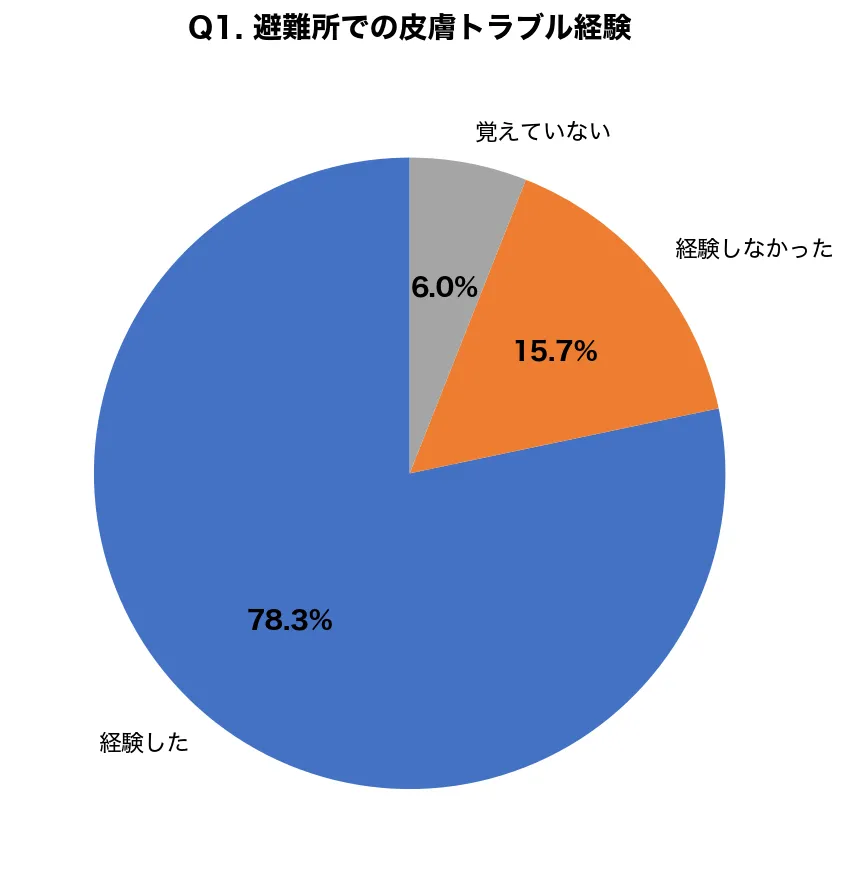
Survey Reveals Skin Issues Affecting 78.3% of Evacuation Shelter Residents
Skin Troubles in Evacuation Shelters: A Call for Preparedness
In the wake of increasing disaster awareness, a recent survey conducted by I.C. Clinic in Tokyo provides critical insights into the physical ramifications of shelter living, specifically regarding skin health. According to the study, 78.3% of participants who had experienced living in evacuation shelters have encountered skin-related troubles, raising an urgent flag about the need for better preparedness.
Key Findings from the Survey
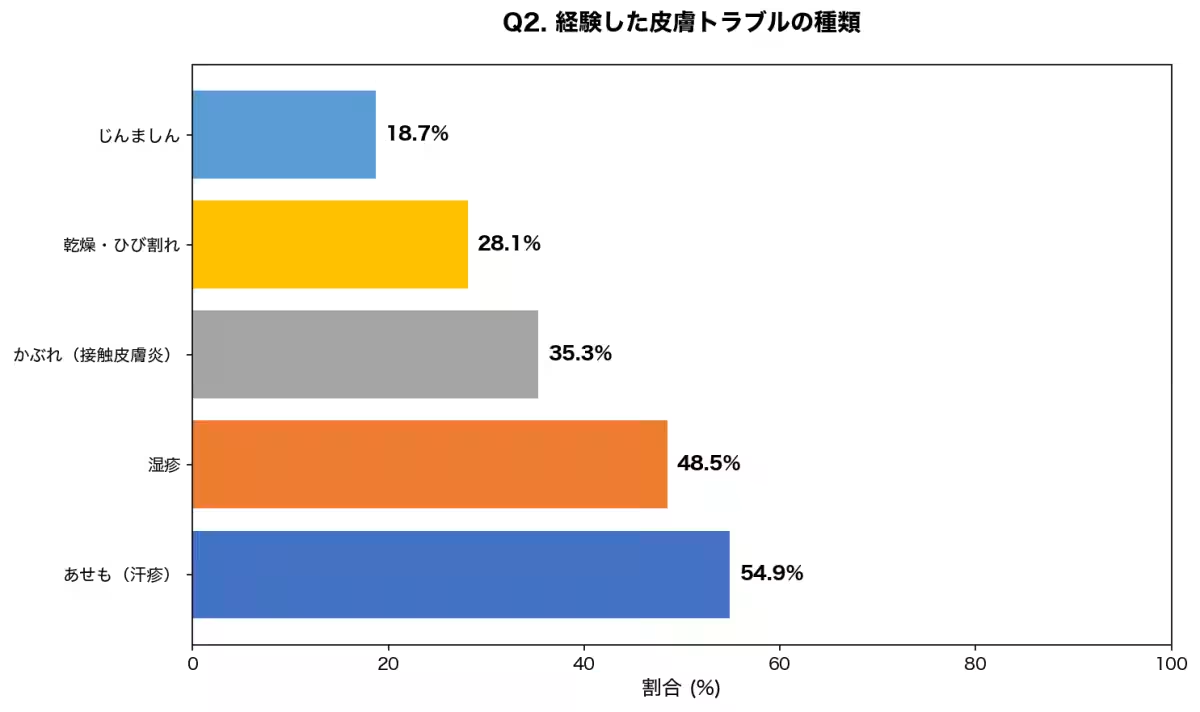
The survey delineates the most common skin problems encountered during shelter stays:
- - Heat rash (あせも)
- - Eczema (湿疹)
- - Contact dermatitis (かぶれ)
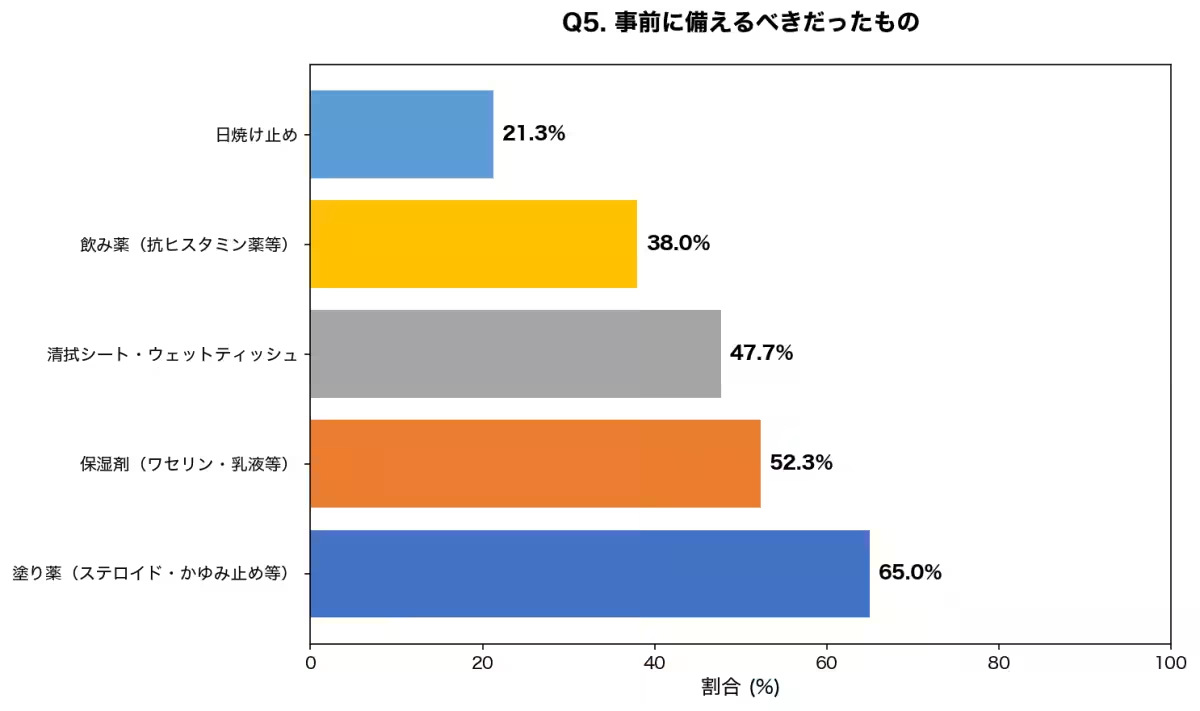
Interestingly, 65.0% of those who faced skin issues expressed regret over not having pre-prepared medications. This indicates a vital gap in disaster readiness—one that can significantly affect individuals during and after a crisis.
Essential Skin Care Items for Disaster Preparedness
Dermatologists recommend that every emergency kit should include the following items to alleviate skin issues:
1. Moisturizers (e.g., Vaseline or lotion) - These should be prioritized to help maintain skin barrier functions and prevent dryness.
2. Topical steroids (medium class) - Should be included to manage inflammation associated with eczema and other skin conditions effectively.
3. Antihistamines (oral) - Essential for reducing itching and ensuring adequate sleep in stressful conditions.
4. Non-alcohol cleansing wipes - Useful for maintaining cleanliness when showers are unfeasible.
5. Band-aids and gauze - To protect minor injuries and prevent secondary infections.
Considering the harsh realities faced during disasters, these items represent the minimal requirements for keeping skin health on track.
The Need for Awareness
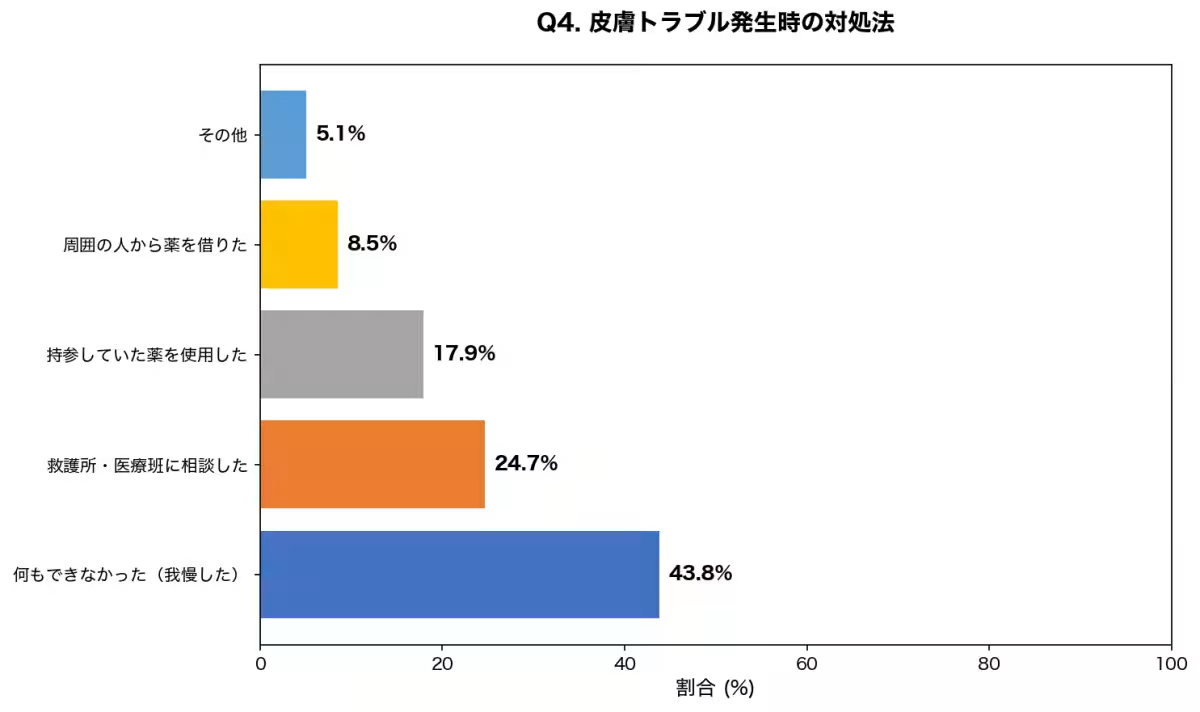
The survey reflects the sentiment of many who find themselves unprepared in a crisis, highlighting that over 40% of respondents stated they could do nothing when skin problems arose. This underscores the critical need to cultivate awareness around disaster preparedness, especially concerning skin health, which often gets overlooked in favor of more obvious necessities.
Dr. Kōta Takakuwa of I.C. Clinic, with over 15 years of experience in dermatology, emphasizes that most skin problems experienced during shelter stays are, in fact, preventable. He argues that appropriate preparation combined with timely responses can significantly mitigate adverse effects on health and comfort.
Recommendations from Medical Experts
For those with underlying conditions such as atopic dermatitis, having an adequate supply of prescription medication prepared ahead of time can be life-saving. The skin’s barrier function is notably compromised in disaster situations, leading to heightened sensitivity towards everyday irritants.
Dr. Takakuwa’s team strongly advises keeping at least two weeks’ worth of relevant medications, underlining the importance of consultation with healthcare providers ahead of any potential crisis.
Conclusion
With Japan frequently facing various natural disasters, understanding and enhancing the preparedness for skin health in evacuation shelters becomes a pressing necessity. The call is clear: make skin care a pivotal component of emergency kits now, before disaster strikes. As the survey indicates, much can be done to avoid needless suffering during what is already a challenging time.
This Disaster Prevention Day, let’s pledge to revisit and refine our emergency preparedness strategies, ensuring that skin care is not inadvertently sidelined.
Topics Health)
【About Using Articles】
You can freely use the title and article content by linking to the page where the article is posted.
※ Images cannot be used.
【About Links】
Links are free to use.