



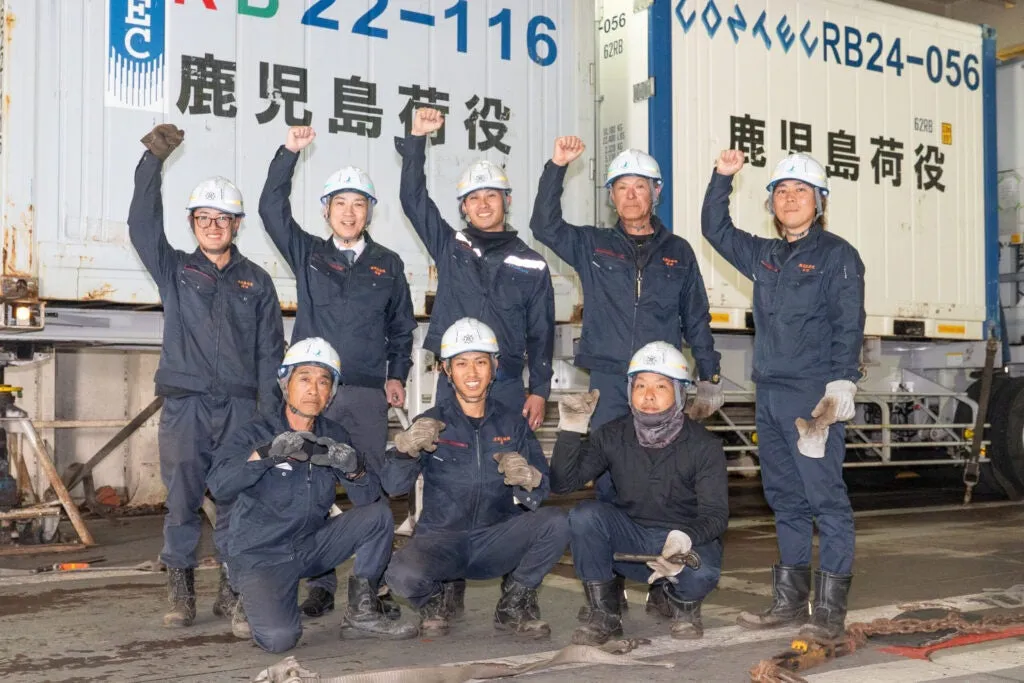
Kagoshima Company Succeeds in Hiring Young Talent through Direct Social Media Recruitment
Introduction
In recent times, recruitment in Japan has been increasingly competitive, particularly for logistics and port handling workers. An impressive case study has emerged from Kagoshima, where Kagoshima Stevedoring and Transport Co., Ltd. made notable strides in hiring young talent through the innovative use of social media and direct hiring strategies.
The Challenge of Recruitment
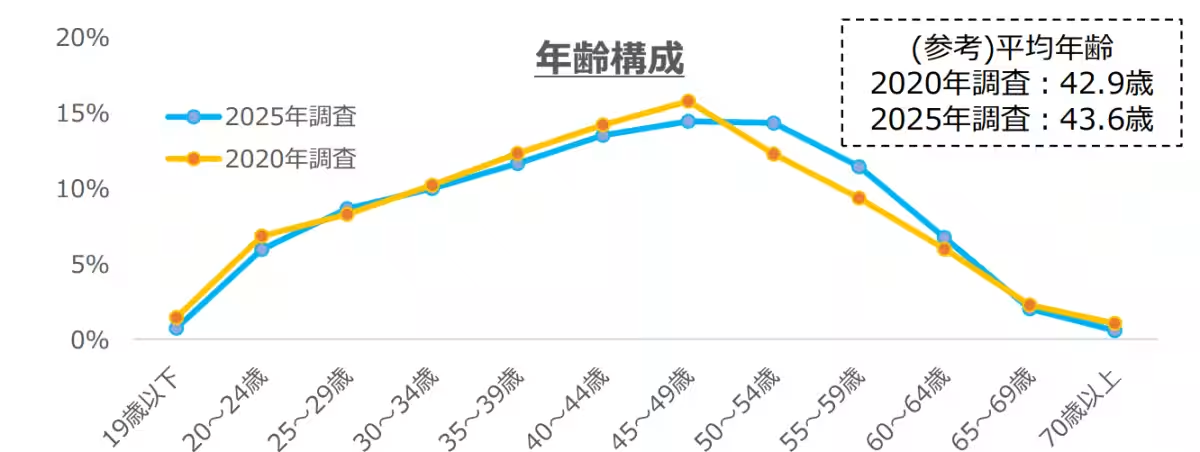
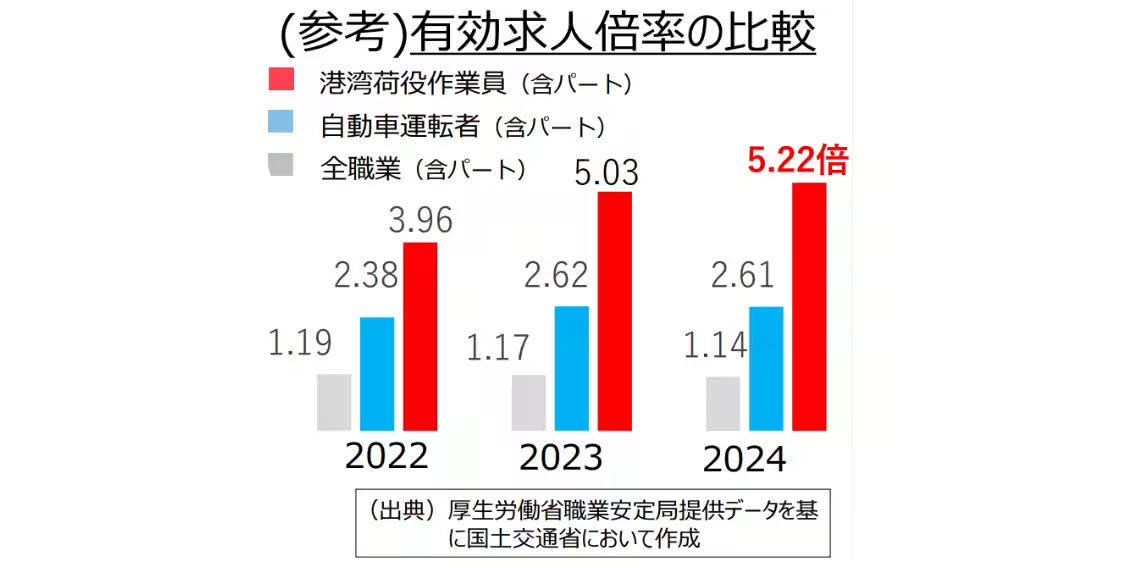
According to research conducted by the Ministry of Land, Infrastructure, Transport and Tourism, the effective job offer ratio for port handling operators reached 5.22 in early 2025, indicating a severe shortage of labor in this sector. This figure is significantly higher than the national average of 1.14, showcasing the escalating difficulty in filling these roles. Furthermore, the average age of port workers is rising, currently sitting at 43.6 years. This demographic trend indicates that the industry is poised to face a formidable challenge in recruiting and training young workers in the coming years, as many older employees prepare to retire.
Recognizing the Need for Change
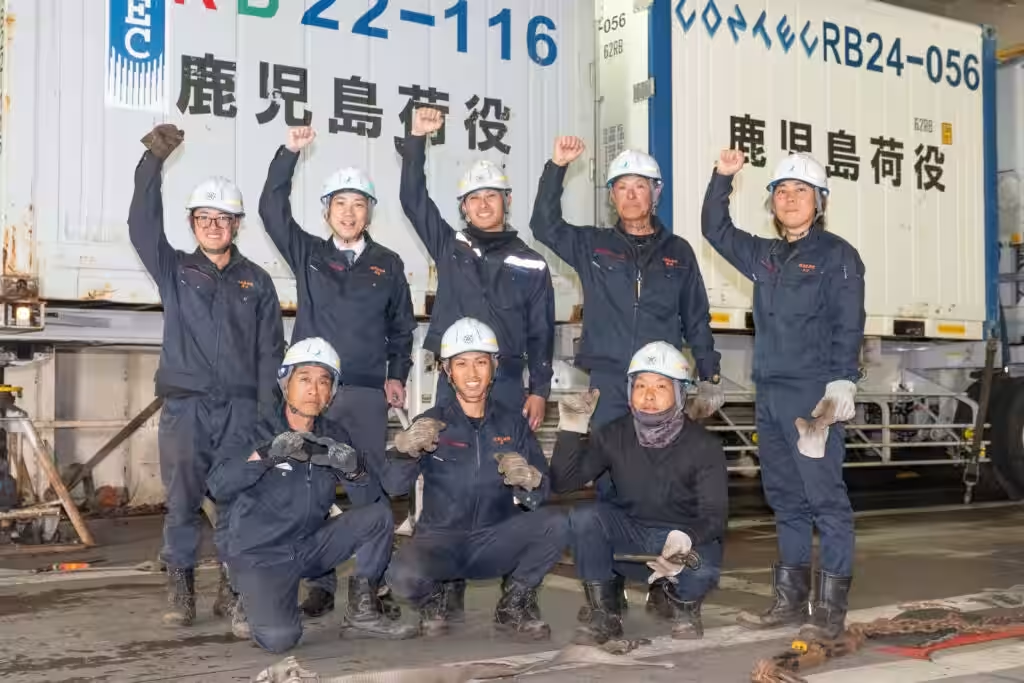
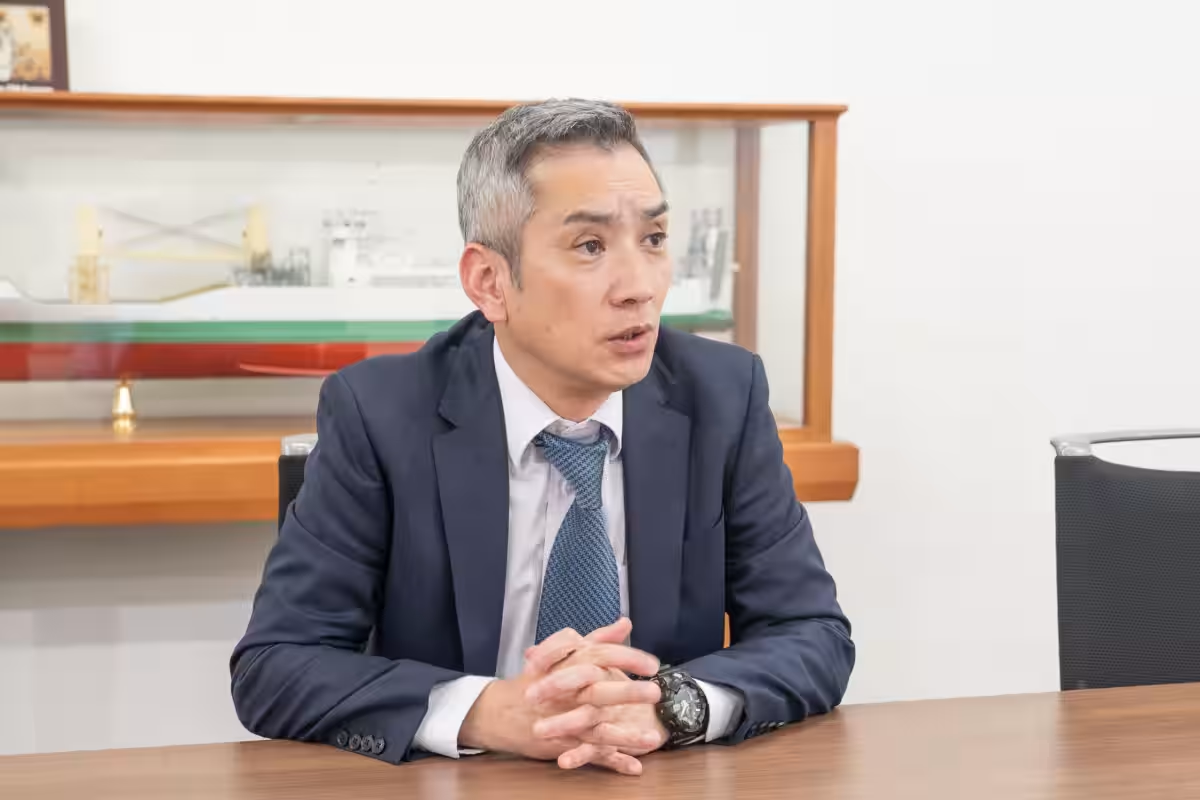
Kagoshima Stevedoring and Transport recognizes that despite its strong historical reputation, the company has struggled to connect with young job seekers. Traditional recruitment methods, such as major job posting platforms, often obscured their visibility amid larger competitors. Various awareness initiatives, including television advertisements, have yielded limited success. As Fukutome from the company's general affairs department expressed, "We have potential, but it hasn’t been communicated effectively to younger generations."
Transitioning to Direct Hiring through Social Media
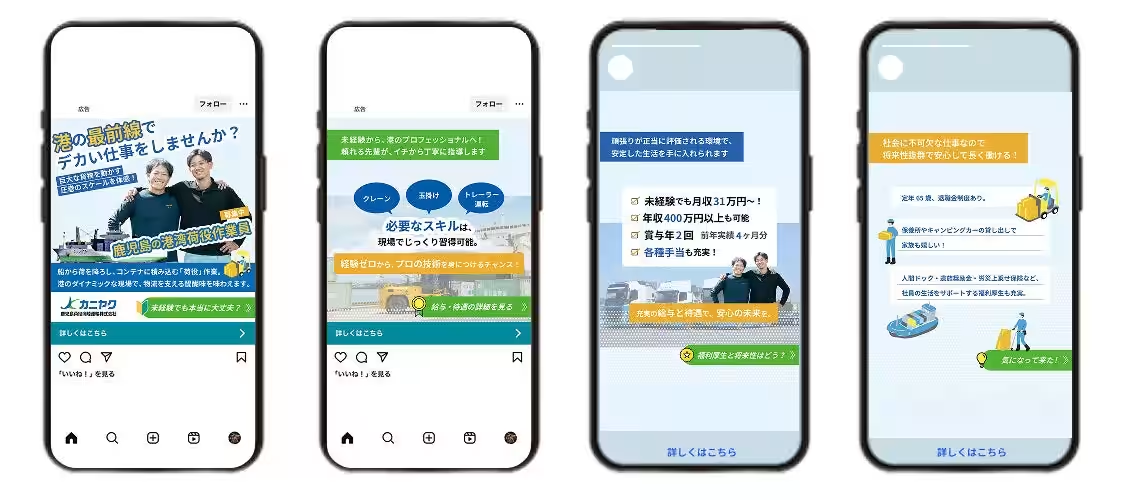
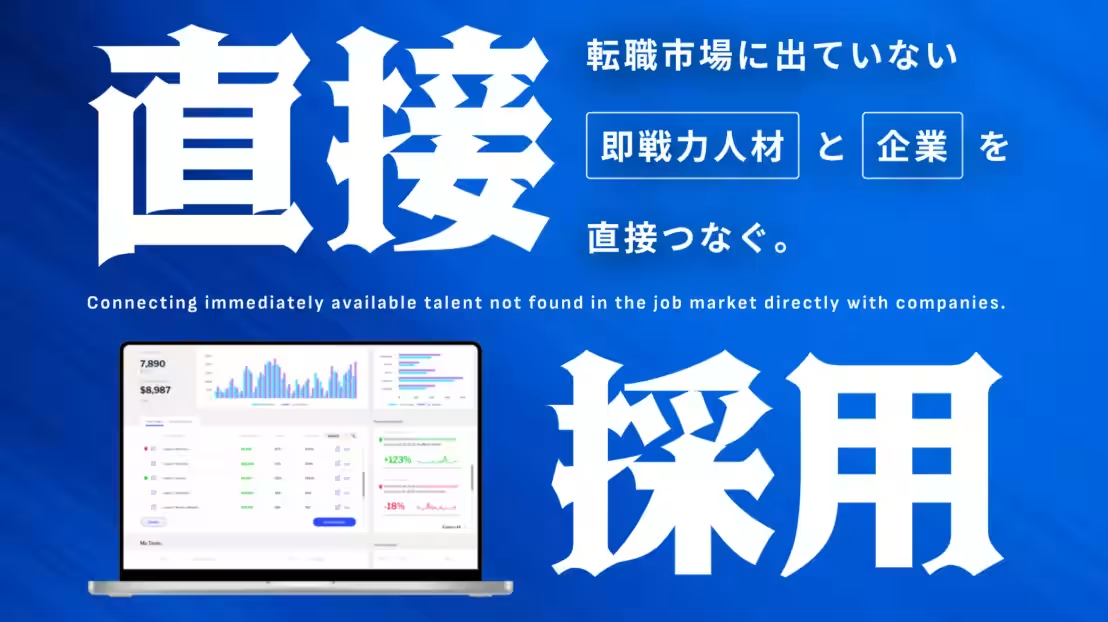
To address these challenges, the company transformed its approach to hiring by leveraging the direct recruitment platform, Chokusai, developed by Corekara Inc. This strategy focused on increasing brand recognition via social media along with a streamlined application process through their direct hiring website.
Through engaging social media content, the company highlighted its welcoming environment for inexperienced recruits, along with attractive employment benefits like support for acquiring qualifications and salary transparency. Fukutome noted, “We discussed the importance of promoting our attractive workplace culture, which had previously been underrepresented in major job listings. This visible branding has been a positive development for us.”
The company also optimized its hiring website to enhance applicant experience. They continuously improved the webpage layout to facilitate easy applications and held monthly review meetings to assess targeting and promotional strategies. Fukutome expressed his satisfaction with the data-driven support received, which included advice on applicant outreach and enhancing the site's navigation.
Quantitative Success
The results of their new strategy were remarkable, with the number of applicants through the recruitment site skyrocketing from just 2 to 24 annually—a twelve-fold increase. Ultimately, the company successfully hired four young individuals through direct application strategies.
Interestingly, three out of four new hires came across the job postings through social media, demonstrating the effectiveness of this approach in reaching the younger demographic. The proportion of port workers in their twenties and thirties also increased to nearly fifty percent, highlighting the company's success in attracting youthful talent.
Improved Applicant Mindset
The quality of applicants also showed a notable shift following the implementation of these strategies. Fukutome noted that the number of hopeful candidates eager to pursue upward mobility through qualification acquisition significantly rose. The new applicants expressed a positive mindset towards securing stability and better salaries for their families, reflecting the company’s enhanced appeal.
Conclusion
For corporations facing similar hiring challenges, the case of Kagoshima Stevedoring and Transport serves as a testament to the efficacy of embracing modern recruitment methods like social media and direct applications. The commitment to investing in effective hiring practices has yielded substantial returns, with industry representatives like Fukutome emphasizing the need to allocate resources towards recruitment efforts. This ongoing strategy not only ensures a steady influx of qualified candidates but also contributes to the long-term sustainability of the logistics industry.
For more detailed insights about their initiatives and outcomes, please refer to the full interview article on the Chokusai website.
About Kagoshima Stevedoring and Transport Co., Ltd.
Founded in 1957, this company manages a comprehensive range of logistics services, including harbor and inland transport, with facilities across multiple locations in Japan such as Osaka, Fukuoka, and Okinawa. They pride themselves on sustaining vital supply lines to remote islands and providing diverse cargo handling capabilities.
About Corekara Inc.
Headquartered in Shinjuku, Tokyo, Corekara Inc. specializes in developing and operating the direct recruitment tool, Chokusai, catering to various business needs in the ever-evolving labor market.

Topics Business Technology)

【About Using Articles】
You can freely use the title and article content by linking to the page where the article is posted.
※ Images cannot be used.
【About Links】
Links are free to use.