



Huawei Unveils Vision to Drive Transport into Intelligent Era with Innovative Solutions
Huawei's Vision for Intelligent Transport
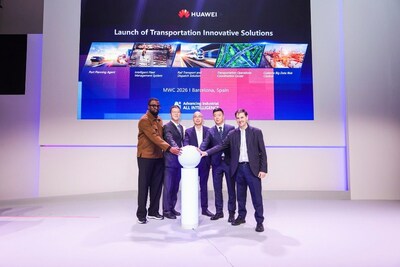
At the Mobile World Congress (MWC) Barcelona 2026, Huawei hosted a significant forum titled Accelerate Transportation Digital Intelligence. This gathering featured customers, partners, and industry experts coming together to discuss advancements in smart transportation. As part of its commitment to a more efficient and integrated future, Huawei presented five innovative solutions designed to enhance mobility and logistics within a smarter world.
Commitment to Collaboration
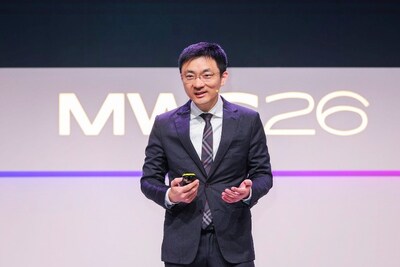
David Shi, Vice President of ICT Marketing and Solution Sales at Huawei, expressed the company's dedication to openness, collaboration, and shared success. He stated, “Huawei is committed to building a solid digital and intelligent foundation with our customers and partners, connecting flows of passengers, goods, business, revenue, and information.” Huawei's strategy aims to integrate artificial intelligence (AI) across various transportation sectors—including rail, road, logistics, air travel, and seaports—to enhance safety and efficiency.
Advancements in the Aviation Sector
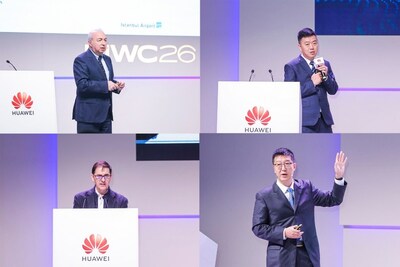
Among the noteworthy guests was PhD. Reha Çetin, Chief Information Officer of Istanbul Airport, who emphasized the airport's ongoing digital transformation towards Airport 5.0, supported by cutting-edge digital technologies and Huawei's expertise. The drive for advanced airport experiences continues to reshape air travel journeys for millions.
Innovations in Rail Transportation
Zaiming Ren, Deputy General Manager of CRSC International, discussed how the Future Railway Mobile Communication System (FRMCS) enhances train control efficiency. This system improves railway transportation capacity while reducing lifecycle costs, contributing to safer and more efficient railway systems for the future.
Leveraging AI in Transport
Carlos López Gutiérrez, Head of Transportation Business Unit at SICE, highlighted the collaboration with Huawei in employing AI and edge computing to explore and support various transportation scenarios. This approach is intended to significantly enhance connectivity and reliability across transportation infrastructure.
The Role of Ports
Yang Rong, Chief Engineer at Tianjin Port Group, pointed out how ports stabilize economic cycles and supply chain continuity. Tianjin Port has prioritized the integration of ICT technologies, such as 5G and AI, into its operations, achieving digital management of all port elements while implementing intelligent horizontal transport systems.
Revolutionary Solutions Introduced
Dr. Rachad Nassar, Director of Global Business and Strategic Partners in Huawei's Intelligent Transportation Business Unit, shared that the company has established a comprehensive digital foundation for the global transportation industry. By deploying an integrated architecture of intelligent detection, connectivity, digital platforms, and applications, Huawei collaborates with ecosystem partners to introduce five specialized solutions across four key scenarios:
- - Road Transport: Huawei unveiled the Transport Operations Coordination Center (TOCC) based on Intelligent Transportation Systems (ITS) to enhance efficiency in various scenarios, including integrated transport monitoring and multimodal logistics support.
- - Rail: The Next Generation Carrier Network for Railway Operation and Dispatch solution offers high reliability and low latency, ensuring the secure, reliable transport of operational communication services and advancing the railway industry toward digitization and intelligence.
- - Customs: A big data risk control solution was introduced in collaboration with partners, aiming to streamline data integration from diverse sources to respond to risks effectively, improving oversight accuracy and dispatch efficiency for customs authorities.
- - Ports: The first comprehensive industrial scheduling agent using Chain of Thought (CoT) technology was launched, coordinating all port operational processes, resulting in a dramatic reduction of planning time and ensuring precise coordination of operations.
Trailblazing Connectivity Solutions
Huawei and Surge also announced the successful commercial rollout of the world’s first 1.4 GHz 5G Fixed Wireless Access (FWA) network for railways, marking a paradigm shift in railway connectivity. This initiative aims to provide next-generation communication networks along Indonesian railways.
Conclusion: A Smart Future Ahead
Huawei's comprehensive service since its inception has included over 100 ports, more than 210 airports and airlines, and over 300 urban railway lines, significantly contributing to the digitization of transport globally. Looking ahead, Huawei is committed to a platform + ecosystem strategy, focusing on the development of transportation hubs, networks, and intelligent systems to pave the way for a fully integrated and intelligent transport and logistics framework. The company's ambition to drive mobility and logistics towards a smarter future is clear.
Topics Other)
【About Using Articles】
You can freely use the title and article content by linking to the page where the article is posted.
※ Images cannot be used.
【About Links】
Links are free to use.