



How Young Professionals View Health Investments in the Workplace
The Importance of Health Investments for Young Professionals
In today's competitive work environment, the health and well-being of employees are taking center stage, especially among younger professionals who are eager to thrive in their careers. The PMG Group has recently launched a revolutionary health management initiative, introducing the 'Kencho Navi.' This microbial testing and analysis service aims to help employees identify potential health risks before they escalate, underscoring the importance of health investments in the workplace.
A Shift in Focus: Health as an Asset
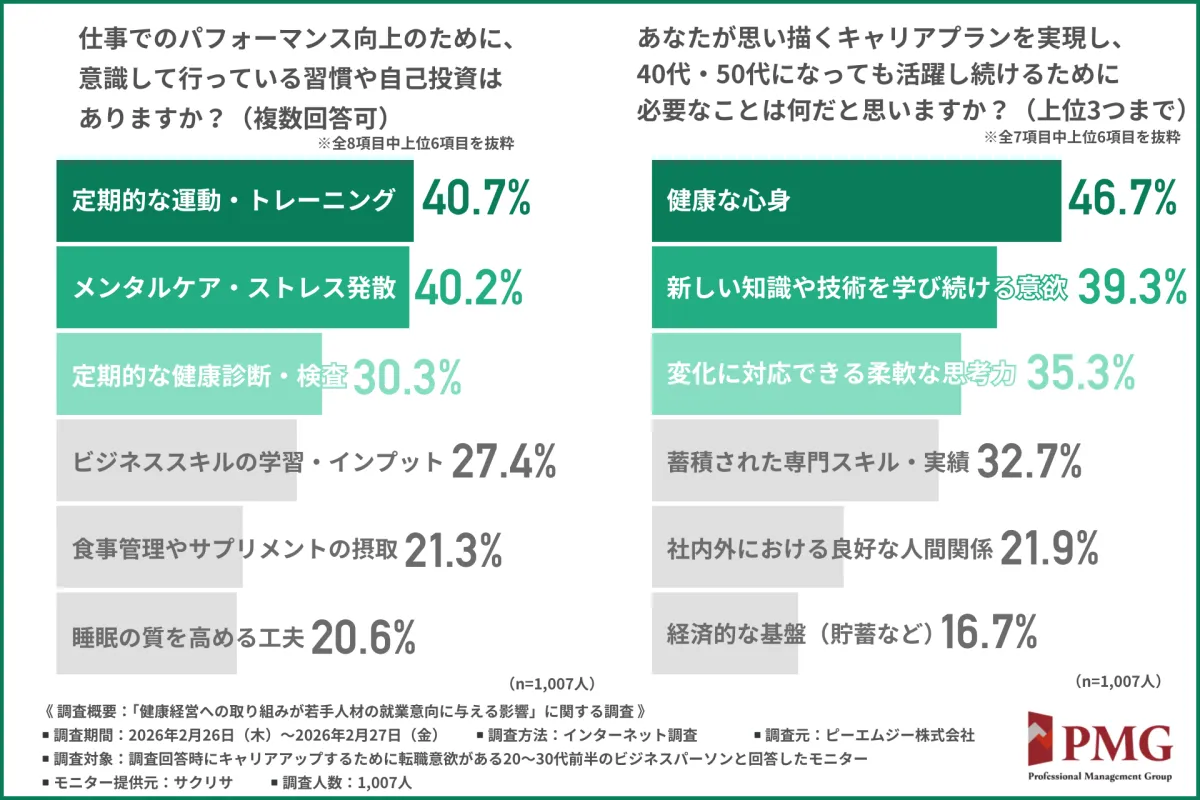
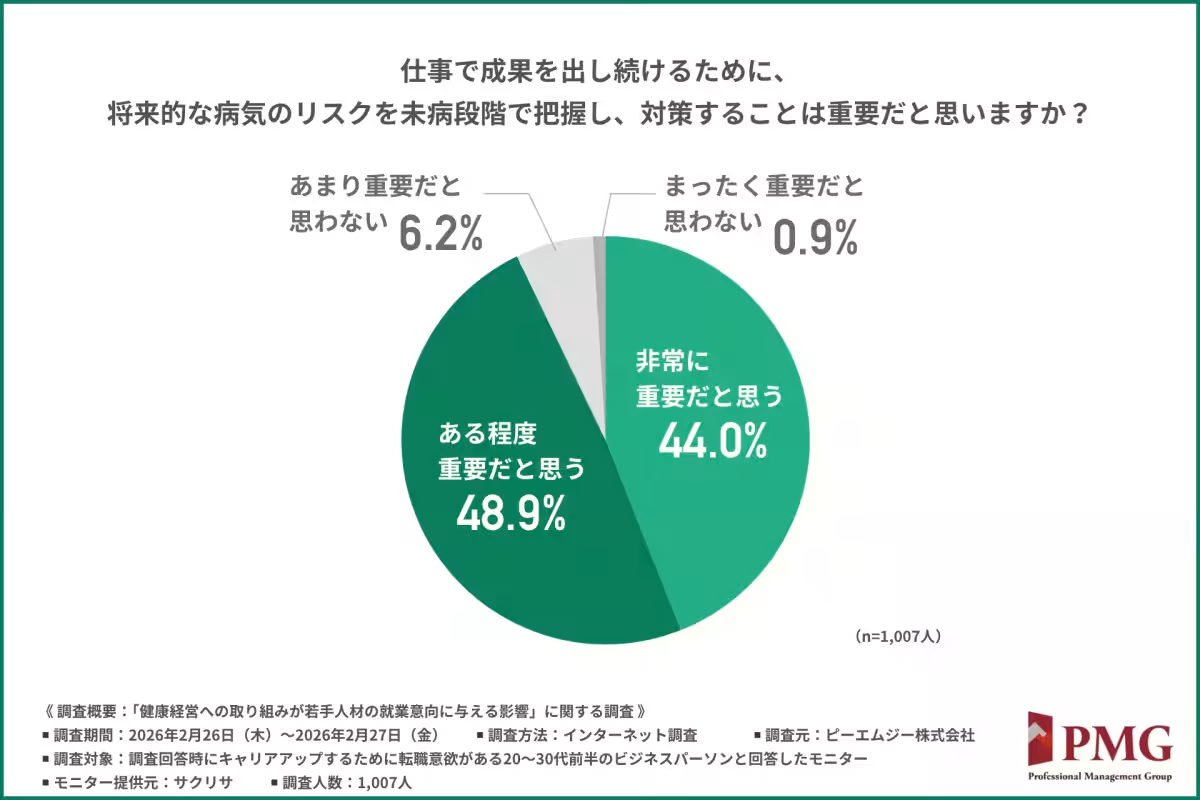
Recent studies indicate that young talent is increasingly acknowledging health not just as a personal concern, but as a vital asset for career success. A study conducted by PMG reveals that 91% of young professionals consider recognizing and addressing health risks crucial for maintaining their performance at work. The survey, which garnered responses from over a thousand businesspeople aged between 20 and the early 30s, sought to understand how health impacts their career aspirations and company choices.
Key Findings from the Survey:
1. Health Awareness: A staggering 46.7% of respondents viewed maintaining a healthy mind and body as crucial for their long-term career success. This awareness stems from the realization that the very foundation of sustained performance lies in good health.
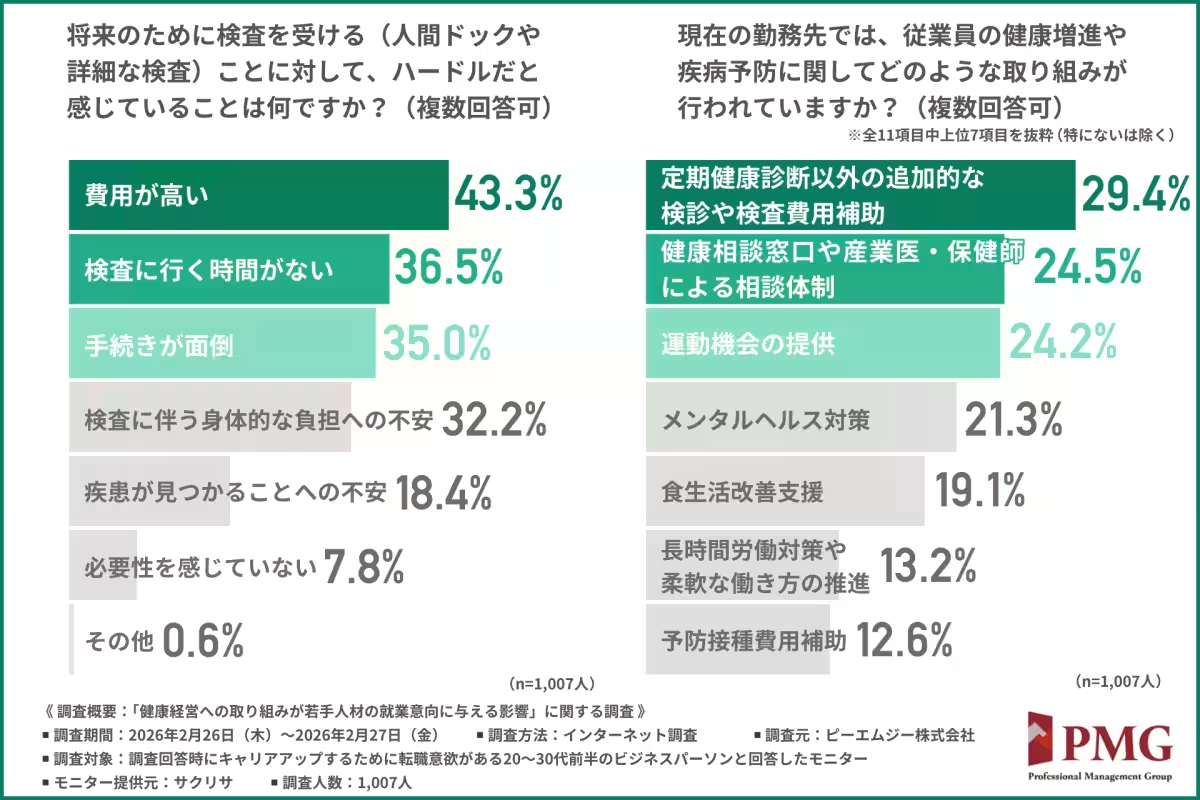
2. Challenges in Seeking Health Tests: Despite the recognition of the importance of preventative health measures, many still face barriers such as high costs (43.3%) and time constraints (36.5%). These obstacles often result in delayed or avoided health measures, leaving young employees vulnerable.
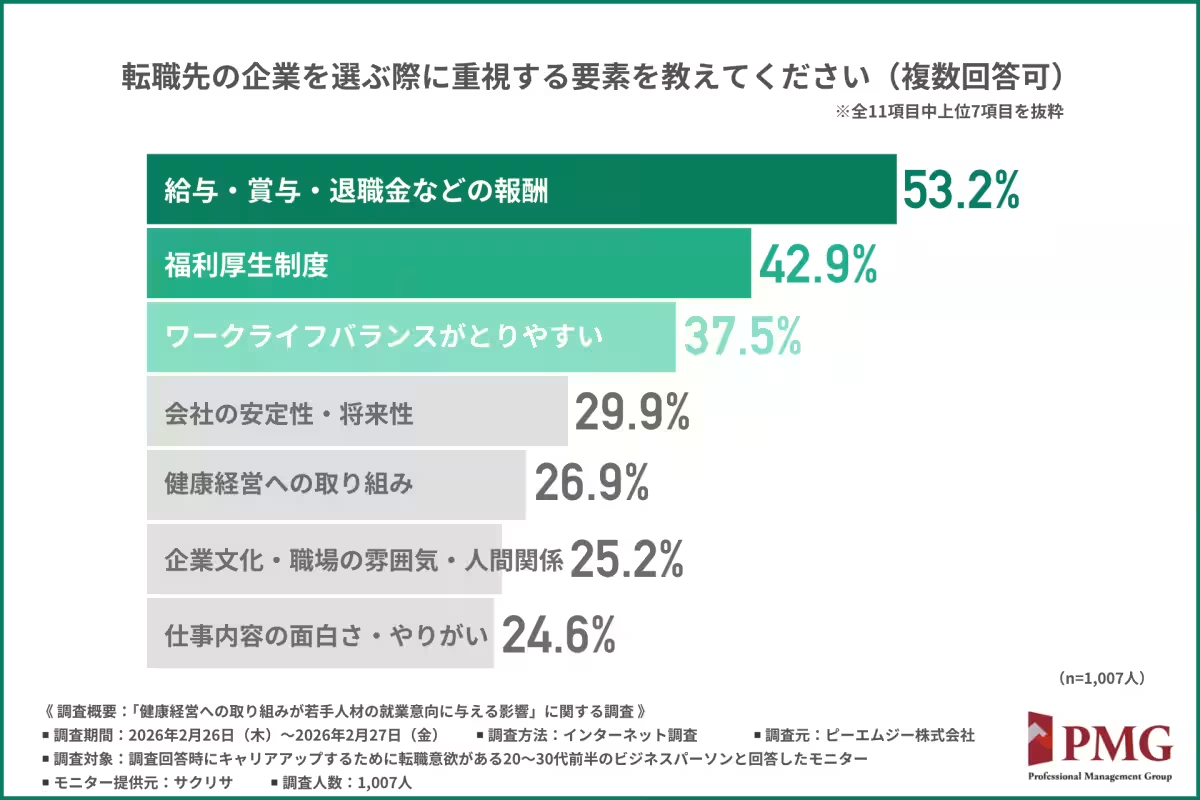
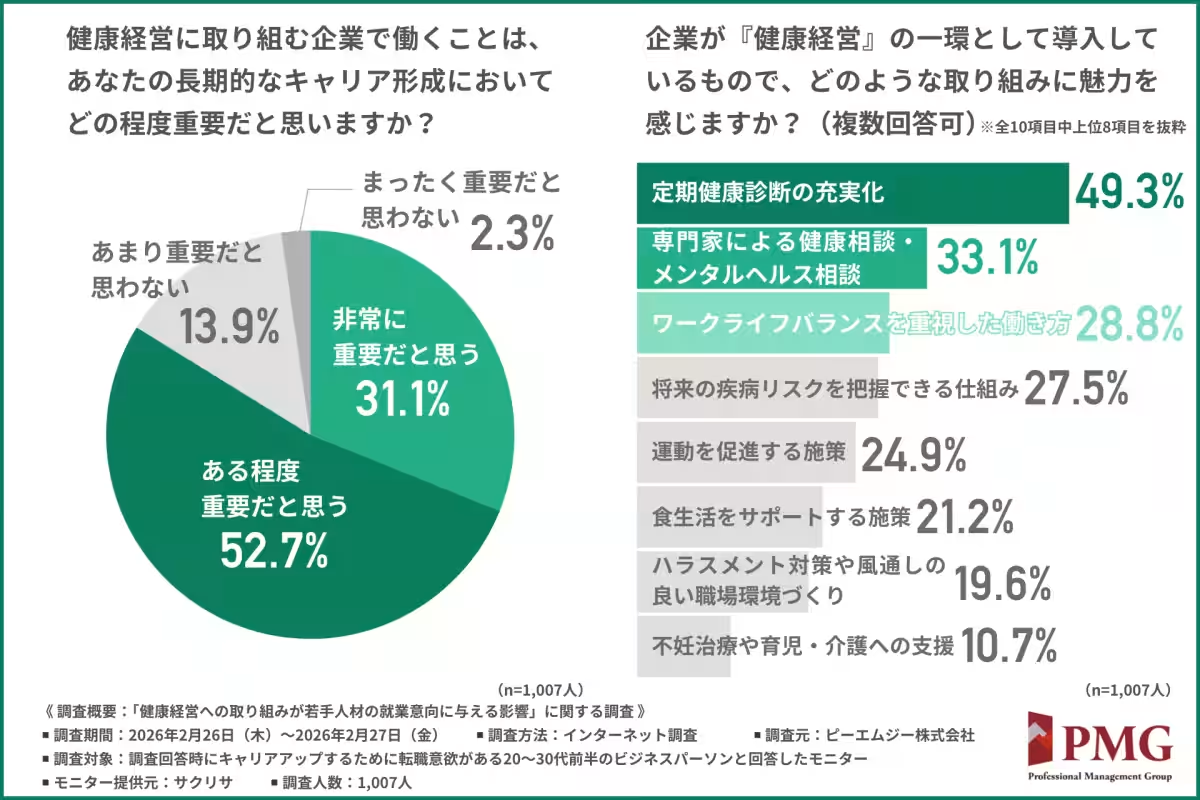
3. Expectation for Employer Support: When evaluating potential employers, health investments play a significant role. About 30% of respondents indicated that a company's commitment to health management informs their choice of employer, signifying a shift towards organizations that actively support employee well-being.
The Role of Companies in Promoting Health
Given that health management is becoming a pivotal aspect of corporate culture, companies are called upon to implement supportive measures. PMG's introduction of the 'Kencho Navi' service signifies a proactive approach to employee health. This service enables simple, at-home testing, allowing employees to assess their health without sacrificing time or incurring high costs.
Understanding 'Kencho Navi'
Kencho Navi, developed by Symbiosis Solutions, utilizes patented technology to provide insights into gut health, highlighting potential health risks associated with diseases. Features include:
- - Easy Sample Collection: Employees can collect samples easily without visiting a clinic.
- - Risk Assessment: Participants receive reports on various health risks tailored for their demographic.
- - Personalized Recommendations: The service suggests dietary adjustments to mitigate identified risks, facilitating health improvement over time.
Shaping Corporate Culture Through Health Investments
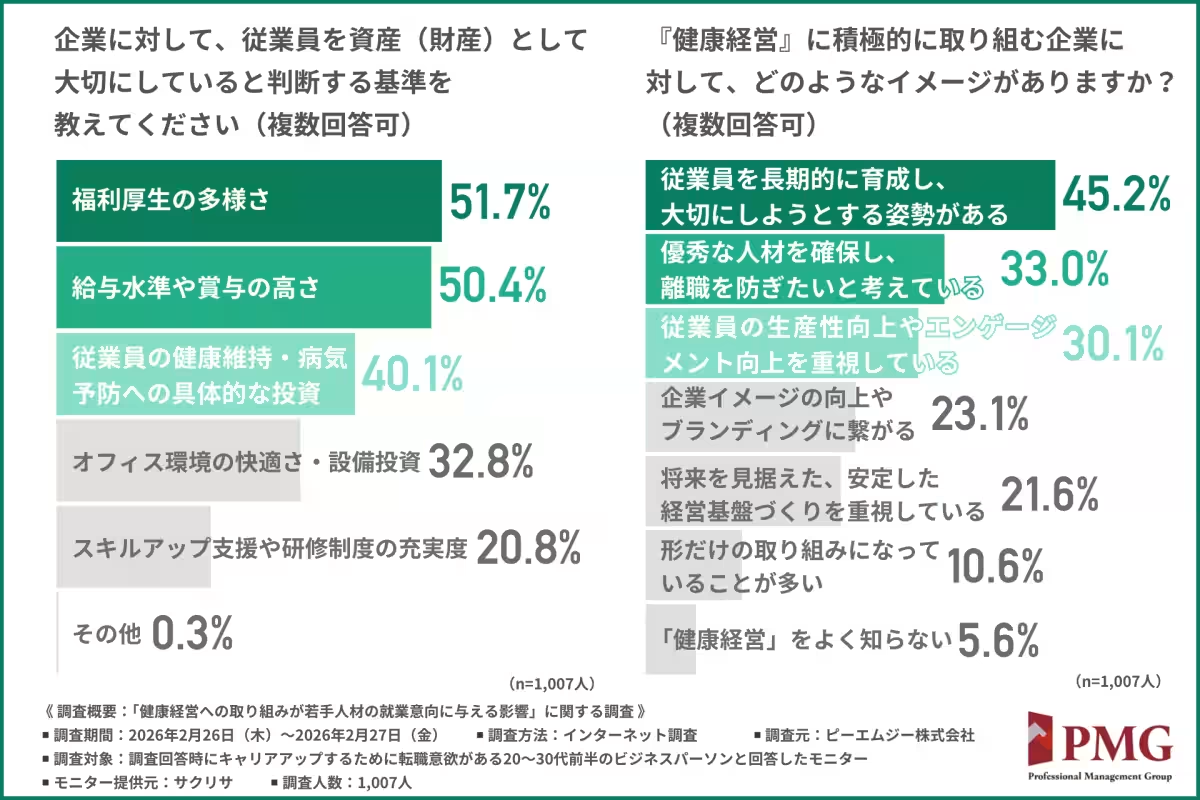
As young professionals increasingly prioritize health in their career considerations, companies that promote a culture of health and well-being are likely to attract and retain top talent. A significant 51.7% of survey respondents identified a diverse array of wellness benefits as a key indicator of a company's commitment to employee value.
Conclusion: Investing in Employee Health as a Strategic Imperative
The findings highlight that investments in employee health are not merely an HR responsibility but a strategic approach that can enhance long-term organizational sustainability. Companies must show genuine commitment by dismantling barriers to health interventions, ensuring that employees can prioritize their health without financial strain or time constraints. The future of talent acquisition will rest on an organization's ability to support the holistic well-being of its workforce, making health management essential for business success. As the PMG Group demonstrates through its innovative initiatives like Kencho Navi, health investments are key to fostering a thriving workplace culture, wherein employees feel valued and empowered to succeed.
Topics Health)

【About Using Articles】
You can freely use the title and article content by linking to the page where the article is posted.
※ Images cannot be used.
【About Links】
Links are free to use.