



Understanding Melasma Treatment: Dispelling Myths About Laser Therapy
Understanding Melasma Treatment: Dispelling Myths About Laser Therapy
Recent research conducted by the I.C. Clinic has uncovered a significant gap in public knowledge regarding melasma treatment, specifically concerning the effectiveness of laser therapy. Contrary to the common belief that just one session is enough to eliminate skin discoloration, findings suggest that the reality is quite different.
Key Findings of the Survey
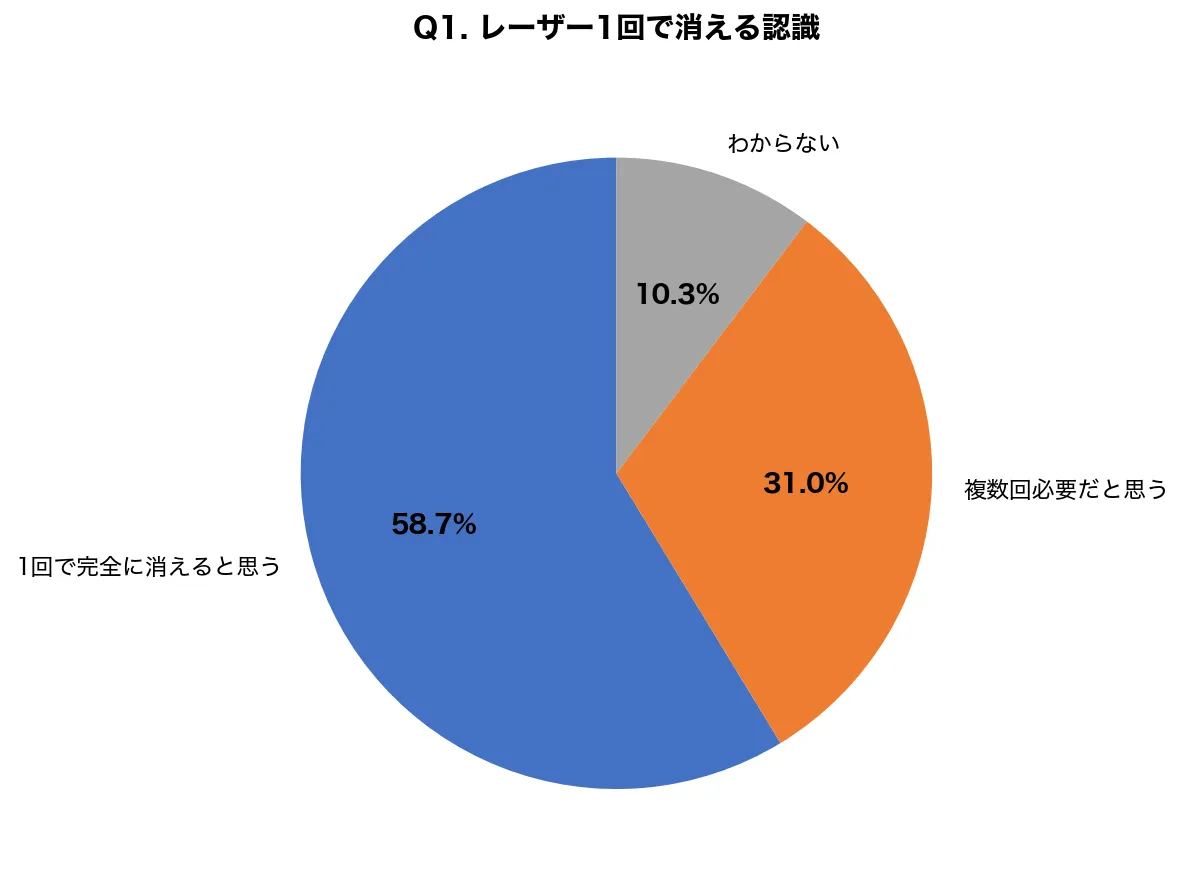
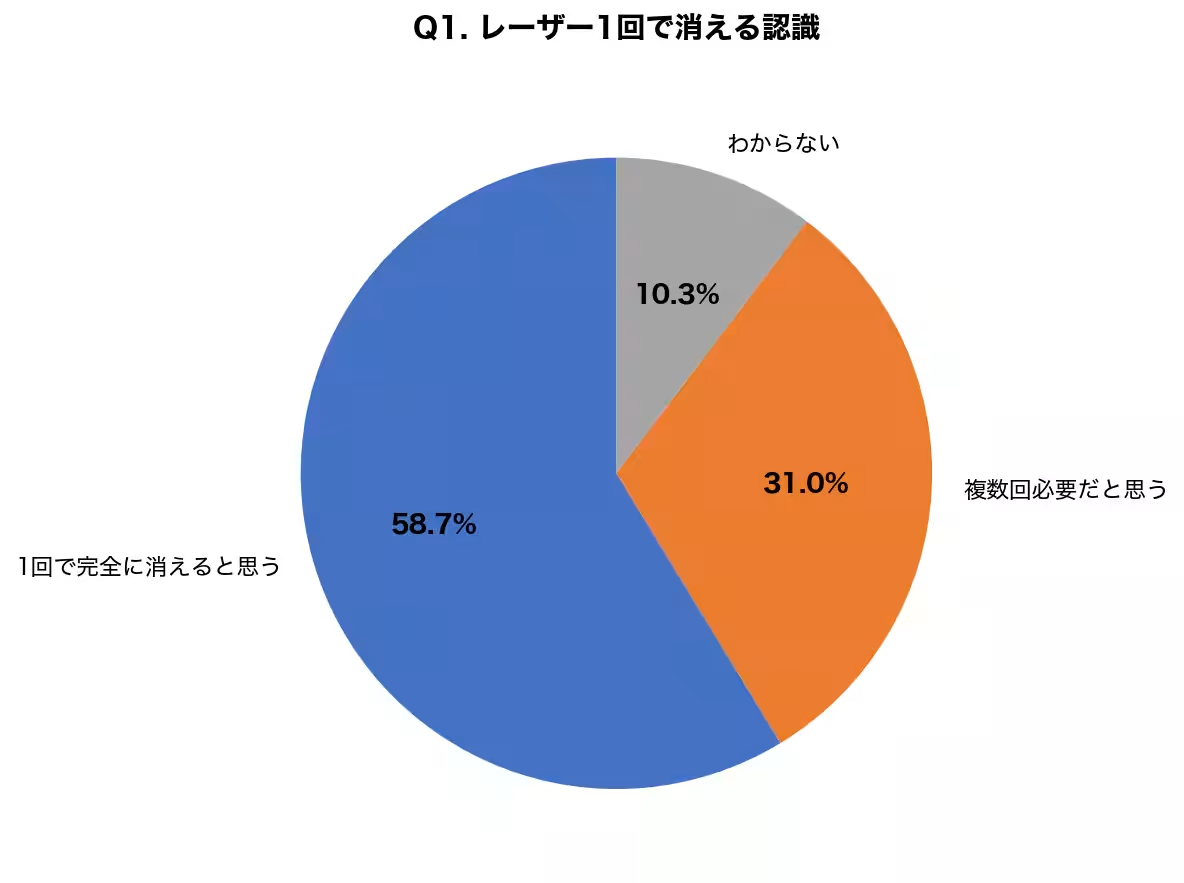
- - Approximately 58.7% of participants believe that laser treatment will remove melasma in a single session.
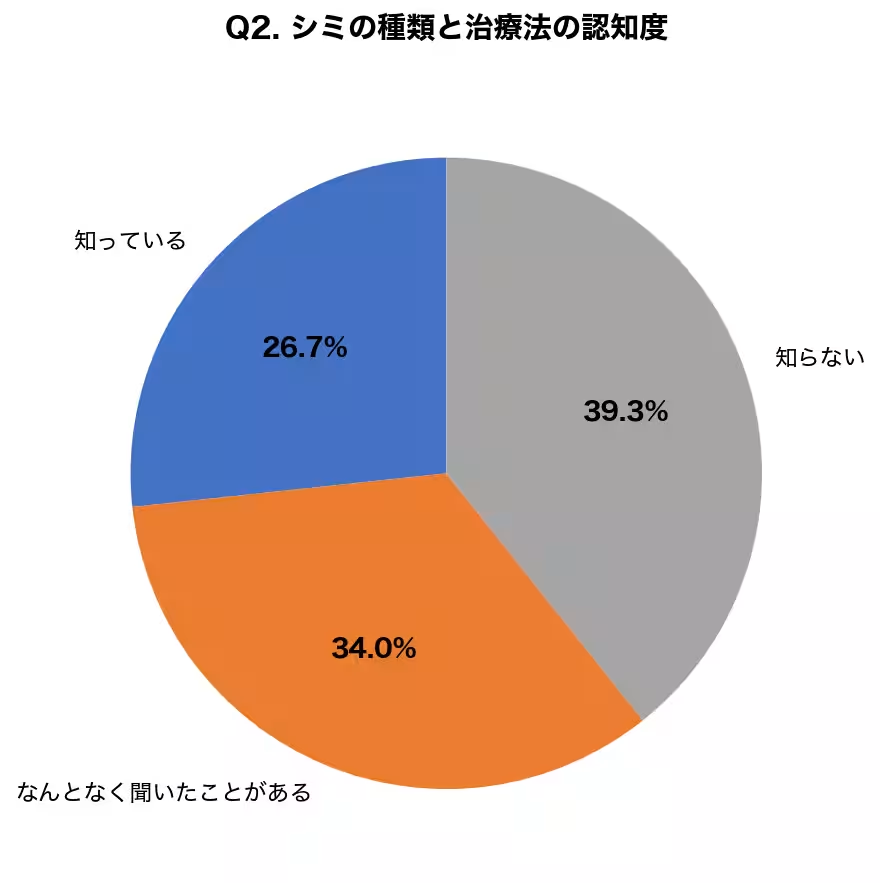
- - A staggering 73.3% of the respondents were unaware that different types of blemishes require varying treatment methods.
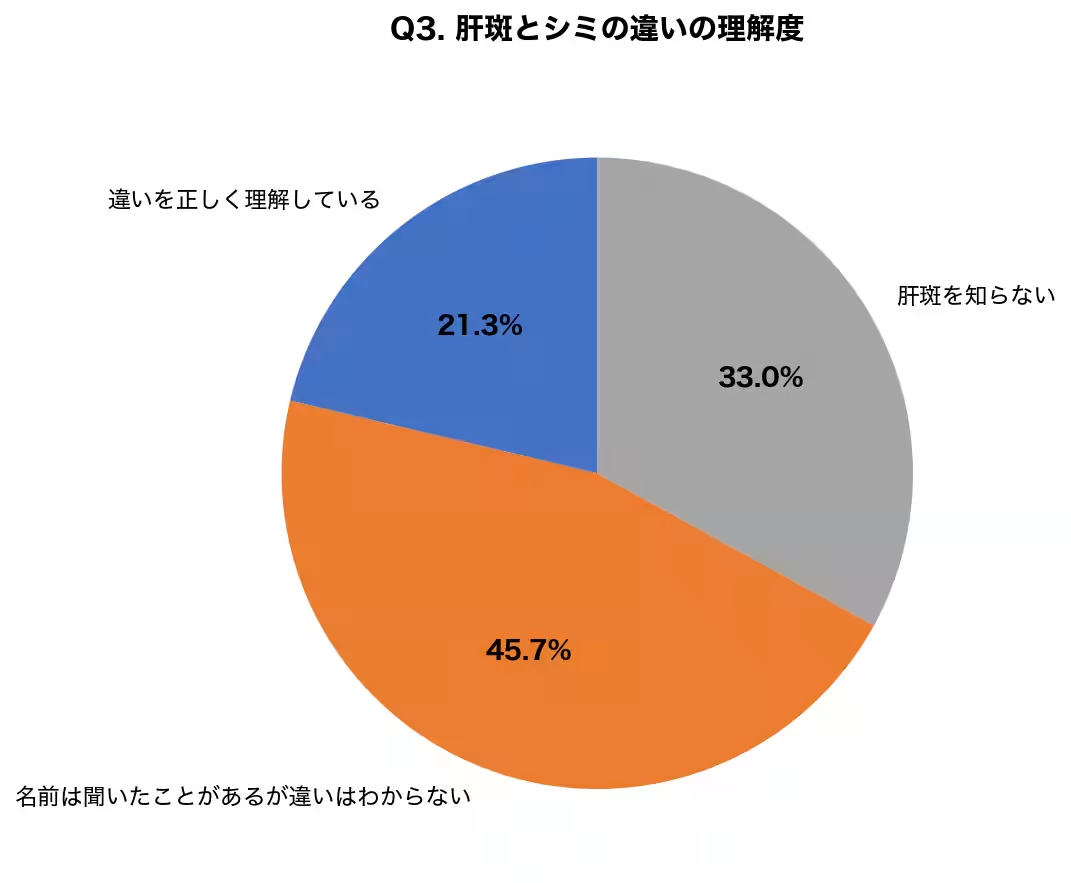
- - Only 21.3% had a correct understanding of the distinctions between melasma and other types of skin discolorations.
What Are Melasma and Age Spots?
Age spots, also known as liver spots or solar lentigines, are darkened patches that typically occur on sun-exposed areas of the skin, such as the face and hands. They result from cumulative sun exposure and typically require 1-3 sessions of treatment with Q-switch lasers or pico lasers for satisfactory results. On the other hand, melasma appears as light brown patches, most commonly on the cheeks and forehead, typically affecting women in their 30s and 40s. It can be triggered by hormonal changes and friction. Standard laser treatment can sometimes worsen melasma, necessitating a more specialized approach such as laser toning, which requires 5-10 sessions to achieve desired results.
Discrepancies in Awareness
The misconceptions surrounding laser treatment for melasma stem from a lack of understanding about the condition itself. The survey highlighted that many individuals are not informed about the different types of blemishes or the unique treatment paths they require. For example, while age spots may be treated effectively with a lower number of laser sessions, melasma usually demands ongoing treatment.
Cost and Recovery Time
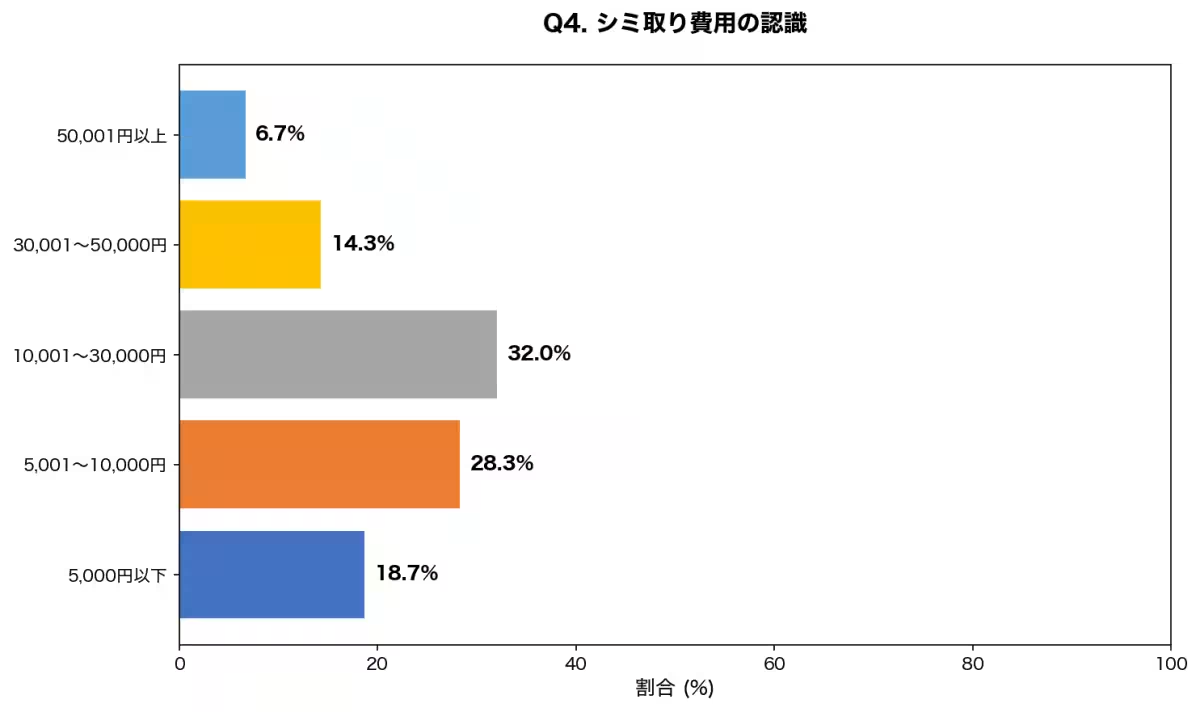
Another area of confusion is the financial aspect of treatment. While many respondents estimated the cost of treatment to be below 10,000 yen, actual costs range from 5,000 to 30,000 yen per session based on the type and extent of the discoloration.
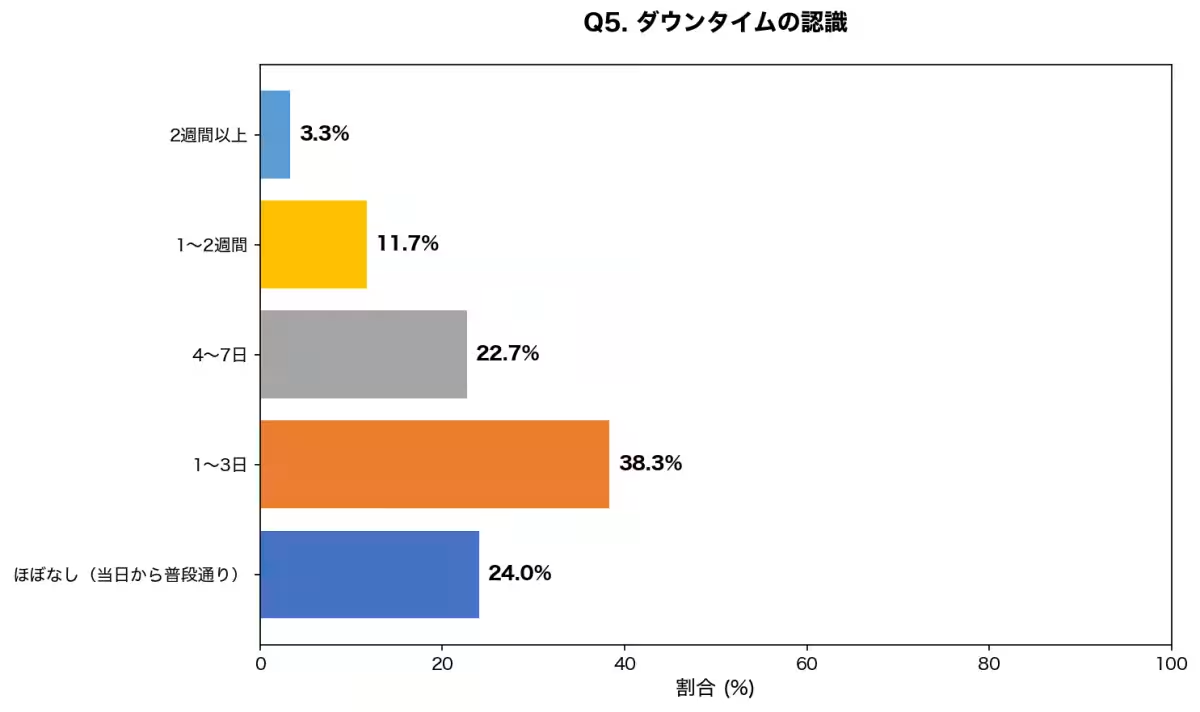
Furthermore, recovery time after treatment often tends to be underestimated; while some expect downtime to be minimal, treatments for age spots can involve 7-14 days of recovery.
Treatment Comparison Chart
| Treatment Type | Required Sessions | Estimated Cost (per session) | Downtime Duration |
|---|---|---|---|
| ------ | ---- | ------ | ----- |
| Age Spots | 1-3 | 5,000-30,000 yen | 7-14 days |
| Melasma | 5-10 | 8,000-20,000 yen | Minimal to none |
| Freckles | 3-5 | 15,000-40,000 yen | 3-7 days |
Importance of Accurate Diagnosis
Dr. Kouta Takakuwa, a dermatologist with over 15 years of clinical experience, emphasizes that an accurate diagnosis is crucial for appropriate treatment. Misdiagnosis can lead to mismatched treatments and potentially worsened skin conditions. This underscores the need for each patient to undergo a detailed evaluation of their skin type and discoloration prior to committing to any treatment plan.
Conclusion
The findings of this survey underscore the importance of education and awareness around melasma and its treatment. With such a large percentage of individuals misinformed about the nature of laser treatments, it is essential that healthcare providers take the initiative to disseminate accurate information. This includes clear explanations of treatment expectations, costs, and necessary recovery time, helping patients to make informed decisions about their skin health. As the demand for skincare treatments continues to grow, increasing public knowledge will lead to better outcomes and satisfaction with aesthetic procedures. By consulting with experienced dermatologists and staying informed about the specifics of their condition, patients can make more educated choices towards their skin care treatments.
Topics Health)



【About Using Articles】
You can freely use the title and article content by linking to the page where the article is posted.
※ Images cannot be used.
【About Links】
Links are free to use.