




2026 Survey Reveals Disturbing Trends in Sleep Quality Among Japanese Workers
Introduction
In 2026, Brain Sleep Inc. published the latest results of their comprehensive survey on sleep quality, known as the "Sleep Deviation Value®". This extensive study surveyed a sample of 10,000 working individuals across Japan, aiming to understand their sleep habits, productivity, and stress levels. As we enter the seventh year of this ongoing research, the findings highlight significant concerns regarding the state of sleep in Japan.
Key Findings of the 2026 Sleep Survey
The study provides insight into several key areas regarding the sleep of Japanese workers, particularly in light of societal changes over recent years. Here are the primary findings:
1. Decline in Average Sleep Duration
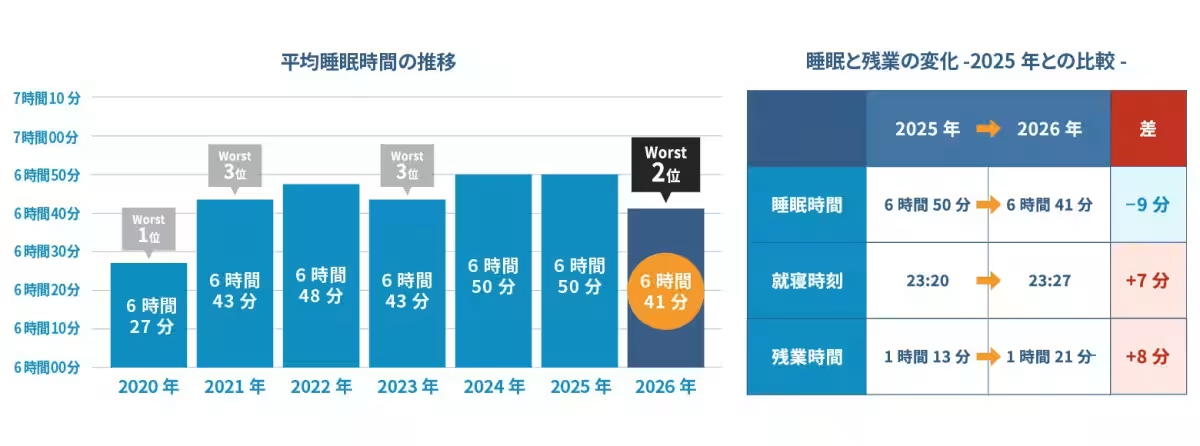
The average sleep duration among the surveyed individuals was recorded at just 6 hours and 41 minutes, marking a significant drop compared to previous years. This is alarmingly below the threshold of healthy sleep as recommended by health experts, which is 8 hours. While there was a slight improvement in sleep duration immediately following the pandemic, the current data indicates a reversal in this trend.
Statistical Analysis
The study employed one-way ANOVA to analyze the data, confirming significant differences (p<0.01) across various periods. Notably, the late bedtime and increased overtime hours emerged as critical factors contributing to reduced sleep duration. The push for a return to office work following the pandemic appears to negatively impact the work-life balance, increasing commute times and work hours, resulting in diminished sleep quality.
2. Unique Sleep Patterns in Young Adults
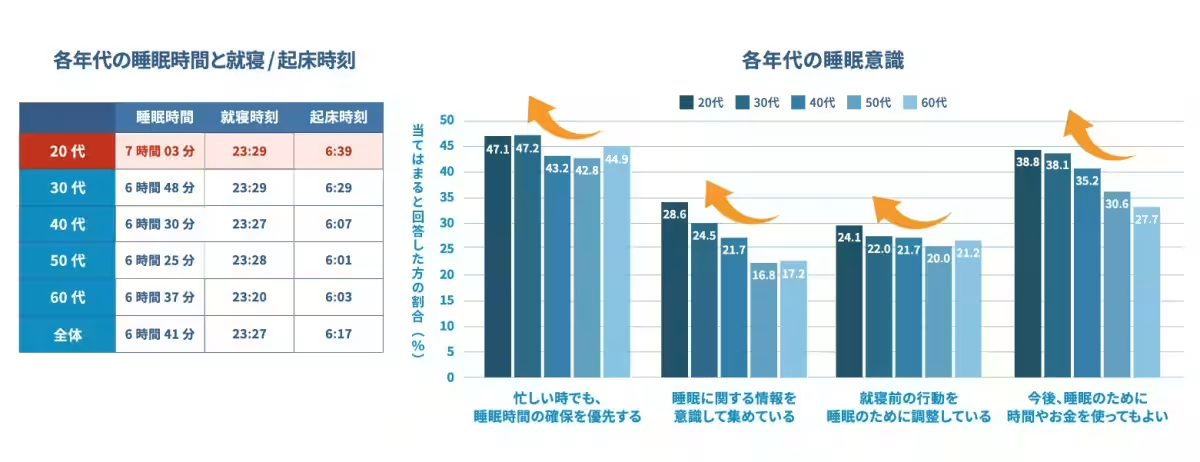
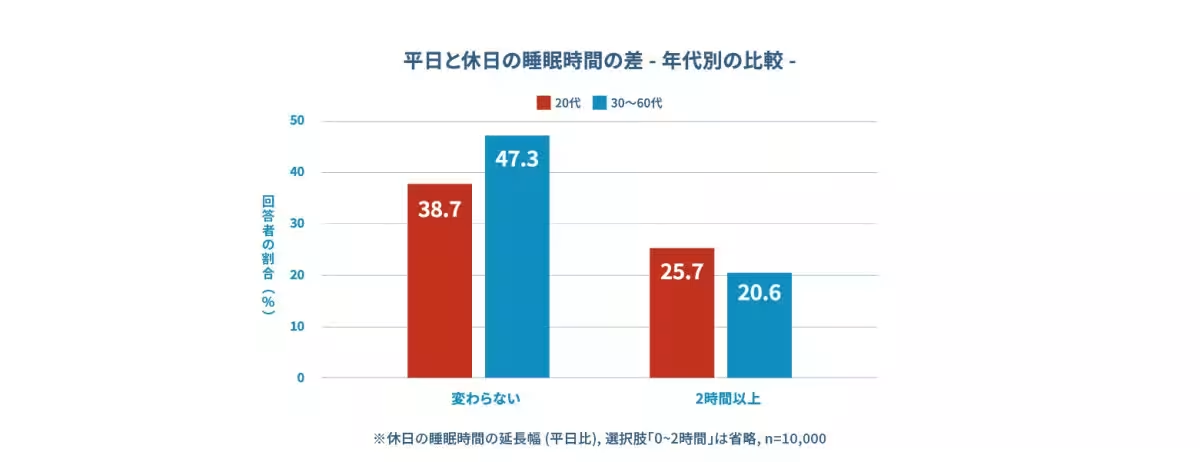
Interestingly, the survey found that individuals in their 20s exhibited the highest average sleep duration, exceeding 7 hours. This demographic is characterized as the "sleep achievers," prioritizing sleep amidst busy schedules and actively seeking information about sleep health. Despite this, their sleep pattern often involves compensatory sleep on weekends, indicating an unstable rhythm throughout their week.
Behavioral Insights
Analysis revealed significant differences in sleep awareness between age groups. Those in their 20s not only secured more sleep but also showed a greater tendency to adapt their evening routines for better sleep outcomes. Thus, while they are more informed and dedicated to sleep management, reliance on weekend sleep to counterbalance weekday deficits points to a need for more consistent sleep habits.
3. Prevalence of Fatigue and Sleep Solutions
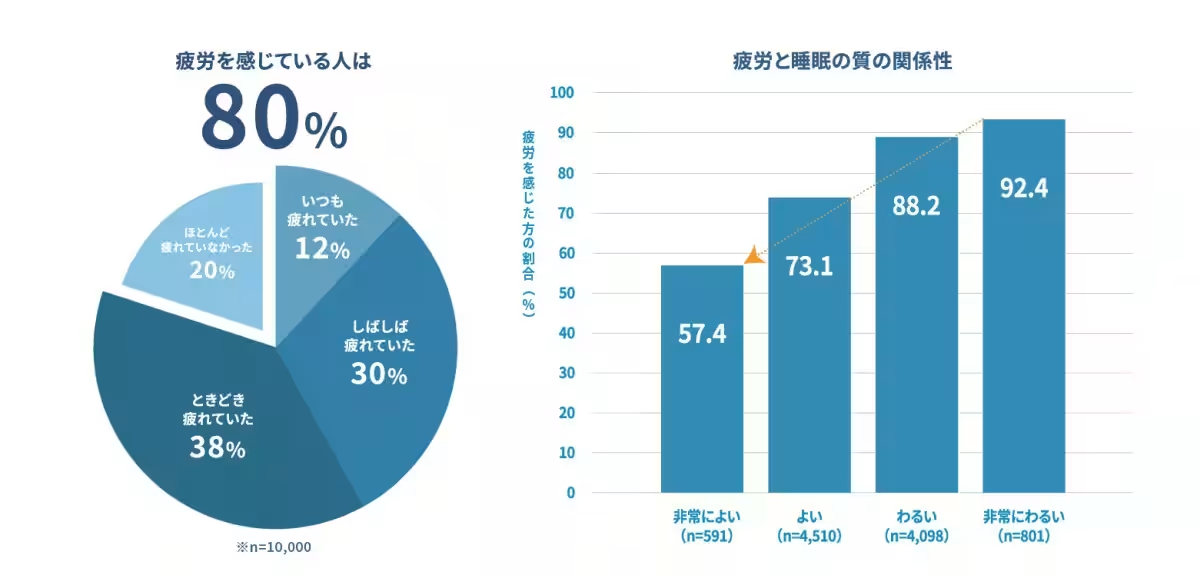
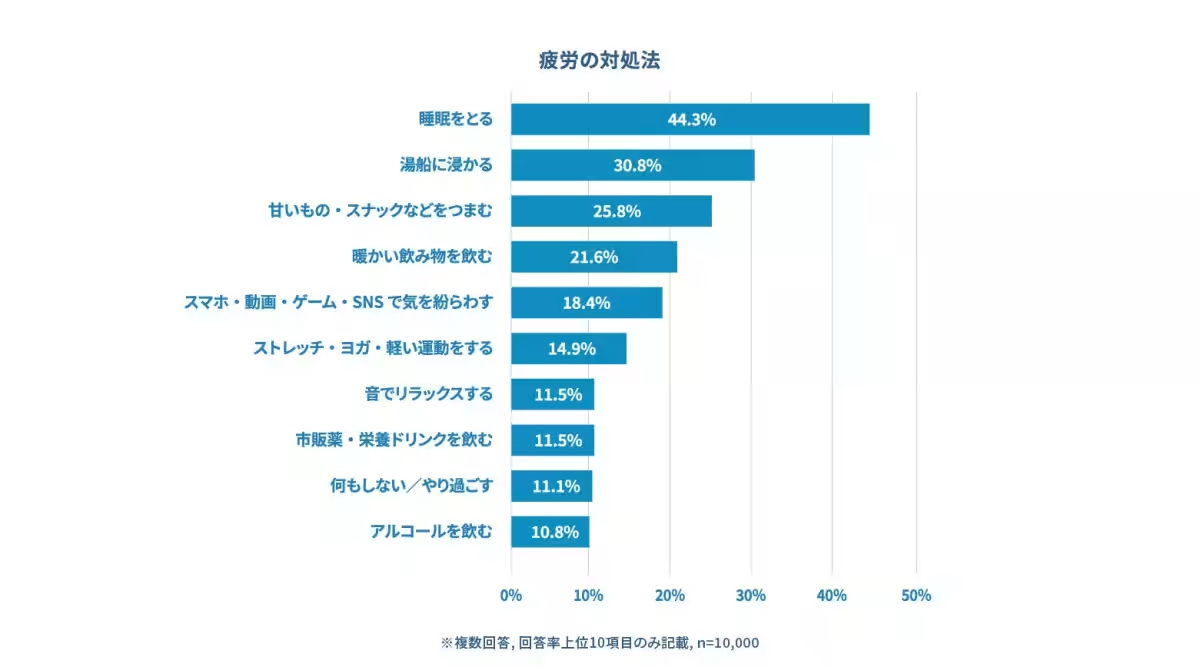
Approximately 80% of respondents reported regular feelings of fatigue, with sleep being the top strategy identified for addressing this issue. The results indicated a strong correlation between sleep quality and levels of fatigue, reinforcing the importance of both adequate quantity and quality of sleep in minimizing tiredness.
Recommendations for Improvement
Encouragingly, many individuals selected sleep as their primary means of regaining energy, underscoring sleep's pivotal role in overall well-being. The data makes it clear that higher quality sleep contributes significantly to reducing fatigue.
4. The Relationship Between Sleep and Daily Performance
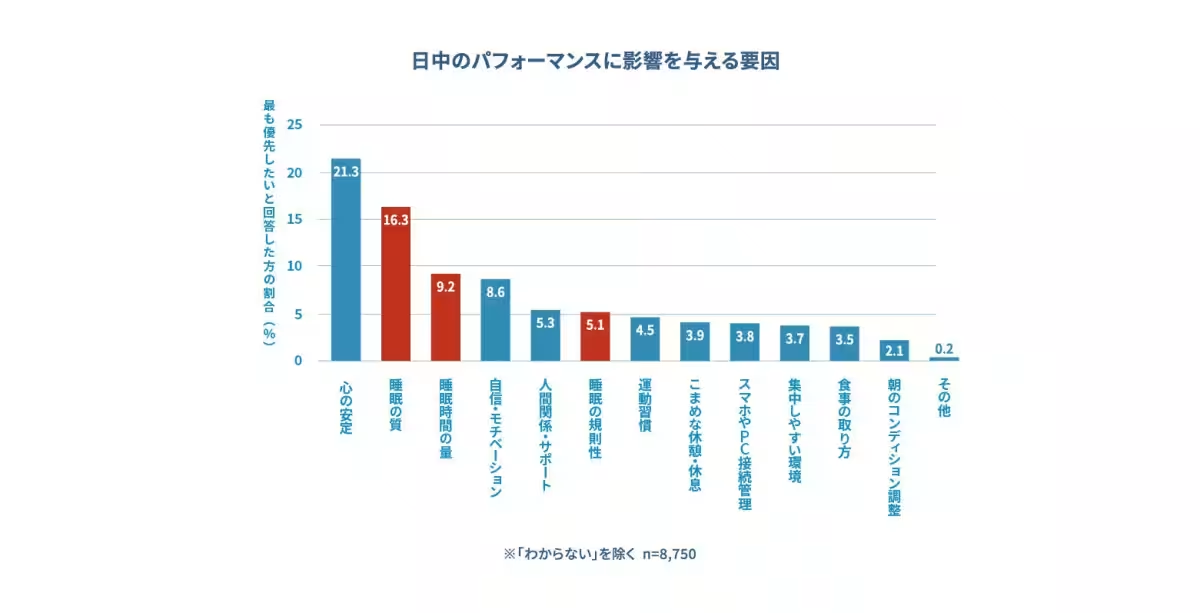
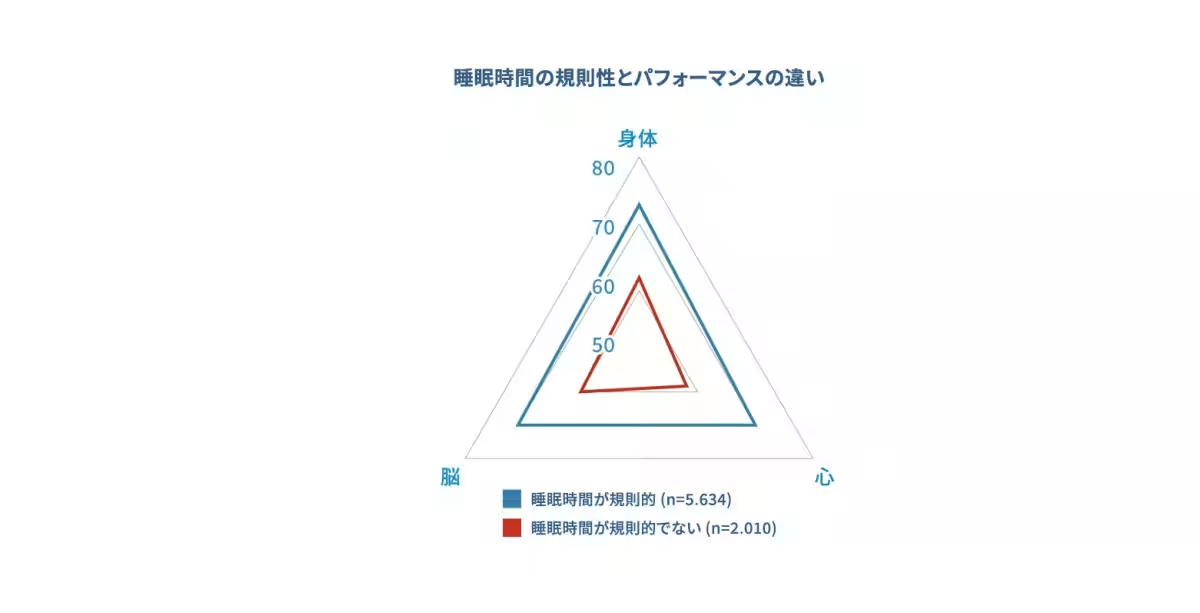
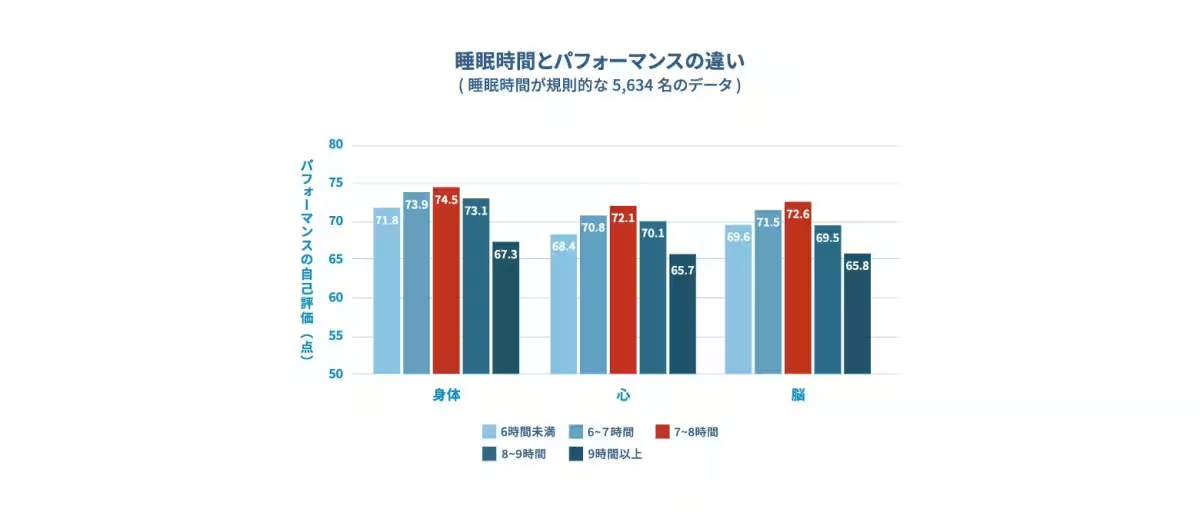
Analyses revealed that sleep, including its duration, quality, and regularity, correlated strongly with daytime performance. Combined, these factors accounted for a substantial portion of productivity variance among different respondents, further emphasizing the critical role of sleep in enhancing mental and physical well-being.
Summary of Findings
It was evident that maintaining a consistent sleep schedule and achieving the recommended amount of sleep positively influenced focus, mood, and concentration.
5. Gender Differences in Sleep Impact
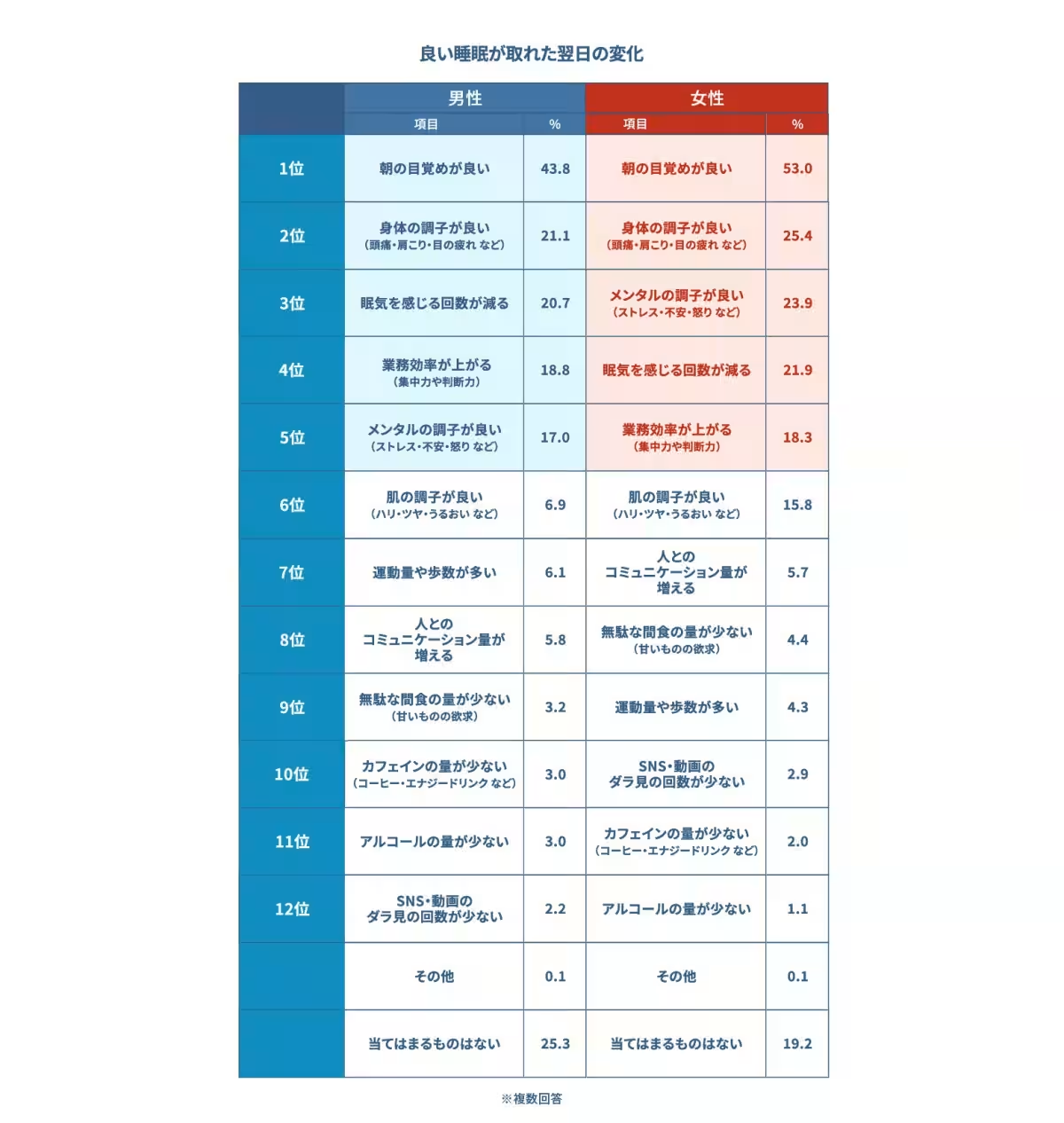
The survey noted the notable effects of good sleep on both men and women, with women reporting stronger perceptions of the benefits from quality sleep. Common changes experienced include improved alertness upon waking, better physical health, and reduced feelings of drowsiness throughout the day.
Gender-Specific Insights
While both genders enjoyed similar benefits from good sleep, various adjustments in physical and mental health were slightly more pronounced in women, suggesting a potential genetic or societal influence on sleep perception.
Conclusion
The 2026 Sleep Deviation Value® study sheds light on the ongoing crisis of sleep deficiency in Japan, exacerbated by contemporary work culture and societal expectations. With younger generations showing improved sleep awareness, there’s hope for a collective improvement in sleep quality across demographics. As stakeholders, both corporate and governmental entities must take proactive steps to address these findings. The overarching goal should not merely be increasing sleep duration but enhancing its quality and consistency.
For a detailed examination of these results, please visit the Sleep Deviation Value® Research Page.
Brain Sleep Inc. emphasizes that sustainable solutions addressing the mentioned issues must involve collaborative efforts across various sectors, ultimately advancing the sleep health of Japan’s workforce.



Topics Health)
【About Using Articles】
You can freely use the title and article content by linking to the page where the article is posted.
※ Images cannot be used.
【About Links】
Links are free to use.