



Enhancing Safety in Tokyo: Lithium-Ion Battery Recycling Initiatives for September
September: A Month for Safety and Preparedness in Tokyo
September in Tokyo marks a crucial time for residents to address safety concerns, especially with the approach of typhoon season. Amidst this backdrop, many are reevaluating their emergency preparedness and conducting inventory checks at workplaces and homes. One notable focus is the safe disposal of lithium-ion batteries, which have seen a surge in both usage and subsequent disposal inquiries throughout the 23 wards of Tokyo.
Growing Concerns Over Lithium-Ion Battery Storage
As portable devices such as smartphones, laptops, and electric bicycles become commonplace, households and businesses are increasingly storing lithium-ion batteries. However, this brings to light several safety concerns:
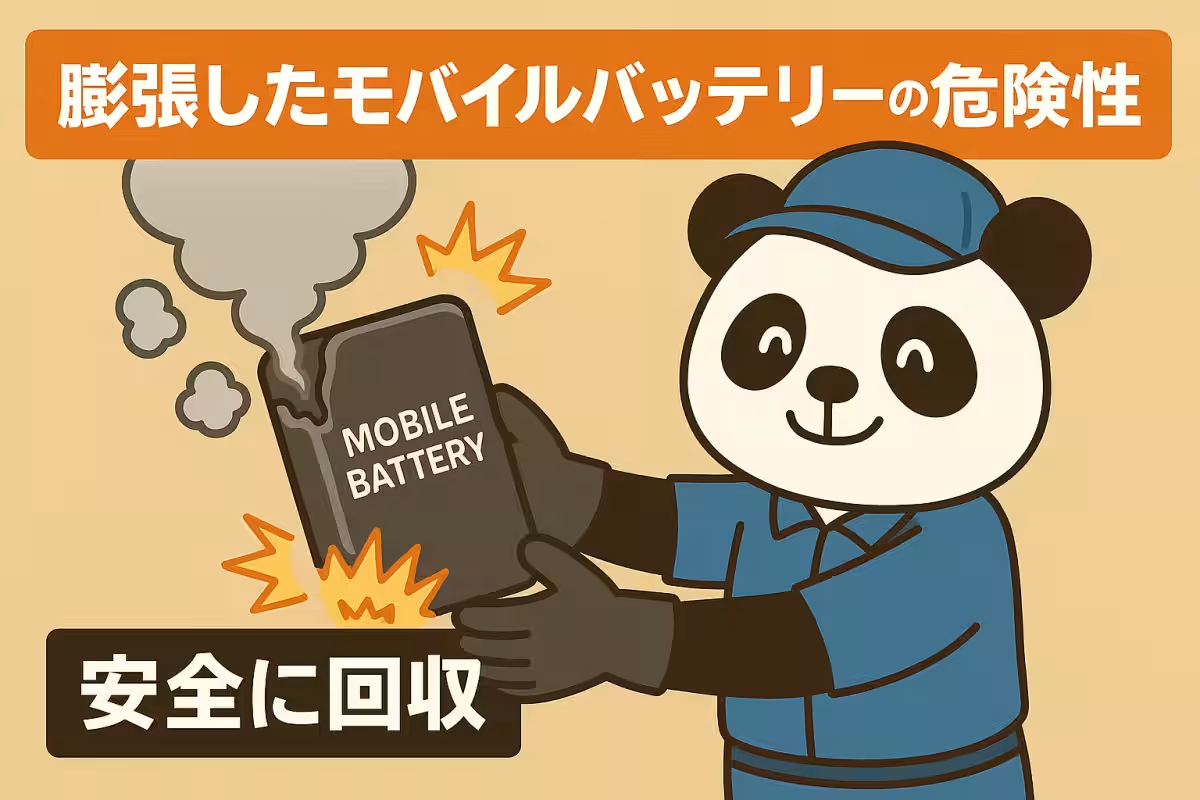
- - Dangerous Conditions: Many people are unsure how to handle swollen batteries, fearing they may combust or leak toxic materials.
- - Confusing Regulations: Some residents have been told by local governments that these batteries cannot be collected, leading to prolonged unsafe storage.
- - Lack of Disposal Options: A significant number of individuals don’t know where to take these batteries, which can pose serious risks if they are not disposed of properly.
In densely populated areas, especially apartments and shared buildings, batteries can be stashed away in common areas, storage rooms, and management offices for extended periods. With the demands of September prompting people to declutter before the typhoon season, reports of newly-found batteries have spiked. Most importantly, many offices are also discovering old batteries while relocating or reevaluating their equipment.
The Risks of Improper Battery Disposal
Lithium-ion batteries are often classified as hazardous materials. Many municipalities have strict guidelines about treating these batteries, often categorizing them as difficult waste. Improper disposal can lead to accidents during collection and processing, creating potential fire hazards at waste facilities.
September is particularly critical. It’s a month when batteries that have endured the summer heat may exhibit problems like swelling or overheating due to internal degradation. It’s essential for those storage spaces to be checked regularly to avoid exacerbating these risks.
Safety Recovery Service by Marutto Honpo
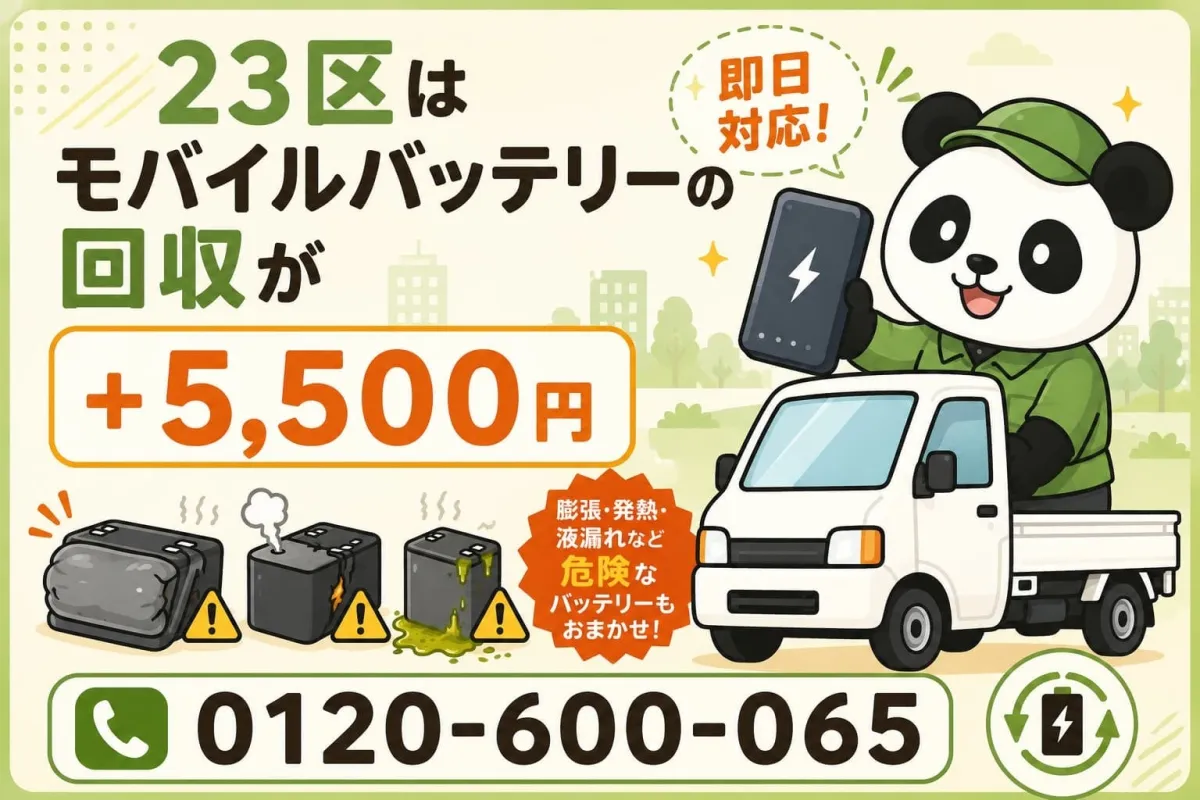
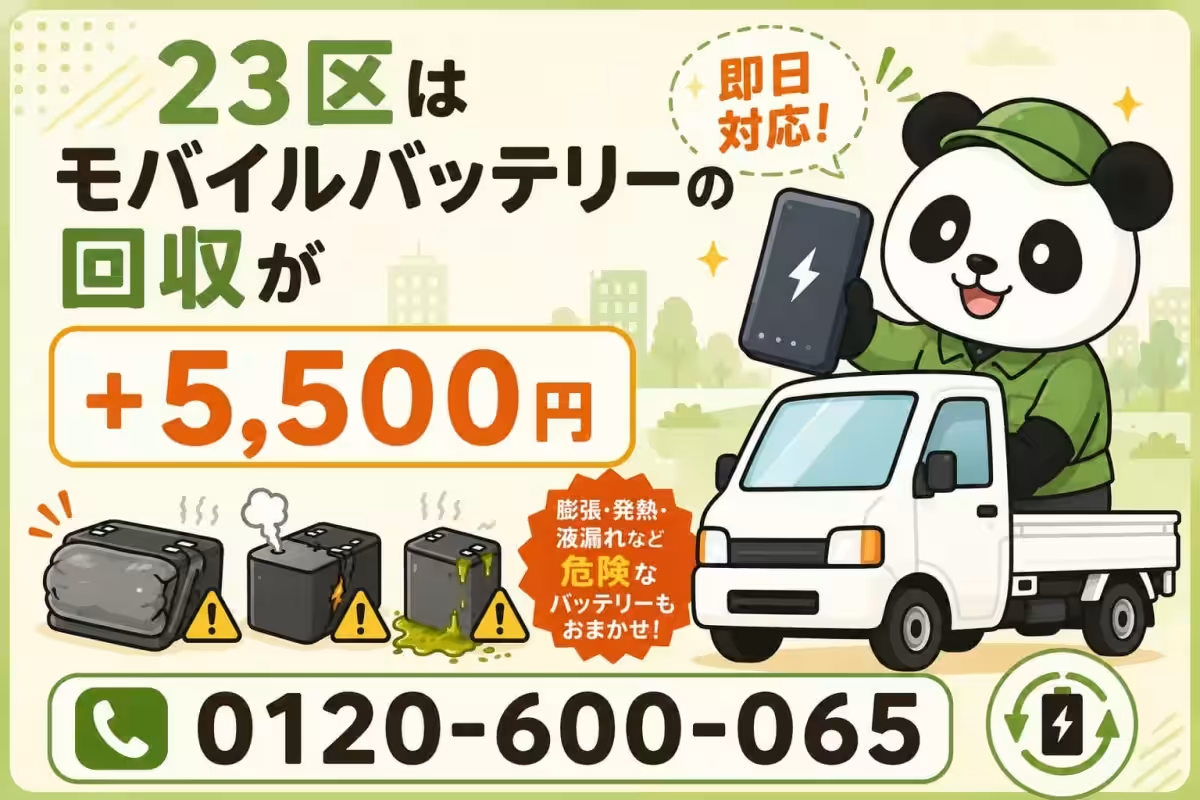
In response to increasing concerns about battery safety, Marutto Honpo, operated by SYSTR Co., Ltd., is extending its battery recovery services throughout the month of September. They are offering professional and safe collection, even for swollen lithium-ion batteries, starting at 5,500 yen (tax included).
The service ensures strict compliance with safety regulations, including fire management and proper insulation during transportation. They even offer a new rapid collection option, termed “Ultra-Fast Pickup,” which promises to respond within two hours for urgent needs at an additional cost of 5,500 yen.
This initiative not only addresses household concerns but also assists offices, stores, and warehouses in safely managing larger batches of batteries. Marutto Honpo’s commitment is to reduce the storage risks of lithium-ion batteries across Tokyo’s 23 wards and to facilitate a safer disposal environment.
Understanding the Context of Battery Disposal
Given the rapid proliferation of lithium-ion batteries in various devices, it’s no surprise that residences and offices stockpile these batteries. Popular devices that rely on lithium-ion batteries include:
- - Smartphones and Tablets: Rise in usage correlates with increased battery storage in communal areas, often leading to safety concerns.
- - Laptops: Often retained during office relocations or inventory adjustments, making disposal necessary.
- - Power Tools: Used in various occupational settings, often accumulating over time.
September is an excellent time for individuals to reassess their emergency supplies, especially concerning rechargeable electronic devices. As people prepare for typhoon season, they should also plan on how to safely dispose of old batteries that may have been neglected during the hot summer months.
Campaign Details
Marutto Honpo’s campaign runs from September 1 to 30, explicitly targeting residents across Tokyo’s 23 wards. They offer a straightforward fee structure:
- - Pickup Service: Starting at 5,500 yen (tax inclusive) for the first battery, with subsequent batteries at a reduced rate.
- - Drop-off Options: Available for users who prefer to handle disposal in person, with competitive pricing.
- - Ultra-Fast Pickup Option: An exclusive new feature for immediate battery concerns, available within two hours of request.
Join the Movement for a Safer Tokyo
In light of these efforts, residents are encouraged to take advantage of the services provided by Marutto Honpo. This initiative is about more than battery disposal; it’s a collective move towards ensuring safety in our neighborhoods and workplaces.
For those who may not know if their batteries are safe, Marutto Honpo encourages people to use their easy LINE estimation services for swift answers regarding disposal. With increasing battery safety concerns surfacing as more people declutter their lives, now is the opportune moment to address these electrical residues responsibly and safely.
For more information about Marutto Honpo’s services and to discover how to handle hazardous waste properly, you can reach out through their official channels.
Topics Environment)
【About Using Articles】
You can freely use the title and article content by linking to the page where the article is posted.
※ Images cannot be used.
【About Links】
Links are free to use.