



Results of Demonstration Experiment Using Radiative Cooling Material "SPACECOOL"
Demonstration Experiment Results of "SPACECOOL"
The Tokyo Metropolitan Bureau of Transportation has announced the outcomes of a collaborative demonstration project carried out with the startup company SPACECOOL Inc. and Longseal Industry Co., Ltd. The initiative focused on utilizing the innovative radiative cooling material, "SPACECOOL®" to assess its effectiveness in reducing power consumption at a bus maintenance facility.
1. Overview of the Experiment
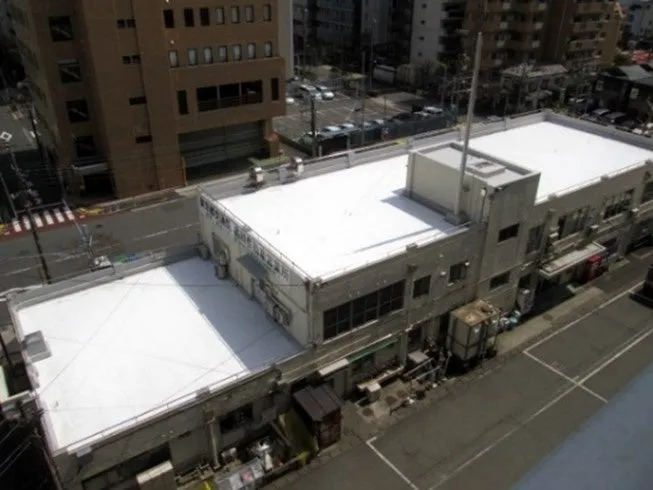
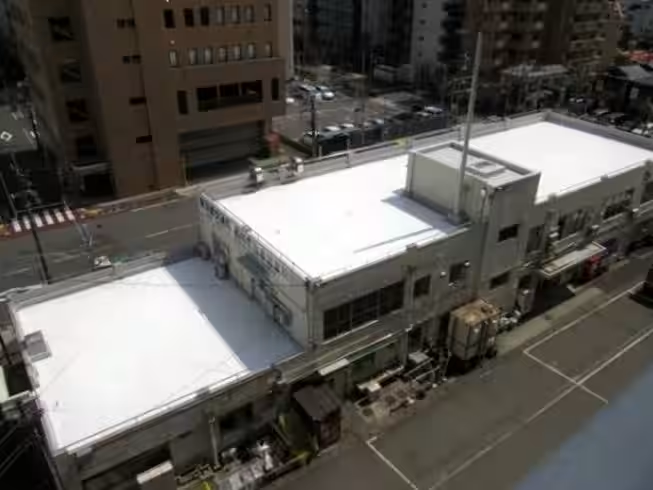
The partnership implemented the SPACECOOL waterproof sheet (currently known as Innovation Proof RR) on the rooftop of the automobile service station. The primary objective was to lower the temperature of the building, thereby reducing the amount of electricity consumed in the facility during peak sunlight hours. Through this demonstration, researchers aimed to evaluate whether the adoption of this advanced material can lead to substantial energy savings in urban environments.
2. Location of Implementation
The site selected for this significant experiment was the Toei Bus Shinagawa Automobile Facility, located at 1-5-12 Kitashinagawa, Shinagawa Ward, Tokyo. Choosing this specific facility was strategic, as it operates under conditions that maximize solar exposure throughout the day.
3. Duration of the Experiment
This demonstration experiment took place between May 1, 2024, and September 30, 2024. Over this timeframe, comprehensive monitoring and data collection were conducted to analyze the impact of the SPACECOOL material on energy consumption.
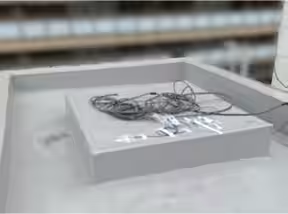
Image Showing Measurement of Roof Temperature at the Facility
4. Experiment Results
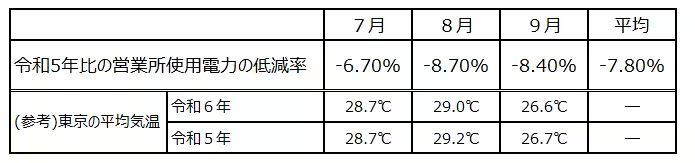
(1) Power Consumption Data
The data gathered concerning the electricity usage at the facility indicate a noticeable reduction in power consumption during the experiment period. The findings reveal that the integration of the radiative cooling technology has effectively contributed to lower operational costs related to energy use.
(2) Roof Surface Temperature Analysis
In August 2024, it was observed that the average surface temperature of the rooftop covered with the SPACECOOL material was approximately 7 degrees Celsius cooler than that of sections covered by a conventional heat insulating waterproof sheet. This key finding highlights the significant thermal management advantage of utilizing SPACECOOL in urban infrastructure.
Overall, the experiment serves as a crucial step toward implementing sustainable practices in public services and showcases the potential benefits of utilizing innovative materials like SPACECOOL in reducing energy consumption in urban settings. As cities continue to grapple with rising energy demands, findings from this demonstration emphasize the importance of integrating materials that contribute to energy efficiency and environmental sustainability.
Topics Environment)
【About Using Articles】
You can freely use the title and article content by linking to the page where the article is posted.
※ Images cannot be used.
【About Links】
Links are free to use.