



Sustainable Protein Production Through Sericulture: The Role of Edible Insects
The Next Generation of Protein: Harnessing Sericulture and Insect Technology
In the face of soaring fishmeal prices and challenges related to dependency on natural resources, Insect Technology, based in Uruma City, Okinawa, is paving a new path towards sustainable animal feed production using wild silkworms from the Bombicidae family. Through collaborative research with Okinawa University, they have successfully validated the efficacy of insect protein-based feed for land-based aquaculture, providing a promising alternative to conventional fishmeal.
Research Highlights: The Power of Wild Silkworms
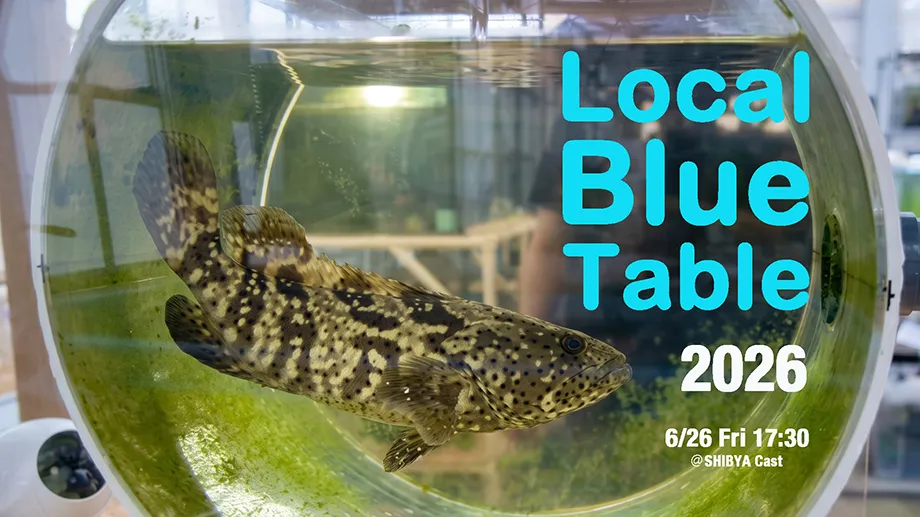
The recent studies demonstrated that incorporating silkworm pupae as a 15% substitute for fishmeal led to positive outcomes when rearing Epinephelus septemfasciatus (commonly known as mibai). Key findings included:
- - Weight Gain: The growth rate was comparable to fishmeal feed—156.7% for silkworm pupae feed versus 153.9% for traditional fishmeal feed.
- - Survival Rate: The research achieved a remarkable survival rate of 100% throughout the rearing period.
- - Feed Efficiency: The feed conversion efficiency was equal to that of fishmeal-based diets, confirming no adverse effects.
Enhancing Aquaculture with Functional Feed
This study raised intriguing possibilities regarding the concept of “silk-fed fish.” Fish that consumed the silkworm-based feed showed notable physiological benefits, such as reduced oxidative stress and cortisol levels, indicative of lower stress states. This aspect is particularly significant in high-density aquaculture systems, where fish are often subjected to stress, potentially affecting their health and quality. The findings suggest that silkworm pupae do not merely serve as alternative raw materials, but represent a viable source of functional feed quality.
Collaborative Commitment to Sustainable Aquaculture
Comments from Okinawa University’s researchers highlight the significance of their findings. Dr. Koudai Fukunaga stated that the study illustrates the potential of silkworm-derived ingredients as a sustainable alternative for fishmeal, emphasizing its importance for future aquaculture practices. Dr. Taekyung Sung noted that while there’s considerable research into insect-based feeds, silkworm pupae specifically are largely unexplored. This pioneering research opens new avenues for developing sustainable feed resources that leverage local biodiversity.
Community Engagement: Local Blue Table 2026
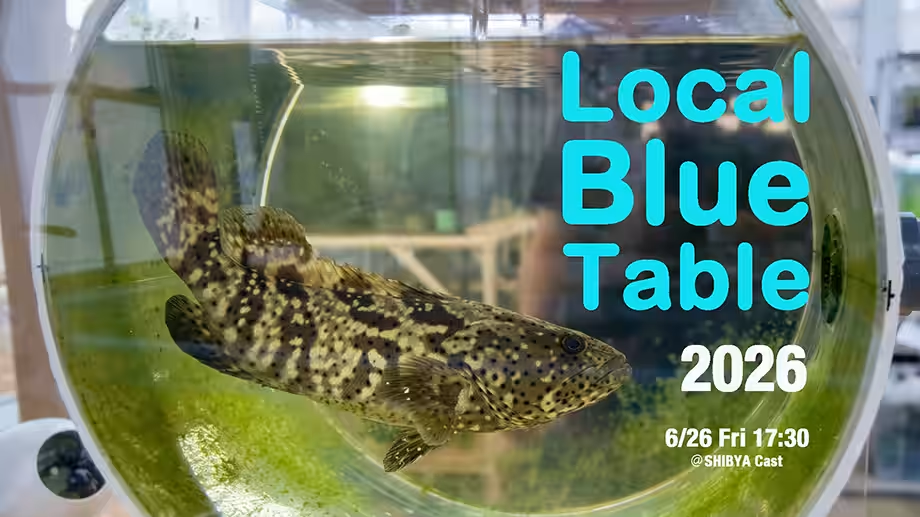
To promote the integration of this innovative feed technology into society, Insect Technology is hosting a tasting event, Local Blue Table 2026, showcasing aquaculture fish raised on silkworm-derived feed. The event will take place on June 26, 2026, at Marked Shibuya in Tokyo, bringing together stakeholders from aquaculture, food industries, and creative sectors like design and architecture. This collaborative platform aims to foster discussion about the positive cycles created by aquaculture within local communities.
Insect Technology’s Vision for the Future
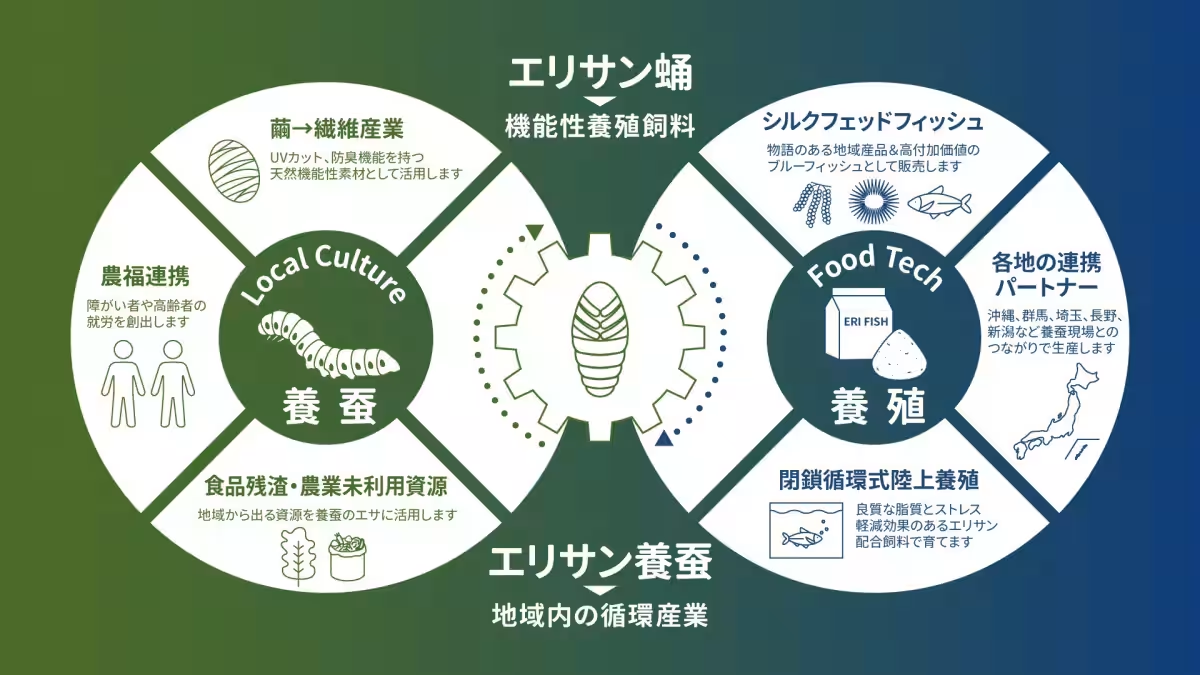
Insect Technology envisions a synergistic model that binds sericulture and land-based aquaculture through innovative technologies. They aim to build a regionally integrated new industry model that:
- - Utilizes food waste and unused agricultural resources to nourish sericulture, establishing local economic cycles.
- - Promotes social inclusion by creating employment opportunities for people with disabilities and the elderly.
- - Connects the silkworm production to the textile industry for functional materials.
Through the development of high-function aquaculture feed using silkworm pupae, Insect Technology targets the production of premium-quality fish, fulfilling an essential role in Japan's sustainable food production ecosystem. As a part of their expansion, they are also initiating silkworm farming in Tomioka, Gunma, ensuring that their sustainable production model is not limited to Okinawa but extends to other regions.
Together, these initiatives represent a bold step towards realizing functional, sustainable food systems powered by Japan's rich cultural heritage in sericulture and innovative approaches to aquaculture.
Topics Consumer Technology)
【About Using Articles】
You can freely use the title and article content by linking to the page where the article is posted.
※ Images cannot be used.
【About Links】
Links are free to use.