



Innovative Textiles by NUNO For Vienna Style Exhibition in Tokyo
NUNO's Innovative Textiles at the Vienna Style Exhibition
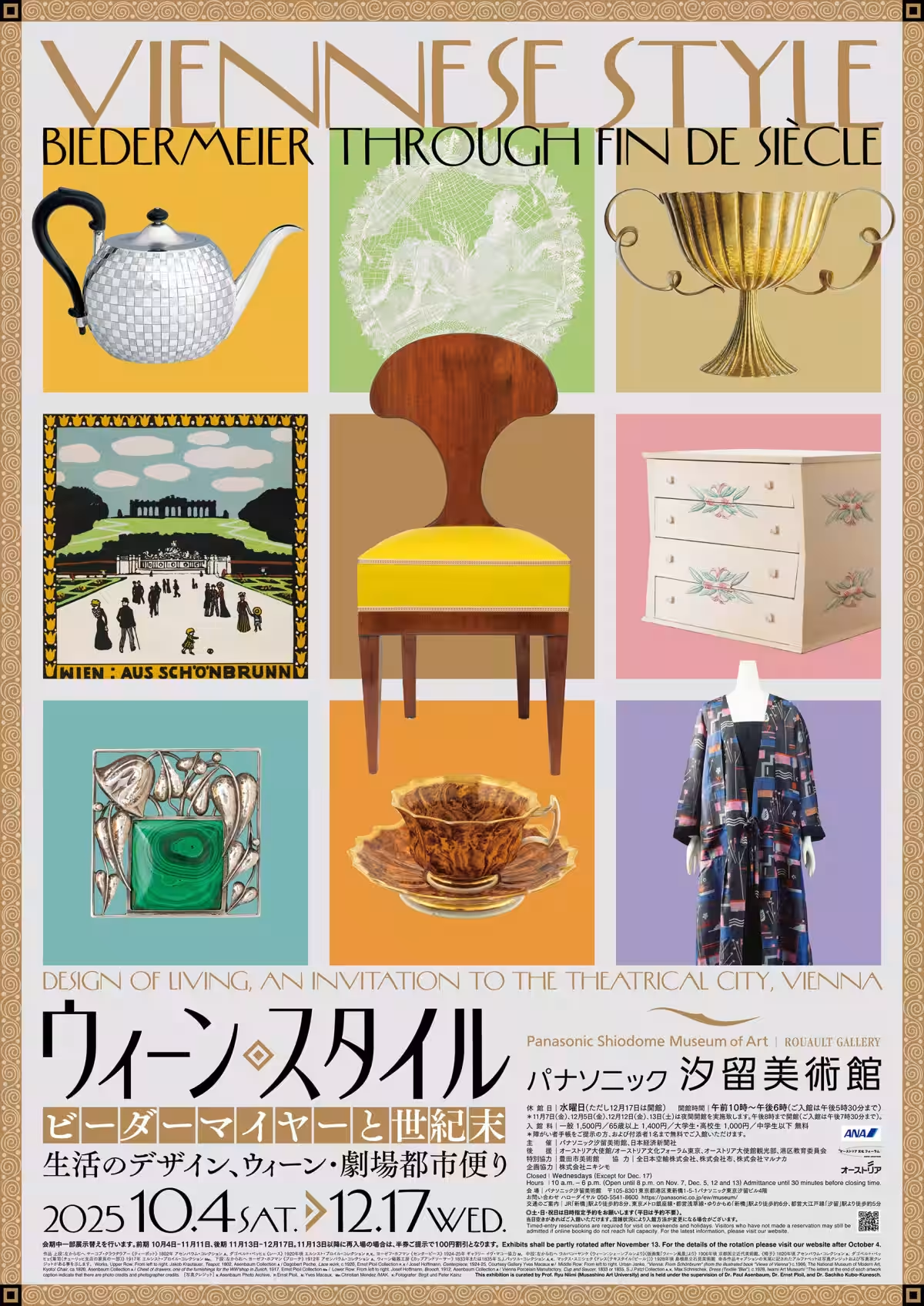
The acclaimed textile studio NUNO, led by Reiko Suto, has created a distinctive collection of original textiles for the Vienna Style exhibition, which began on October 4 at the Panasonic Shiodome Museum in Tokyo. This exhibition, titled Vienna Style - Biedermeier and the Design of Fin-de-Siècle Living, showcases a unique interpretation of the Viennese aesthetic.
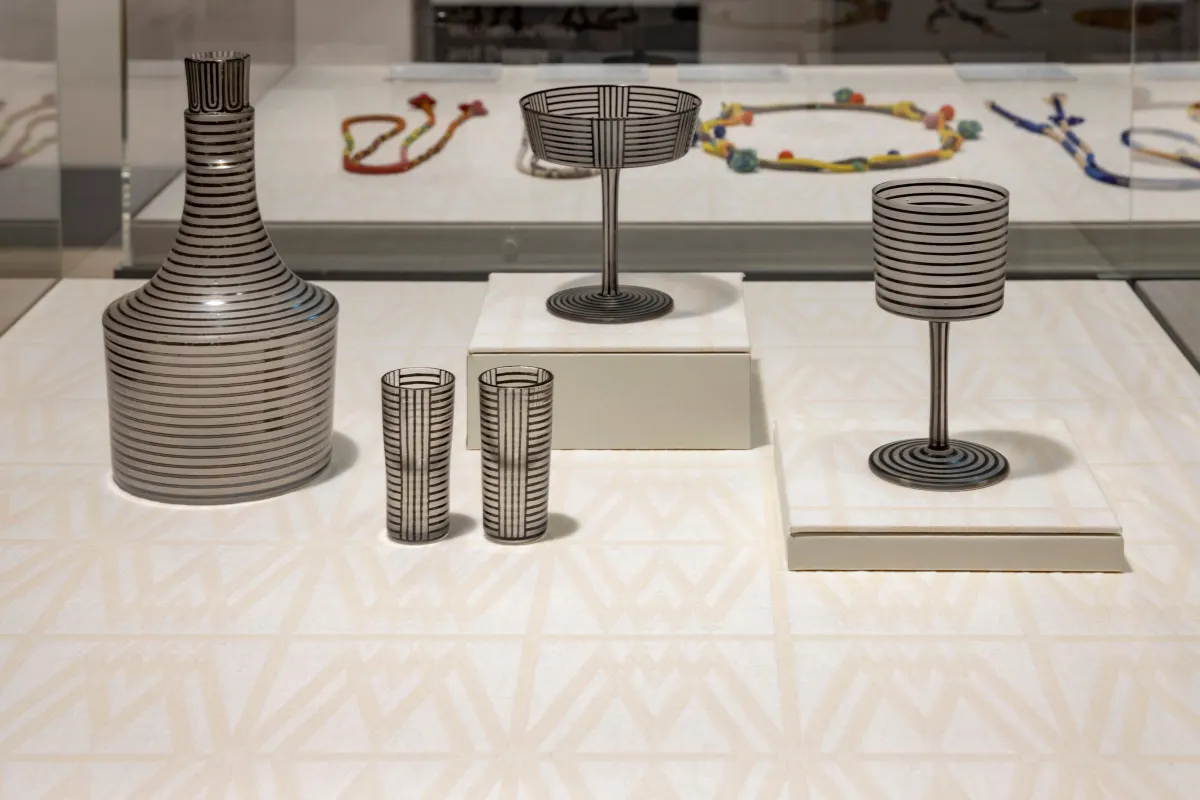
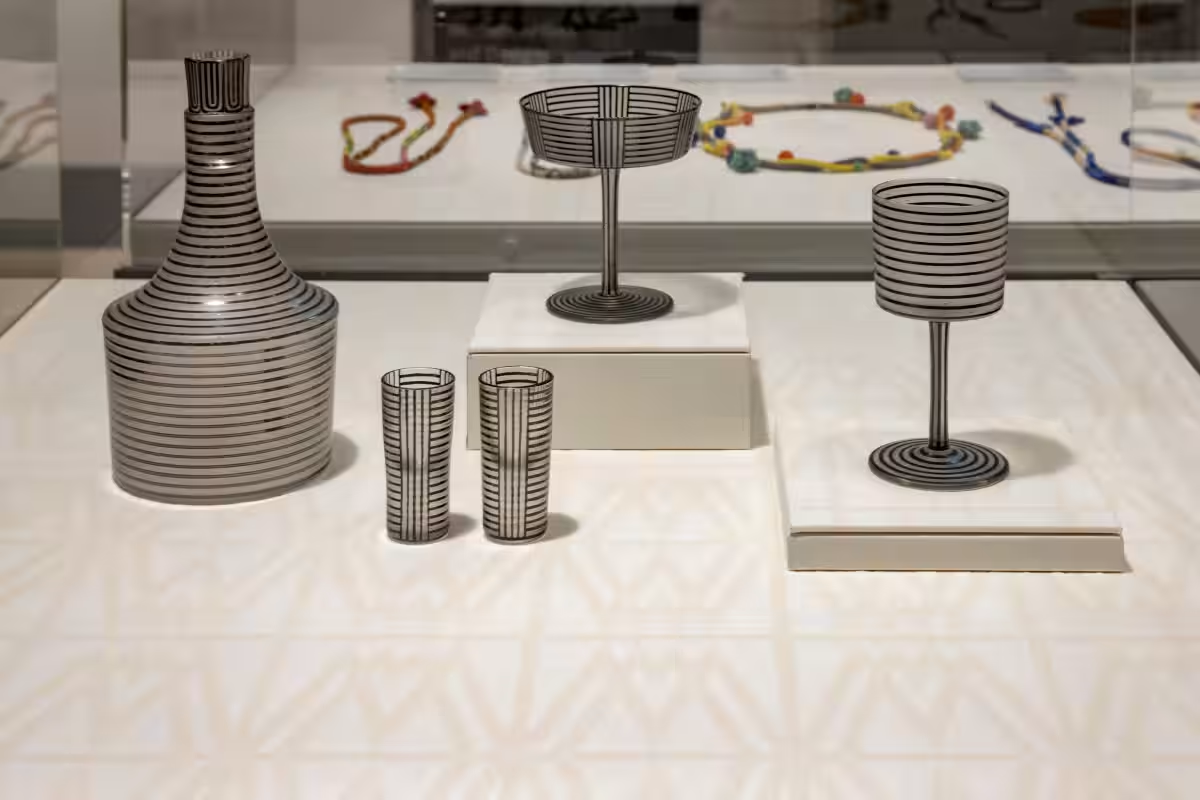
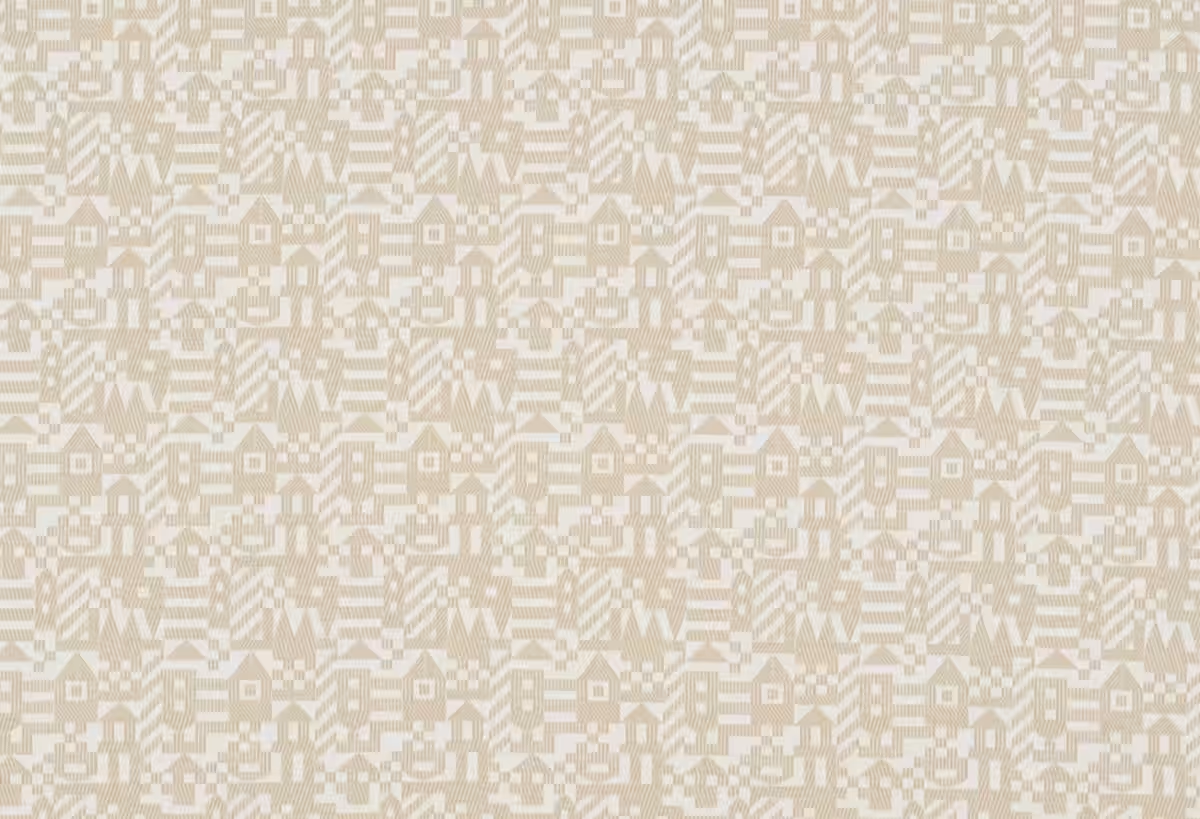
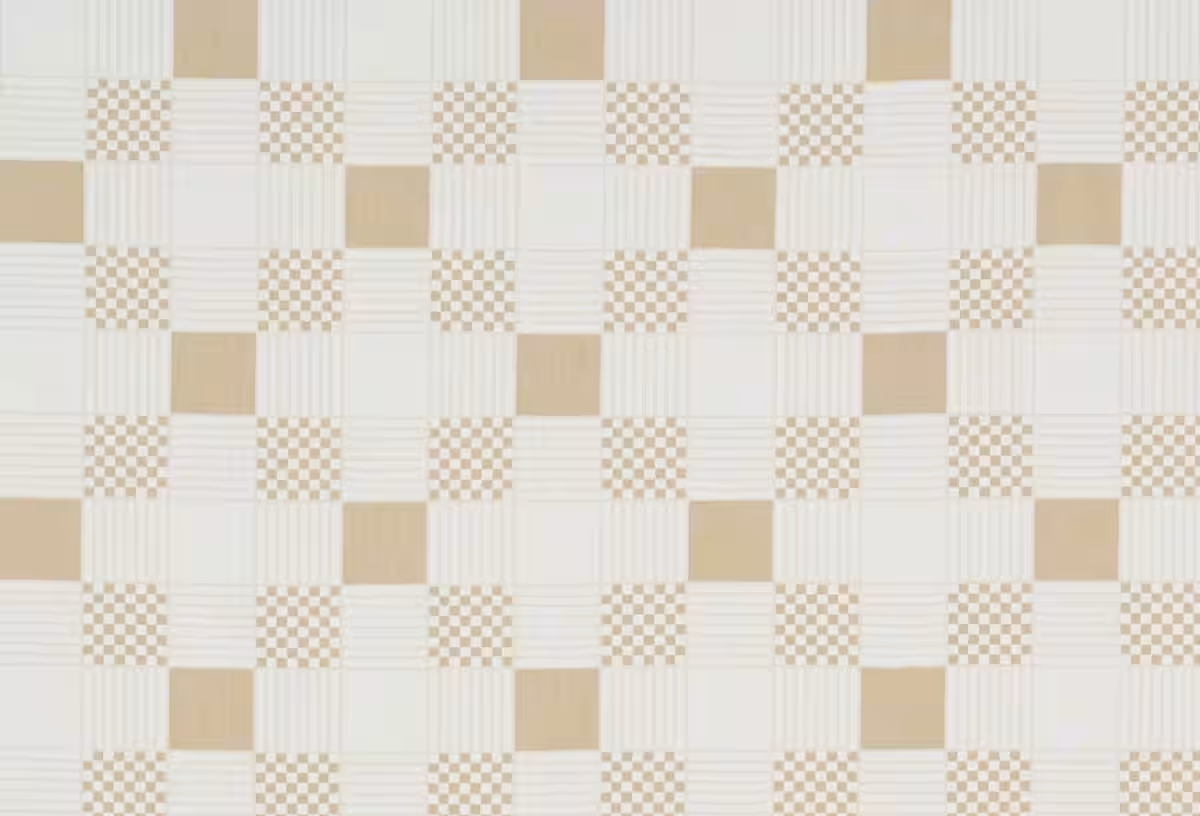
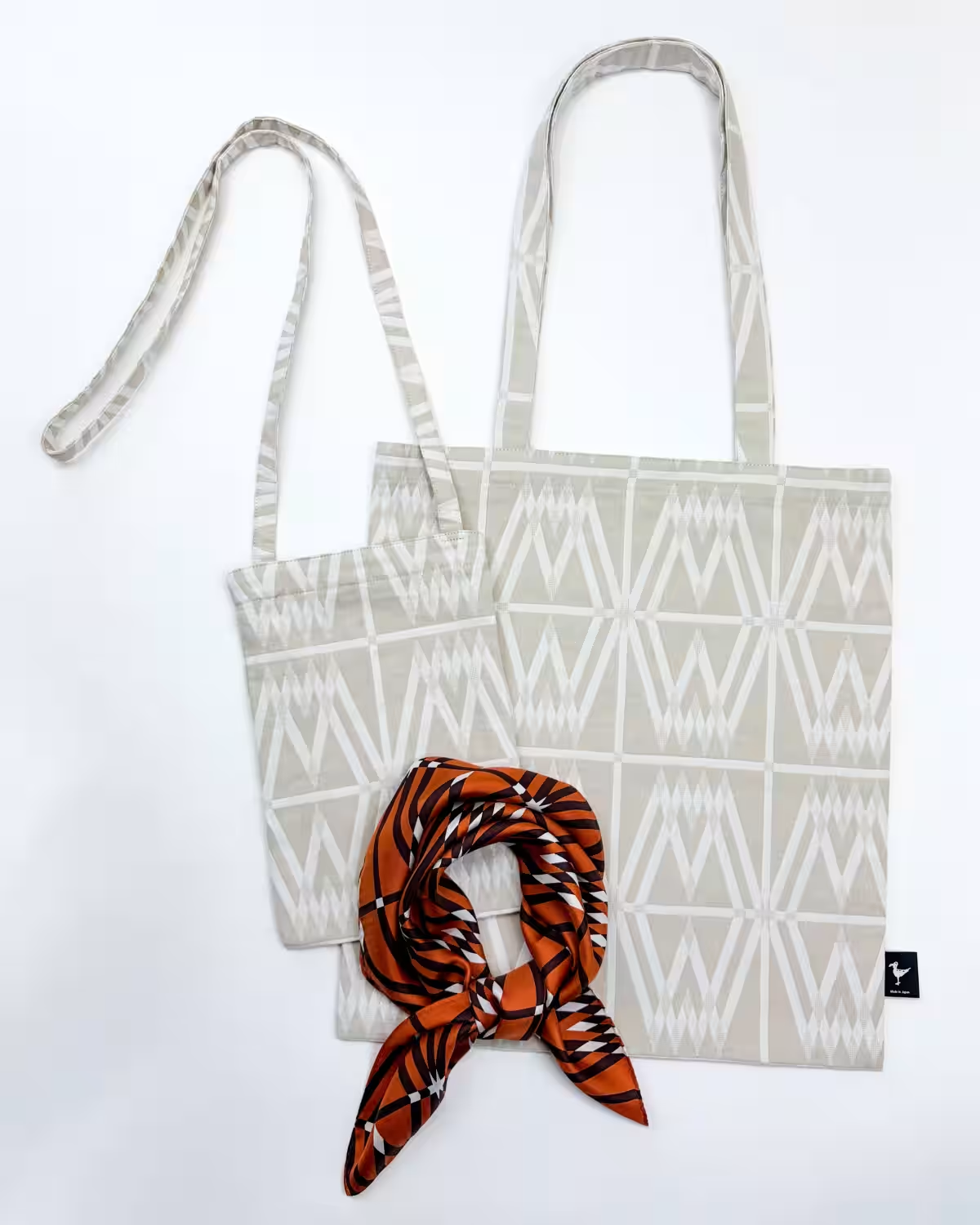
In this innovative presentation, NUNO has designed and produced six new textile patterns inspired by Vienna's rich design heritage. These textiles are intricately woven into exhibition spaces, serving as stunning backdrops for artwork, enhancing the overall aesthetic and experience of the showcase. Among the featured creations is a special tote bag and placemat crafted from jacquard woven fabrics based on the iconic logo of the Wiener Werkstätte. Visitors will have the chance to purchase these limited-edition items at the exhibition and at NUNO's retail locations.
The collaborative initiative of NUNO and the exhibition's guest curator, Takashi Niimi, a professor at Musashino Art University, embodies a harmonious fusion of tradition and innovation. The exhibition reflects upon two flourishing cultural epochs in Vienna: the Biedermeier era of the early 19th century and the turn of the century. One of the crucial themes in this exhibition is how Vienna's distinct culture has evolved, intentionally preserving its past while adapting to contemporary forms. NUNO's textiles symbolize such efforts in Japan, displaying flexible integration of traditional craftsmanship and cutting-edge techniques.
NUNO's Unique Interpretation of Vienna
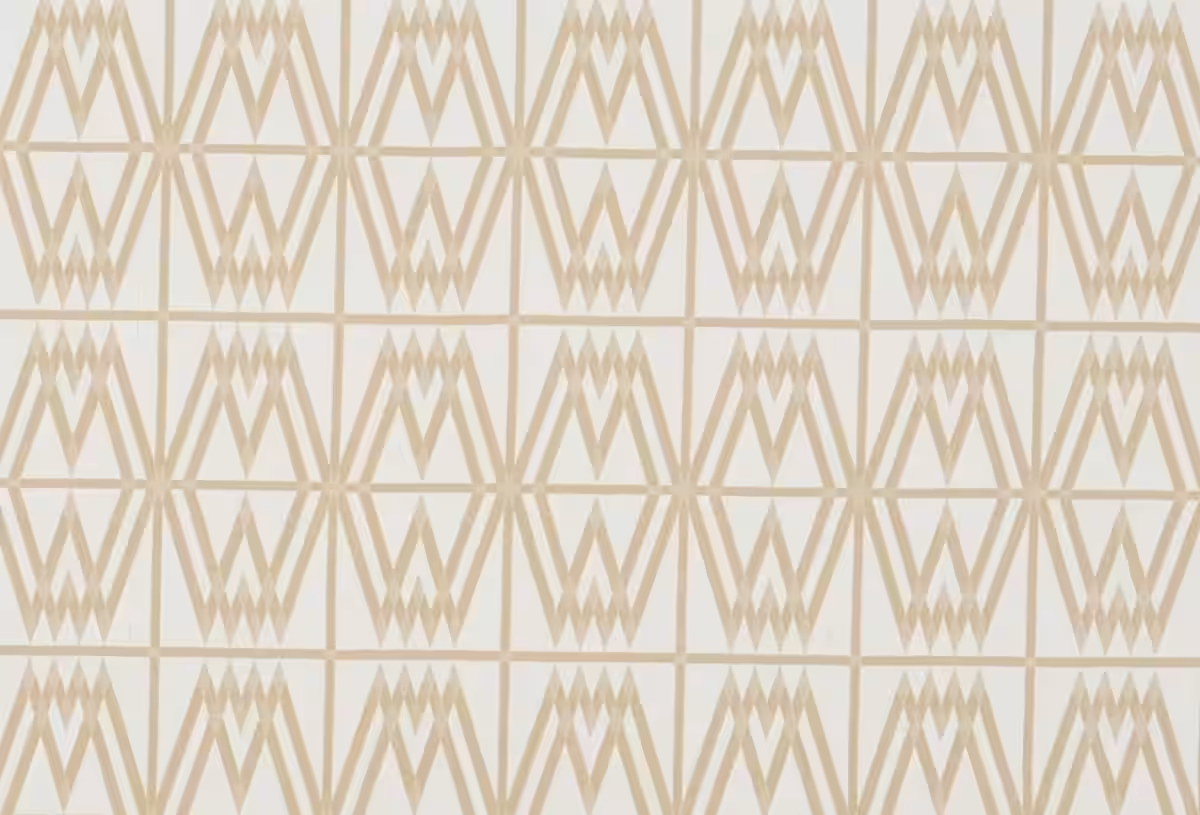
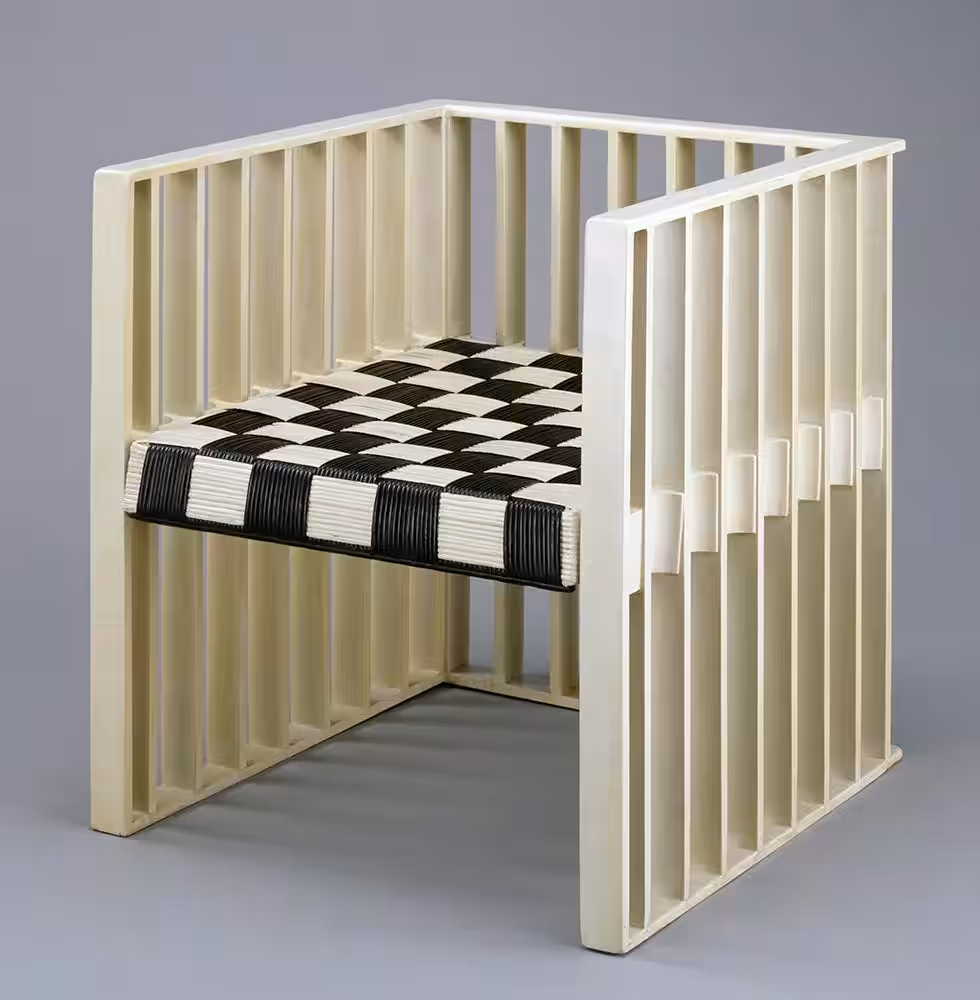
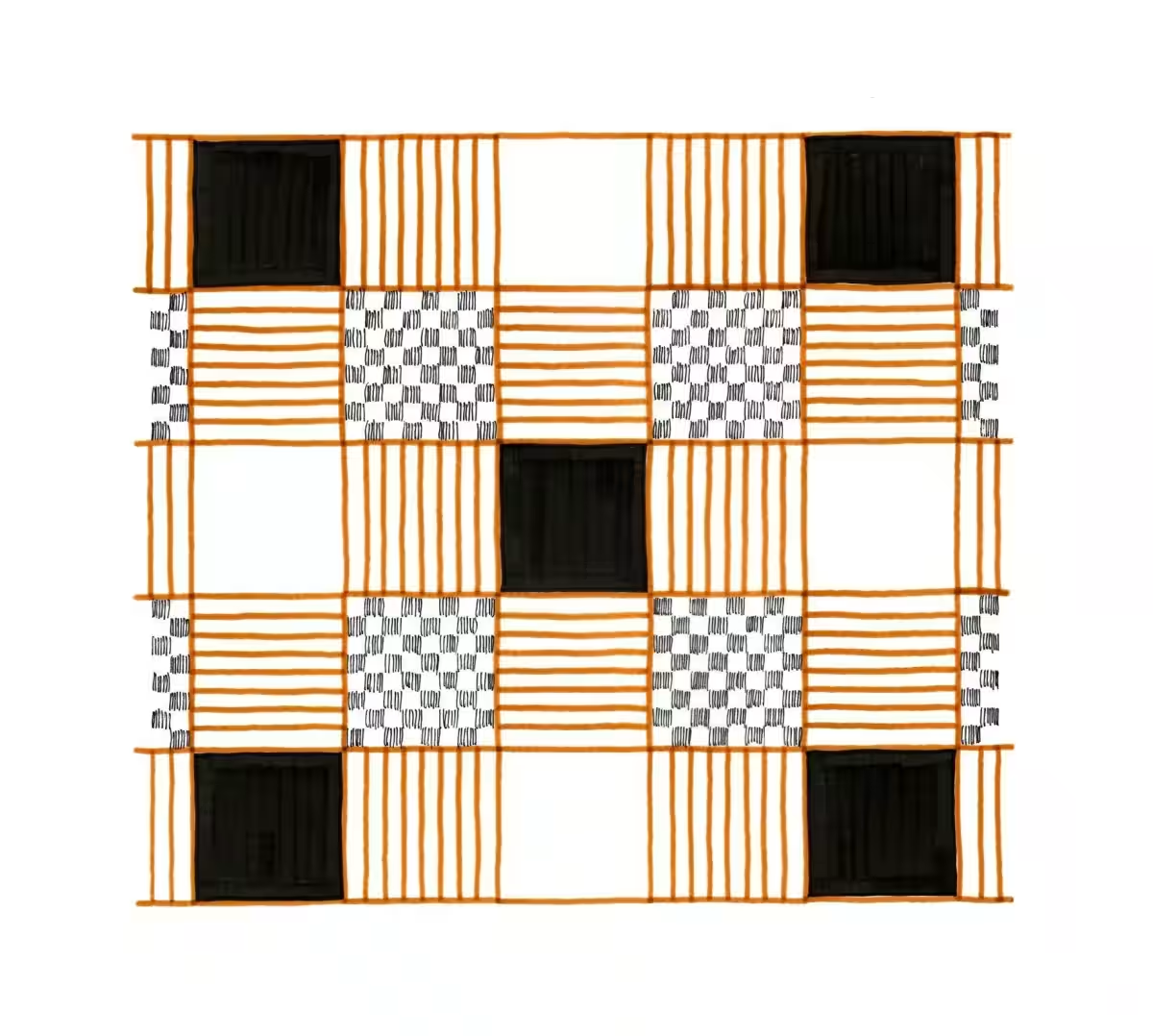
As a leading Japanese textile designer, Reiko Suto, alongside her team at NUNO, has intricately reinterpreted the Vienna style through six unique jacquard-woven textile designs. Inspired by the double-letter 'W' logo of the Wiener Werkstätte, the featured pattern ‘Wiener Werkstätte Logopattern’ showcases a continuous motif exemplifying NUNO's creativity. Other designs are inspired by iconic pieces such as Koloman Moser’s armchair, demonstrating the geometric forms characteristic of fin-de-siècle design. Moreover, some textiles now seeing a reimagining include elements that echo the work of Charles Rennie Mackintosh, revealing NUNO's deep connection to historical influences.
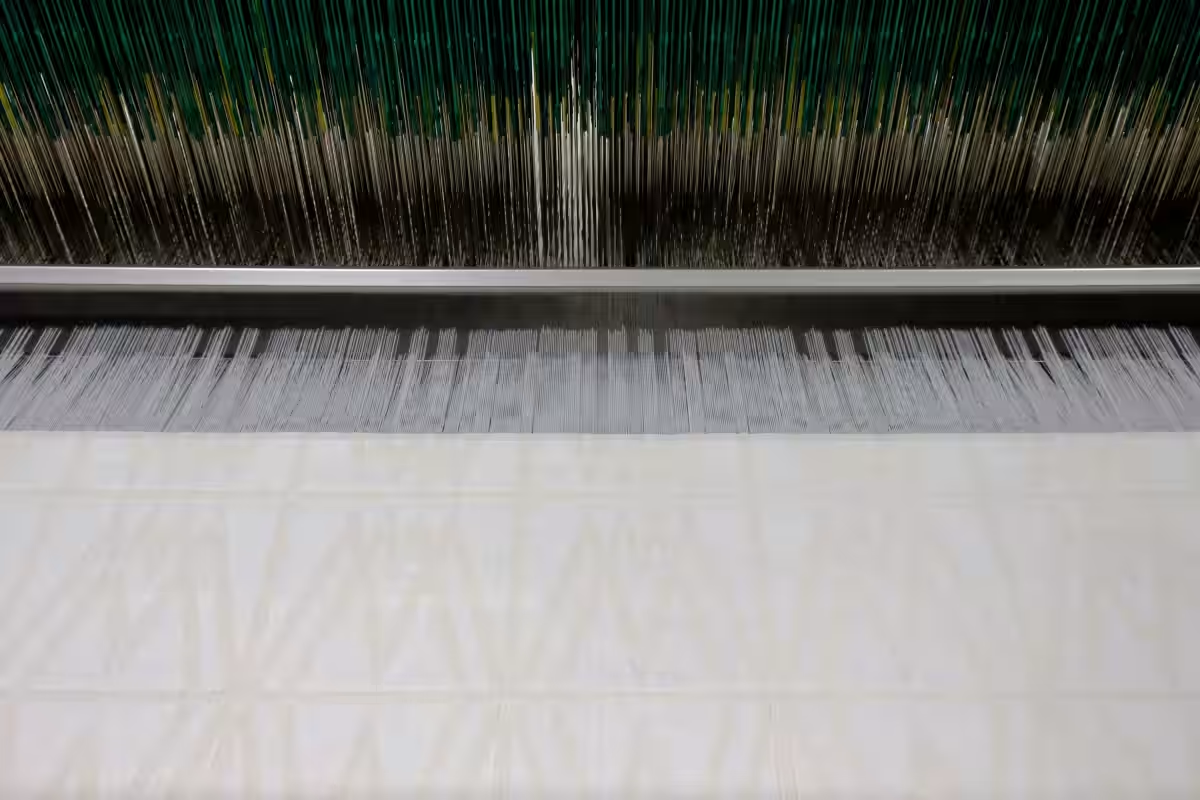
In developing these textiles, stringent attention was paid to both protective qualities and aesthetic principles. All materials, from cotton to linen, were selected for their compatibility with the artworks on display, ensuring preservation and visual harmony within the exhibition space. The textiles were expertly woven at Marunaka, a specialized factory in Saitama Prefecture, culminating in a remarkable total length of 250 meters for the exhibition.
Limited-Edition Goods
Among NUNO's textile offerings, the Wiener Werkstätte logo pattern stands out, inspiring a collection of limited-edition designer goods. Available at the exhibition venue and NUNO's shops, products include tote bags, placemats, coasters, and silk scarves, all featuring the signature design. As NUNO intends to establish this new textile collection, they plan further developments in both home decor and fashion markets.
Exhibition Highlights
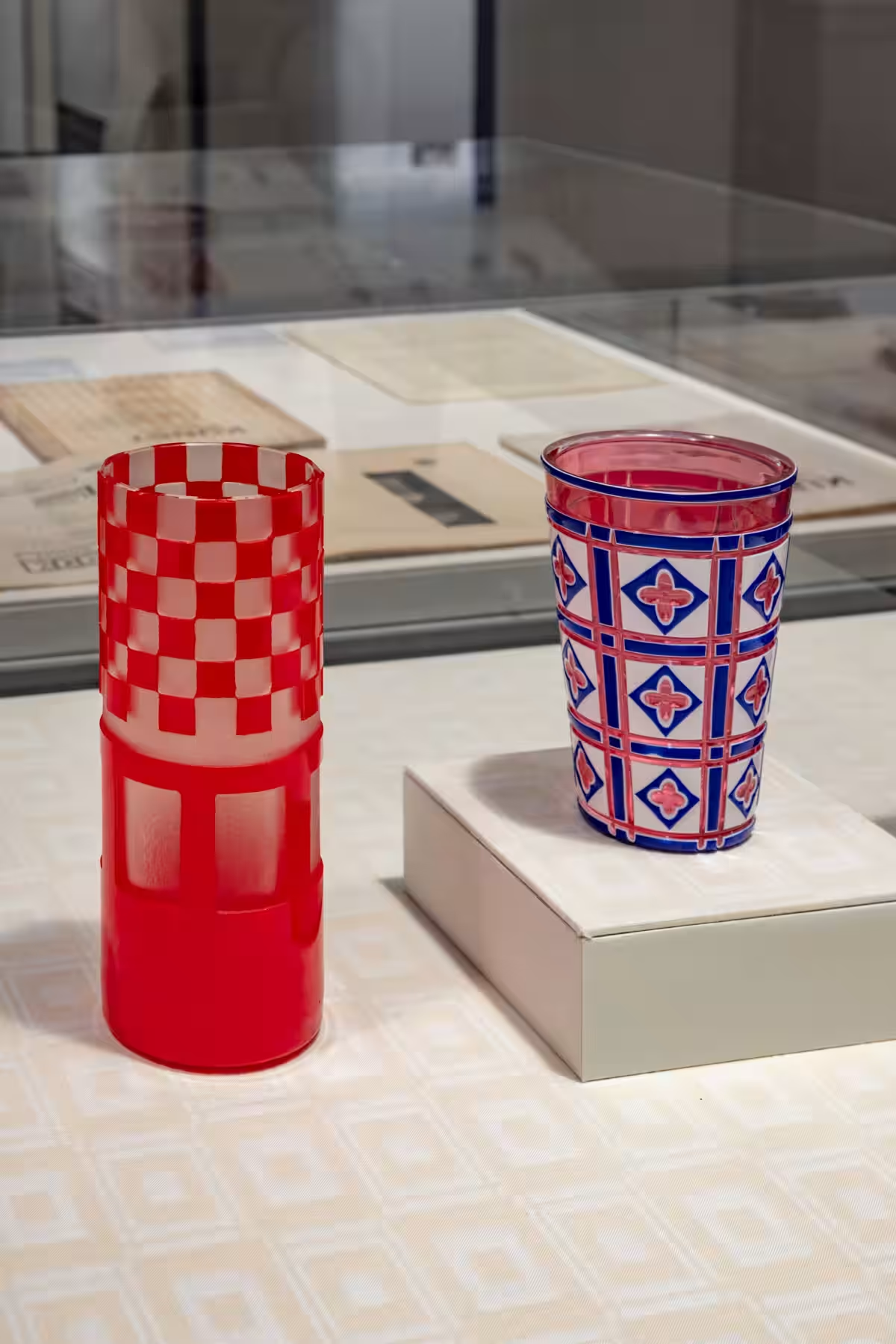
The exhibition prominently features approximately 270 diverse pieces, ranging from silverware to ceramics, glasswork, jewelry, dresses, and furniture, showcasing the essence of both the Biedermeier and fin-de-siècle periods in Vienna. Through comparative displays and thoughtful spatial arrangements, visitors are invited to experience an aesthetic that emphasizes practicality, comfort, and a spirit of playful modernity in everyday living.
Exhibition Details
- - Venue: Panasonic Shiodome Museum, Tokyo
- - Exhibition Dates: October 4, 2025 - December 17, 2025 (with partial display changes)
- - Admission: General ¥1,500, Seniors ¥1,400, Students ¥1,000, Free for children under middle school
For more details, please visit the official site: Panasonic Museum.
Founded in 1984, NUNO has consistently focused on textile planning, manufacturing, and sales. Their collaborations with artisans across Japan have resulted in the creation of nearly 3,000 original textile designs, with about 170 pieces housed in permanent collections at leading museums worldwide. With an aim to enrich the cultural experience of textiles, NUNO embraces a fusion of innovative ideas and the latest technologies, forging a collective appreciation for ‘fabric’ in contemporary life.
To explore NUNO’s world, visit their website at NUNO and follow them on Instagram @nunocorp.


Topics Consumer Products & Retail)
【About Using Articles】
You can freely use the title and article content by linking to the page where the article is posted.
※ Images cannot be used.
【About Links】
Links are free to use.