



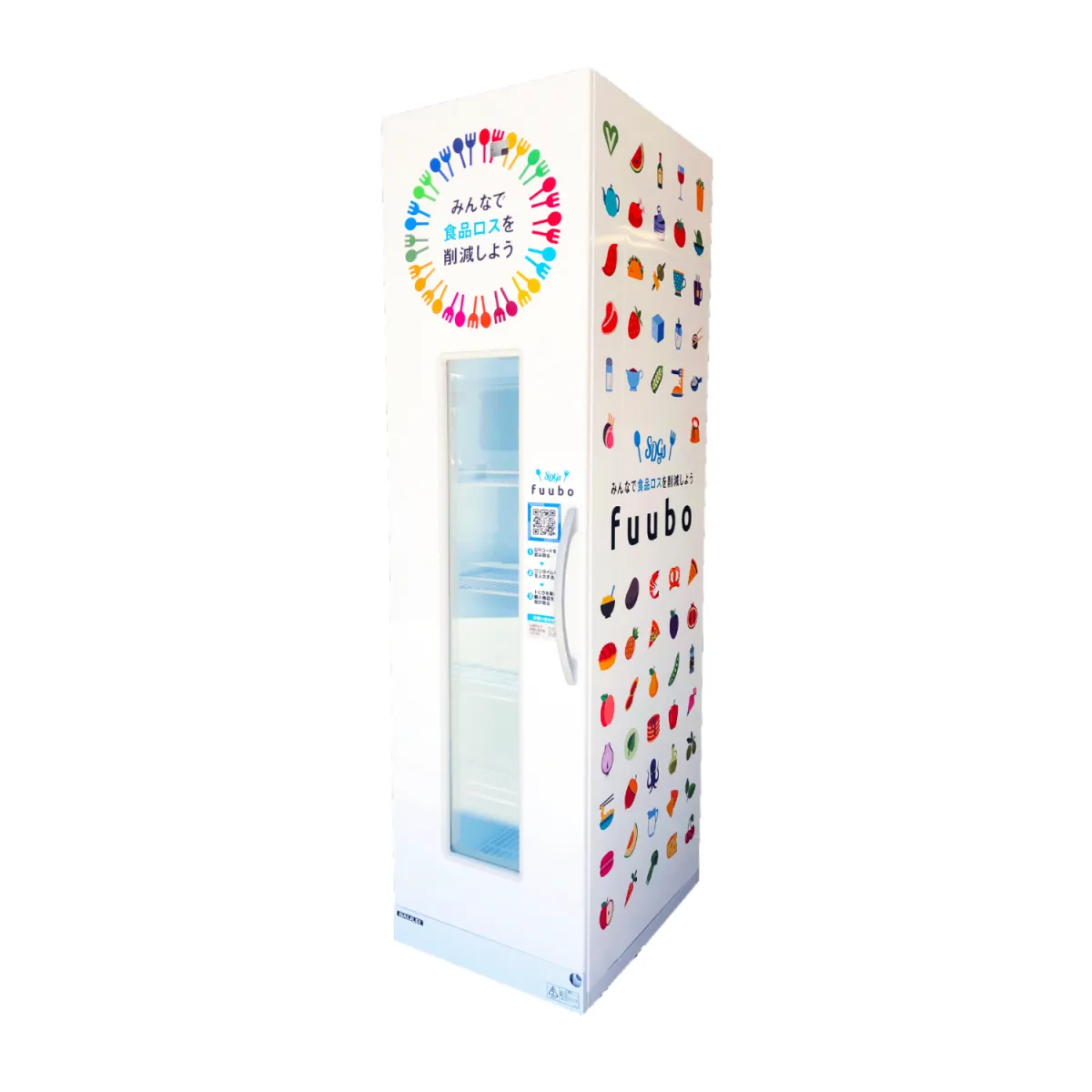
Seikei University Introduces Sustainable Zero Box Vending Machines for Food Waste Reduction
Seikei University's Commitment to Sustainability Through Food Waste Reduction
In an ambitious step towards combating food waste, Seikei University (Musashino City, Tokyo) is set to introduce an innovative solution when it launches its International Co-Creation Faculty in April 2026. Students will have access to the ZERO BOX, a sustainable vending machine that aims to minimize food waste while promoting education about sustainable development goals (SDGs).
What is the Zero Box?
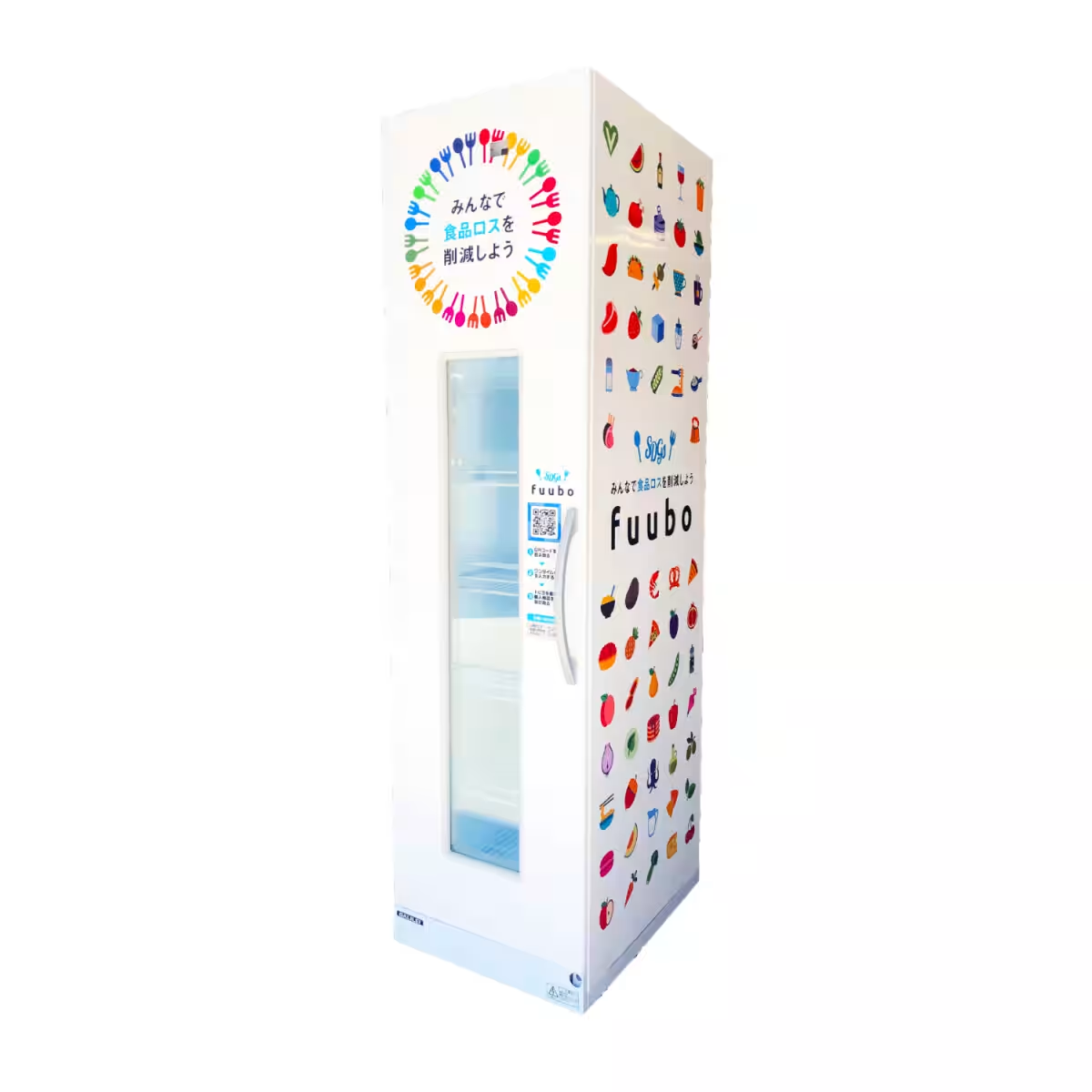
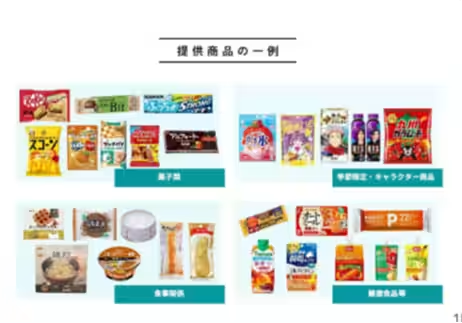
The ZERO BOX is a unique vending machine developed by ZERO Co., Ltd., which sources surplus food products from manufacturers nationwide. As of March 2026, there are approximately 140 ZERO BOX machines operational across Japan, providing items that are still safe to consume but would otherwise go to waste. The offerings typically include products that have at least one month until the expiration date, with some having up to six months remaining.
What sets the ZERO BOX apart is its pricing; these products are offered to students and faculty at Seikei University at half the retail price. This initiative not only helps reduce food waste but also contributes to a decrease in CO₂ emissions, aligning perfectly with the sustainable vision of the new faculty.
The International Co-Creation Faculty
The International Co-Creation Faculty embodies Seikei University's commitment to Education for Sustainable Development (ESD), reinforcing its mission of transforming educational approaches for the next century. This new faculty is designed to equip students with the skills necessary to address contemporary social challenges and foster a sustainable future through innovative thinking and collaboration.
With a focus on interdisciplinary studies, the faculty offers a major in International Japanese Studies alongside a specialization in Environmental Sustainability Studies. Students will not only learn about cultural and social issues both in Japan and globally but also engage with local communities to understand the intricate dynamics of nature and society.
Courses will emphasize the development of versatile thinking that bridges the gap between humanities and sciences, ensuring that graduates are well-prepared to tackle complex global issues. Moreover, the curriculum includes essential skills such as data science and language proficiency, further enhancing the educational experience.
Advancement of Sustainable Practices
The ZERO BOX vending machines represent just one of the many efforts Seikei University is embracing to promote sustainability. By creating an environment where students and faculty can easily participate in food waste reduction, the institution is making strides towards a more sustainable society. The initiative is expected to inspire similar actions among students, making them more aware of their consumption habits and the impact of waste on the environment.
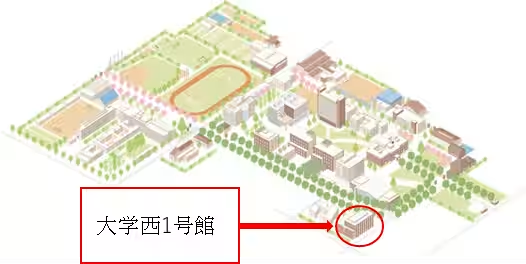
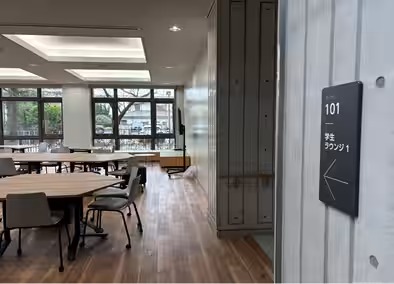
The ZERO BOX machines are strategically located within the Student Lounge of the university’s West Building, making them easily accessible to all members of the university community. This initiative not only provides inexpensive food options but also fosters a culture of sustainability by directly involving the student population in real-world environmental practices.
Conclusion
Seikei University's introduction of the ZERO BOX vending machines marks a significant move towards enhancing sustainable practices within educational settings. As students begin their journey in the International Co-Creation Faculty, they will undoubtedly be equipped with knowledge and tools needed to confront the pressing challenges of food waste and work towards a sustainable future—both at the university and beyond.
Topics Other)
【About Using Articles】
You can freely use the title and article content by linking to the page where the article is posted.
※ Images cannot be used.
【About Links】
Links are free to use.