




LobbyAI Recognized as Key Player in Public Information Utilization During Diet Meeting
LobbyAI Shines in the Spotlight of Public Information Utilization
In recent discussions held by the House of Councillors' Budget Committee, LobbyAI Co., Ltd., based in Minato, Tokyo, received recognition as a key player in the realm of public information utilization. Led by CEO Kyotaro Takahashi, the company has developed a state-of-the-art public information analysis platform that supports the effective use of governmental and organizational data.
During the meeting, the rapid advancement of artificial intelligence (AI) was a focal point as officials discussed how public and private sectors can better collaborate. The committee emphasized the importance of leveraging vast stores of administrative documents and public information accumulated by local governments for societal benefit. LobbyAI was notably introduced by Senator Yasushi Adachi, who highlighted its innovative role in streamlining access to public records through technology.
The Significance of LobbyAI's Platform
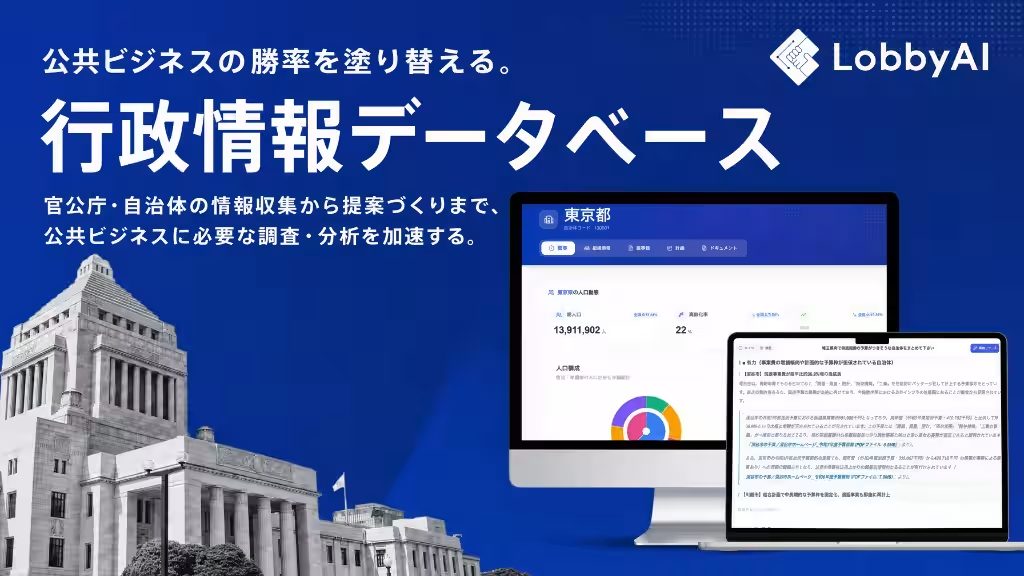
LobbyAI's platform specializes in the visualization of key public information, including policy discussions, budget proposals, bidding data, and legislative speeches from various governmental bodies. This platform assists companies and organizations in public policy engagement, municipal operations, and collaborative decision-making by providing valuable insights drawn from extensive data analysis.
In light of its recent mention in the national parliament, LobbyAI denoted the societal implications of employing AI in governing public information. The firm affirms the necessity of clearly defining the roles of public and private sectors in utilizing AI for processing governmental data.
Background of the Discussion
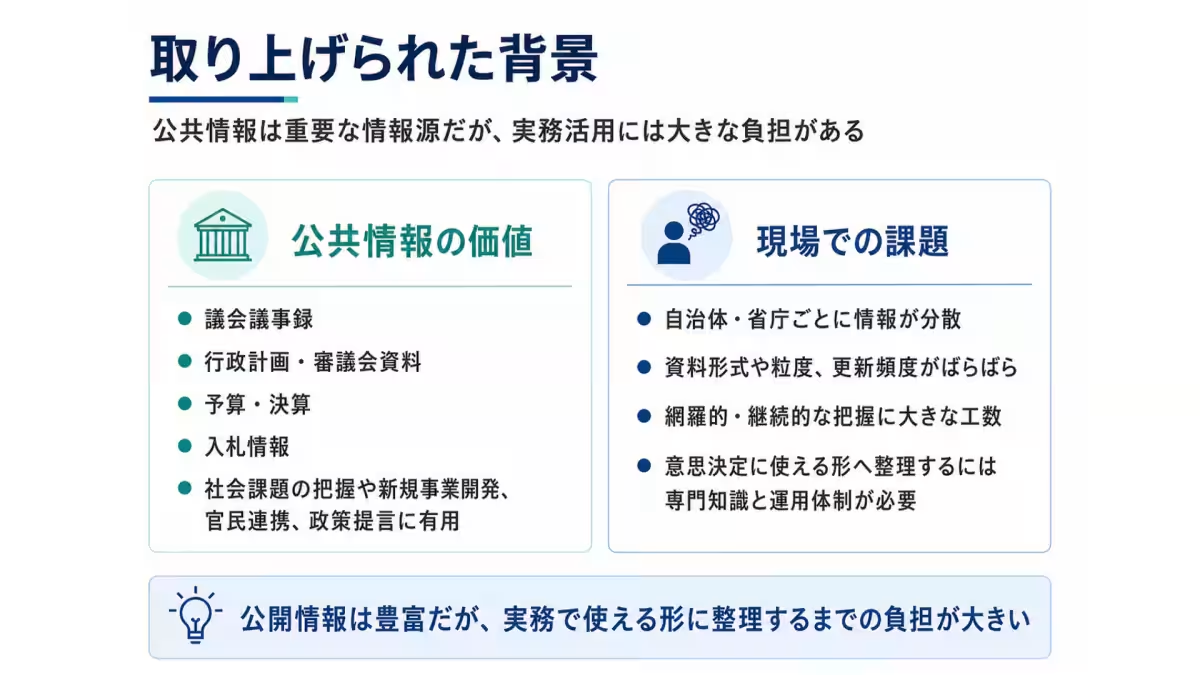
The documents released by local governments and central ministries, such as council minutes, administrative plans, and bidding information, serve as crucial sources for understanding societal challenges and promoting intergovernmental collaboration. However, these resources are often scattered across various platforms and formats, making comprehensive and continuous access difficult. Therefore, considerable effort is required to organize and analyze this publicly available information to make it actionable.
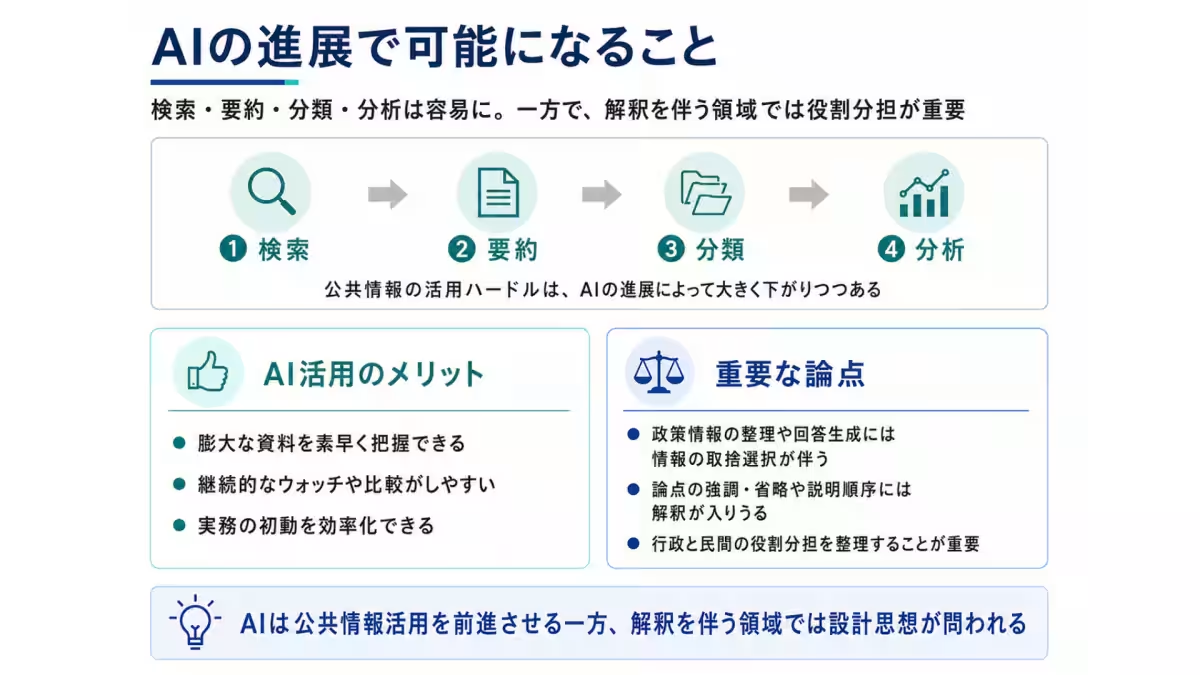
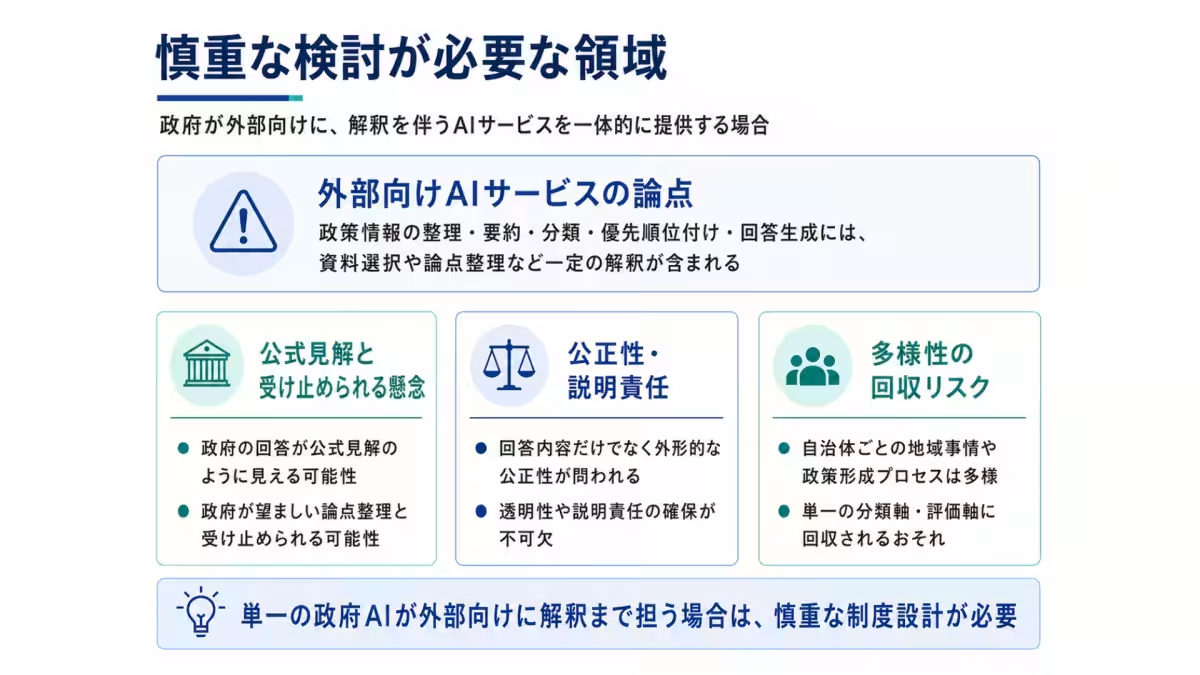
AI has the potential to simplify the processes of searching, summarizing, classifying, and analyzing public information more effectively than ever before. However, organizing and generating insights from this data inherently involves selective interpretation. Consequently, it is essential to delineate which responsibilities fall to government entities as opposed to private enterprises, based on their unique capacities and innovations.
LobbyAI's Perspective on Government and Private Sector Roles
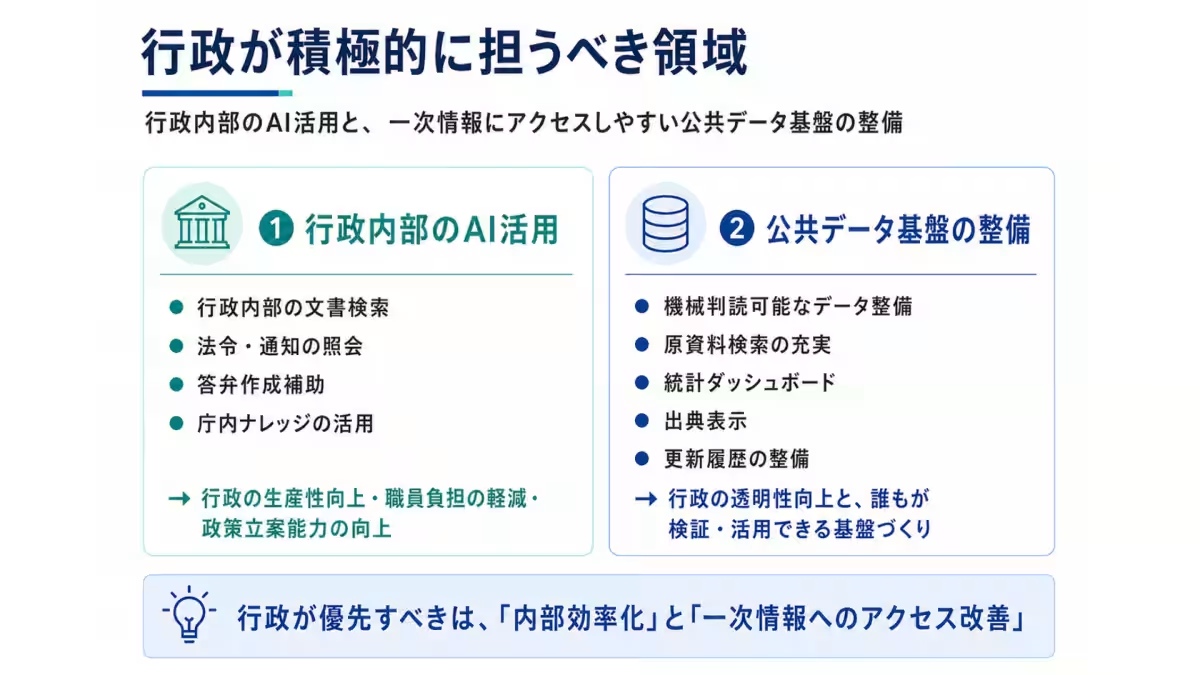
While LobbyAI recognizes the beneficial aspects of government and public organizations utilizing AI, it advocates for a balanced approach. AI can be effectively deployed within government frameworks for internal document searches, inquiries about laws and regulations, response drafting, and knowledge management. Such applications are anticipated to enhance administrative productivity, alleviate employee workload, and bolster policy formulation abilities.
Moreover, improving access to primary data—such as statistics, meeting records, budgets, and subsidy frameworks—by the government is vital for enhancing transparency in operations. Establishing machine-readable data standards, original document searches, statistic dashboards, and maintaining thorough update histories are key areas where the government ought to prioritize its efforts.
However, when the government contemplates offering integrated external AI services for summarizing and classifying policy information, careful evaluation is crucial. AI-generated responses wield the potential risk of being perceived as official government positions, leading to questions regarding fairness and accountability.
Future Directions for LobbyAI
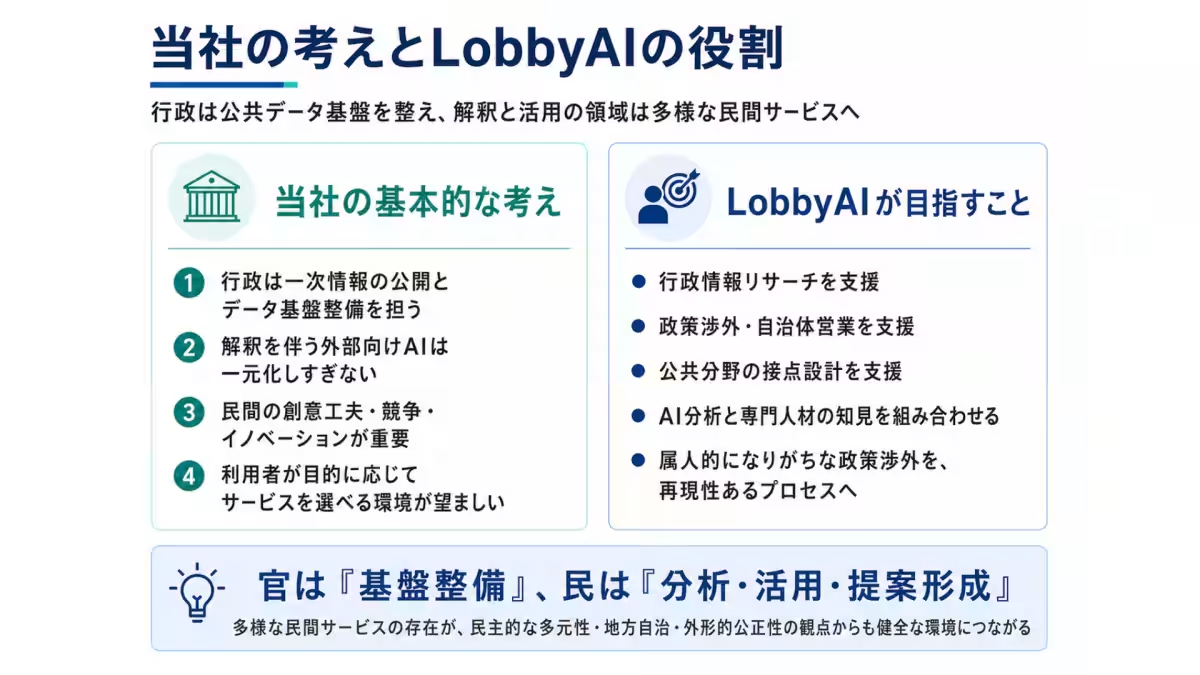
Ultimately, LobbyAI asserts that the primary focus of government should not be on delivering a single AI agent for external use, but instead on the creation of a robust public data framework comprising transparently published primary information and machine-readable datasets. Diverse entities—citizens, businesses, local governments, research institutions, and media outlets—should have the ability to verify and leverage this information independently.
Moreover, as policy information analysis, application, feedback, and proposal development often require contextual interpretation tailored to individual objectives, these processes should inherently rely on innovative private sector offerings rather than a unified government service.
With a spectrum of private enterprises available, users can select tools suited to their specific needs, fostering a healthy environment that emphasizes democratic pluralism, local governance, and external fairness.
In addressing the growing significance of public information research, negotiation, municipal sales, and intersection design in the public sector, LobbyAI aims to transform traditionally subjective interactions into replicable processes by incorporating AI analytical capabilities along with expert insights into policy and governance.
About LobbyAI
LobbyAI is designed to facilitate seamless and strategic advancement in public information analysis, assisting entities in navigating local government interactions effectively. By analyzing data from legislative discussions, budgets, and policy documents, the platform aids in identifying critical governmental trends, relevant themes, and optimal proposal timings for businesses and organizations.
In addition to its capabilities for public information searches and analysis, LobbyAI addresses the specific operational exigencies of businesses by integrating past Q&A data, internal business system data, and existing AI / BI frameworks, ensuring tailored utilizations of its offerings.
As LobbyAI continues to progress, it remains committed to enhancing public information utilization, improving access to governmental data via AI, and fostering effective public-private collaborations based on practical insights.
Representative Comments
"We are deeply honored to have our initiatives recognized in the national parliament. In Japan, local governments and central ministries regularly publish vast amounts of administrative and public information. Yet, these datasets remain dispersed, posing significant challenges for those seeking timely access.
We believe the relationship between administrative entities and the private sector in the age of AI should not be solely one-sided; instead, distinct roles must be clarified for mutually beneficial collaborations. The government should focus on transparency and equity, comprising the public data infrastructure, while allowing private innovations and competition to flourish in the analytical domain.
The public data foundation should be maintained by governmental entities, leaving room for various private services to compete, enabling citizens, enterprises, local authorities, researchers, and media to verify and utilize data from their perspectives. LobbyAI is dedicated to opening access to public information through AI, aspiring to establish a social infrastructure that empowers better decision-making across various sectors.
Moving forward, we will continue to uphold the values of transparency and public interest, contributing to the evolution of public-private partnerships and policymaking."
— Kyotaro Takahashi, CEO of LobbyAI Co., Ltd.


Topics General Business)
【About Using Articles】
You can freely use the title and article content by linking to the page where the article is posted.
※ Images cannot be used.
【About Links】
Links are free to use.