



Lumission Unveils Practical Guidelines to Promote the 'Five Good' Management Philosophy
Overview
Lumission Inc., located in Minato, Tokyo, has recently announced detailed guidelines to implement its mission of promoting the 'Five Good' management philosophy. This decision comes alongside the company’s official mission page, where they emphasize not just the importance of this philosophy but also its practical application in business management.
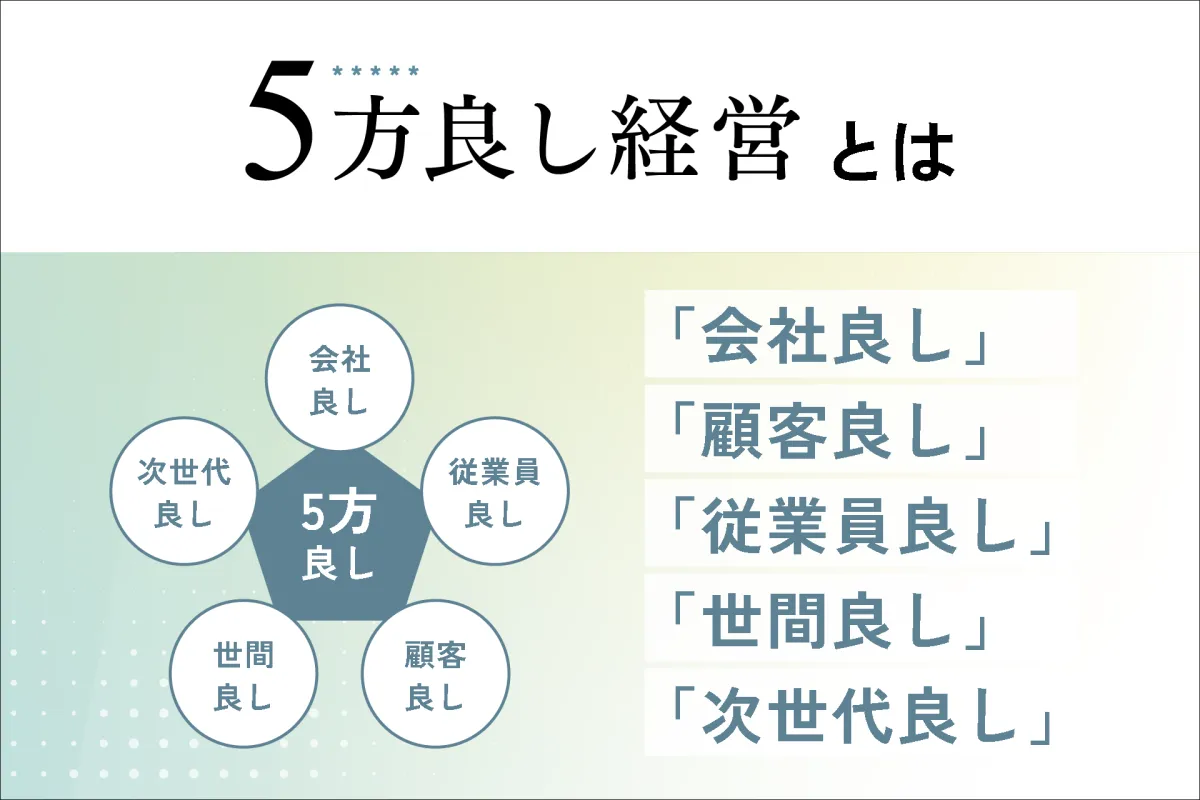
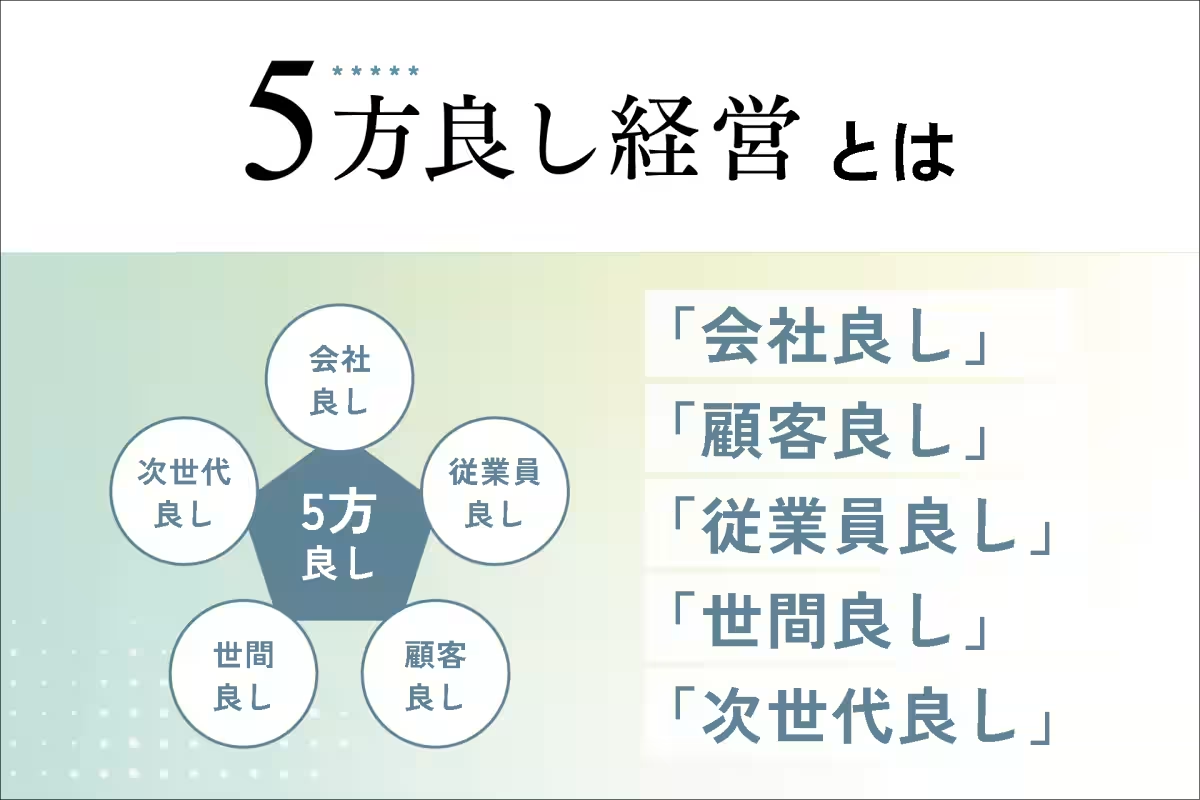
The concept, which encompasses the well-being of five stakeholders—the company, employees, customers, society, and future generations—has been a guiding principle since the company’s inception. The recent announcement aims to transform this philosophy from a mere slogan into a concrete framework that influences corporate decision-making processes.
Why is 'Five Good Management' Relevant Now?
In today’s business environment, many structural issues have surfaced, including:
- - Optimization for short-term profits
- - Excessive price competition
- - Person-dependent decision-making
- - Employee burnout
- - The hollowing out of corporate philosophy
As organizations are social entities, their survival hinges on the continuous trust-building with stakeholders. Lumission advocates for a redesign that integrates profit and philosophy rather than positioning them in opposition to each other. Thus, Five Good management is not merely a theoretical concept, but a structural strategy that organizes management priorities and criteria for decision-making.
What is 'Five Good Management'?
At its core, Lumission's 'Five Good Management' approach focuses on developing a framework that balances the needs of:
- - The company
- - Employees
- - Customers
- - Society
- - Future generations
Rather than optimizing for a single direction, this philosophy encourages a cycle among all five dimensions, aiming to foster sustained trust over immediate results.
For media coverage and insights on 'Five Good Management', visit the Lumission Media page here.
Related Articles
- - Does Customer Satisfaction Truly Correlate with Revenue?
- - Why is a Corporate Philosophy Necessary?
- - The Real Reasons Organizations Fail to Self-Manage
Implementation Strategy to Keep Philosophy Alive
Many organizations face a common challenge where their philosophies become mere words. Typical indicators include:
- - Not being used in decision-making
- - Lack of connection to strategy
- - Disconnect from evaluation systems
- - Absence of implementation at operational levels
In response, Lumission is committed to providing concrete support to organize these philosophies into decision-making criteria.
Executive Representation
This involves articulating the decision-making frameworks of executives in a manner that is reproducible across the organization. Explore more here.
Five Good Management Seminars
Lumission opens discussions on the sequence of management that harmonizes profits, human resources, and philosophy without fragmentation. Details can be found here.
While many companies now proclaim philosophical values, few operationalize them into actionable decision-making criteria. Lumission continues to focus on this critical implementation phase.
Future Developments
Looking ahead, Lumission plans to:
- - Publish case studies of companies implementing 'Five Good Management'
- - Release sector-specific management structure reports
- - Conduct executive interview initiatives
- - Expand its free business analysis reports
Through these efforts, Lumission aims to clarify the tangible impact of philosophies on management practices in society. 'Five Good Management' is not an idealistic viewpoint; instead, it serves to minimize uncertainties, streamline decision-making, and build trust across all levels of engagement.
Company Summary
- - Company Name: Lumission Inc.
- - Location: 2-16-1 Konan, Minato, Tokyo
- - Official Website: Lumission
- - Contact: Inquiries


Topics Other)
【About Using Articles】
You can freely use the title and article content by linking to the page where the article is posted.
※ Images cannot be used.
【About Links】
Links are free to use.