



Leveraging AI in Childcare: A Third of Caregivers Embrace Technology
The Growing Role of AI in Early Childhood Education
Introduction
In a groundbreaking survey conducted by Unifa Inc., it was found that an impressive 33.4% of childcare providers and early childhood educators in Japan are now utilizing AI technologies in their daily work. This substantial figure points to a significant shift towards technology integration in childcare, particularly with the rising capabilities of AI in various sectors.
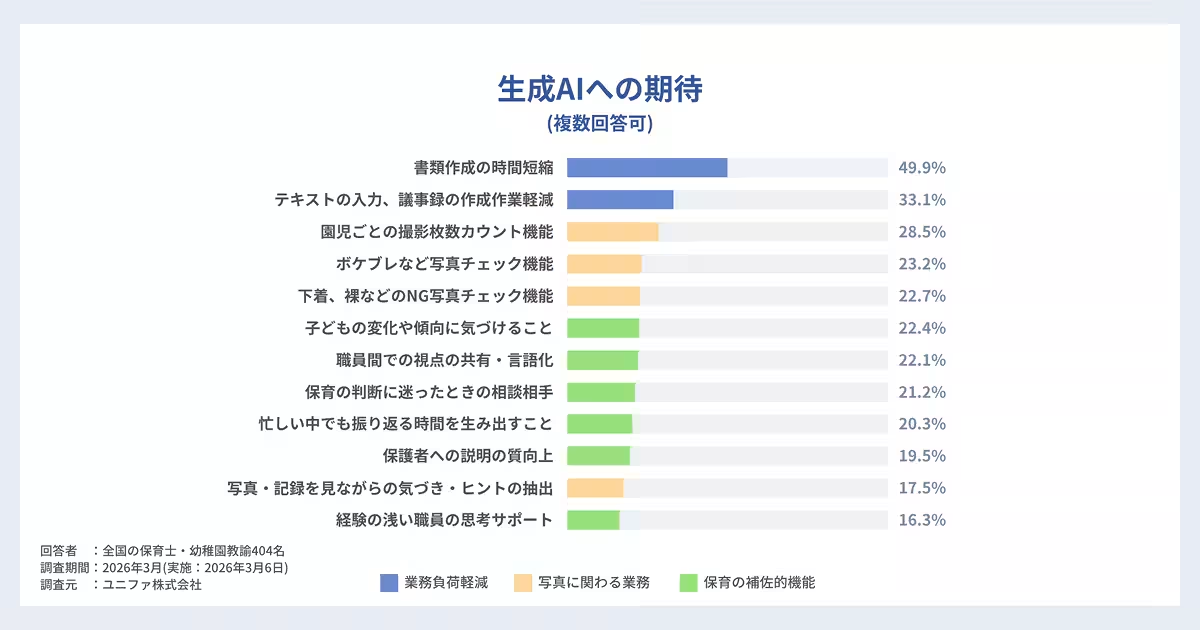
This survey, which involved 1,209 participants across the nation, aimed to understand how AI is being utilized within the childcare settings. The study shows that the initial application of AI primarily focuses on text generation functions, such as document creation and drafting. However, as the demand for sophistication grows, a clear anticipation for the next wave of AI functionalities, including photo management and decision-making support, is also emerging.
The Facility of Unifa's AI Solutions
Unifa, headquartered in Chiyoda, Tokyo, has taken substantial steps to integrate AI into the childcare sector. Their initiatives with features like 'Rukume Photo' which automates photo checks, have not only reduced the operational burdens on caregivers but also enhanced the safety and reliability of childcare institutions. This step towards AI integration showcases their commitment to creating technologies that aid in problem-solving within the field of childcare.
Unifa is not just stopping at text generation; they are continuously innovating to ensure that their AI solutions effectively cater to the daily complexities faced by childcare providers. As they look to the future, Unifa aims to further enhance their offerings, reinforcing the commitment to creating more time for caregivers to interact meaningfully with children.
Survey Insights: Current AI Utilization
The survey revealed several interesting insights:
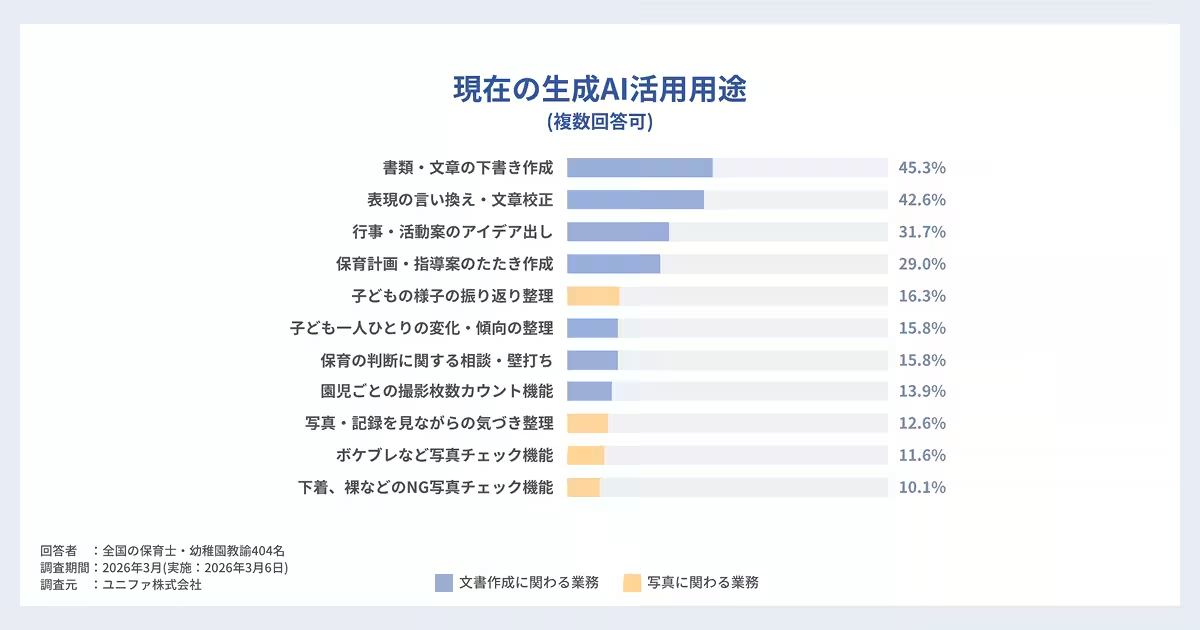
- - Focus on Text Generation: A significant portion of the AI utilization (over 45%) revolves around tasks like document creation and text drafting. This trend highlights a primary reliance on AI for administrative duties, freeing up valuable time for caregivers to engage directly with children.
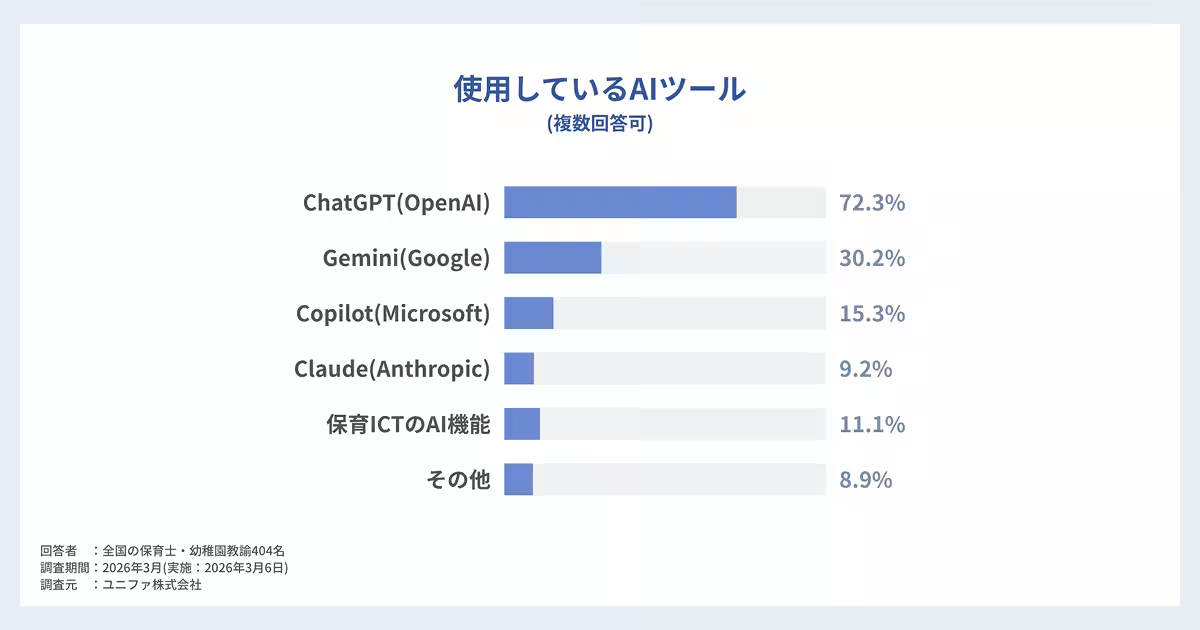
- - Dominance of General AI Tools: Over 72% of respondents reported using general AI tools like ChatGPT, indicating a low awareness of specialized AI functionalities tailored for childcare environments.
- - Emerging Needs: There is an evident need for next-gen AI functions like photo management (to assist in tracking children's activities) and decision-making support. Many professionals voiced a demand for tools to count photo submissions per child or automatically detect poor quality visuals—highlighting a desire for more specialized solutions in their daily operations.
Future Potential of AI in Childcare
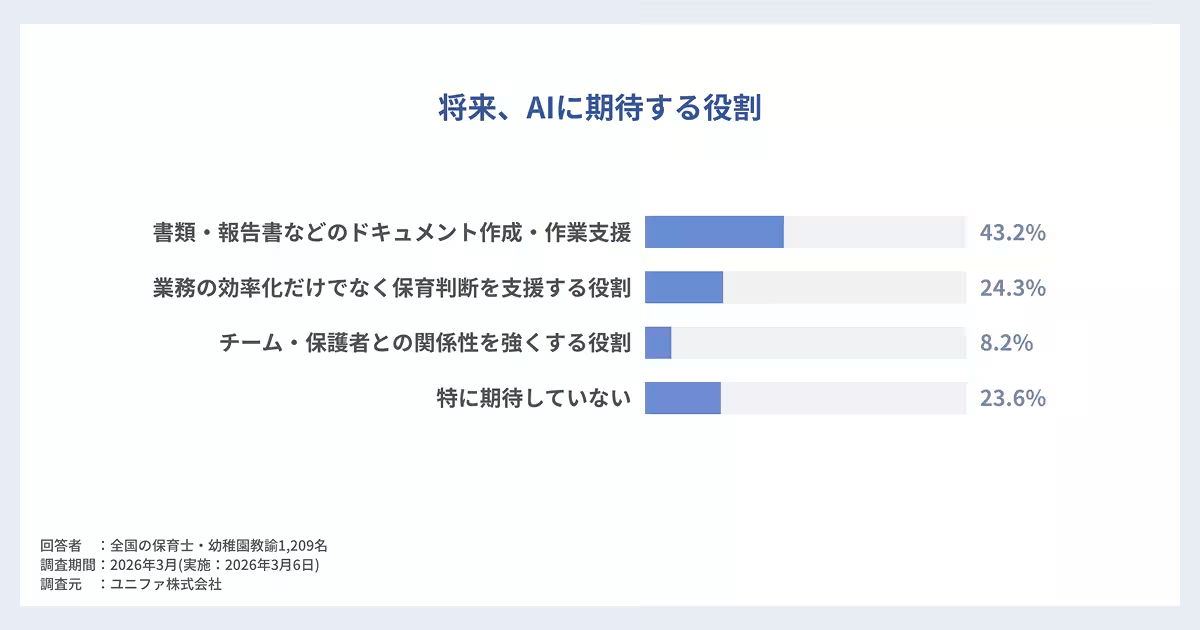
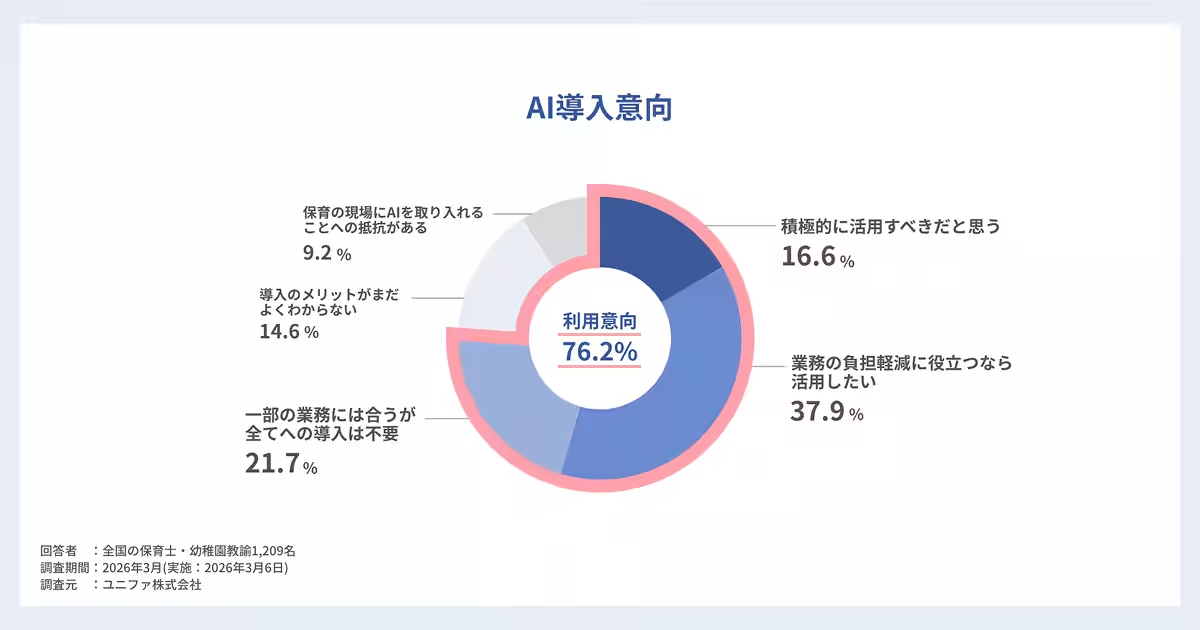
Looking ahead, the interest in AI’s role isn’t just about automation. A significant 76.2% of respondents expressed a desire to incorporate AI into their operations more extensively. The expectation is for AI to assist in both the administrative aspects of childcare and in making informed decisions regarding the wellbeing of children.
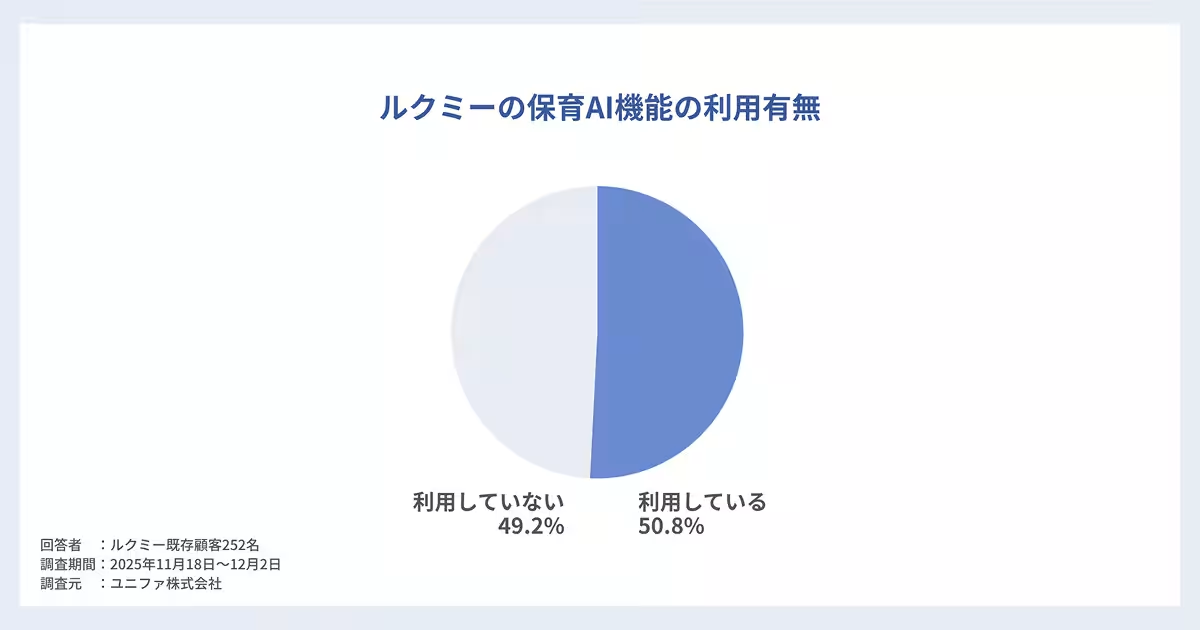
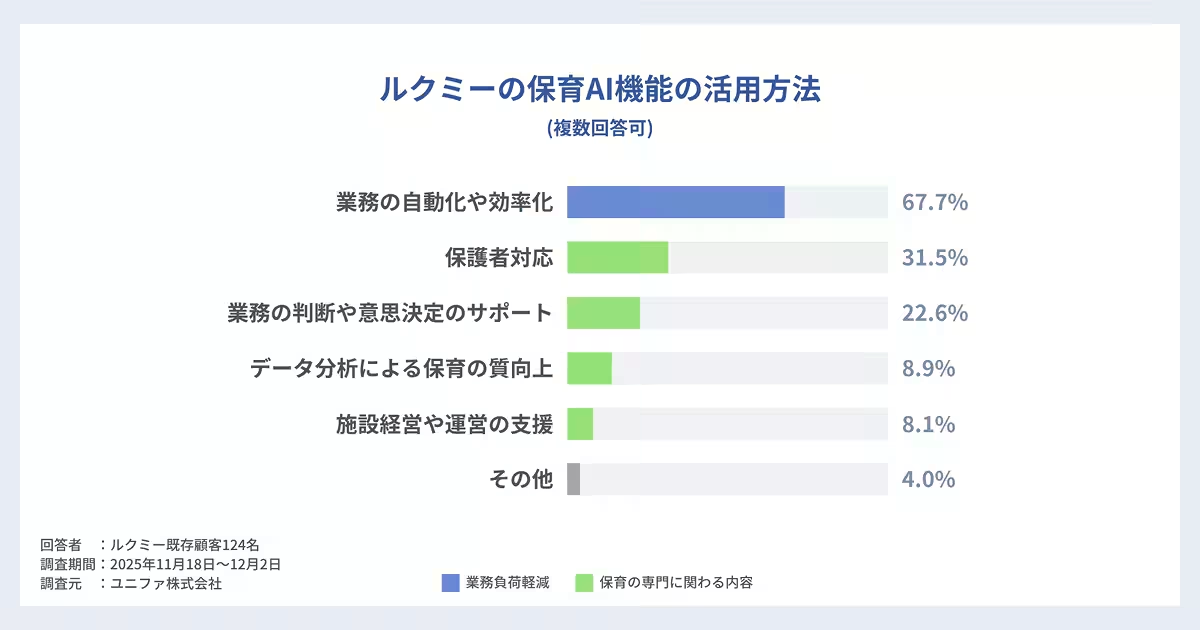
With the implementation of new AI features, such as individual image management and communication support, Unifa’s 'Rukume' platform has been designed to adapt and cater to these evolving needs. Specifically, as of June 2023, about 50.8% of institutions utilizing 'Rukume' are actively using its specialized AI capabilities.
Addressing Security Concerns
Despite the enthusiasm for AI integration, the survey also highlighted critical concerns regarding the security and privacy of sensitive data, particularly in a sector that deals with children's information. Unifa recognizes this ambiguity; hence, they have established an internal AI policy that incorporates strict guidelines to ensure secure and private use of AI technology in educational settings. Their goal is to prevent misuse of data while ensuring that caregivers can leverage AI effectively within a safe framework.
Conclusion
The integration of AI in childcare is on an upward trajectory, presenting promising opportunities for improving the efficiency and effectiveness of caregiving. As practitioners increasingly rely on AI for support, it is crucial for firms like Unifa to continue innovating while safeguarding the integrity of sensitive data. Only by doing so can the collaboration between caregivers and technology enhance the early childhood education experience, ultimately creating a richer, more nurturing environment for children.
By fostering an ecosystem where AI tools are utilized responsibly, devoid of any risk of information breaches, the childcare sector can transcend its traditional barriers and embrace a future where technology and care go hand-in-hand.

Topics Consumer Technology)
【About Using Articles】
You can freely use the title and article content by linking to the page where the article is posted.
※ Images cannot be used.
【About Links】
Links are free to use.