



Denka Corporation Unifies Learning Systems with SmartSkill Campus
Denka Corporation Implements SmartSkill Campus
Denka Corporation, noted for its innovative approaches in various sectors, has embarked on a significant transformation in its educational framework by adopting the SmartSkill Campus Learning Management System (LMS). This strategic move aims to consolidate its previously fragmented learning systems across various departments into a cohesive, company-wide platform. With approximately 4,300 employees, Denka’s initiative represents a pivotal shift toward fostering a culture of self-directed learning and data-driven human resource development.
Background: Mission 2030 and the Vision for Integrated Learning
In alignment with its corporate strategy, Mission 2030, Denka placed a strong emphasis on creating value through its workforce. The objective is to cultivate a culture where each employee takes charge of their career development and learning processes. However, the organization faced challenges due to the existence of multiple, department-specific LMS platforms that led to the fragmentation of educational data. This situation created inefficiencies in management practices and hampered the effective use of educational resources.
Recognizing the necessity for centralized educational data management from the perspectives of human capital management and talent management, Denka initiated a comprehensive evaluation of its LMS options. This effort also addressed the limitations of existing systems in terms of flexibility and scalability for future expansions.
The Evolution of Learning Through Unified LMS
Denka’s decision to unify its LMS has already begun to bear fruit, marking a significant milestone in its journey toward more advanced talent management practices.
1. Redesigning the Data Framework
The initiative commenced with a fundamental redesign of the educational data framework. Rather than merely documenting educational history, the new system is structured to transform this data into actionable human capital insights. By integrating with HR data systems, the consolidated management and analytical capabilities of the LMS allow for more informed decision-making.
2. Operational Rules Aligned with Real-World Needs
The development of operational rules was based on thorough consultations and gap analysis, ensuring that the LMS operates in accordance with the real-world environments of Denka’s varied departments. Considerable attention was also given to creating user-friendly manuals, making it easier for both educators and trainees to navigate the system.
3. Unified Educational Framework
Simultaneously, Denka restructured its educational programs in tandem with the LMS upgrade. This dual approach is focused on program consolidation and standardization of management practices across the organization.
Reasons for Choosing Revic Global and Evaluation of Implementation Process
Denka evaluated various potential partners before selecting Revic Global for its LMS implementation. Their decision was heavily influenced by the following three factors:
1. High Compatibility with Grand Design
Revic Global’s SmartSkill Campus stood out not only as a training management tool but also for its seamless integration with existing systems and its capacity to leverage HR data for personalized learning experiences. This design supports a cohesive educational framework across the enterprise.
2. Comprehensive Standard Features
The platform’s array of built-in features, which require no additional costs for implementation, was seen as a distinctive advantage over competing LMS options.
3. Robust, Supportive Partnership
Revic Global’s approach is characterized by its emphasis on a supportive, partnership model. Timely and effective responses during the initial rollout, coupled with hands-on assistance for practical operational issues, has instilled a sense of confidence in Denka as it transitions into the full-scale utilization of the LMS.
Comments from Denka's Human Resource Strategy Department
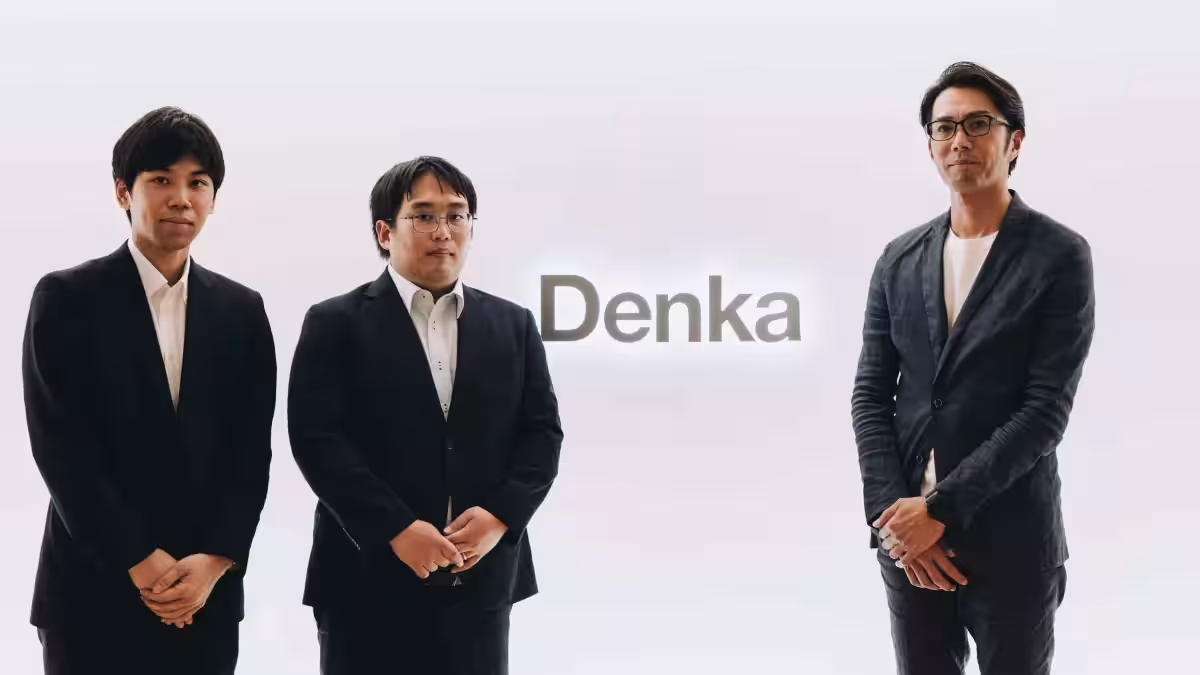
In an interview, members of Denka’s Human Resource Strategy Department expressed their firm commitment to fostering a culture of self-directed learning. They highlighted the importance of the SmartSkill Campus implementation as a crucial step toward realizing their ambitious goals for employee engagement and talent development.
The automated linkage between learning records and the talent management system has facilitated a centralized view of learning data, allowing for enhanced visibility of individual training histories. Such developments are expected to lead to more sophisticated talent utilization and developmental initiatives moving forward.
Denka management appreciates the evolving support from Revic Global, emphasizing the assurance provided by the responsive nature of the assistance received, which fully addresses emerging operational demands as the new system scales up.
About SmartSkill Campus
SmartSkill Campus, created by Revic Global, is a highly functional LMS designed for large enterprises. Supporting concurrent users in the tens of thousands, it provides a robust system foundation that can implement a wide range of educational strategies. With features like AI-driven course recommendations and automated operational functionalities, it facilitates a concentrated approach to education without overwhelming administrators.
As a critical element of their service, Revic Global offers comprehensive customer success support from the installation process through to consistent operational support, ensuring that the learning structures align with each client’s strategic objectives. Over 450 companies and 2 million users are already benefiting from this innovative platform.
About Denka Corporation
Denka Corporation is a chemical manufacturer that has thrived since its inception in 1915, driven by a unique technological prowess. With an ethos centered on using chemical expertise to improve the world, Denka has continuously adapted to fulfill societal needs while providing trust-driven solutions via its manufacturing endeavors. The company operates four main business divisions and is advancing its corporate value through the ongoing Mission 2030 initiative focusing on value creation in business, workforce, and management strategies.
Topics Consumer Products & Retail)
【About Using Articles】
You can freely use the title and article content by linking to the page where the article is posted.
※ Images cannot be used.
【About Links】
Links are free to use.