



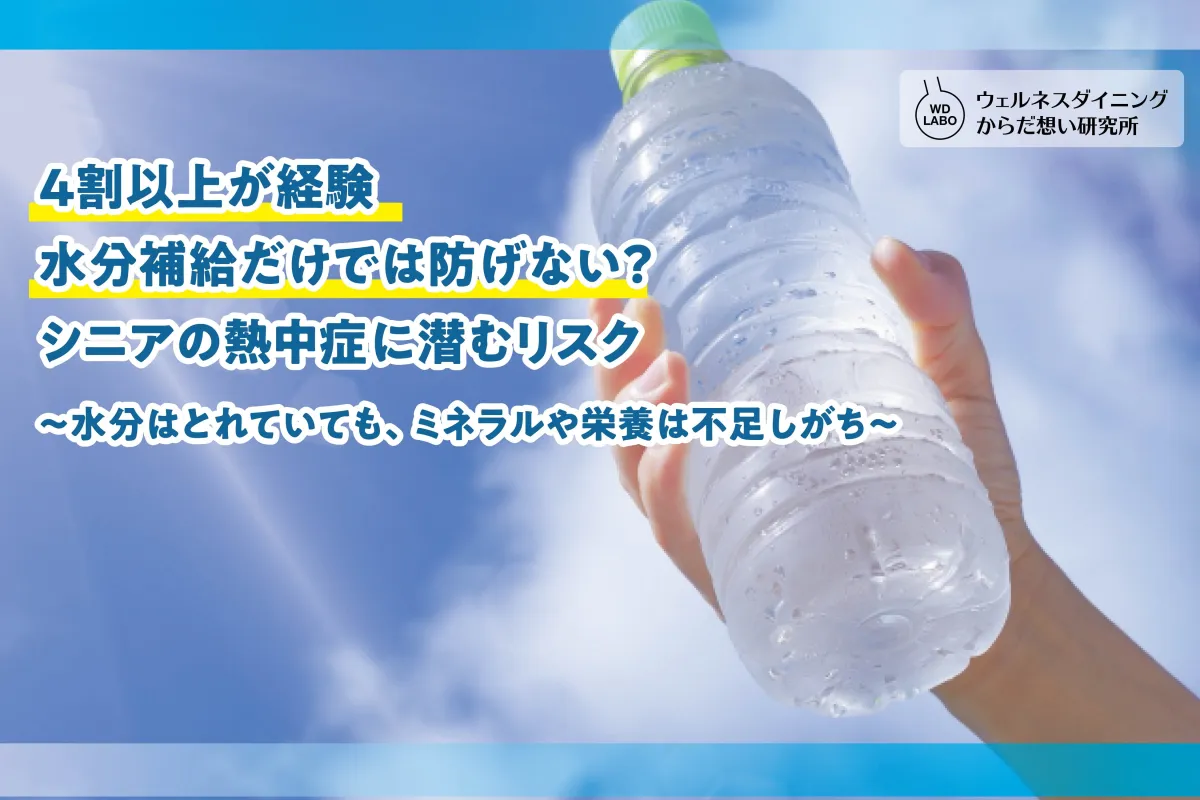
Over 40% of Seniors Report Symptoms of Heatstroke in Summer Survey
Understanding Heatstroke Among Seniors: A 2026 Survey Analysis
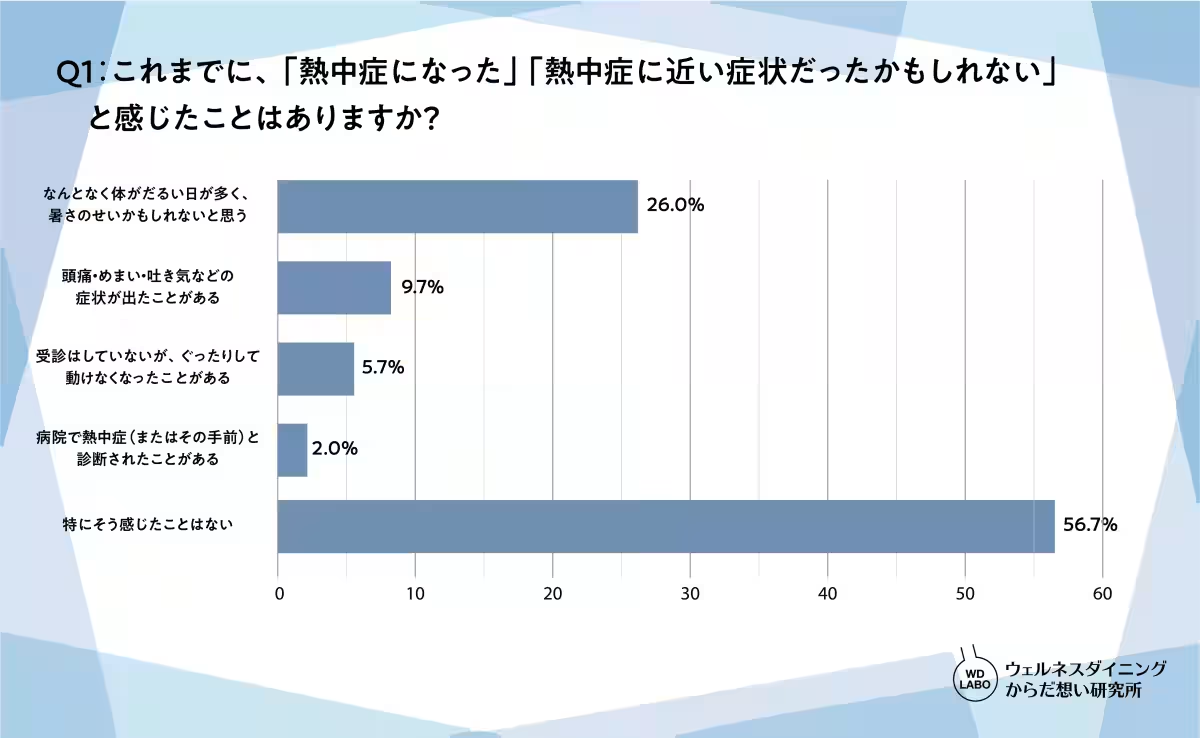
A recent survey conducted by Wellness Dining Co., Ltd., based in Sumida, Tokyo, has unveiled concerning trends regarding heatstroke among seniors aged 65 to 80. The survey indicates that a staggering 43.4% of participants have either experienced heatstroke or believed they experienced symptoms close to it. This statistic underlines the urgent need for greater awareness and preventive measures against heat-related illnesses for senior citizens, especially during the scorching summer months.
Survey Results Overview
The survey, aimed at uncovering the realities of heatstroke among older adults, highlighted several important findings:
- - 43.4% of seniors have felt symptoms related to heatstroke.
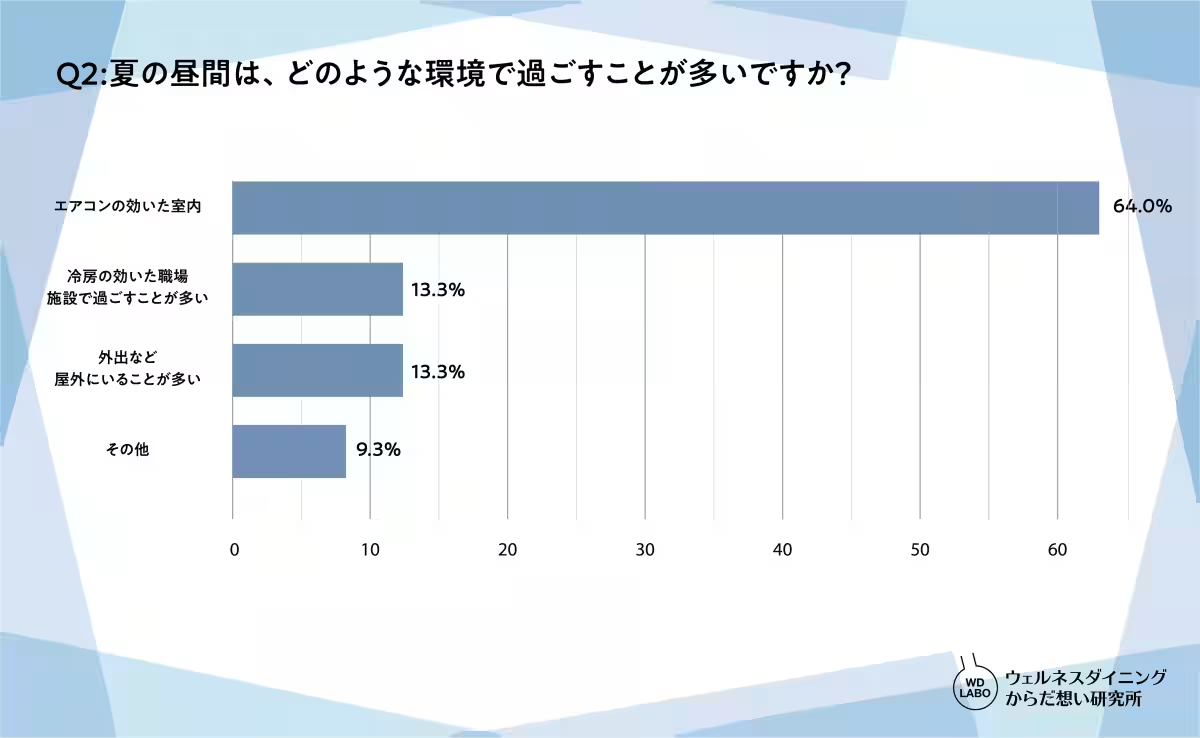
- - 64.0% of respondents spend their days in air-conditioned environments.
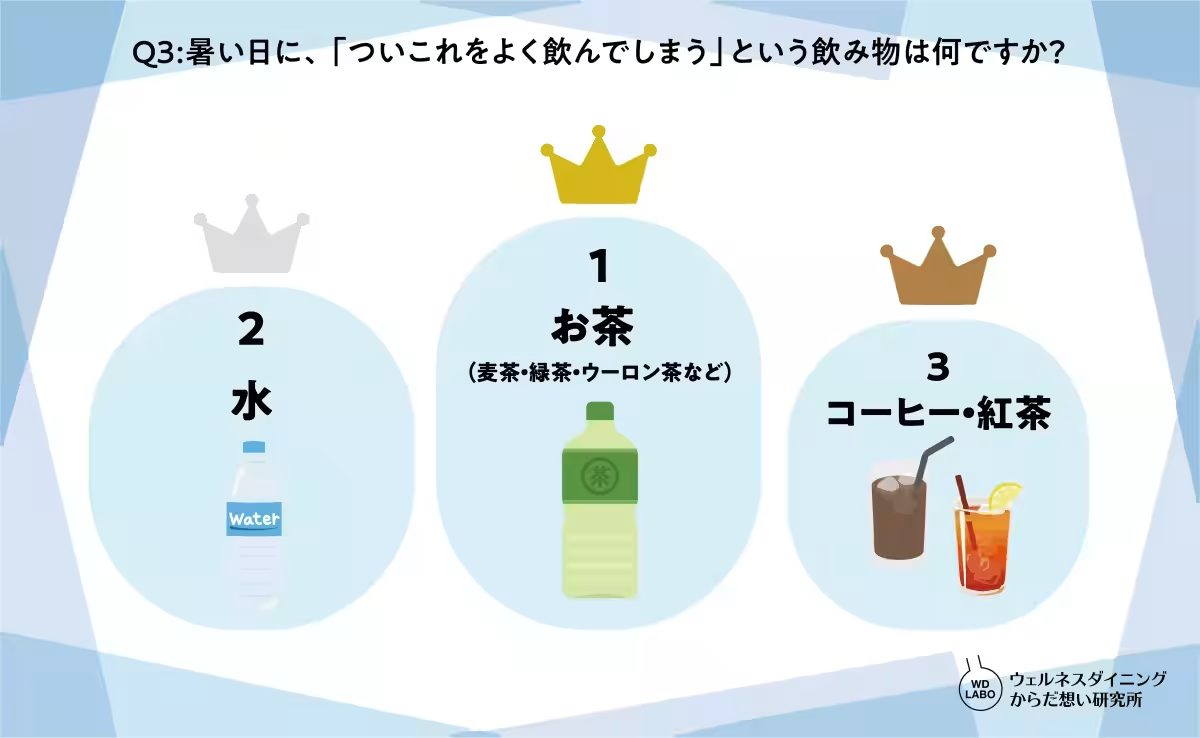
- - For summer hydration, 59.7% say they primarily consume tea, while only 2.7% opt for oral rehydration solutions.
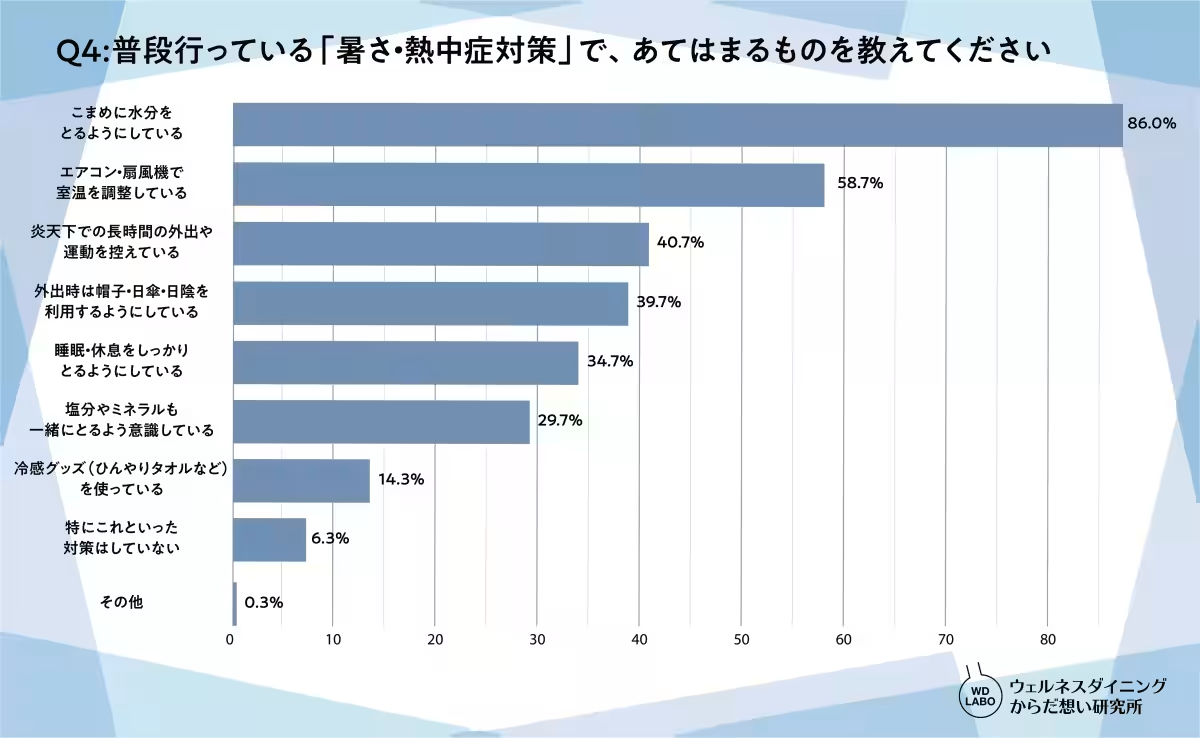
- - The most common mitigation strategy reported was 86.0% opting for regular fluid intake, whereas only 29.7% were aware of the need for salt and mineral intake.
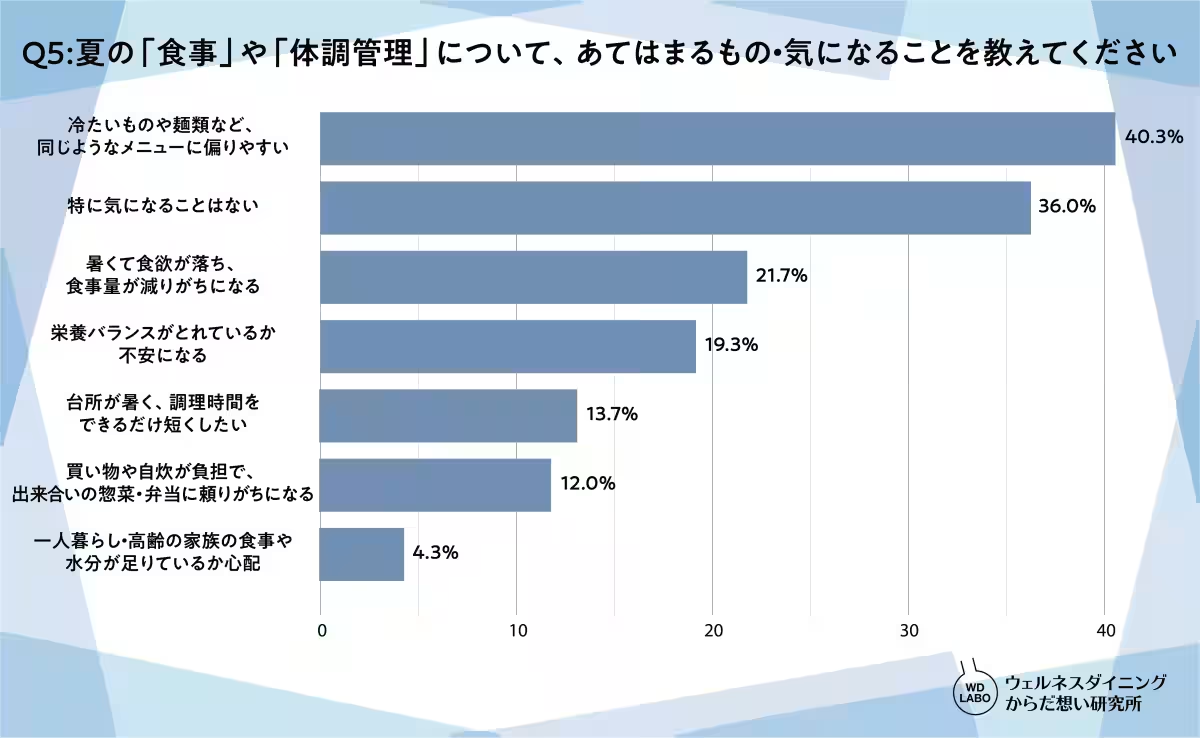
- - 40.3% admitted to dietary patterns skewing towards cold items and noodles, particularly during the hot season.
These results suggest a glaring need for educational initiatives that promote the importance of both hydration and nutrition. These factors are crucial in combating heat stress and maintaining overall health among the elderly.
The Importance of Adequate Nutrition
Interestingly, while there is a high awareness of the necessity to stay hydrated, many seniors overlook the value of incorporating minerals and electrolytes into their diet. The survey revealed that while elderly individuals might feel they are staying hydrated through water or tea, they are failing to replenish essential salts lost through perspiration. This oversight can lead to deleterious health effects.
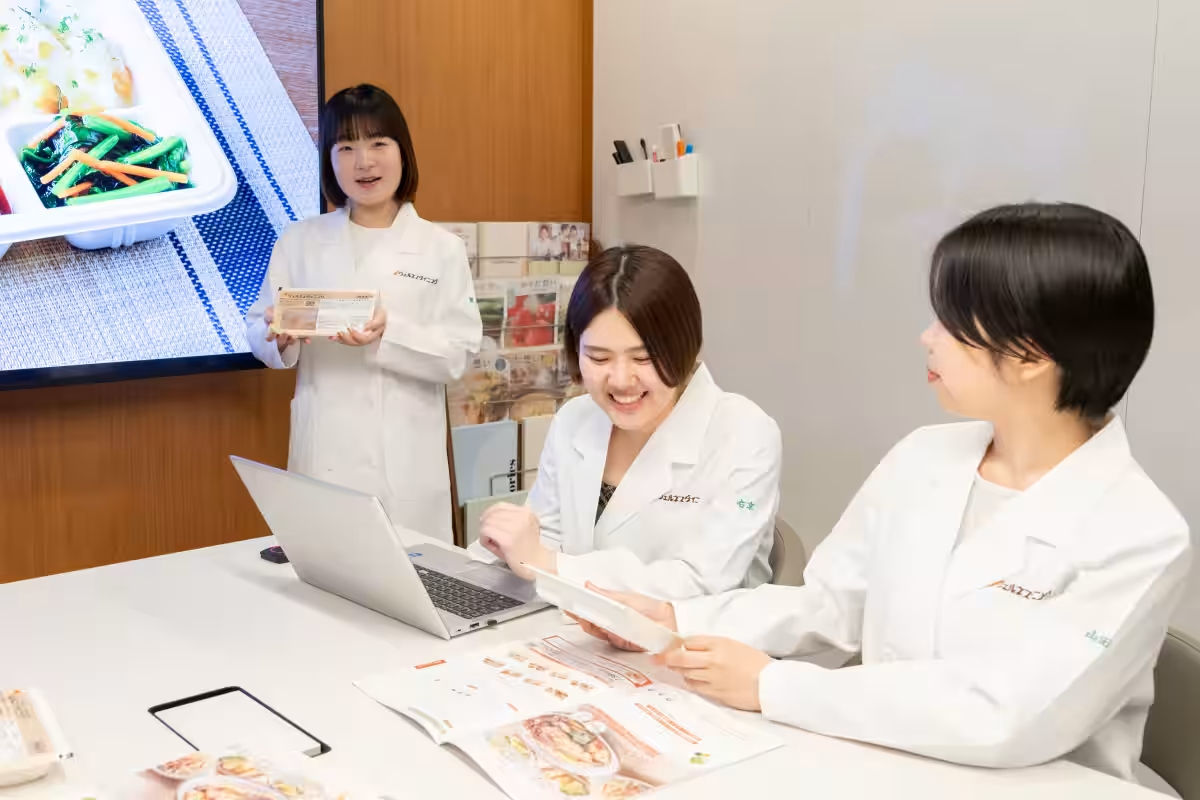
As pointed out by Wellness Dining’s nutritionists, hydration is not solely about drinking fluids; it also entails ensuring a balanced intake of necessary nutrients through meals. For example, meals that incorporate ingredients like canned fish into noodles or emphasizing fruits and vegetables rich in water content can enhance nutrition while keeping meals enjoyable.
Recommended Dietary Adjustments
1. Enhanced Nutritional Intake: Seniors are encouraged to consume complete meals that provide not only fluids but also necessary salts and minerals. Meals that include cold salads, seafood, and hydration-rich fruits should be a staple during summertime.
2. Caffeine and Sugar Awareness: Given that many older adults consume tea or sugary drinks during the hot months, it's vital to educate them about the drawbacks associated with excess sugar and caffeine, which can exacerbate dehydration.
3. Visual and Varied Meal Preparation: Integrating spices and colorful foods can stimulate appetite, making meals more appealing even amidst summer heat.
A Call for Increased Awareness and Action
With temperatures rising globally, it is critical to ensure that our older population is not just hydrating but also addressing all aspects of their health, including nutrient intake. The stark statistics show that while seniors practice good water consumption habits, they need guidance in balancing their diets to prevent heat-related illnesses effectively.
As summer approaches, the emphasis for caregivers and seniors alike should shift towards a more balanced approach to prevent heat exhaustion. It’s not merely about how much you drink but ensuring you're drinking smartly and eating wisely. This educational gap needs addressing to ensure a healthier, happier summer for older adults.
Ultimately, nurturing a culture of wellness, as championed by companies like Wellness Dining, will arm seniors with the knowledge and tools they need to thrive during the hottest months.
Topics Health)
【About Using Articles】
You can freely use the title and article content by linking to the page where the article is posted.
※ Images cannot be used.
【About Links】
Links are free to use.