



How Online Education is Transforming Support for School Refusers: A New Role in Bridging to Real Society
The Current State of Support for School Refusers
Recent insights into online alternative schools are shedding light on how digital learning environments can support school refusers in a way that promotes gradual reintegration into society. The aini school, managed by Gaiax Inc. in Tokyo, has released findings from a recent survey conducted among 215 participants, utilizing both parent questionnaires and data from former students.
Online Learning: A Gateway to Security and Connection
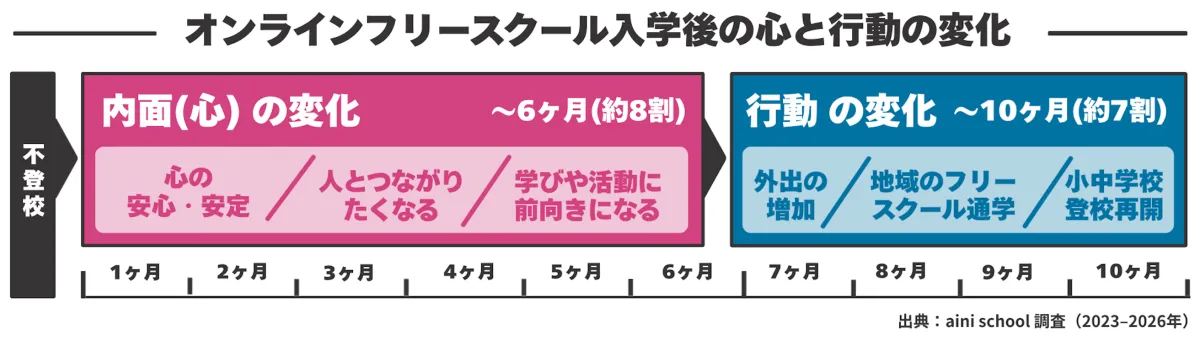
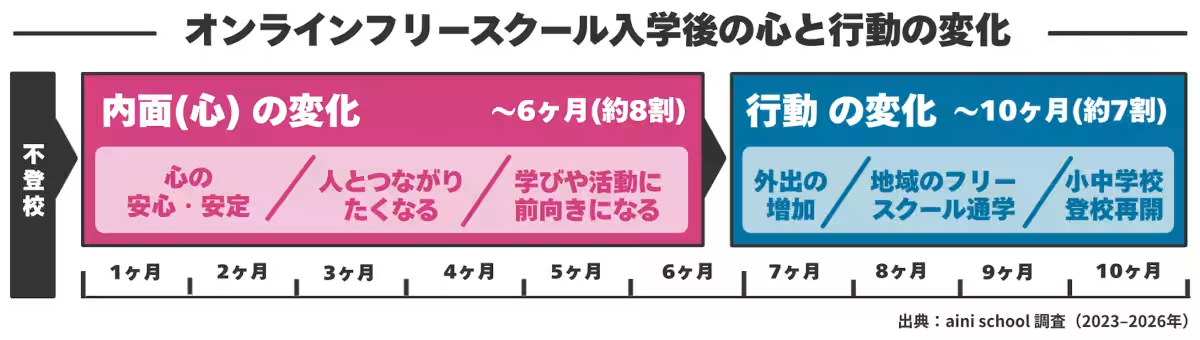
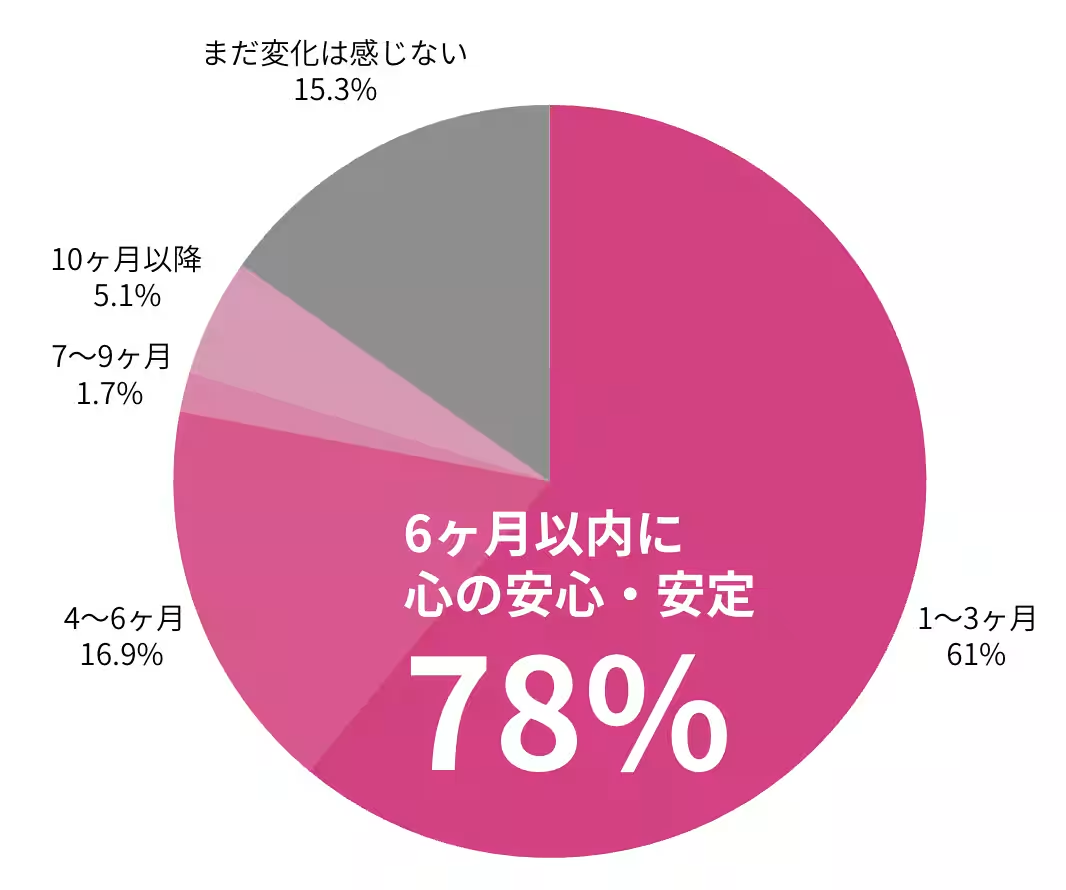
Traditionally, online learning platforms have been criticized for perpetuating isolation, especially among students who struggle with school attendance. However, a significant analysis conducted indicates a paradigm shift. According to recent statistics, approximately 78.1% of school refusers have reported feeling a sense of emotional stability and positivity within the first six months of enrollment. Furthermore, nearly 70% exhibited behavioral changes, such as returning to school or participating in community learning spaces after about ten months.
This research highlights the evolution of online learning from merely a confined space to a pivotal infrastructure that helps students gather strength to take their next steps toward participating in society.
A Shift in Perception
The Ministry of Education has noted a record high in the number of students facing school refusal. With data revealing that over 54% of students miss more than 90 days of school annually, the importance of effective and timely support is clearer than ever. The findings from aini school emphasize that the emotional reassessment of school refusers must occur as a foundational step, underscoring the essential role of stability in fostering connectivity, motivation, and ultimately behaviors conducive to reintegrating into a more conventional social setting.
Behavioral Changes Over Time
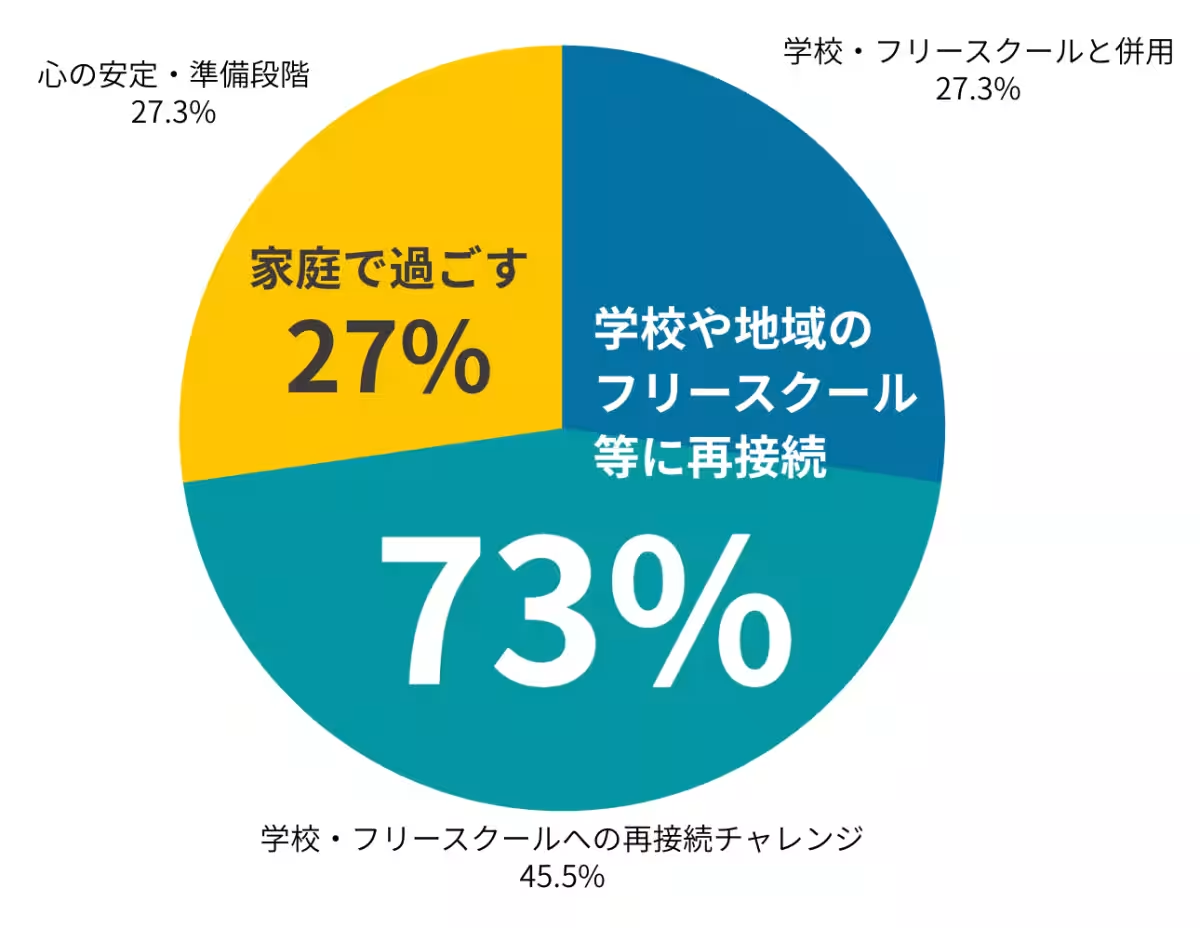
Interestingly, this analysis points out that while only 36% of families observed any change in behavior during the first one to three months, this figure rose to over 68% by ten months. It suggests that behavioral changes do not materialize abruptly; rather, they develop progressively from a solid foundation of emotional security and connection. Notably, a substantial percentage of students have left the program willingly, with around 65% transferring to schools or community learning spaces, reflecting the ability of students to choose their next path after achieving a level of inner calmness.
A Pathway to Reintegration
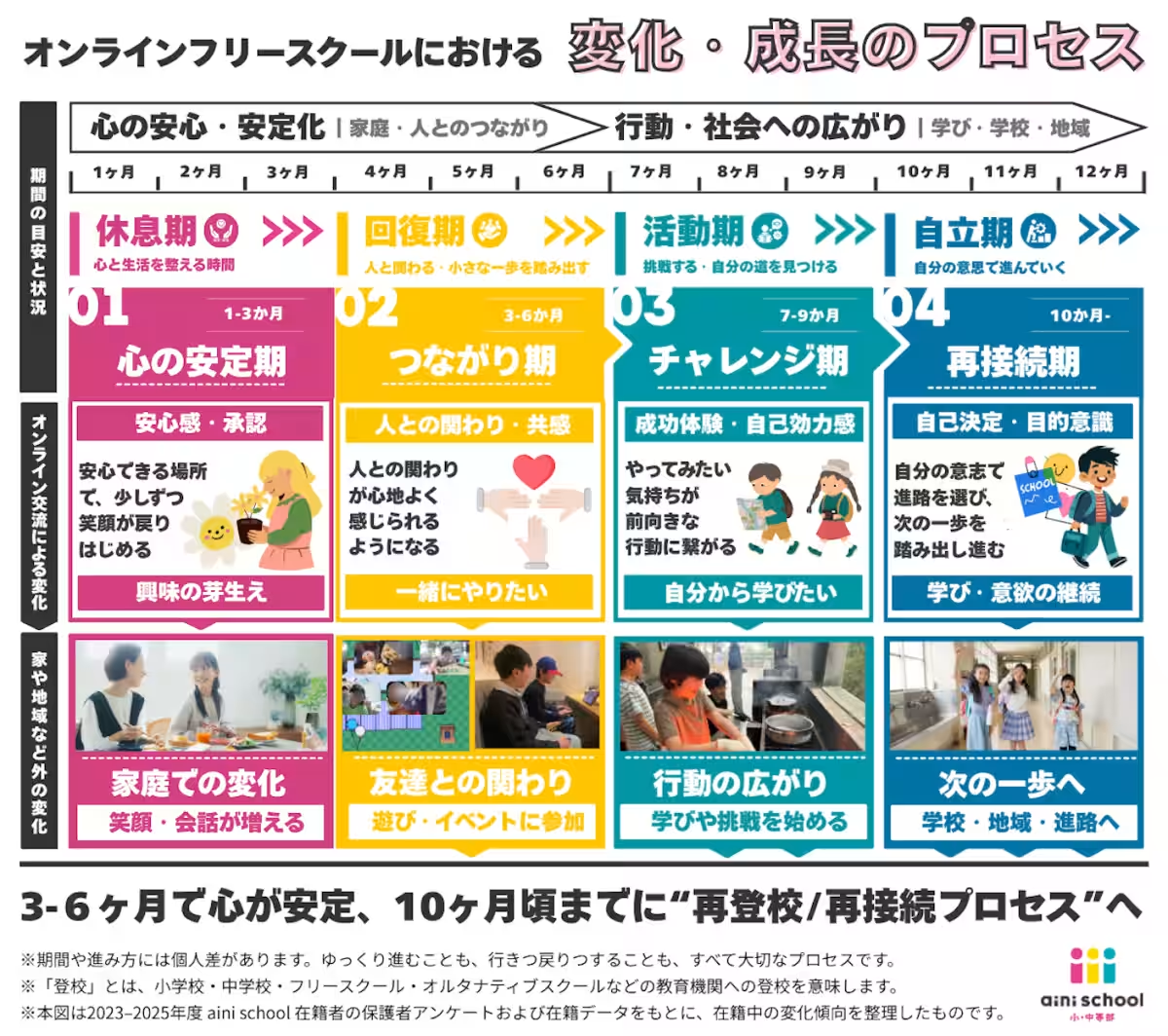
The aini school intends to serve as a starting point for reconnection rather than an end destination. By promoting emotional well-being and social connections, the platform aims to prepare students for making informed decisions regarding their next steps in education or social participation. The gradual phases identified in their research include:
1. Establishing emotional stability
2. Building social connections
3. Encouraging challenges
4. Facilitating reconnection to educational settings.
Voices of Experience
Parents have shared powerful testimonials about their children's transformation through aini school:
- - *

Topics Other)
【About Using Articles】
You can freely use the title and article content by linking to the page where the article is posted.
※ Images cannot be used.
【About Links】
Links are free to use.