



Cybersecurity Threats in Japan Surge by 73% in April 2026
April 2026 Cyber Threat Insights
Check Point Research (CPR), part of the industry leader in cybersecurity, Check Point Software Technologies, recently released a comprehensive report analyzing global threats for April 2026. The findings revealed a substantial increase in cyber attacks, particularly affecting Japan, which has seen an alarming surge in incidents.
Global Cyber Attack Overview
In April 2026, the average number of cyber attacks per organization globally reached 2,201, marking a 10% increase from the prior month and an 8% increase compared to the same month the previous year. After a temporary dip in March, cyber activity has resumed escalating, indicating an ongoing trend where threat actors are capitalizing on the increased exposure that comes with automation, digital footprint expansion, cloud adoption, and the utilization of generative AI.
Data revealed that Japan has faced an average of 2,048 cyber attacks per organization per week, ranking it fifth in the APAC region. This figure represents a staggering 73% increase year-over-year, significantly surpassing March's average of 1,723 incidents (which had increased by 42% year-on-year). This escalating trend underscores the urgency for effective cybersecurity measures as the pressure mounts from global threats.
Omer Dembinsky, CPR's Data Research Manager, commented on the statistics, emphasizing that the attacks seen in March were merely a temporary decrease. "Attackers remain active and adaptable, shifting their targets and timings rather than retreating. As ransomware attacks continue to rise and generative AI becomes incorporated into daily operations, organizations must treat cyber risk as a constant factor and take preventative measures based on governance and AI-driven security strategies."
Targeted Sectors and Continued Vulnerability
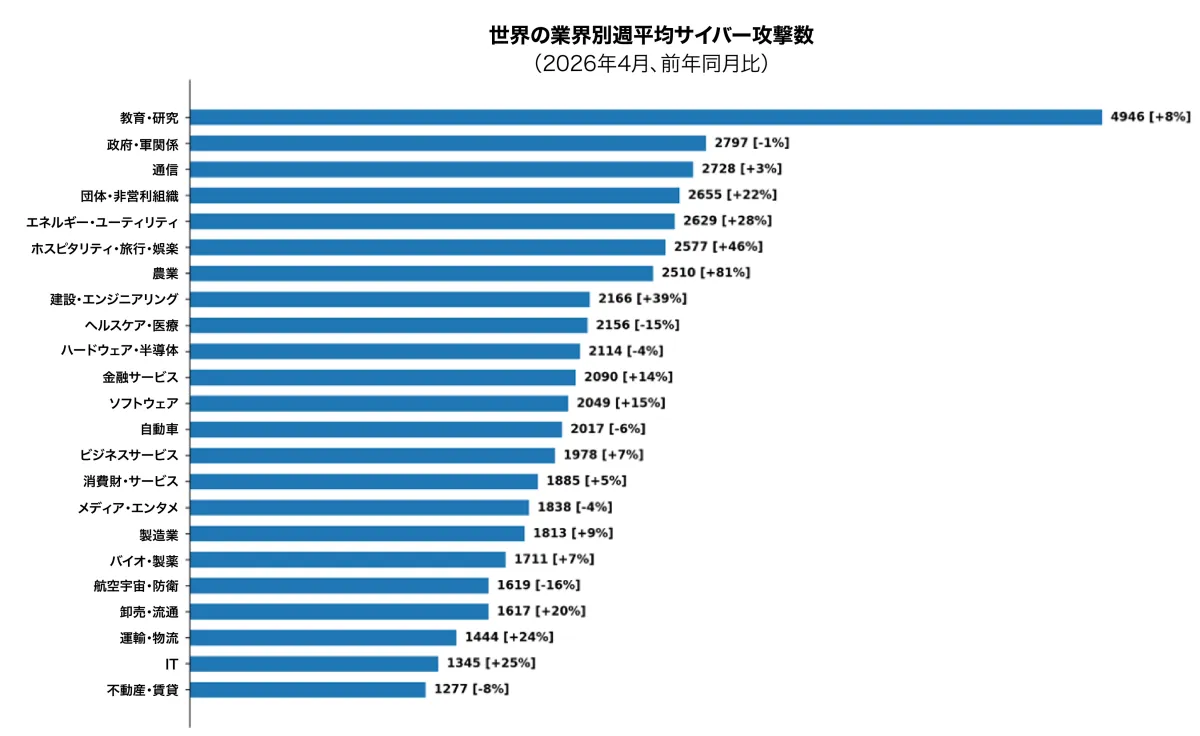
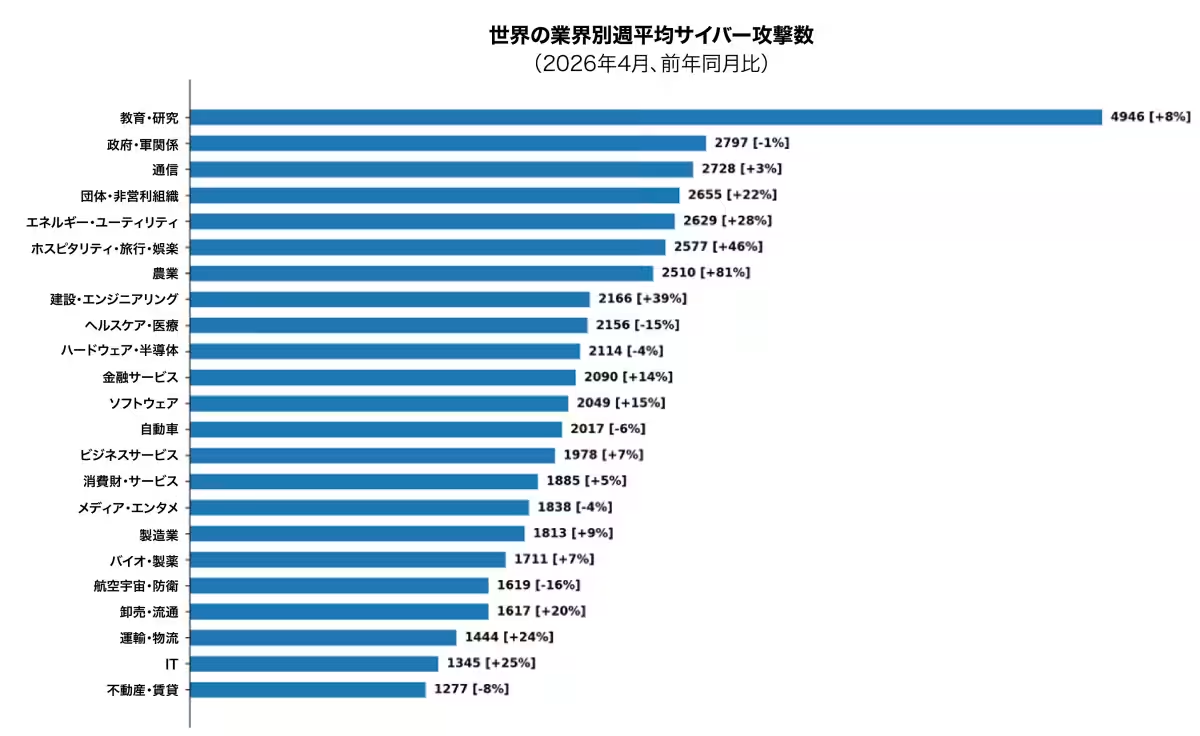
The education and research sector has once again emerged as the most targeted, experiencing an average of 4,946 attacks per organization weekly in April 2026, which is an 8% increase year-over-year. Despite its extensive and dispersed user base, the limited security resources available make it an attractive target for attackers.
In the government and military sectors, a slight decrease of 1% was observed, resulting in an average of 2,797 attacks per organization per week, showcasing relatively stable activity. Meanwhile, the telecommunications sector reported an increase of 3%, with organizations facing an average of 2,728 attacks weekly, as threat actors continued to target these industries for disruption and intrusion.
Regional Trends and Global Impact
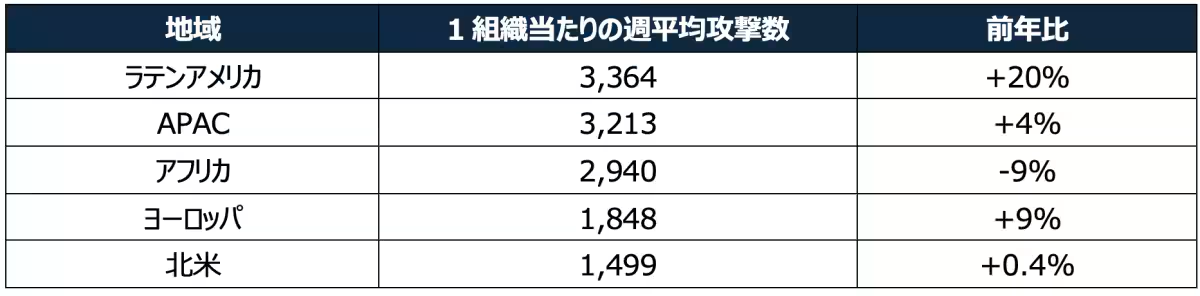
Across various regions, the upward trend in attacks is evident, with Latin America remaining the most targeted region globally, witnessing an average of 3,364 attacks per organization weekly, up 20% year-over-year. The APAC region reported a 4% increase with a weekly average of 3,213 attacks. Africa, while experiencing a 9% decrease with an average of 2,940 attacks per week, continues to be severely impacted. Europe and North America also saw increases, with Europe experiencing 1,848 attacks and North America 1,499 attacks per organization weekly.
The Role of Generative AI in Cybersecurity Risks
Interestingly, the introduction of generative AI has contributed significantly to the exposure risks. For every 28 generative AI prompts, one poses a high risk of sensitive data leakage. This threat is potential for 90% of organizations that regularly utilize generative AI tools. In April, it was noted that an average organization employs about ten different generative AI tools, and a typical user generates around 77 prompts monthly. This statistic highlights how deeply entrenched generative AI is in daily workflows, often outpacing governance and security measures.
The focus of risk has shifted from merely counting the number of attacks to understanding the impacts of exposure. Sensitive data leaks often occur through everyday generative AI usage, which often falls outside the visibility of traditional security measures, underscoring a critical area for organizations to address.
Escalating Ransomware Activities
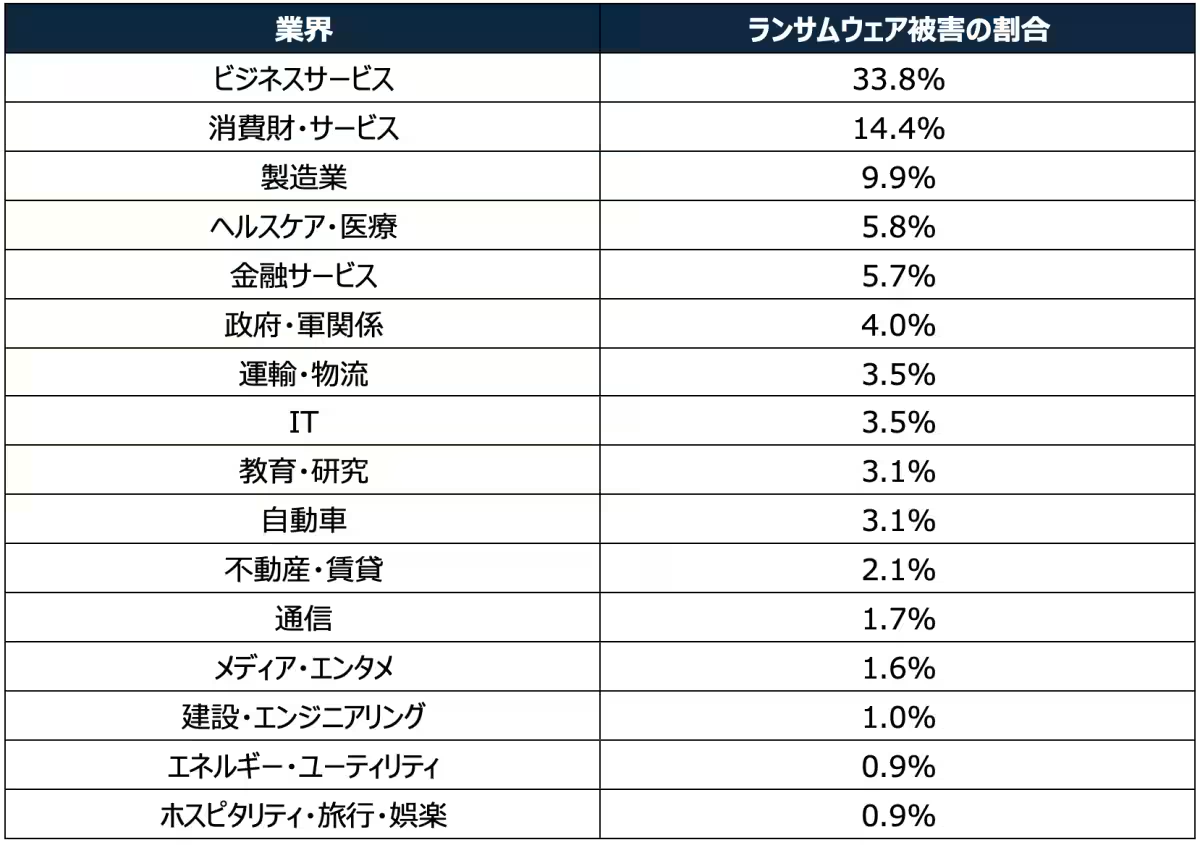
Ransomware attacks also continue to rise, with 707 incidents reported in April, representing a 5% increase from the previous month and a 12% increase year-over-year. Business services remain the predominant target sector, constituting 33.8% of recorded ransomware incidents, followed by consumer goods and manufacturing.
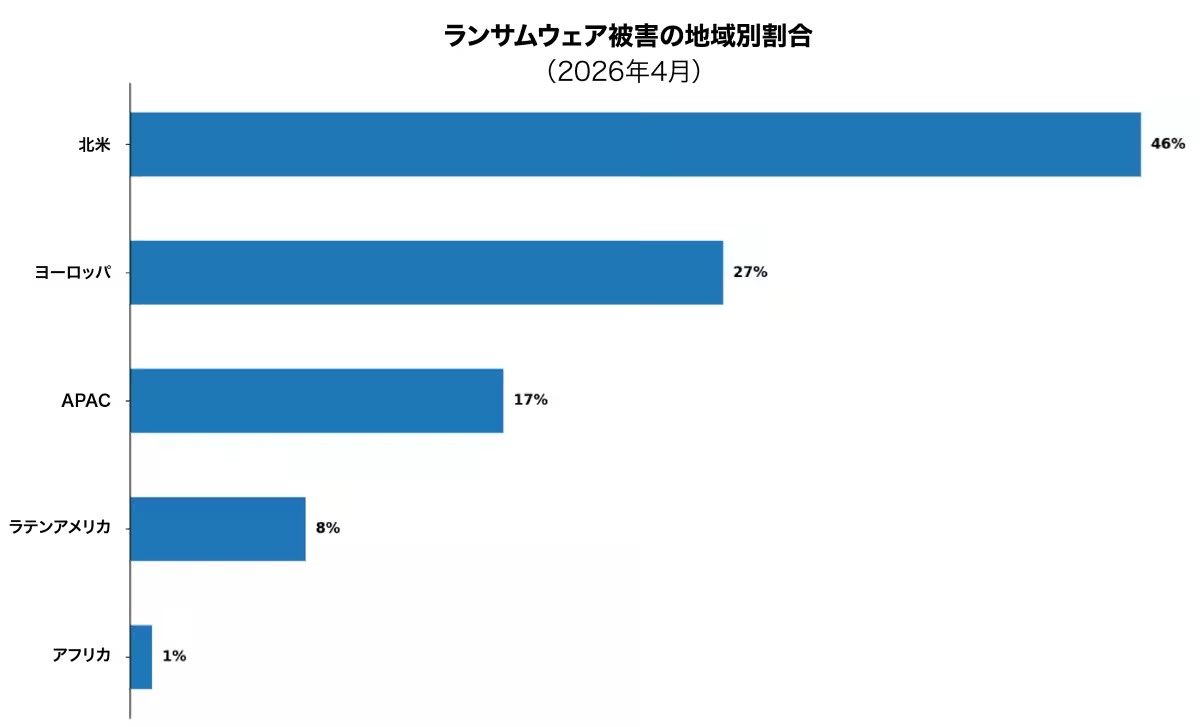
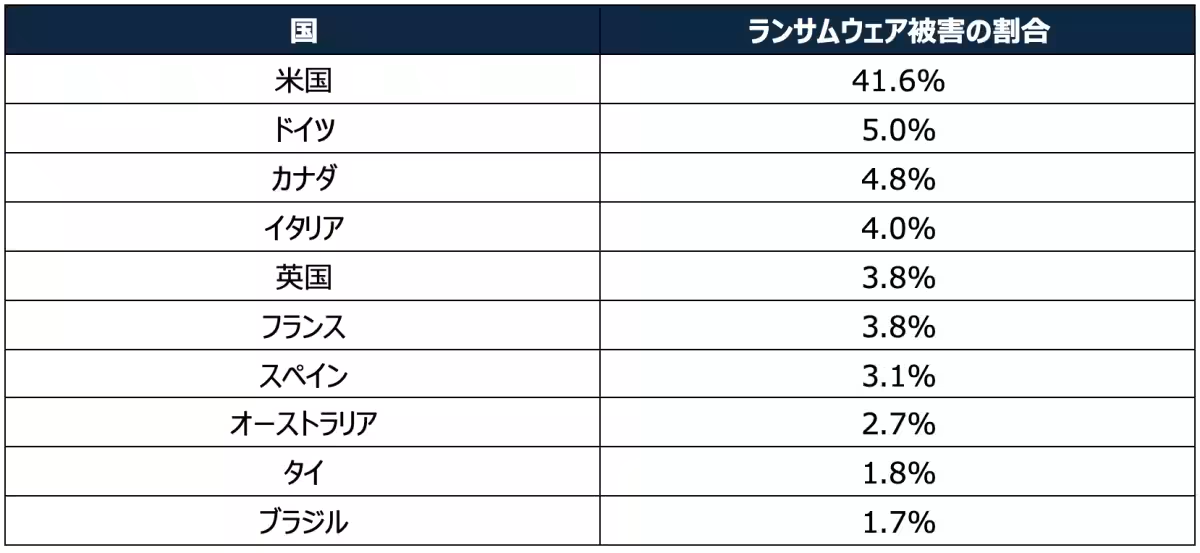
Regionally, North America accounted for 46% of reported ransomware attacks, followed by Europe at 27% and the APAC region at 17%. The U.S. alone was the most targeted country, comprising 41.6% of reported incidents.
While the ransomware ecosystem is expanding, a concentrated attack force remains, led by a few groups such as Qilin, responsible for 15% of reported attacks. This concentration highlights the resilience of the ransomware ecosystem, as established platforms facilitate recruitment and the proliferation of advanced attack tools, while smaller groups continue to pose persistent threats across various sectors.
Conclusion
As cyber threats evolve and diversify, the imperative for organizations to bolster their cybersecurity defenses becomes more critical. With increasing ransomware activities and exposure risks associated with the utilization of generative AI, organizations must proactively engage in risk mitigation strategies to safeguard their digital assets and assure secure operational environments. For further insights and updates on the cybersecurity landscape, readers can refer to Check Point's official resources.
Topics Other)





【About Using Articles】
You can freely use the title and article content by linking to the page where the article is posted.
※ Images cannot be used.
【About Links】
Links are free to use.