



The Impact of Time Performance Awareness on Mobile Gamers' Story Engagement
Understanding Players' Time Performance Awareness in Gaming
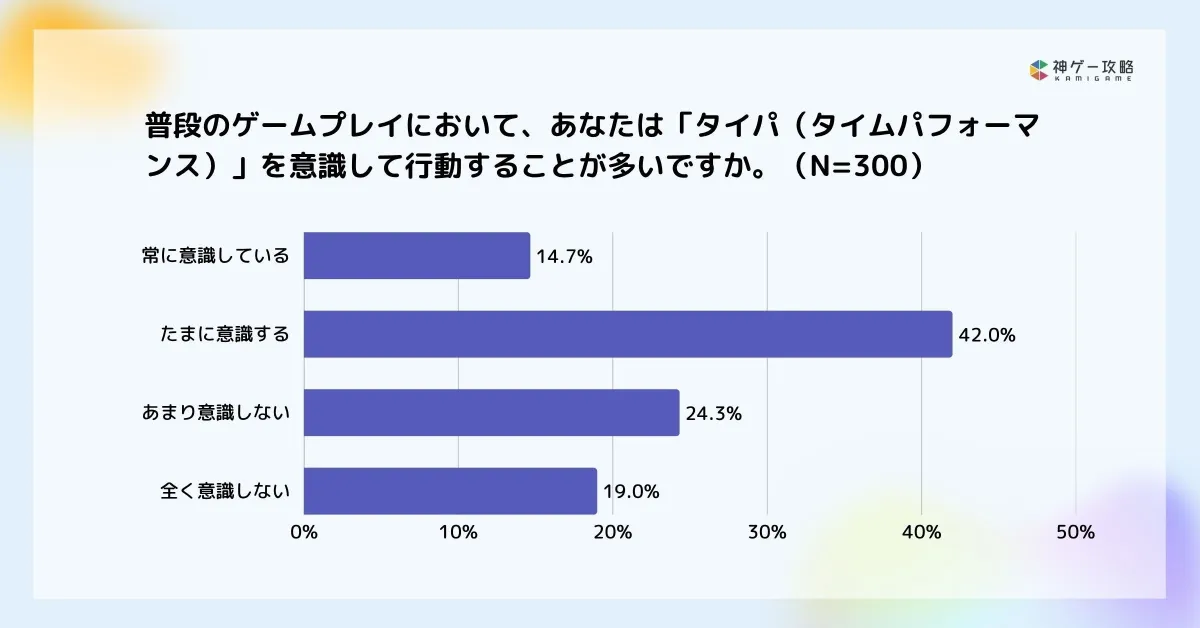
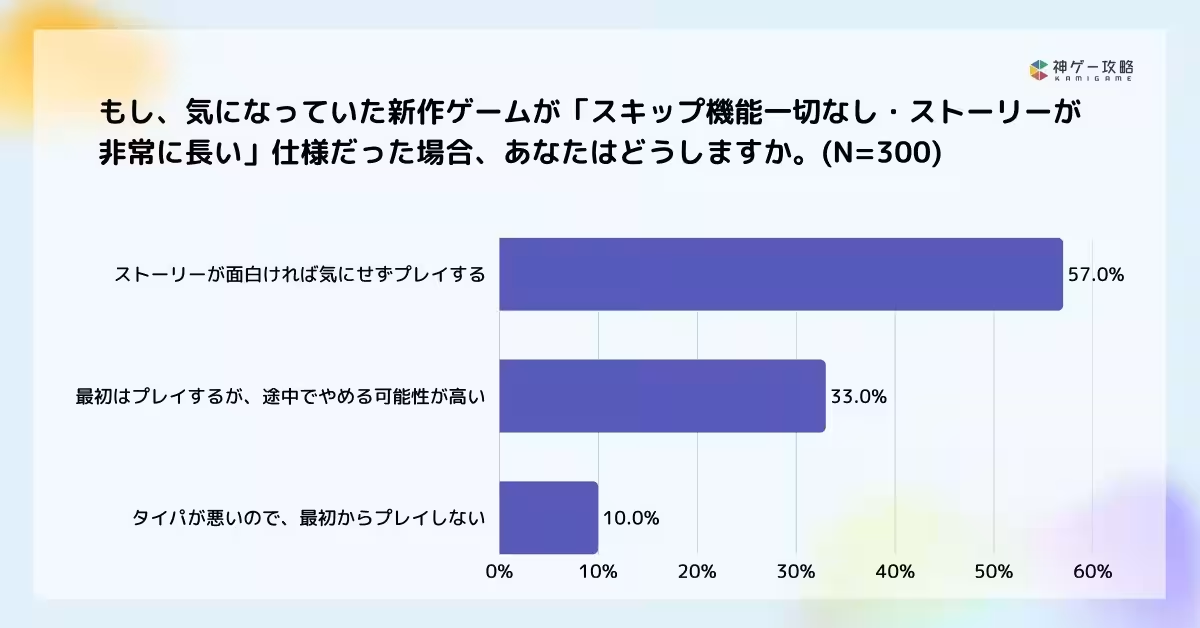
A recent survey conducted by Lighthouse Studio reveals that approximately 57% of mobile gamers consciously consider time performance while engaging with their games. This concept, referred to as "タイパ" in Japanese, represents the efficiency of time spent versus enjoyment in gaming.
The survey targeted 300 smartphone game users nationwide, aiming to explore their understanding of time performance in gaming, particularly regarding story engagement. Among the respondents, a notable 56.7% admitted to being aware of time performance to either a constant or occasional extent during gameplay.
Skipping Story: A Common Practice
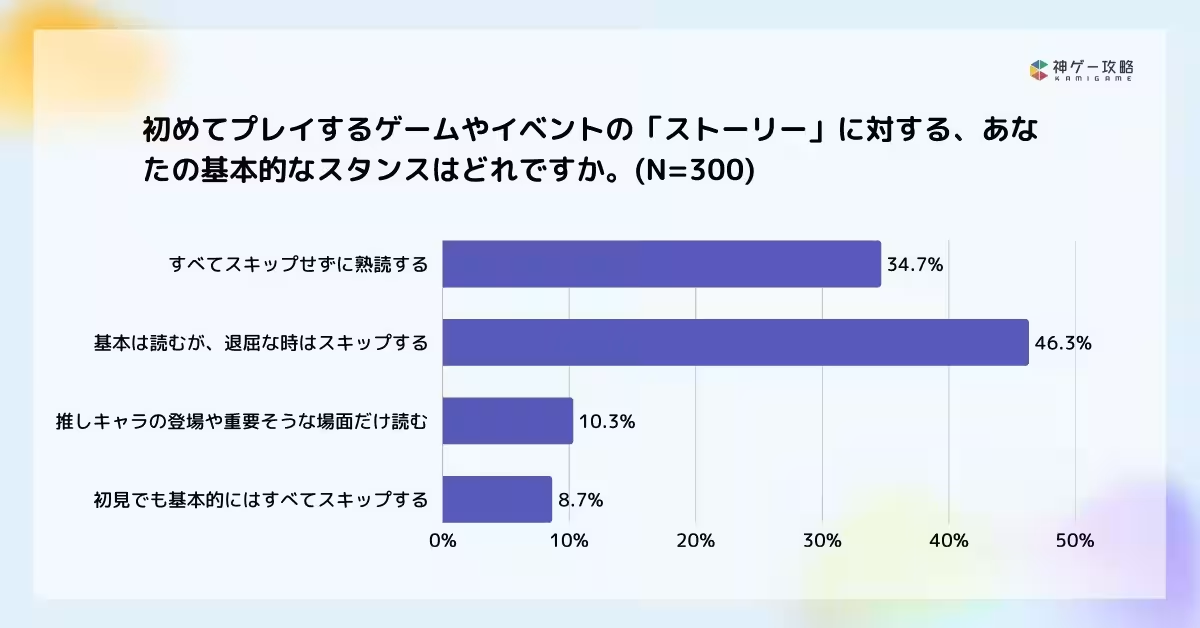
The primary stance players take towards game narratives is revealing: the majority (46.3%) report they generally read the stories but will skip sections they find boring. This attitude reflects a balancing act between engaging deeply with the narrative and maintaining gameplay efficiency.
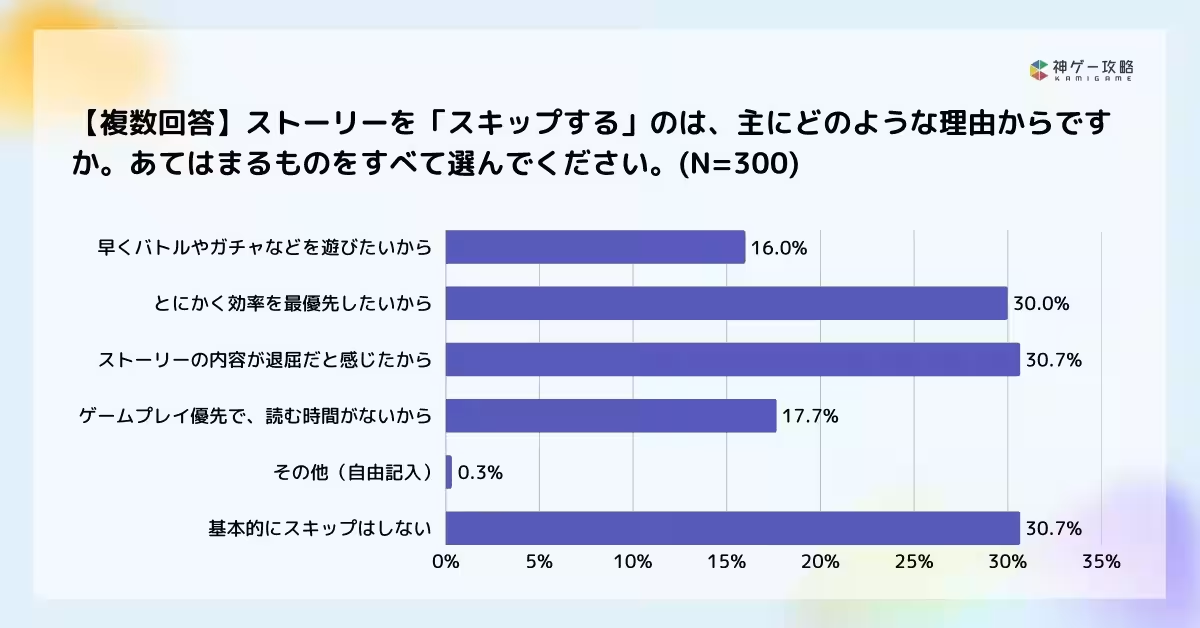
Interestingly, when respondents were asked about their motivations for skipping story segments, the top reasons were finding the content tedious (30.7%) and a strong preference for efficiency (30.0%). While many players enjoy rich storytelling, they equally prioritize their time spent on gameplay.
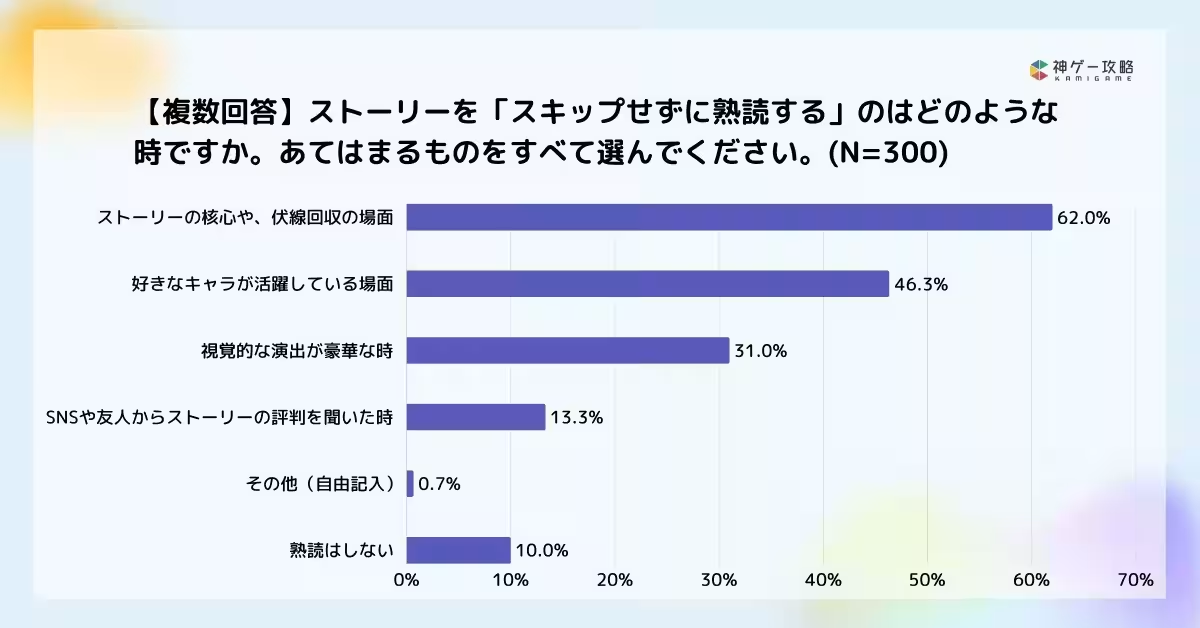
Furthermore, when story sections are complex, with significant plot twists or key reveals (伏線回収), 62% indicated they would prefer to read them thoroughly, showing that well-crafted narratives can effectively hold player attention.
Audio Influence on Narrative Engagement
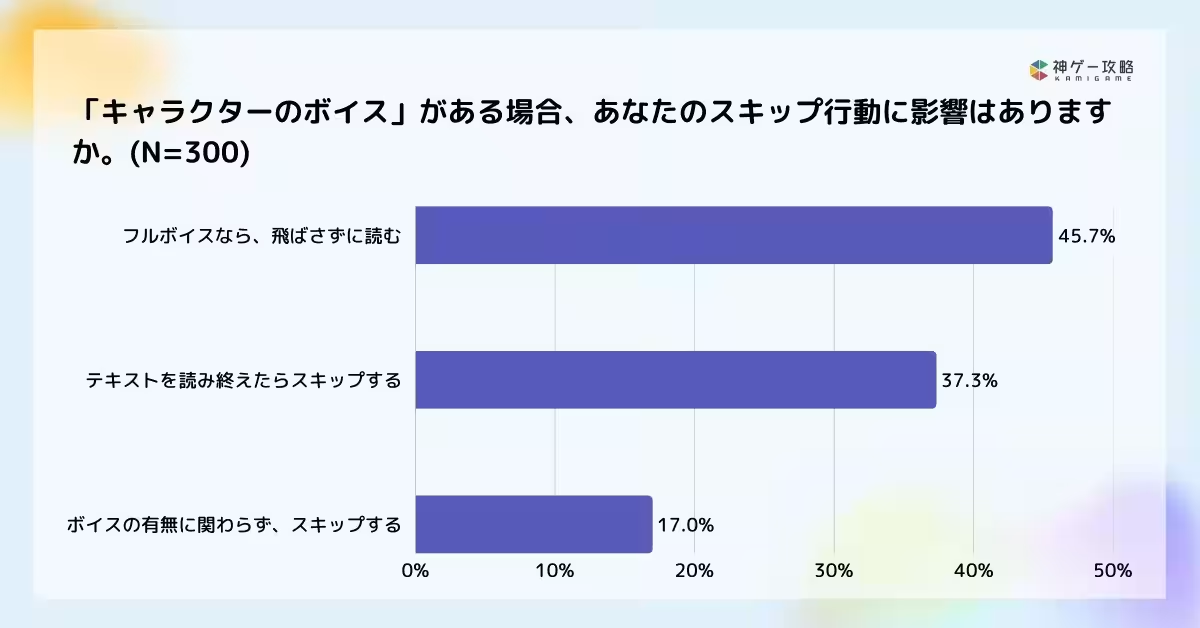
The presence of full character voices has a striking impact on players' reading habits. About 45.7% stated they would take the time to read text rather than skip it if the dialogue was fully voiced. This suggests that deeper immersions, such as character voices, enhance the narrative experience and potentially reduce the urge to skip.
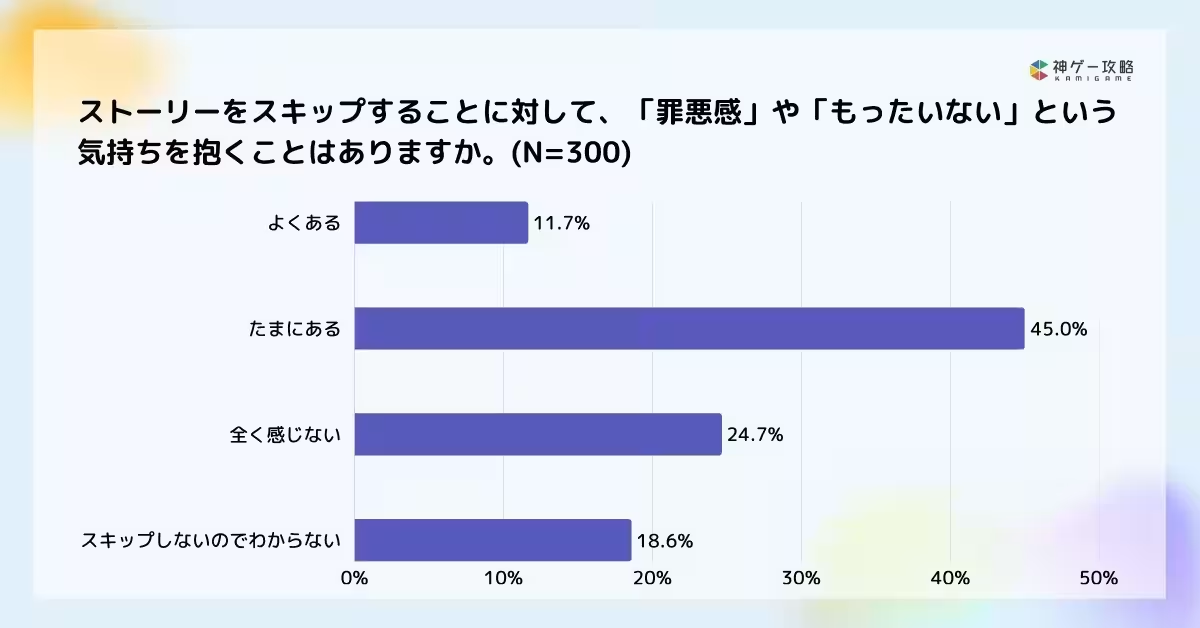
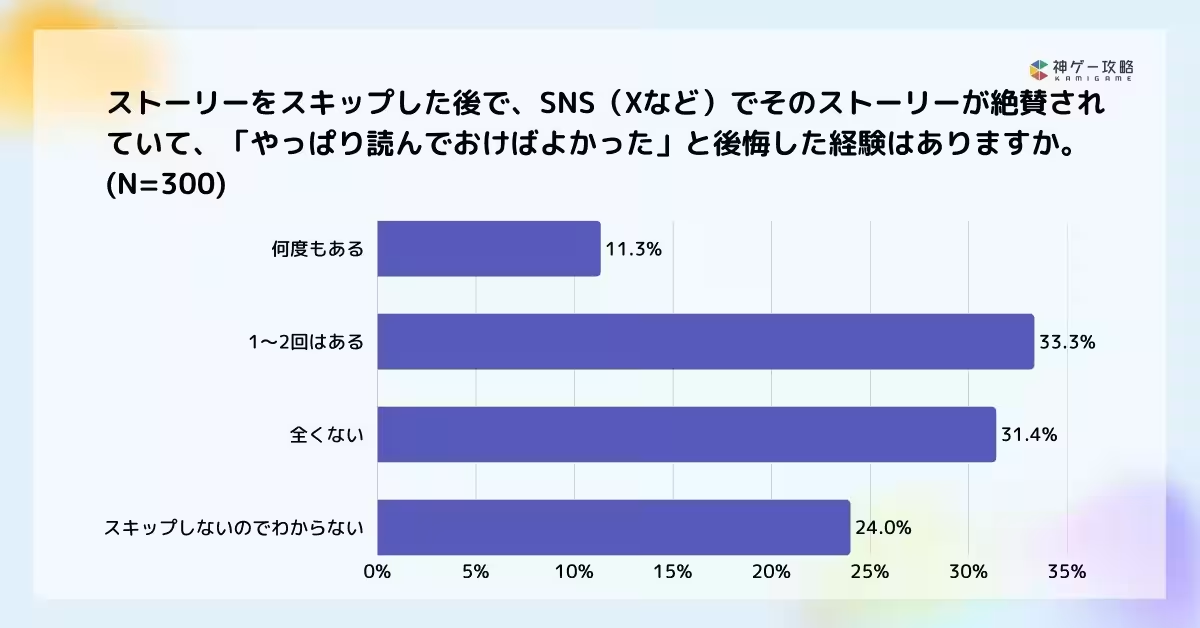
However, many players feel guilty about skipping. A significant portion of respondents, 56.7%, reported feeling a sense of regret or wastefulness when they skip story content. In fact, nearly 45% found themselves regretting their decision after seeing positive discussions on social media about the story sections they missed.
External Resources and Player Preferences
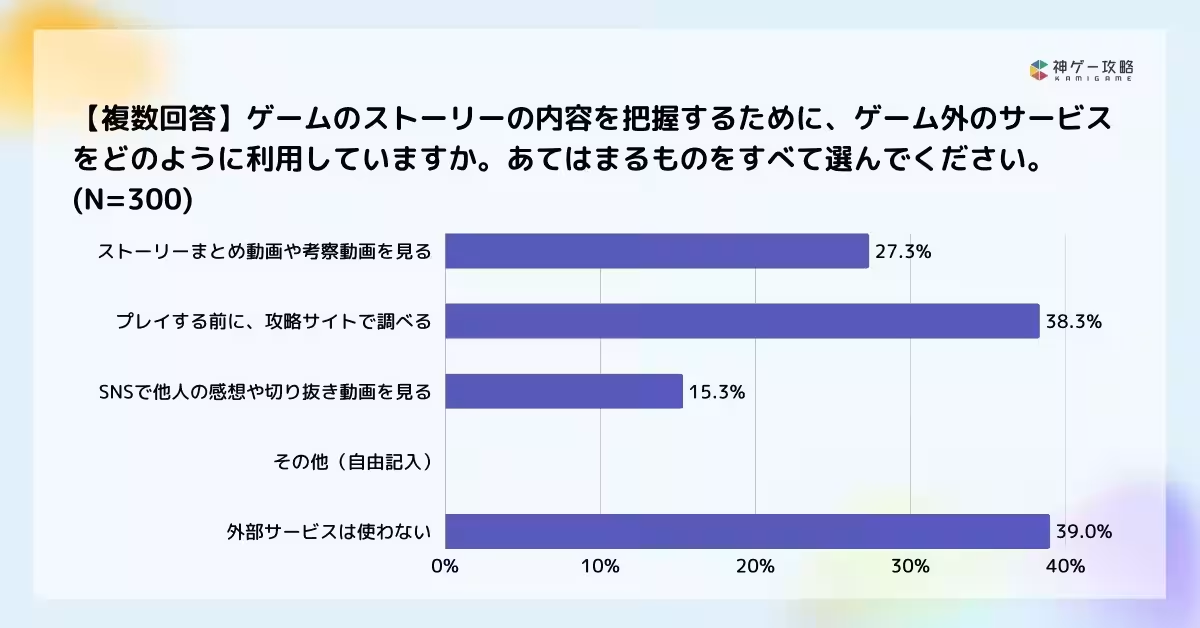
The survey also examined how players interact with external resources to comprehend game narratives. Surprisingly, around 39.0% of respondents never use external services for story insights. However, a sizable percentage (38.3%) consult strategy websites before gameplay, while 27.3% view story summary or analysis videos online.
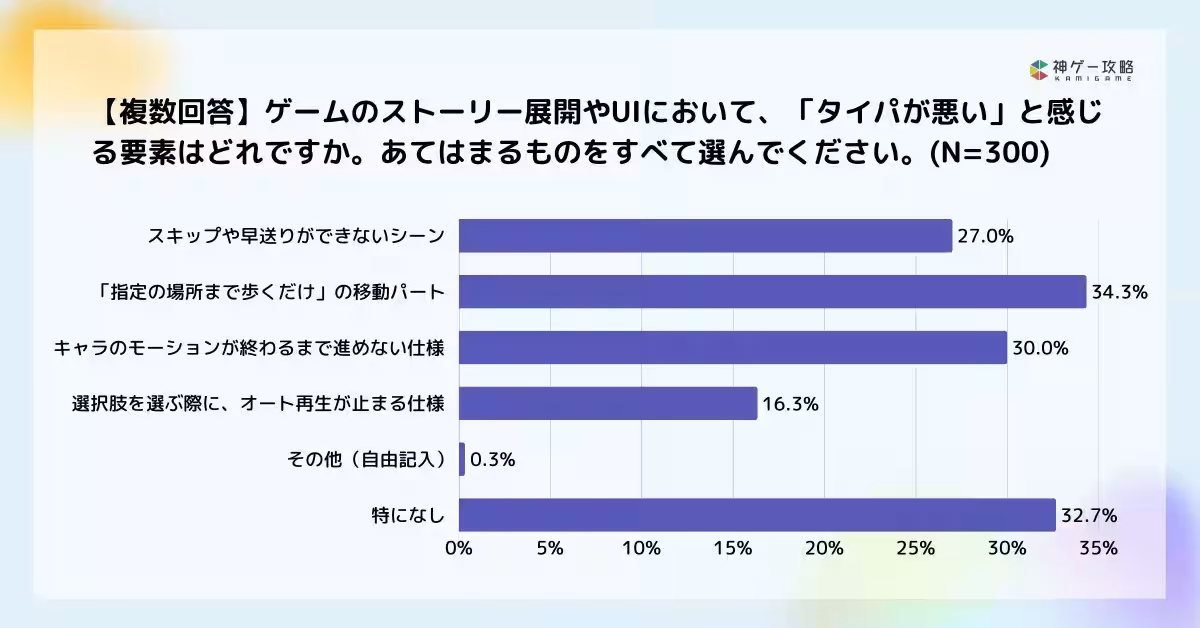
When asked about negative factors impacting their time performance, players pinpointed mechanics that slow the game down, such as timed walking sequences or narration that does not allow for skipping. These factors significantly detracted from the overall gaming experience, highlighting a need for more streamlined narrative structures.
The Demand for Archive Features
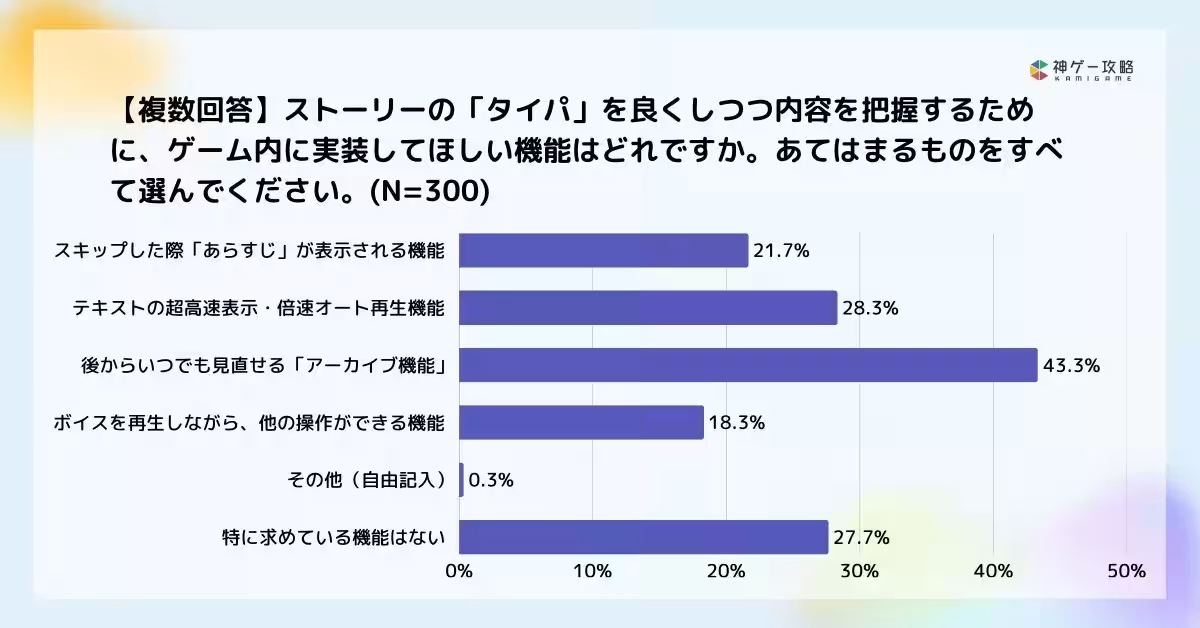
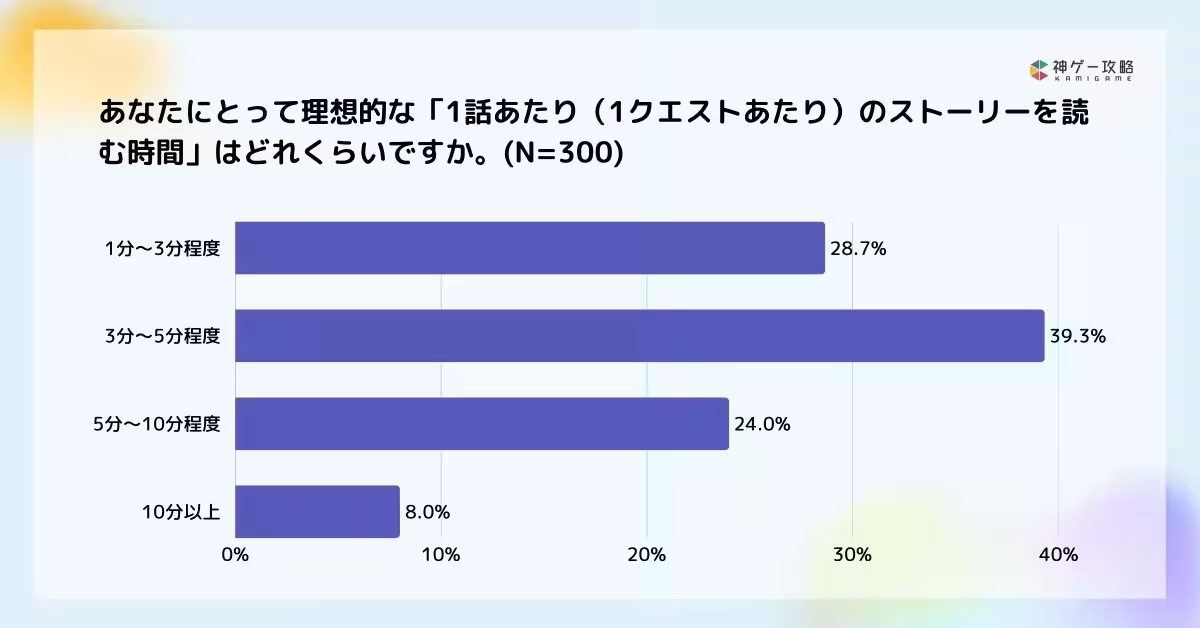
Notably, the interest in an "archive feature" was pronounced, with 43.3% of players wanting the ability to review story content later. Rapid storytelling, ideally within 3-5 minutes per chapter as expressed by 39.3% of respondents, could cater to this demand while enhancing player satisfaction.
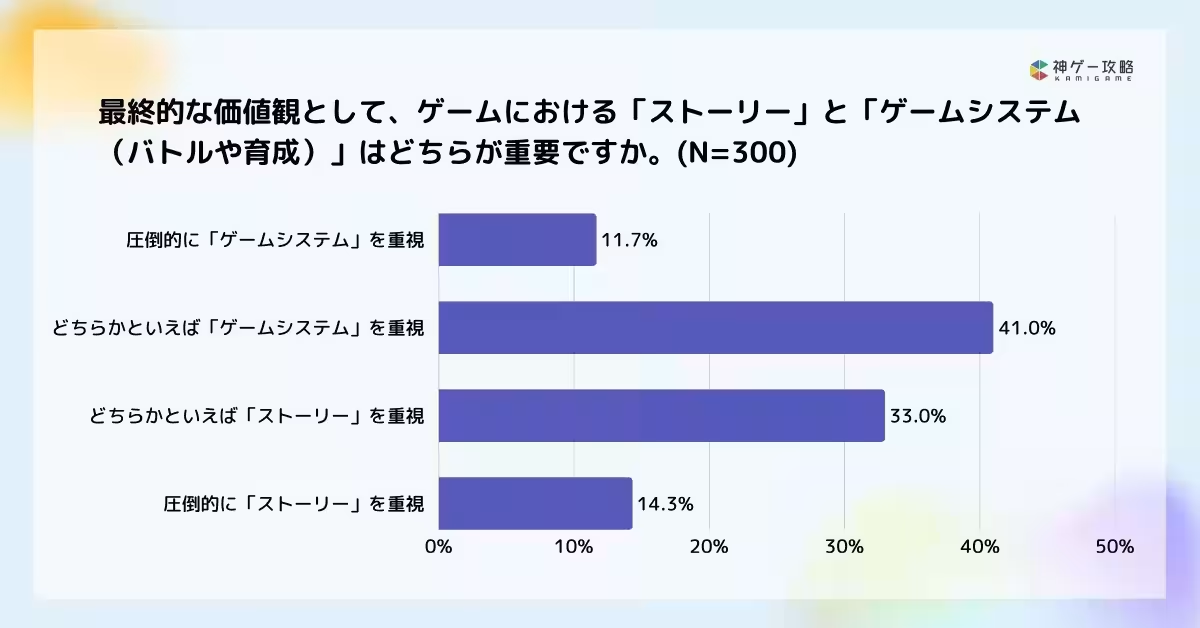
While narrative depth is essential, players also appreciate game mechanics that contribute to an enjoyable gaming experience. The survey indicated that 52.7% of respondents prioritize game systems (combat and character development) over story content, yet the gap remains narrow, showing the necessity of balanced game design.
Conclusion
The results of Lighthouse Studio's survey highlight that many mobile gamers are deeply aware of time performance, which significantly influences their interaction with game stories. Skipping behaviors are largely driven by perceived boredom and efficiency needs. Enhancing engaging story elements like character voice acting while providing features for reviewing missed content seems crucial to improving player satisfaction. Balancing captivating storytelling with efficient gameplay will be vital as developers strive to meet the evolving preferences of gamers.
Topics Entertainment & Media)
【About Using Articles】
You can freely use the title and article content by linking to the page where the article is posted.
※ Images cannot be used.
【About Links】
Links are free to use.