



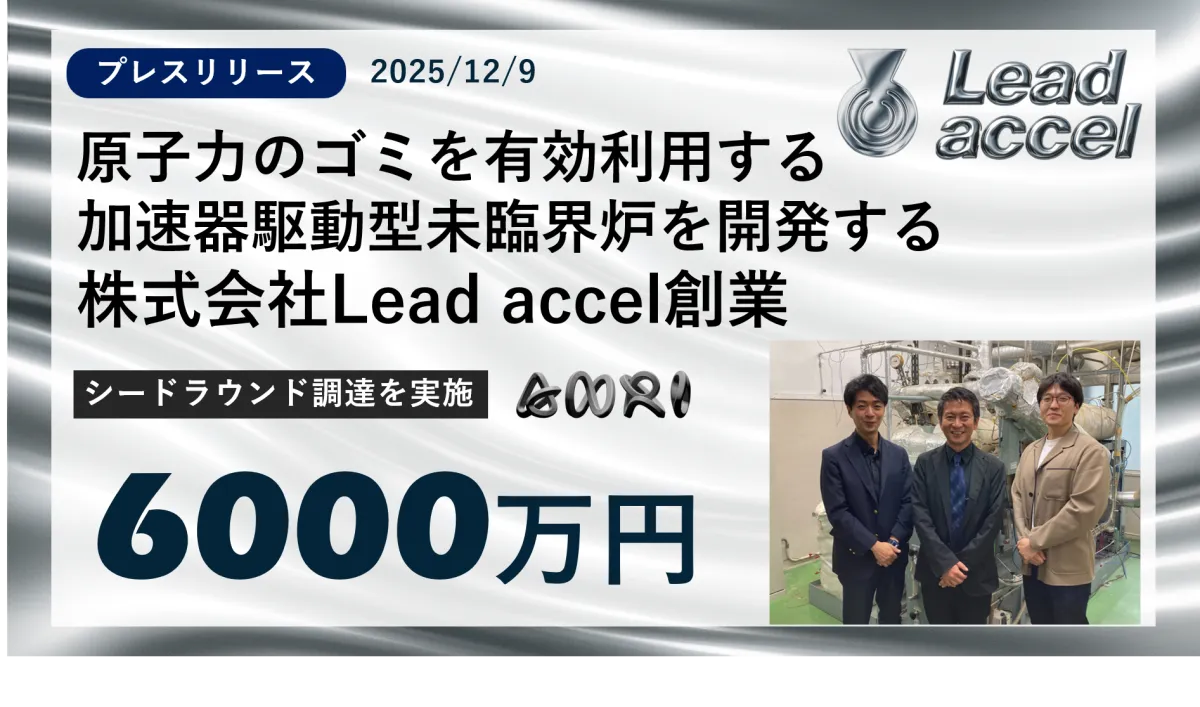
Lead accel: Pioneering Accelerator-Driven Systems for Sustainable Nuclear Waste Management
Introduction to Lead accel
In a significant development for the field of nuclear technology, Lead accel, a new venture company, has been founded by Masato Kondo, an associate professor at the Institute of Zero Carbon Energy at Tokyo University of Science. Based in Minato, Tokyo, this company has received the title of "Tokyo University of Science Certified Venture (No. 20)" under the university's regulations concerning research outcome-based ventures.
The Mission of Lead accel
Lead accel is focused on the research and development of Accelerator-Driven Systems (ADS), a technology aimed at dealing with the challenge of high-level radioactive waste generated by the approximately 400 nuclear reactors currently in operation worldwide. Traditional methods demand the isolation and management of this nuclear waste for thousands of years, which poses a significant burden on future generations. However, by effectively eliminating minor actinides present in this waste, Lead accel strives to alleviate this burden tremendously.
What is an Accelerator-Driven System?
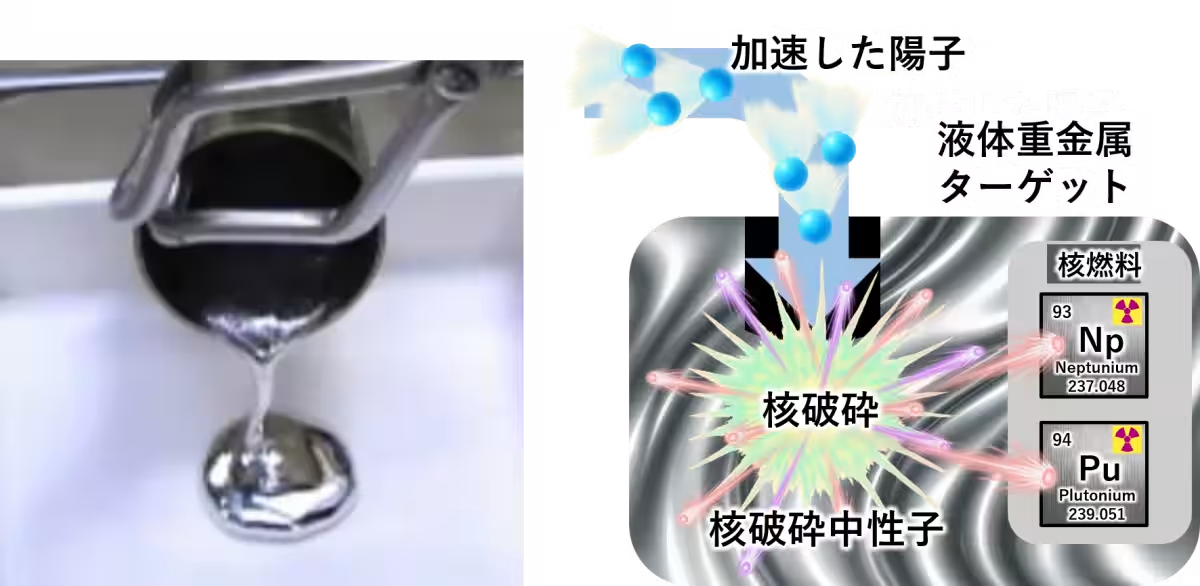
An ADS combines a proton accelerator and a liquid metal target, facilitating a fission process that generates a large number of neutrons. By bombarding the liquid metal target with accelerated protons, a nuclear fission reaction occurs, enabling the sustained fission chain reaction of high-density minor actinides while remaining in an uncritical state. During this process, nuclear transformations occur, which can lead to the efficient annihilation of these hazardous materials. This research is being conducted globally, with Japan at the forefront of these advancements.
Research and Development at Tokyo University of Science
Tokyo University of Science has spent over two decades developing the core technology necessary for ADS, specifically focusing on liquid metal targets. One of the longstanding challenges with liquid metals has been their tendency to corrode structural materials. To counter this, the university has developed technology to optimally control the amount of oxygen dissolved within the liquid metal, allowing for the formation of protective oxide films on the material's surface. This breakthrough enables stable coexistence between the materials and the liquid metal, facilitating effective development toward the early societal implementation of ADS technology.
Fundraising and Support from Venture Capital
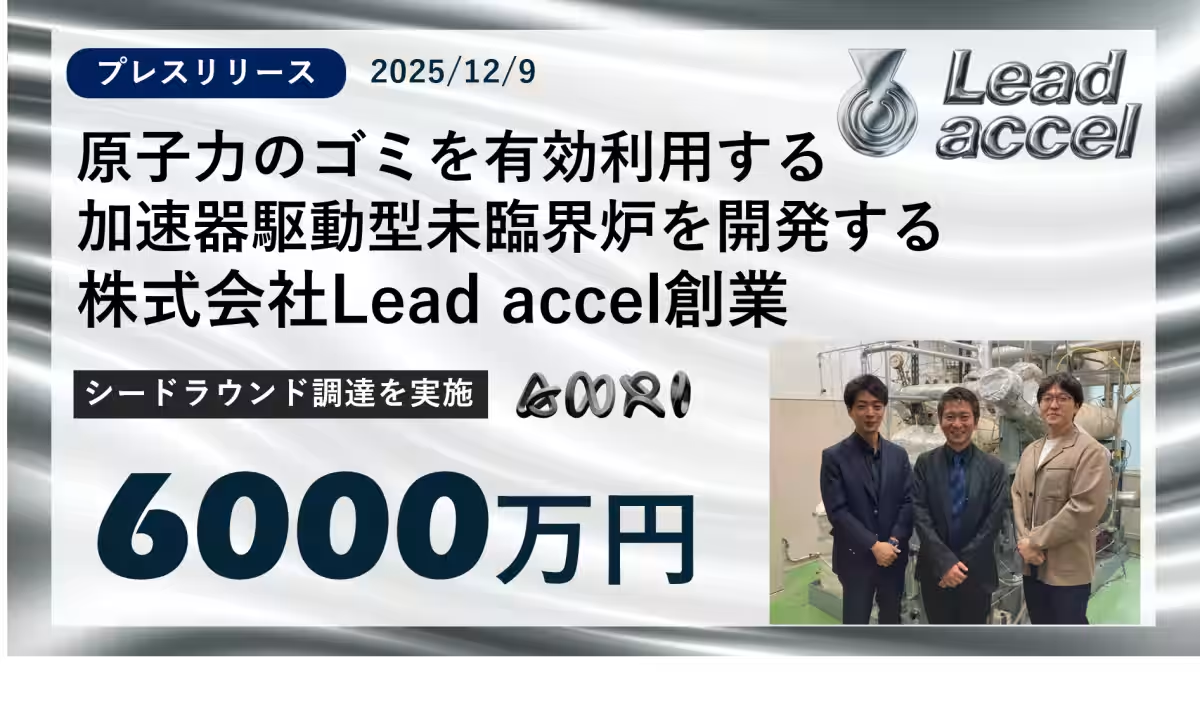
Before its establishment, Lead accel's president, Masato Kondo, meticulously planned and prepared the business framework in collaboration with Masahiro Samejima from the venture capital firm ANRI. Their work was recognized through the Greater Tokyo Innovation Ecosystem (GTIE) GAP Fund Program, aimed at nurturing groundbreaking university-originated startups. This support has fostered Lead accel's financial backing, enabling the continued advancement and eventual realization of ADS based on the technology developed at Tokyo University of Science.
Investors' Perspectives
Masahiro Samejima, General Partner at ANRI, expressed his excitement regarding the establishment of a company centered on ADS, which has been extensively researched in Japan for many years. He stated, "The global demand for nuclear energy is escalating as we work towards achieving a carbon-neutral society, making the proper disposal of nuclear waste an incredibly important challenge for humanity. We are committed to contributing to the realization of Accelerator-Driven Systems to tackle this challenge effectively."
About Lead accel
- - Company Name: Lead accel Co., Ltd.
- - Headquarters: Shibaura 3 Chome 3-6, Minato, Tokyo, Japan, Campus Innovation Center INDEST Room 306, Tokyo University of Science
- - CEO: Masato Kondo
- - Business Focus: Research and development of Accelerator-Driven Systems, construction and operation of such systems, radioactive nuclide transmutation processing, and relevant technology offerings.
- - Establishment Date: August 8, 2025
- - Website: Lead accel Website
As Lead accel advances on its ambitious path, the world is keenly observing how their breakthrough technologies can resolve pressing challenges surrounding nuclear waste management.
Topics Energy)
【About Using Articles】
You can freely use the title and article content by linking to the page where the article is posted.
※ Images cannot be used.
【About Links】
Links are free to use.