



The Necessity of Home Learning Support with GIGA Terminals Among Educators
Understanding the GIGA Terminal's Role in Home Learning Support
Recently conducted by Shin Gakusha Co., Ltd., a prominent educational publisher in Kyoto, a survey targeted at elementary and middle school teachers has shed light on the necessity of supporting students’ home learning through GIGA terminals. While the GIGA School Initiative encourages bringing devices home, there are noticeable differences in how educators implement digital learning across various regions and schools.
The Adoption of GIGA Terminals
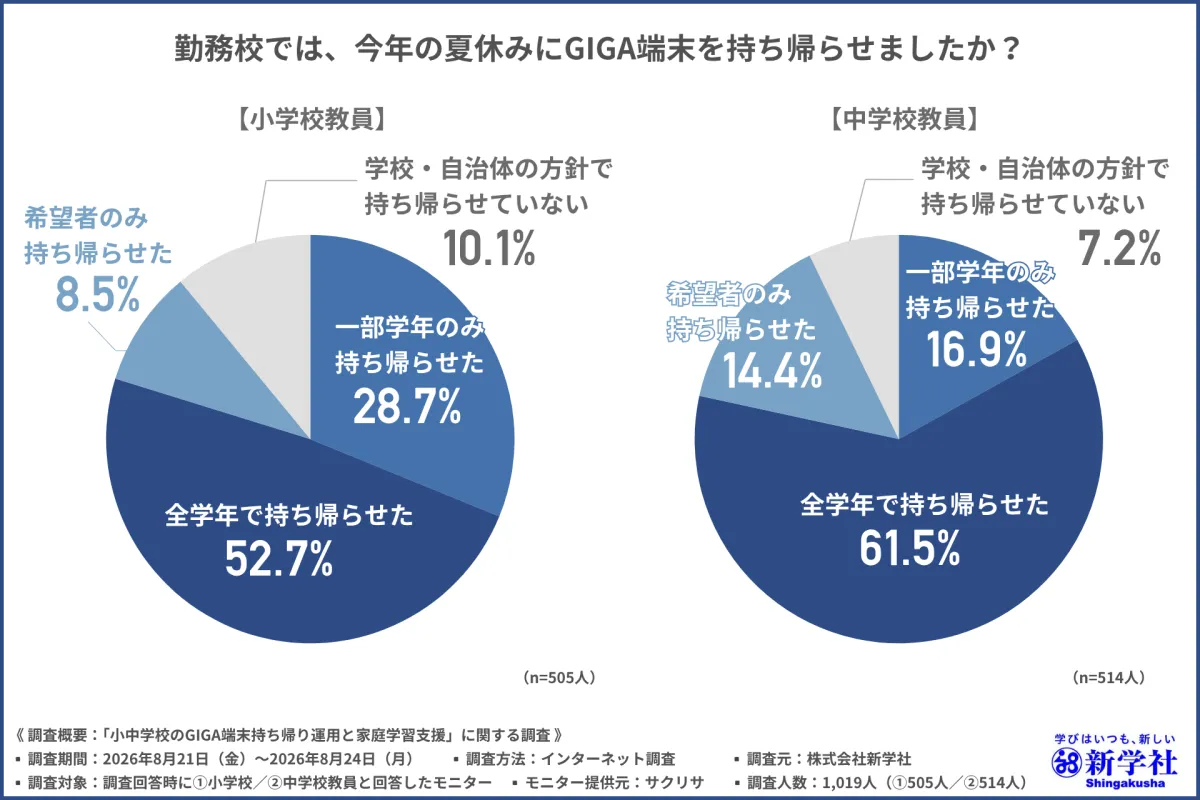
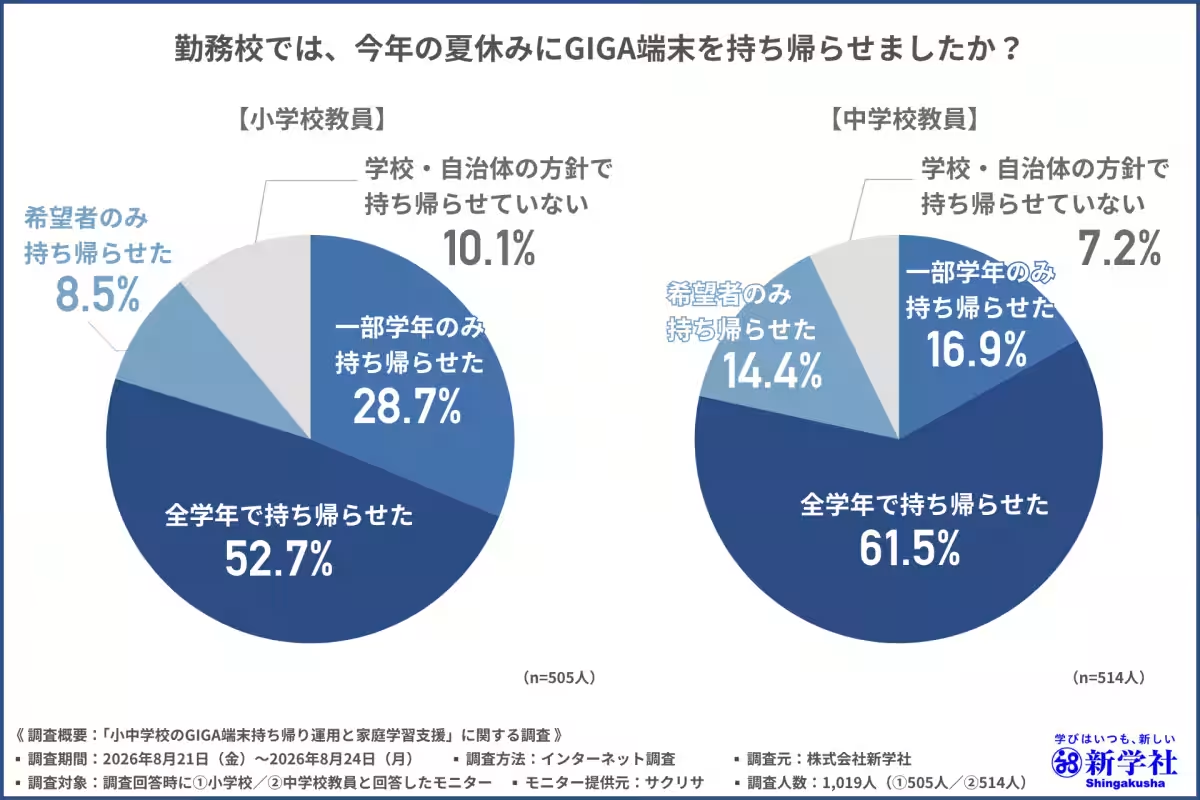
The survey indicates that approximately half of the participating schools facilitated the distribution of GIGA devices to all grades over the summer. Notably, secondary schools show a higher adoption rate compared to elementary schools, where one-third of the respondents reported allowing only certain grades to take the devices home. Factors driving these decisions often hinge on concerns regarding device damage or loss, presenting a significant barrier to widespread adoption.
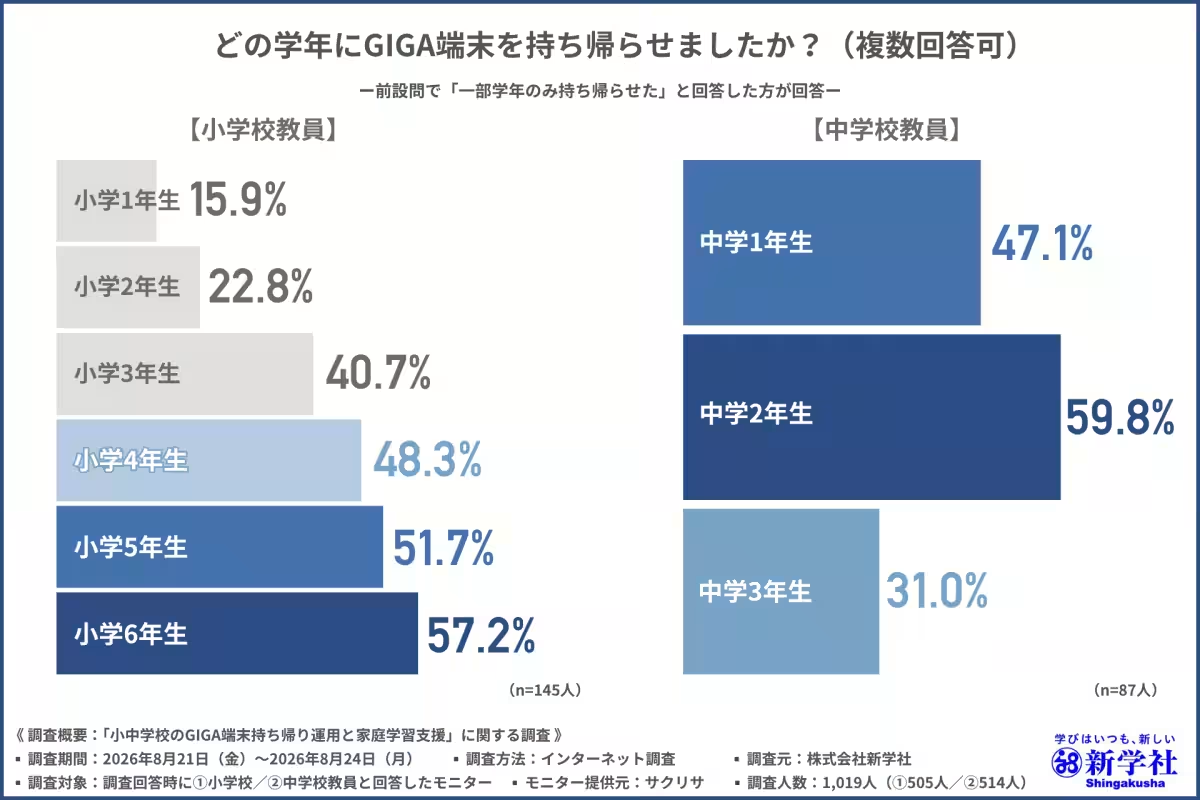
For those schools that opted for limited participation, a trend has been observed where higher grade students had higher rates of device take-home compared to younger grades. Conversely, it was intriguing to find that the uptake among third-year middle school students was lower than expected, raising questions about the feasibility and risks associated with device management.
Concerns Regarding Device Take-Home
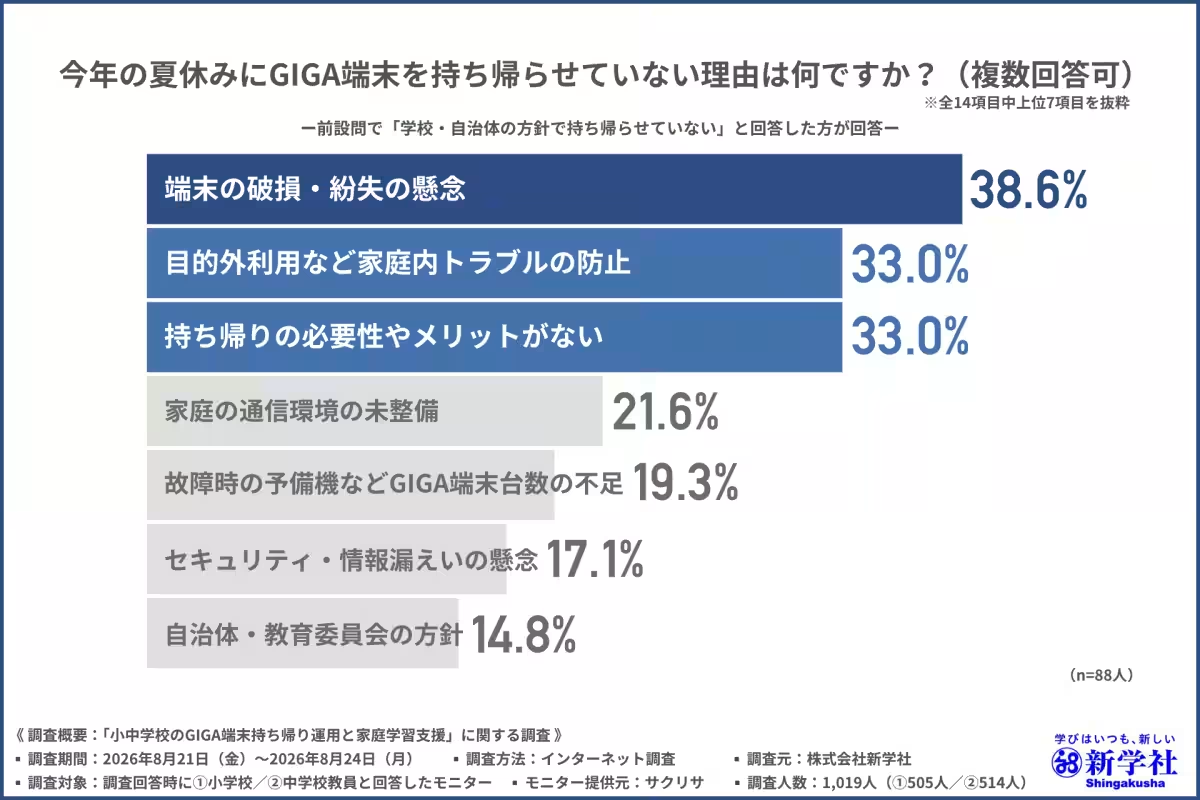
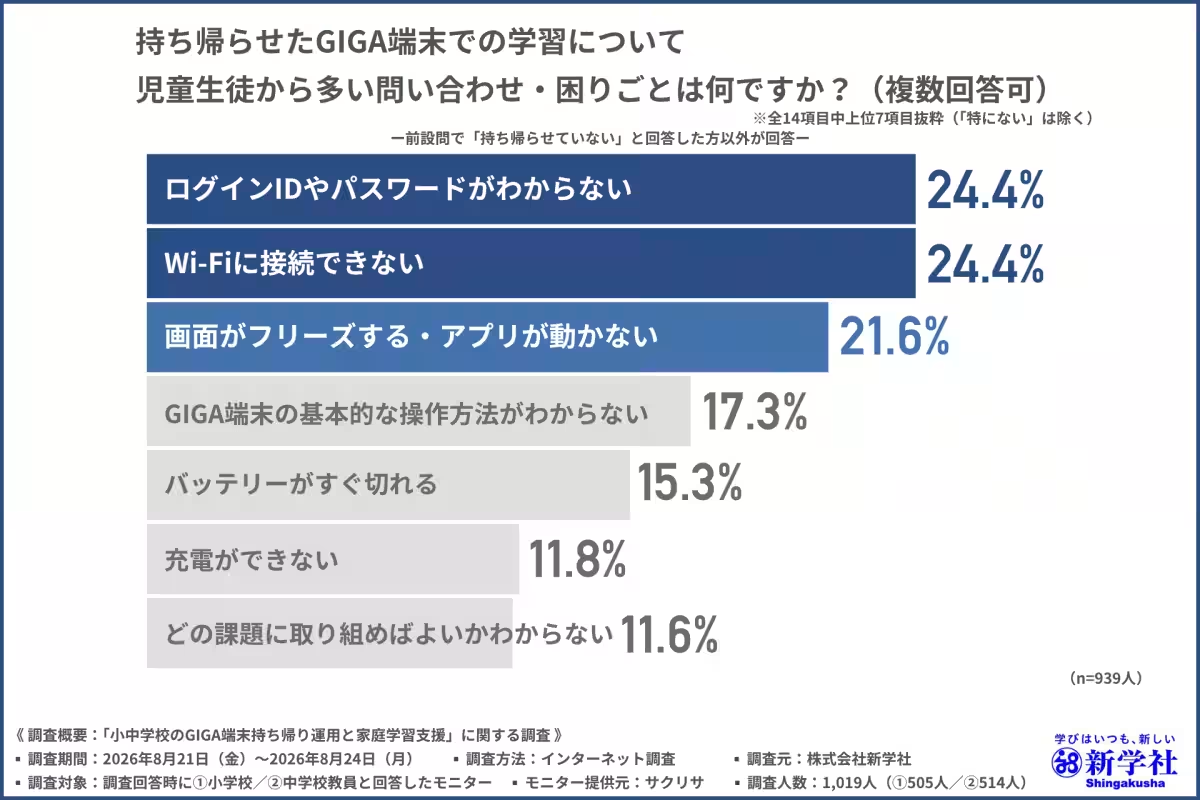
Reasons cited for withholding GIGA terminals from students included fears of damage or loss (38.6%), potential for non-educational use (33.0%), and perceived absence of necessity or benefits (33.0%). The stark focus on physical safety and the administrative burden of managing the devices often overshadows the advantages of facilitating home study methods. Some educators noted that even in schools with GIGA device adoption, students faced challenges before they even began their lessons, struggling with login credentials or Wi-Fi connectivity issues. These reported troubles emphasize the importance of establishing a robust framework for effective home learning.
Integrating Digital and Physical Learning Materials
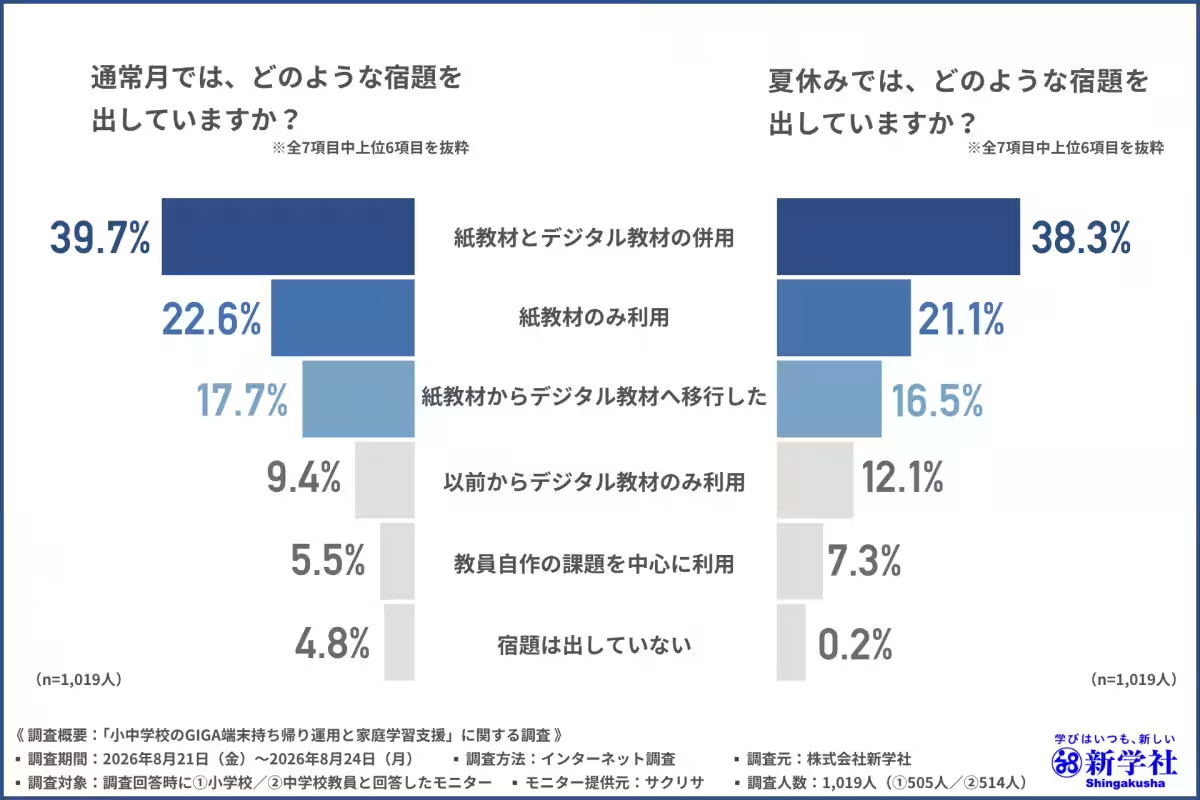
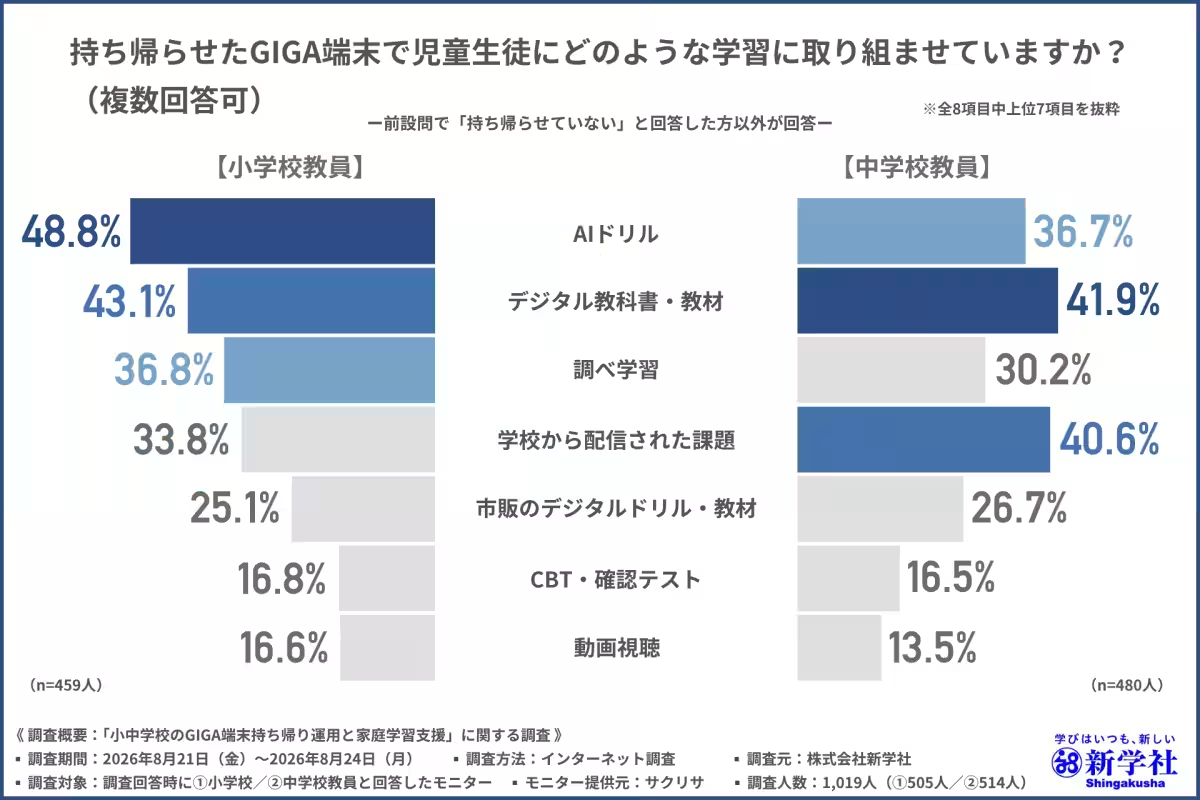
Across most schools surveyed, students are still assigned a mix of paper-based and digital assignments. Even as the infrastructure for digital learning evolves, this blend ensures the continued relevance of traditional study materials alongside digital tools. In the summer surveys, educators found that most GIGA devices were allocated for digital textbooks and AI-driven exercises, which supported ongoing academic activities rather than a standalone study experience.
Concerns about potential technical issues—such as forgotten login details, Wi-Fi disconnections, and application malfunctions—underscore the difficulties students face when engaging with new learning technologies. Thus, it's crucial to find solutions that create reliable connections for effective study sessions.
Teacher Perspectives on Learning Support
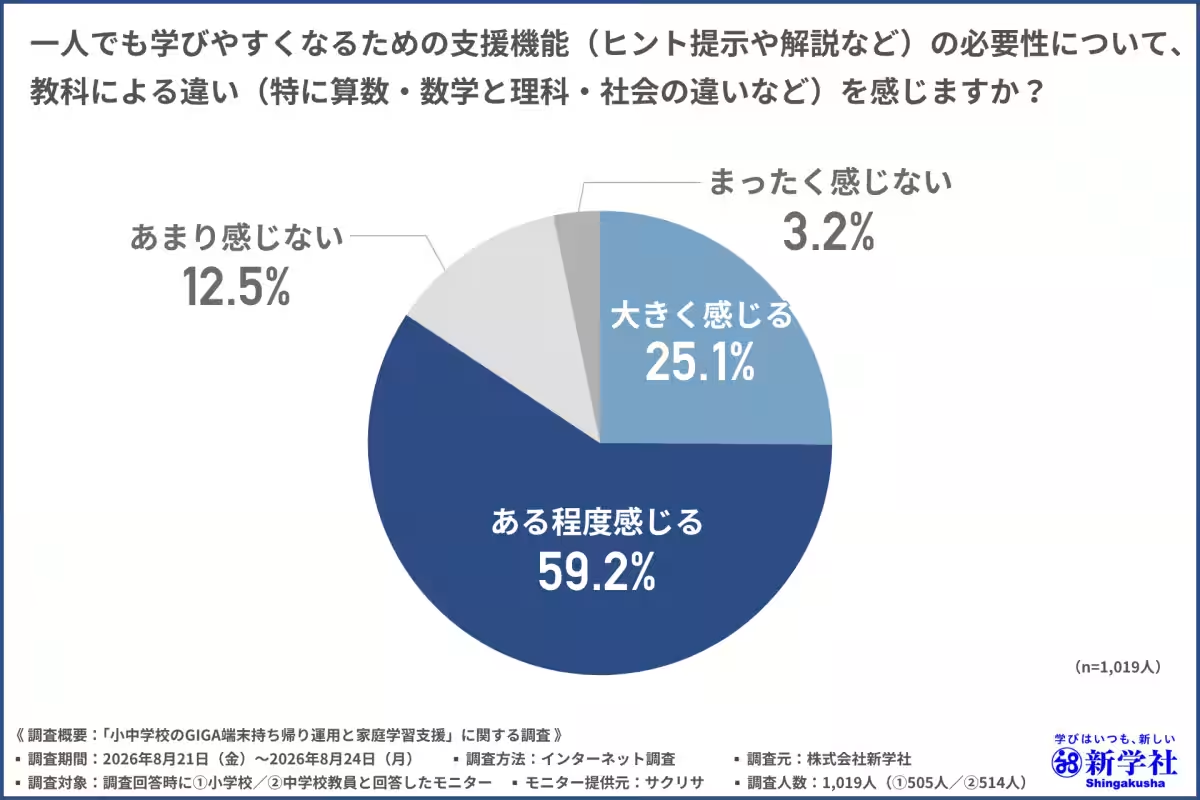
The necessity for individualized support systems in the context of home learning has become increasingly apparent. Approximately 80% of teachers expressed a strong need for customized support features tailored to different subjects. For instance, educators highlighted that math requires a more systematic approach to tackle students' unique struggles, whereas subjects like science can benefit from visual aids.
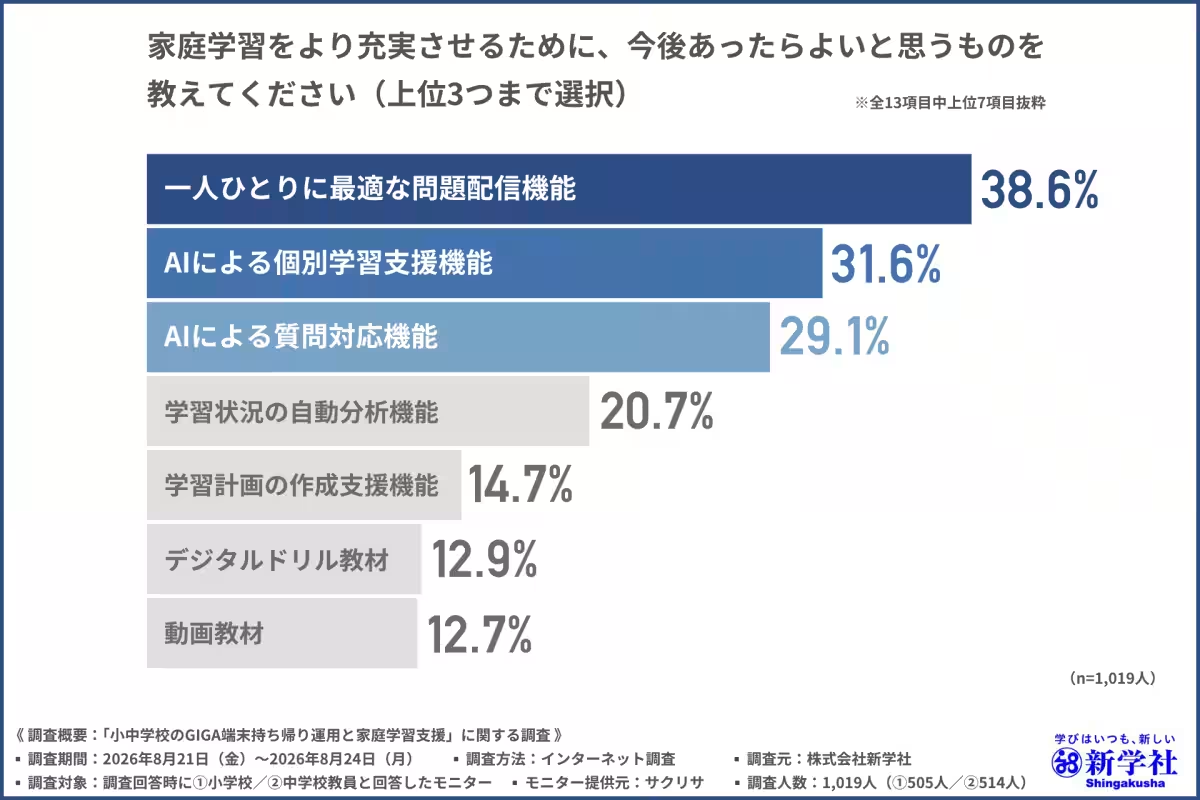
Furthermore, when asked about desirable future learning support tools, educators overwhelmingly favored personalized problem distribution systems (38.6%) and AI-driven learning assistance features (31.6%). This suggests that a one-size-fits-all approach to assignments is insufficient to cater to each student's distinct learning journey.
Conclusion: Towards Effective Home Learning Solutions
This survey has illuminated the evolving landscape of education through the GIGA School Initiative, revealing both the benefits and challenges of integrating digital technologies in home learning settings. While many schools are embracing GIGA device initiatives, concerns regarding device safety and technical issues persist, impacting the efficiency of home learning experiences. As teachers increasingly call for tailor-made support mechanisms that respond to students' individual learning needs, the integration of intelligent, adaptive educational technologies will play a pivotal role in shaping the future of home studies.
In summary, Shin Gakusha Co., Ltd. aims to further analyze and respond to these findings, ensuring educational resources are relevant in an evolving digital world.
Topics Other)








【About Using Articles】
You can freely use the title and article content by linking to the page where the article is posted.
※ Images cannot be used.
【About Links】
Links are free to use.