




The Growing Demand for WIM S: Insights from a Mobility Support Robot Study
Understanding the Demand for WIM S
As Japan's population continues to age rapidly, the need for innovative solutions to support mobility among seniors has never been more pressing. Gloviz Inc., the Japanese distributor of the cutting-edge wearable mobility support robot, WIM S, conducted a detailed analysis of customer inquiries between February 16, 2026, and August 5, 2026. This study aimed to illuminate the specific health conditions and background of potential users, revealing a significant demand stemming from neurological disorders and rehabilitation needs.
Key Findings from the Survey
Out of 129 customer inquiries analyzed, an impressive 46.5% provided specific details about their medical conditions. Notably, 18.6% were related to aftereffects of strokes leading to hemiplegia, while 10.1% concerned Parkinson's disease and another 10.1% related to lumbar canal stenosis. These figures underscore a burgeoning interest in mobility assistance among those grappling with severe physical challenges.
This highlight on the specific ailments driving inquiries points toward a broader trend: a growing recognition of mobility issues beyond general aging, spotlighting conditions like stroke and Parkinson’s that significantly impeded the ability to walk independently.
Barriers to Walking
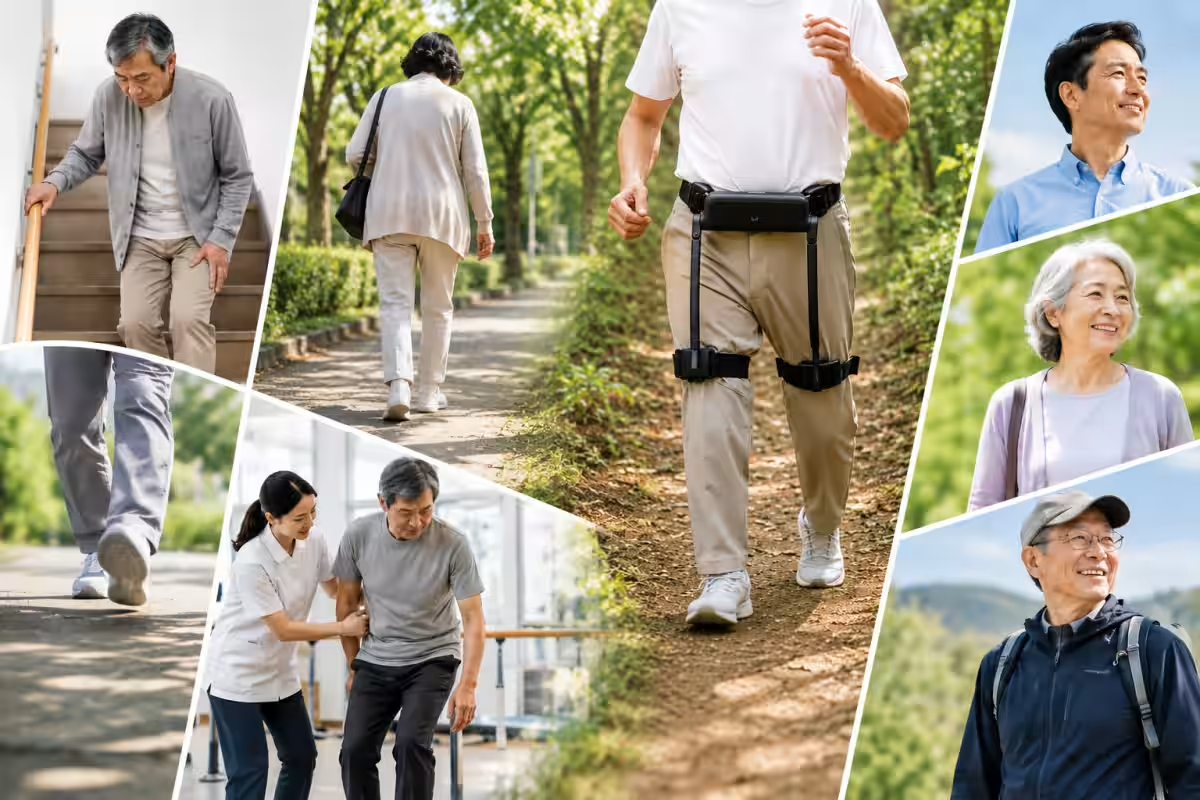
Moreover, the survey delved into the specific challenges individuals face when it comes to mobility. Multiple respondents mentioned fears relating to stair navigation, specifically descending, indicating a level of anxiety regarding mobility that requires addressing. Others highlighted issues such as fatigue after walking short distances of 200 to 300 meters or instability in their gait, such as shuffling or stumbling. Such insight provides crucial data for the development of products that cater to these unique needs.
Demographics of Users
When looking at the demographic profile of the respondents, it is noteworthy that a significant 76.5% were seniors in their 70s or 80s. This age group underscored the pressing need for support as they strive for mobility and independence. Additionally, individuals in their 50s and 60s were not far behind, accounting for 13.7% of inquiries, indicating that concerns about mobility and walking extend across generations, especially among those dealing with rehabilitation after strokes or chronic health conditions.
Motivations for Seeking Assistance
A compelling motivational factor identified from the survey data was the desire for independence among those who had undergone rehabilitation. Users expressed a strong desire to maintain walking opportunities within their neighborhoods or to continue enjoying family outings. This thirst for autonomy highlights a significant societal shift toward valuing independent living, particularly among aging populations.
Addressing the Needs through Special Experience Sessions
In response to these findings, Gloviz Inc. has announced the launch of special experience sessions for WIM S in collaboration with patient organizations, such as the National Parkinson’s Disease Association and the Japan Muscular Dystrophy Association. These events, scheduled to take place in Tokyo, aim to allow potential users to experience WIM S firsthand while also providing them with specialized support.
Event Details
- - Location: Gloviz Headquarters, Chuo, Tokyo
- - Dates: September 17-19, 2026
- - Duration: Approximately 45 minutes to one hour per session, with individual fittings and expert guidance.
The initiative reflects Gloviz's commitment to fostering an environment where individuals with mobility challenges can confidently explore their options in supportive settings.
The Role of WIM S in Enhancing Mobility
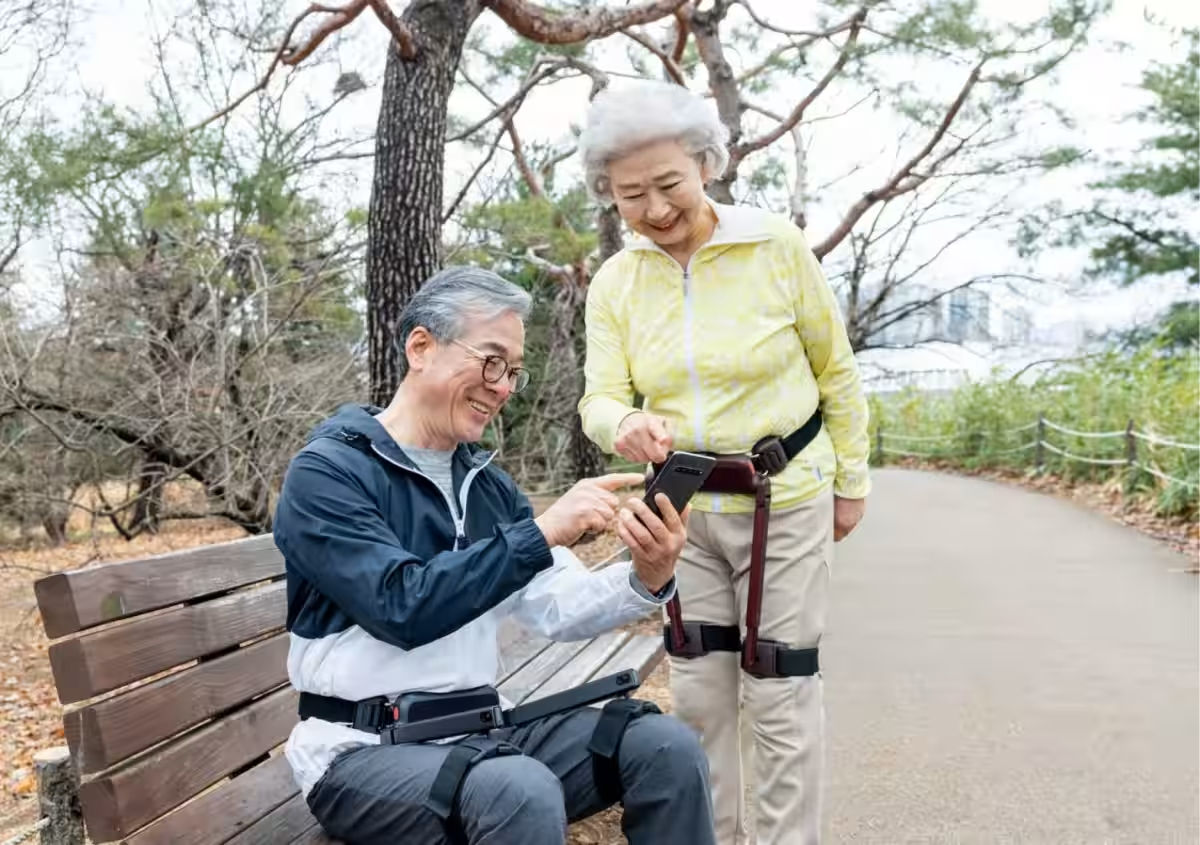
WIM S is an ultra-lightweight, AI-powered wearable mobility assistance robot weighing only 1.6 kg, designed to facilitate easy and quick donning and removal. Unlike traditional walkers and canes that can lead to muscle atrophy if relied upon excessively, WIM S stands out by enhancing users' natural walking abilities. Its AI capabilities allow for real-time analysis of gait and the user’s movements, offering appropriate support precisely when needed.
This innovative wearable device features multiple modes tailored to users' needs, such as the Balance Mode, which adjusts for discrepancies between the left and right limbs, and the Care and Soft Modes, which assist with smooth stepping.
As the uptake of WIM S continues, Gloviz is keen on further highlighting these functionalities, particularly the Balance Mode aimed at aiding those with hemiplegia, while also expanding services like home visits for fittings to ensure maximum accessibility and comfort for potential users.
Conclusion
Gloviz Inc. stands at the forefront of addressing mobility challenges in an aging society. Their proactive willingness to engage with patient organizations, coupled with the innovative design of WIM S, showcases a commitment to enhancing the quality of life for those yearning to regain their independence. The future looks bright for mobility support, marking a significant step forward in ensuring that the elderly can remain active participants in their communities.
For more details about WIM S or to register for the experience sessions, visit the official WIM S website.
Note: WIM S is not classified as a medical device but instead serves as a daily walking support and training aid.


Topics Consumer Products & Retail)
【About Using Articles】
You can freely use the title and article content by linking to the page where the article is posted.
※ Images cannot be used.
【About Links】
Links are free to use.