



Tokyo Leads the Way in Stock Market Participation Among Japanese Prefectures
Stock Investment Trends in Japan: A Closer Look at Regional Participation
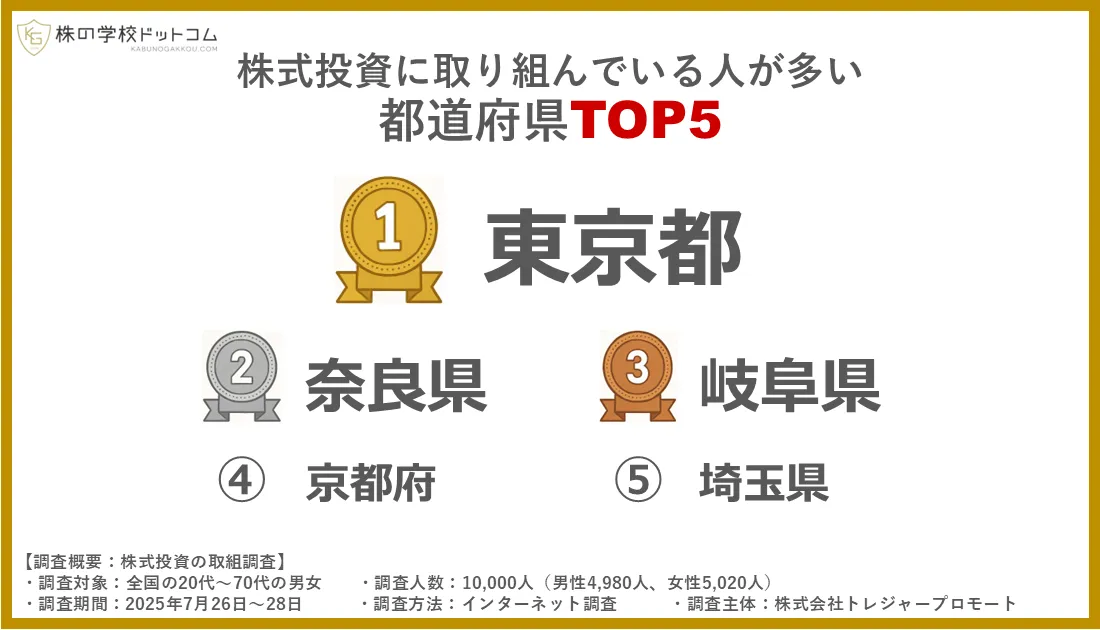
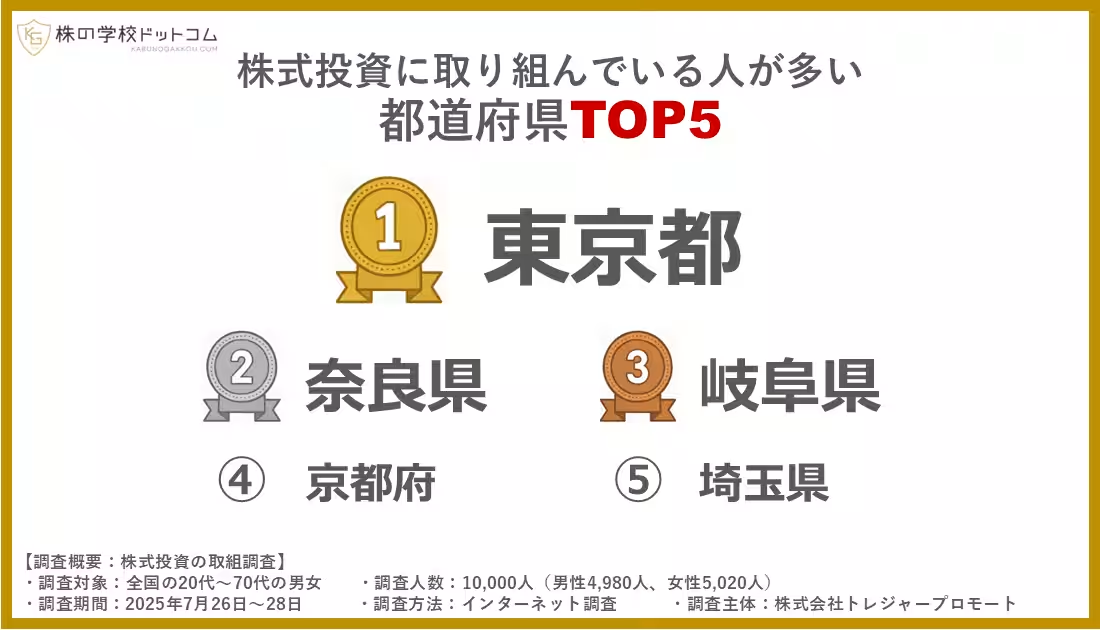
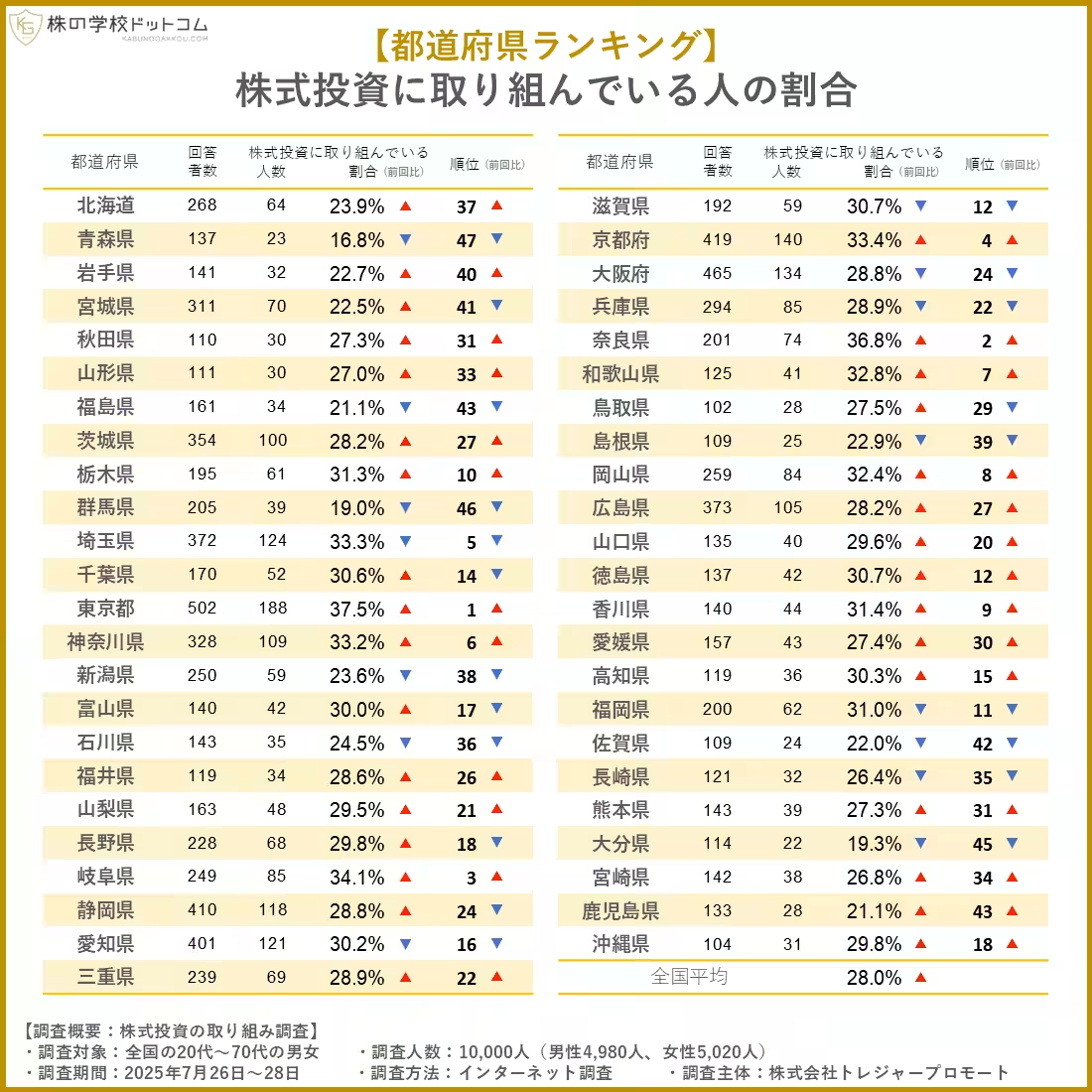
In a recent survey conducted by Kabunogakkou, an online stock school, it has been revealed that Tokyo stands out as the prefecture with the highest engagement in stock market investments. The survey assessed the involvement of individuals in stock trading from various regions across Japan, targeting 10,000 participants aged between 20 and 70 years old. With the results indicating that 37.5% of Tokyo residents actively participate in stock investments, the city significantly exceeds the national average of 28.0% by a remarkable 9.5 percentage points. This implies that more than one in three people in Tokyo is engaged in investing activities.
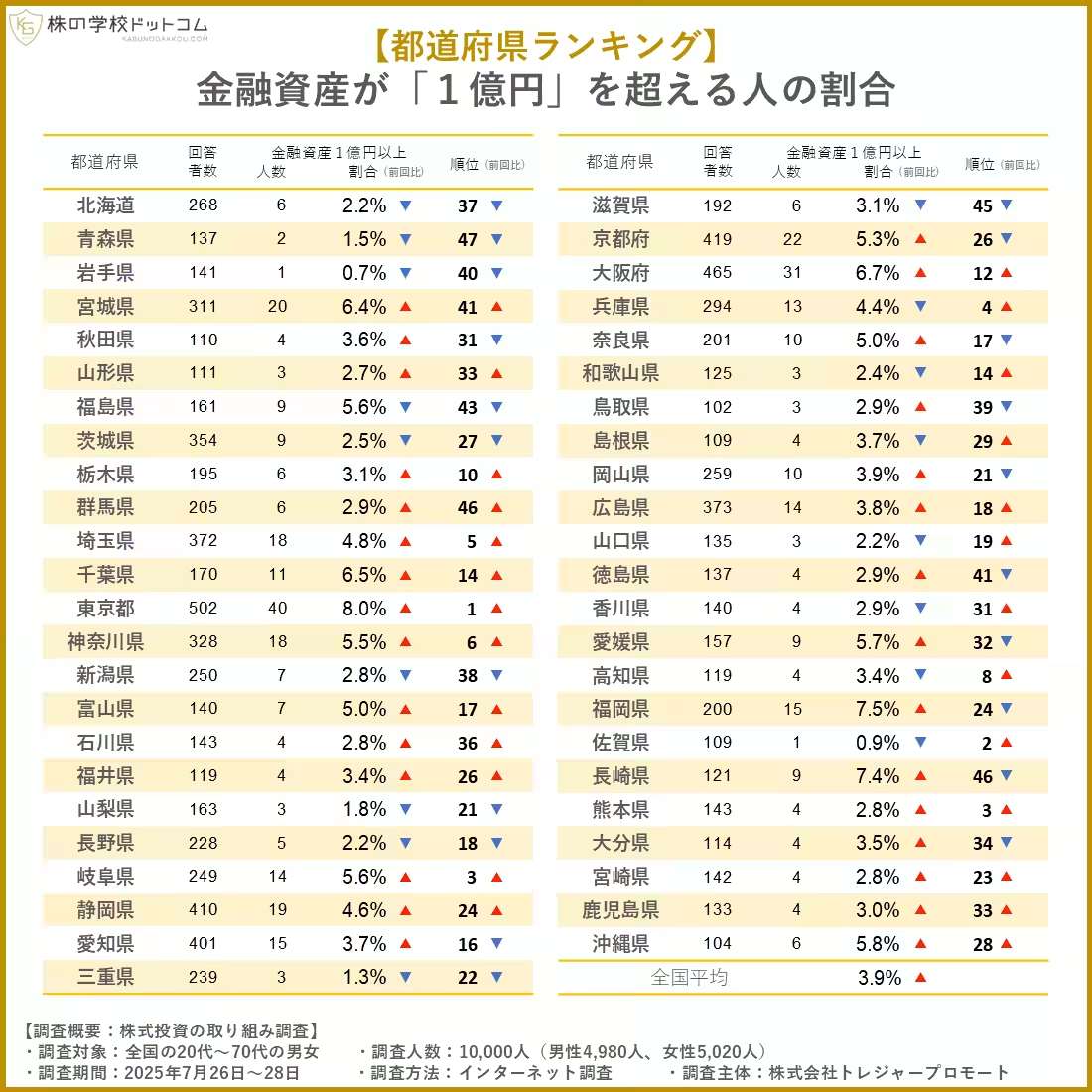
The profile of stock market participants suggests that Tokyo is not only leading in the number of investors but also in the wealth of those investors. A full 8.0% of respondents from Tokyo reported having financial assets exceeding 100 million yen, which is more than double the national average of 3.9%. The second place is held by Fukuoka Prefecture with 7.5%, followed closely by Nagasaki with 7.4%.
Contrastingly, Aomori Prefecture recorded the lowest percentage of stock investors at just 16.8%, highlighting a substantial disparity compared to Tokyo, which shows over a 20-point difference. This survey's findings underline a trend where stock investment interest is notably higher in certain regions, particularly in central and western Japan, with Nara Prefecture and Gifu Prefecture following Tokyo as the next leading areas, recording 36.8% and 34.1% respectively.
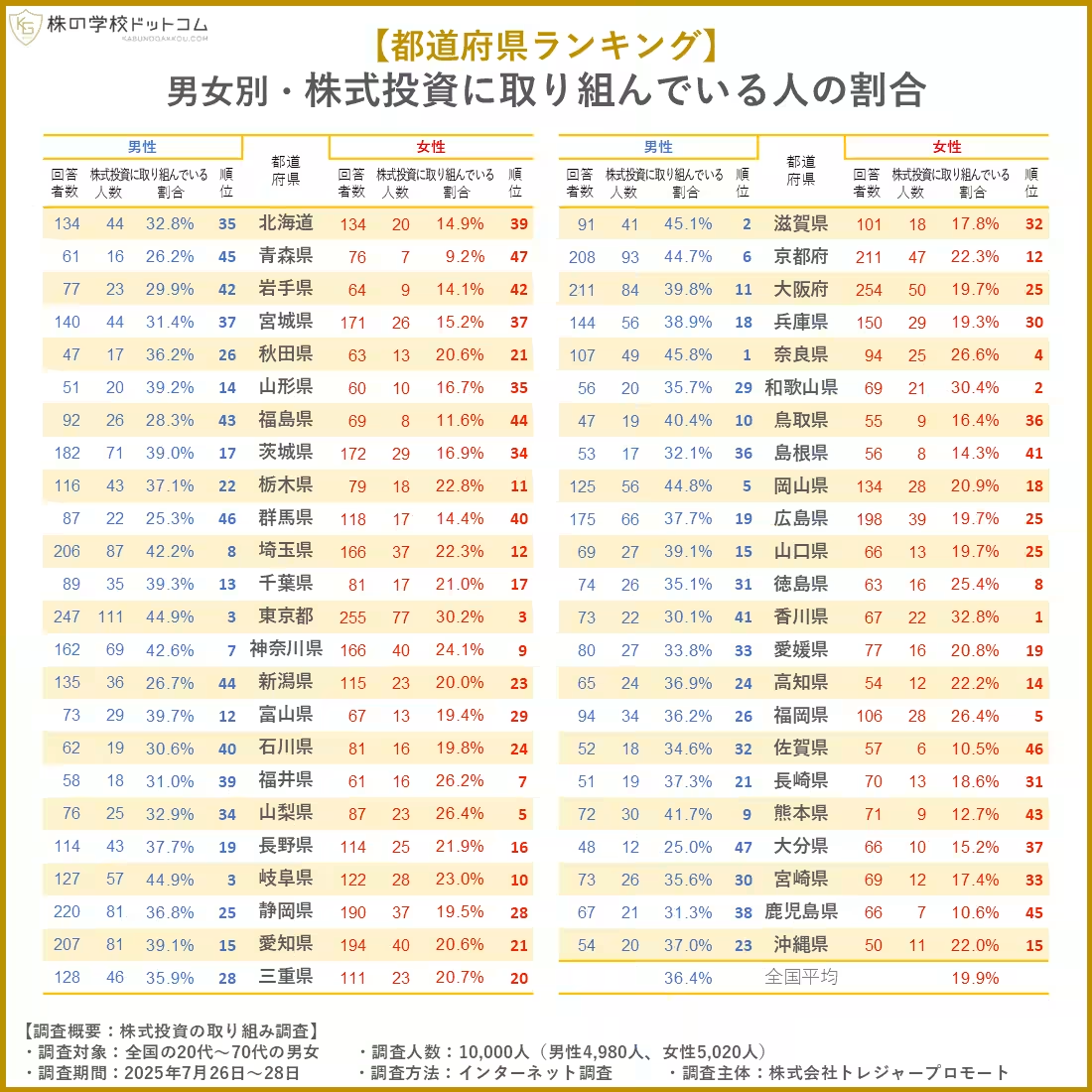
Kabunogakkou has indicated that this survey is part of an annual series initiated in 2023 to better understand the dynamics of stock market engagement throughout Japan. According to the study, an increase in investment interest has been observed over the previous year and this year’s results show that 32 prefectures witnessed a rise in participation. Particularly, male investors from Nara topped the charts with 45.8%, while females demonstrated their highest involvement in Kagawa Prefecture at 32.8%, marking a notable trend where some regions see women outnumbering men in stock investments.
The analysis provided insights into gender disparities as well, revealing that men are significantly more likely to engage in stock trading than women, with national averages indicating 36.4% for men compared to just 19.9% for women. In regions like Kumamoto, this gap is pronounced, with male investors at 41.7% and female investors lagging at just 12.7%. It highlights ongoing challenges in closing the investment gap between genders and underscores the potential benefits of encouraging more female participants in stock trading.
As Japan pushes towards a culture of investing rather than merely saving, many initiatives have emerged, particularly with the introduction of the new NISA system set to launch in 2024, aiming to simplify stock investment processes to appeal to a broader audience. The survey emphasizes that while there is a growing interest in stock markets, a more significant portion of the population—over 70%—remains unengaged in stock trading, signaling that education and accessibility remain pivotal in driving further participation.
Moving forward, the Kabunogakkou initiative aims to continue fostering financial literacy and investment strategies across more demographics, supporting those ready to embark on their investment journeys. With their rich educational resources, they strive to elevate financial literacy within society and provide people the means to secure their financial futures through informed stock market engagement.
In conclusion, the current landscape of stock market engagement in Japan, spearheaded by Tokyo, illustrates both a remarkable opportunity and a challenge. By expanding educational efforts and reaching out to underrepresented demographics, the potential for greater investment participation is vast, fostering a more inclusive financial ecosystem for future generations.
Topics Financial Services & Investing)
【About Using Articles】
You can freely use the title and article content by linking to the page where the article is posted.
※ Images cannot be used.
【About Links】
Links are free to use.