



The Ideal Work Style for Parenting Moms: Remote Work vs. Office Commute
The Ideal Work Style for Parenting Moms: Remote Work vs. Office Commute
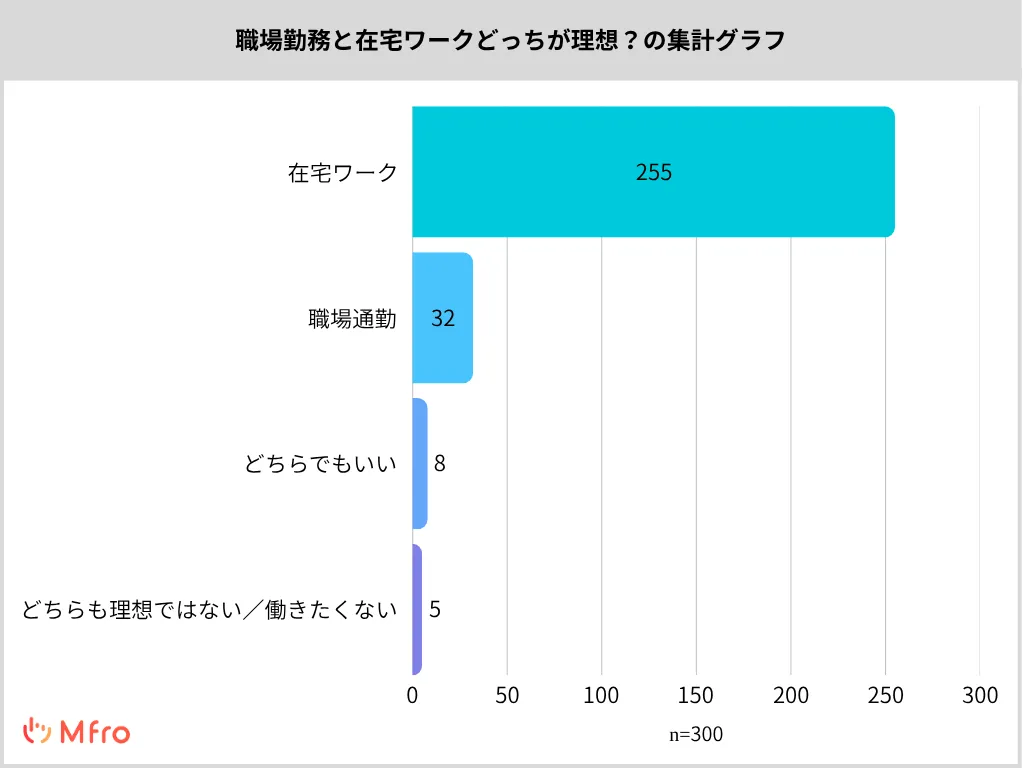
In August 2025, a survey conducted by MFRO Inc., based in Shibuya, Tokyo, gathered insights from 300 mothers who are currently balancing caregiving and professional responsibilities. The aim was to understand their preference between traditional office work and remote work. As our lives have changed post-pandemic, this topic has gained significant relevance. The findings reveal a notable trend: approximately 85% of mothers favor remote work as their ideal work style, highlighting the challenges they face in merging parenting and professional life.
Summary of Findings
1. Remote Work Preference: 85% of surveyed mothers indicated that remote work is their ideal.
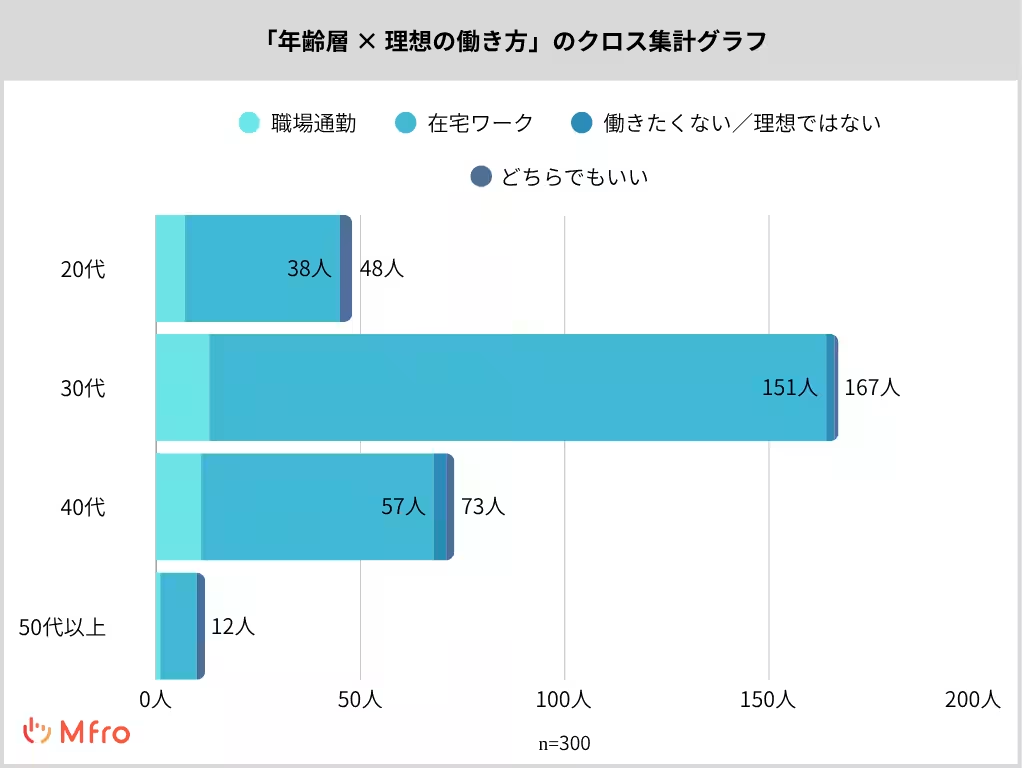
2. Trends Across Ages: Over 90% of mothers in their 30s expressed a preference for remote work.
3. Flexibility in Requirements: The desire for more flexible working hours is a consistent theme, especially during demanding parenting periods.
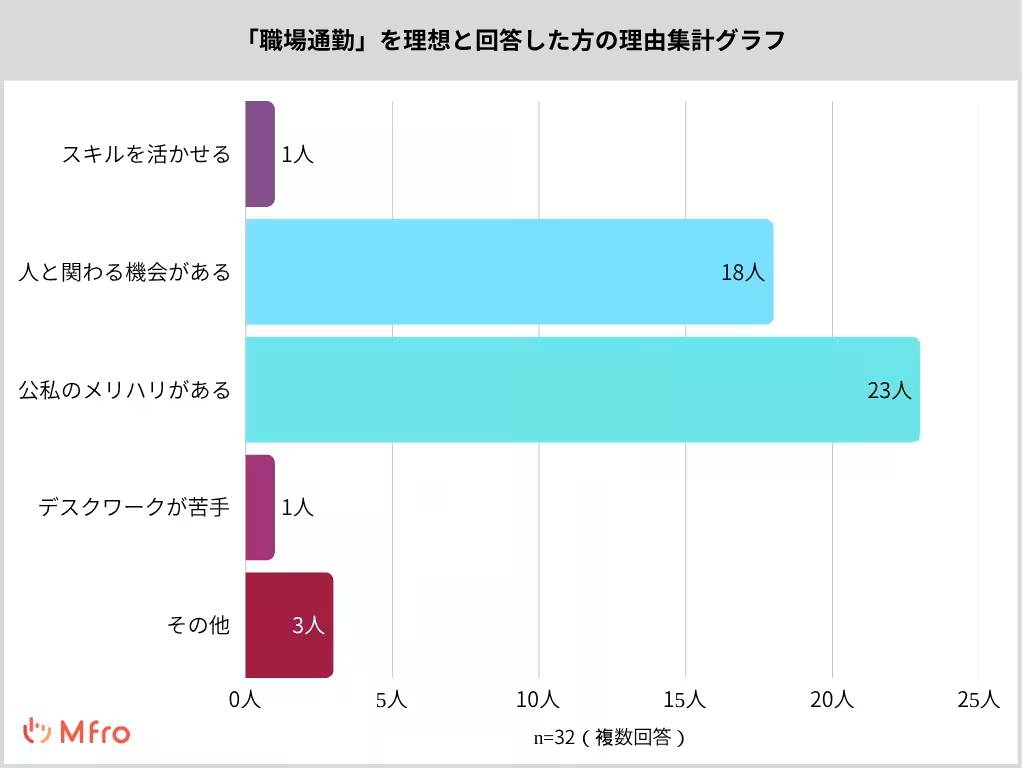
4. Connectivity in Office Work: A minority, roughly 10%, still values office commuting for the social engagement it brings, emphasizing the need for workplace connection.
Analyzing the Results
The preference for remote work isn't just a modern trend; it reflects a deep-seated need for flexibility in juggling household responsibilities and professional commitments. Many mothers expressed dissatisfaction with their current work situations, especially those who commute despite their ideal understanding of remote work.
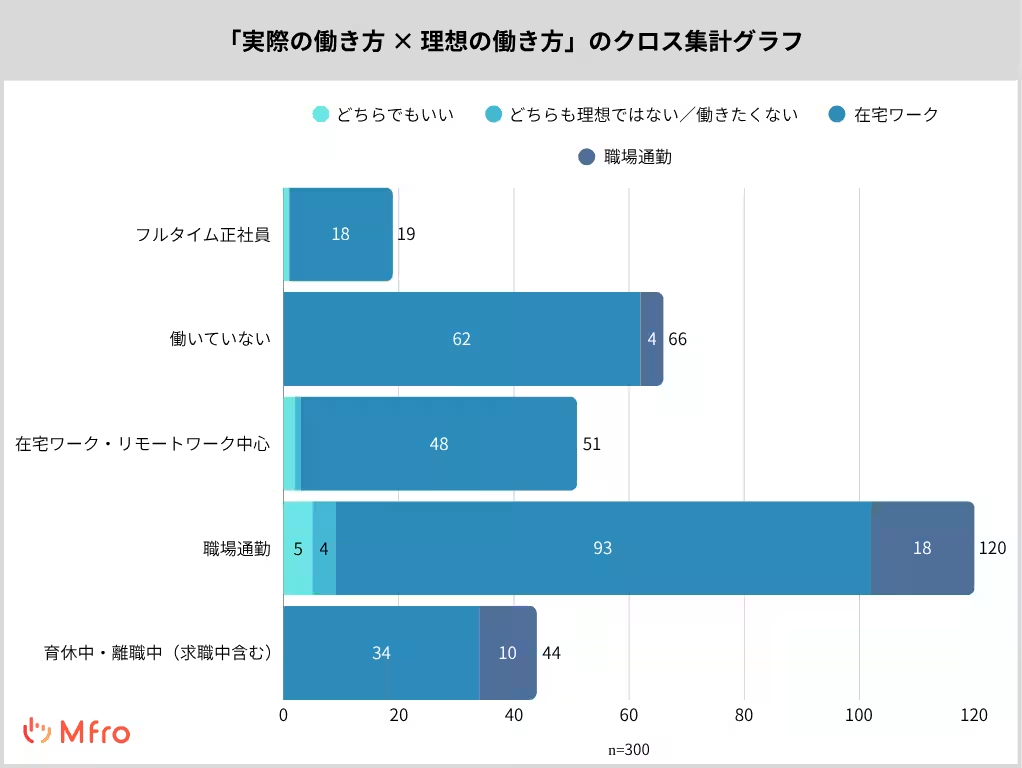
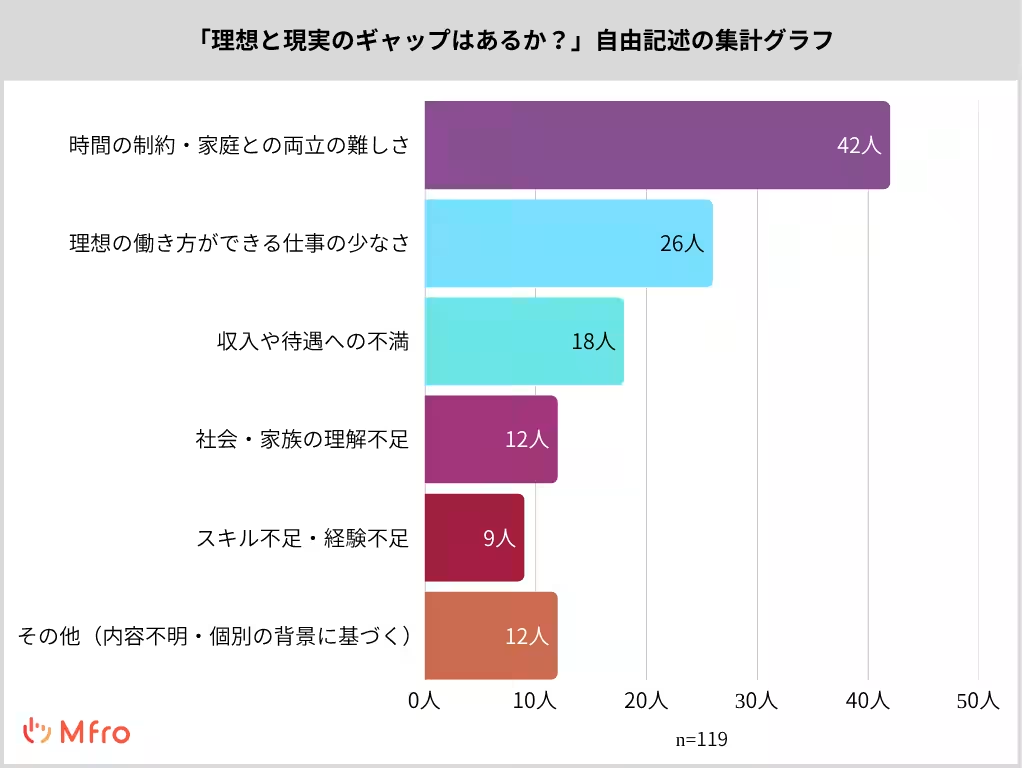
When examining the reality against preferences, 77.5% of mothers who currently commute still view remote work as their ideal arrangement. This discrepancy illustrates a significant gap between what mothers desire and what they currently experience. In their comments, many mothers reported feeling the pressure of time constraints and a limited choice of remote-friendly job opportunities.
Age-Specific Trends
A closer look into the age demographics reveals that mothers in their 30s and those with younger children are most likely to prefer remote work. 90% of mothers in their 30s identified remote work as their top choice. This echoes their desire for a balance between career and household duties. In contrast, preferences slightly vary by age, with 80% of mothers in their 40s also supporting remote work but exhibiting greater diversity in choices.
Connection with Children’s Ages
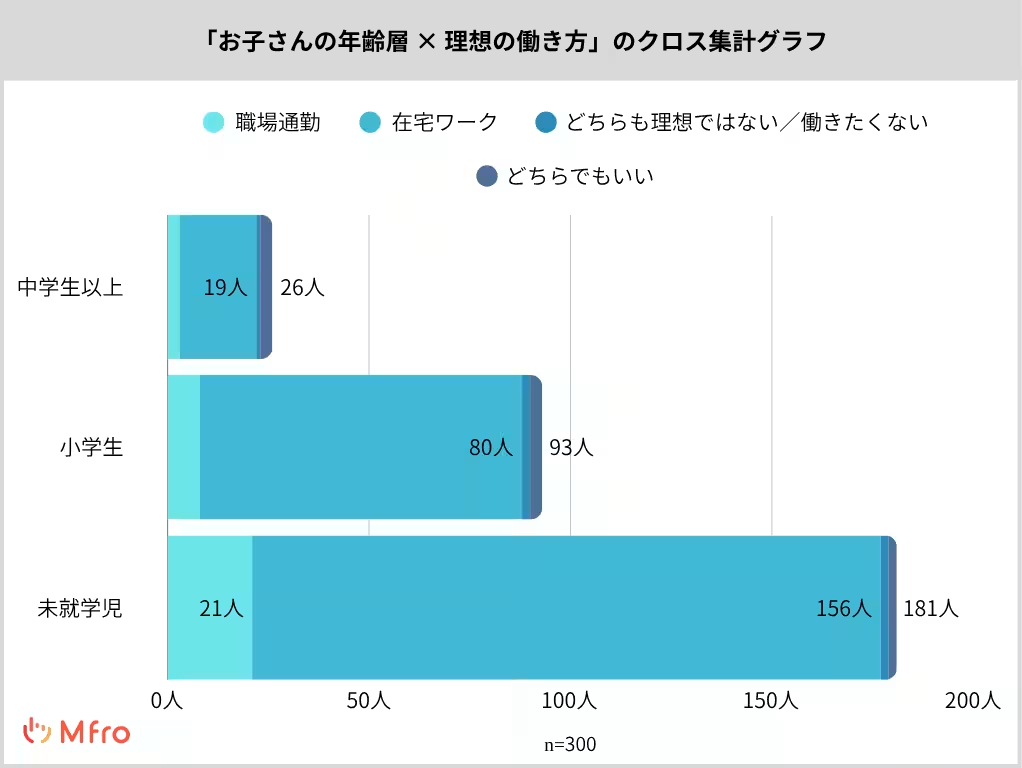
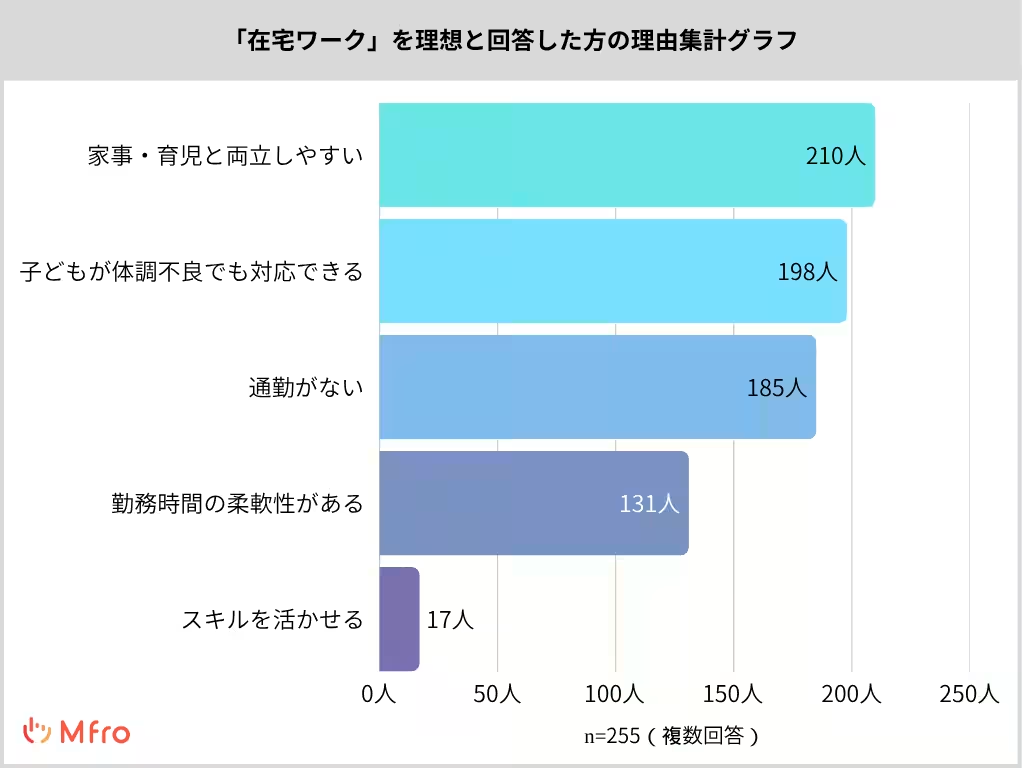
Notably, parents with younger children (under the age of majority) demonstrated the strongest preference for remote work, citing its advantages in avoiding commuting and maintaining flexibility in working hours. Conversely, mothers with older children showed a declining trend in preferring remote work, suggesting that as children grow, too, family dynamics and expectations change.
Examples of Challenges and Aspirations
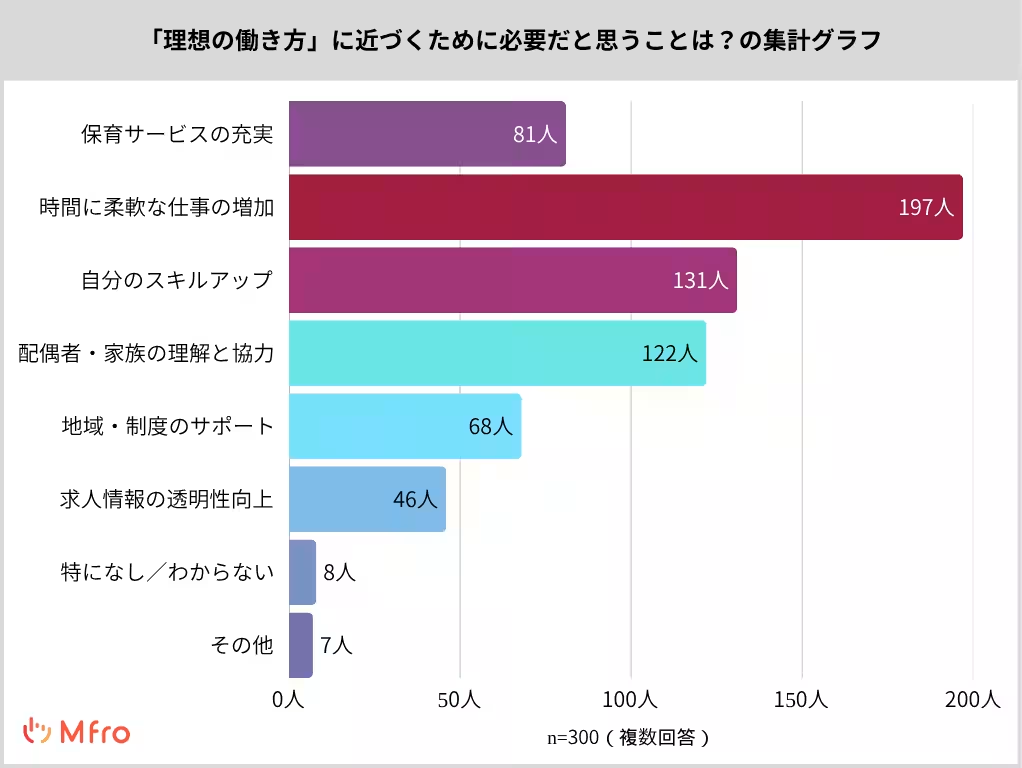
Many mothers voiced challenges during the survey, highlighting the conflict between their ideal and the practical realities of working from home. Responses reflected their struggles with environmental distractions and the desire for professional fulfilment. Terms like “finding appropriate home-based work” and

Topics Other)

【About Using Articles】
You can freely use the title and article content by linking to the page where the article is posted.
※ Images cannot be used.
【About Links】
Links are free to use.