



The Launch of the Internal Business Contest Design Guide for Companies
Introduction
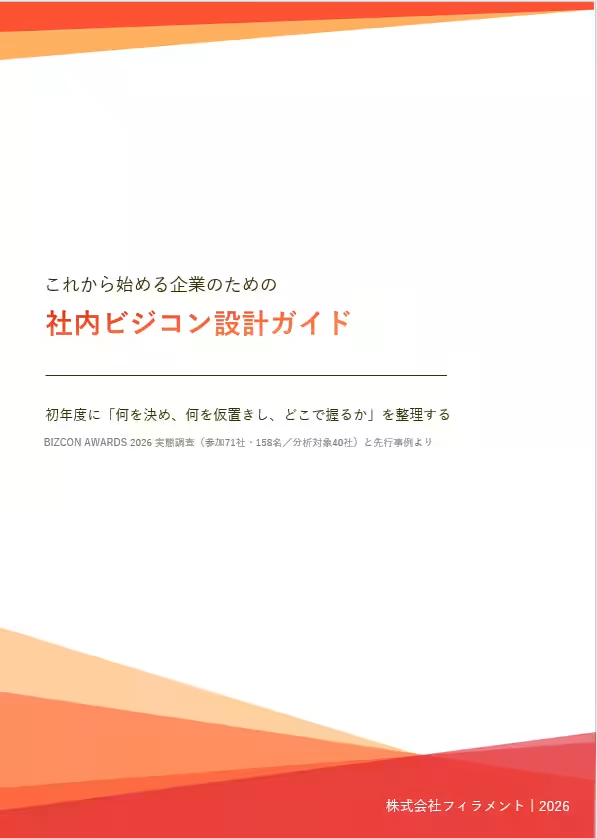
In an effort to assist companies in launching their internal business proposal systems, Filament Inc., headquartered in Chuo-ku, Osaka, has unveiled the "Internal Business Contest Design Guide." This comprehensive manual aims to help businesses navigate the complexities of establishing their systems, particularly focusing on the critical first year.
Background
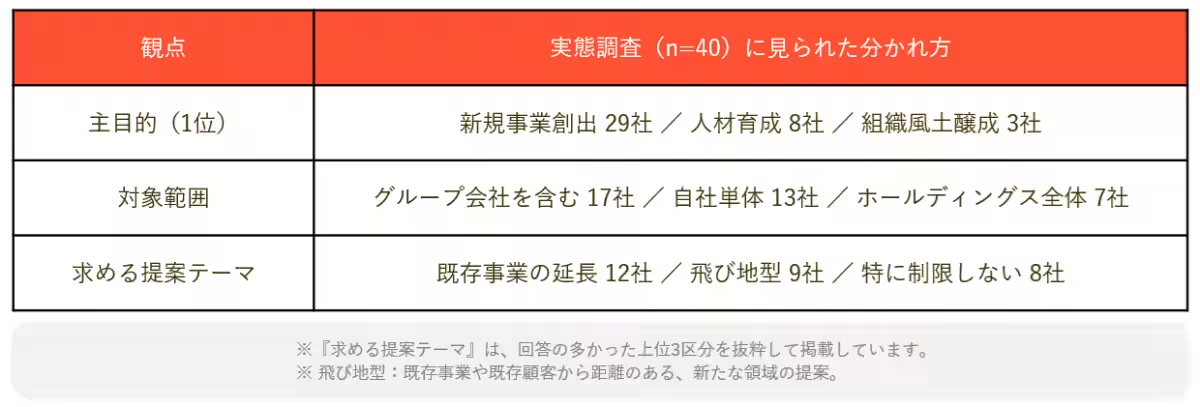
The guide is a product of extensive research conducted during the "BIZCON AWARDS 2026," which analyzed the implementations of 40 companies involved with internal contests. Surveys indicated diverse practices and objectives related to new business creation within companies.
Internal business contests serve not only as platforms for gathering ideas but also as structured systems for exploring new business opportunities stemming from employee insights and interactions with customers. However, to ensure these initiatives succeed in the long run, businesses must clarify their objectives, define themes, support applicants, and create follow-up plans for participants.
Common Pitfalls and Best Practices
One of the common mistakes is thinking that there is a one-size-fits-all solution for internal contests. The guide emphasizes learning from various industries and structuring designs that cater to specific company needs rather than simply replicating the concepts employed by successful firms. Elements such as the involvement of different departments, corporate expectations, and employee motivations all play critical roles in determining the outcome of these contests.
Structuring the First Year
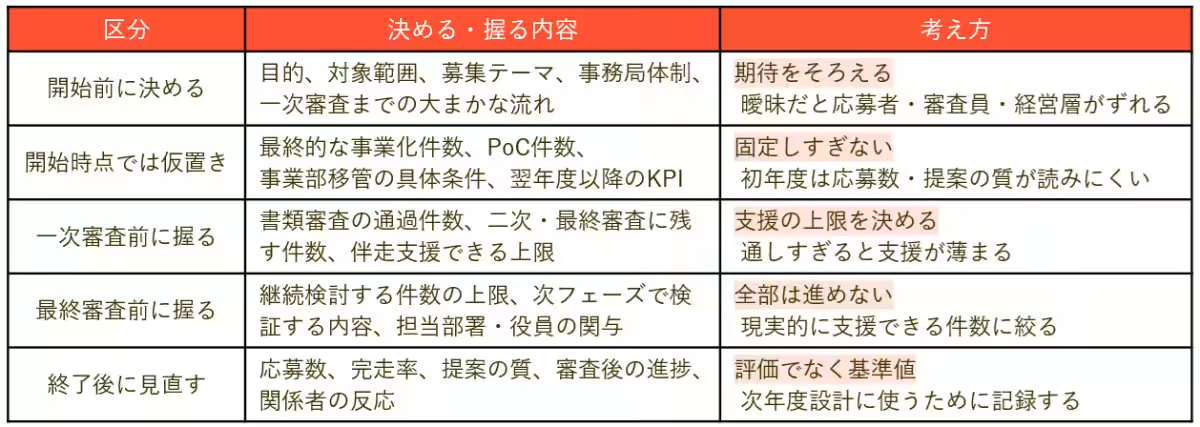
The guide offers a clear structure for the first year, addressing what should be finalized, what can remain flexible, and essential agreements that need to be reached before evaluations occur. Filament Inc. advises that companies avoid fixating on perfecting their processes right away. Instead, they should build a foundation by encouraging participation, refining the quality of submissions, and providing robust support throughout the evaluation process.
Balancing Between Entry and Exit Planning
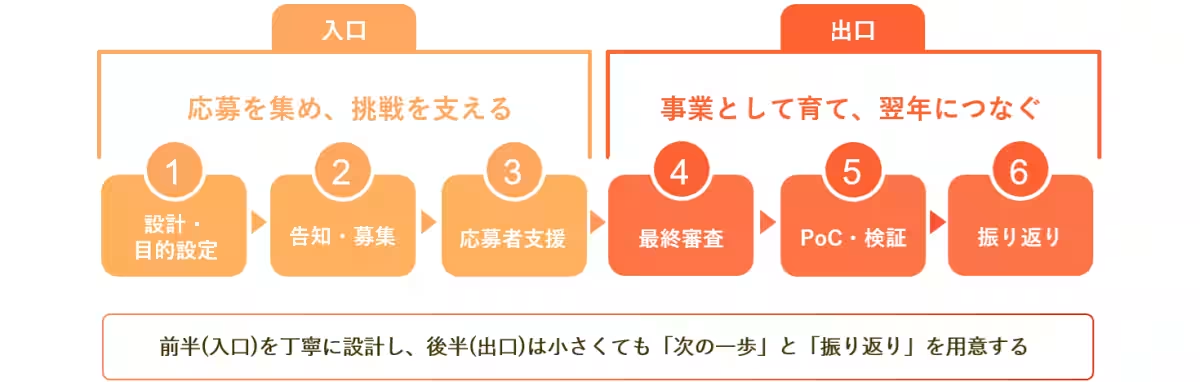
The design guide divides the process into two main phases: the "entry" and the "exit." The entry phase focuses on aspects like objective setting and applicant support, while the exit phase addresses final evaluations and reflections on the process. For the first year, the goal is not to establish a flawless commercialization process but to successfully engage applicants and support their development through to the finish line.
Tailoring to Organizational Structure
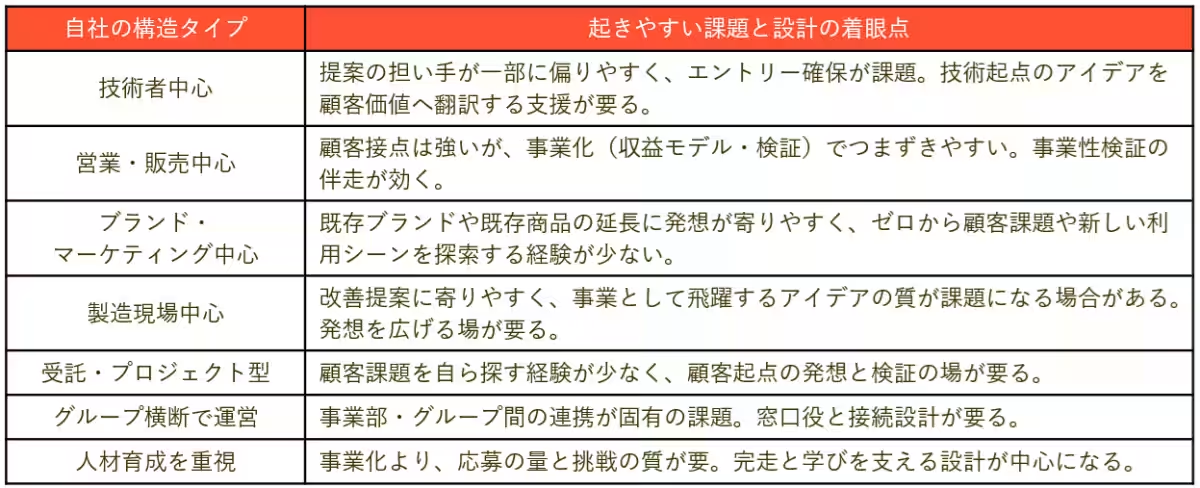
Another critical point highlighted in the guide is the need to tailor approaches based on the structural complexities unique to each organization. Factors like employee roles, customer engagement, and revenue structures can significantly affect how contests are organized and executed. For instance, technical organizations might struggle with idea submission due to the focused expertise of their teams.
The Role of `BIZCON AWARDS`
The BIZCON AWARDS, a pioneering initiative, shines a light on the efforts and successes of internal contest operations within companies. By recognizing the achievements of offices that facilitate these contests, the awards aim to cultivate an environment that facilitates company transformation through innovative business practices.
For more details, Filament Inc. invites interested parties to consult the complete design guide available here.
Conclusion
As businesses across various sectors increasingly turn to internal contests for new business ideas, Filament Inc. underscores the importance of structured planning for a successful implementation. The Internal Business Contest Design Guide serves as a foundational tool for organizations looking to navigate their unique challenges effectively while fostering a culture of innovation within.

Topics Business Technology)

【About Using Articles】
You can freely use the title and article content by linking to the page where the article is posted.
※ Images cannot be used.
【About Links】
Links are free to use.