



Understanding the Housing Challenges Faced by LGBTQ Couples in Japan
Examining the Housing Dilemmas Encountered by LGBTQ Couples in Japan
In recent findings from a survey conducted by LIFULL HOME'S, a leading real estate service in Japan, around 80% of LGBTQ couples reported having to compromise on housing decisions due to their sexual orientation. This survey involved 266 respondents who have considered or experienced purchasing a home with their partners, laying bare the unique challenges they face in a traditionally conservative society.
Survey Results Overview
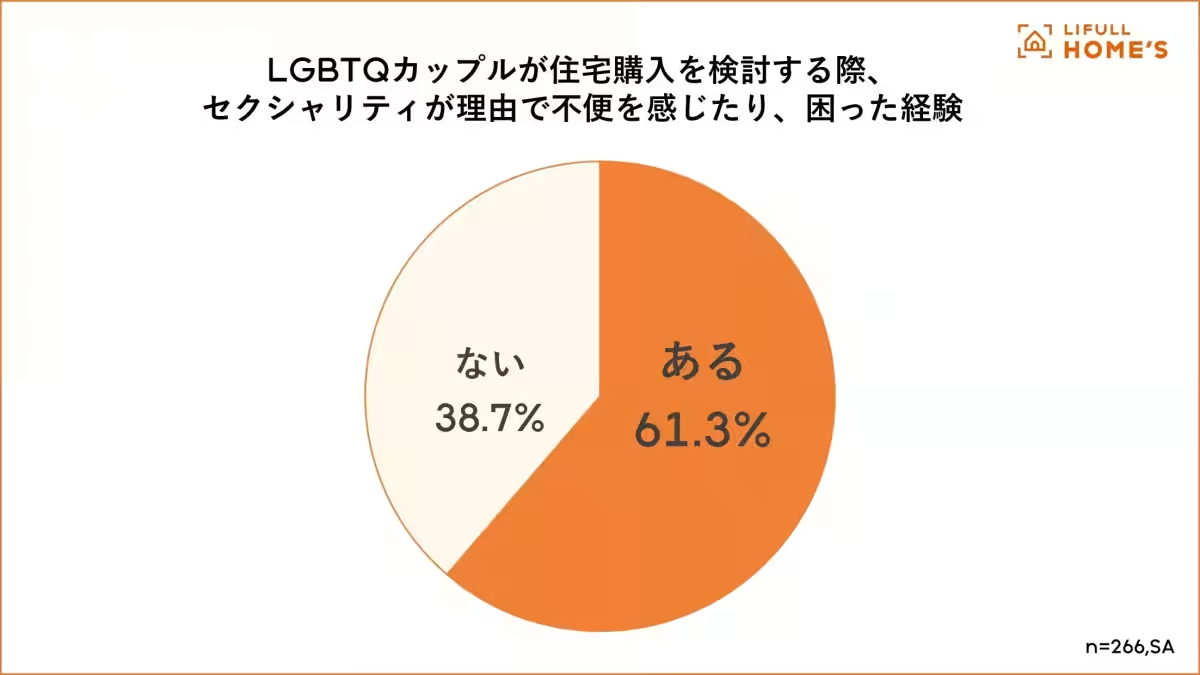
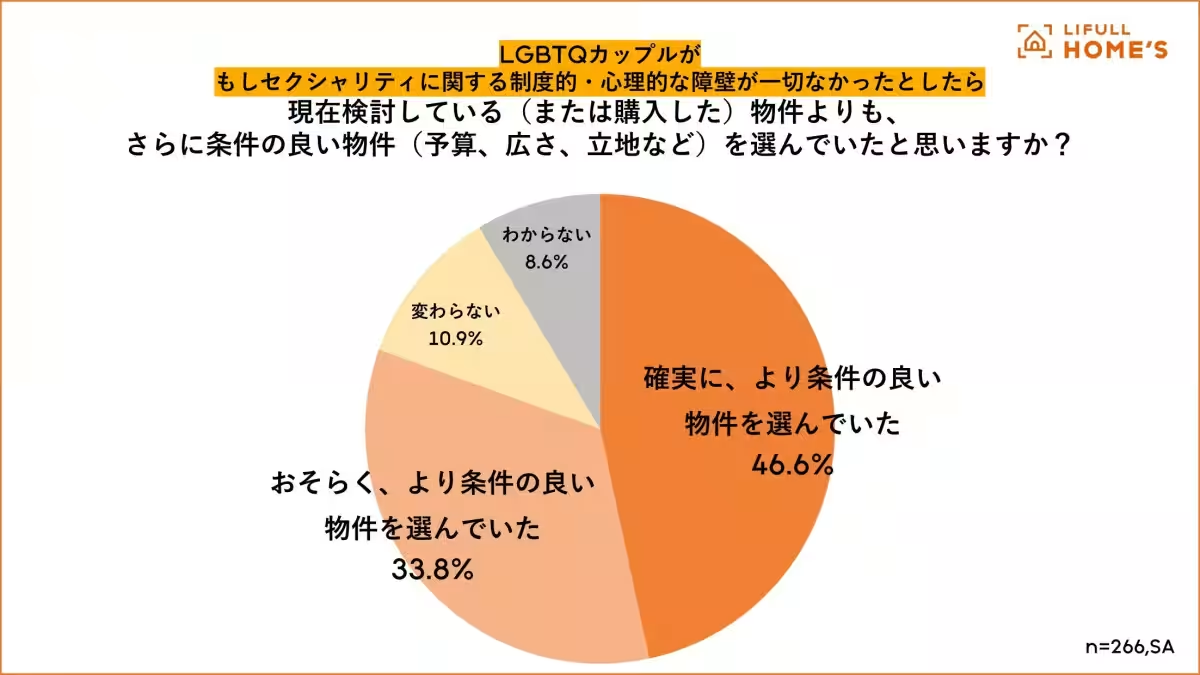
One striking result from the survey highlights that 61.3% of LGBTQ couples have encountered difficulties or inconveniences while exploring housing options. Furthermore, more than 80% expressed that without barriers related to their sexuality, they would have opted for better properties with more favorable conditions.
Key Findings:
1. Difficulties in the Housing Market: 60% of respondents encountered inconveniences during their housing purchase journey.
2. Compromises Made: Over 80% indicated that they would choose better properties if barriers associated with their sexuality were absent.
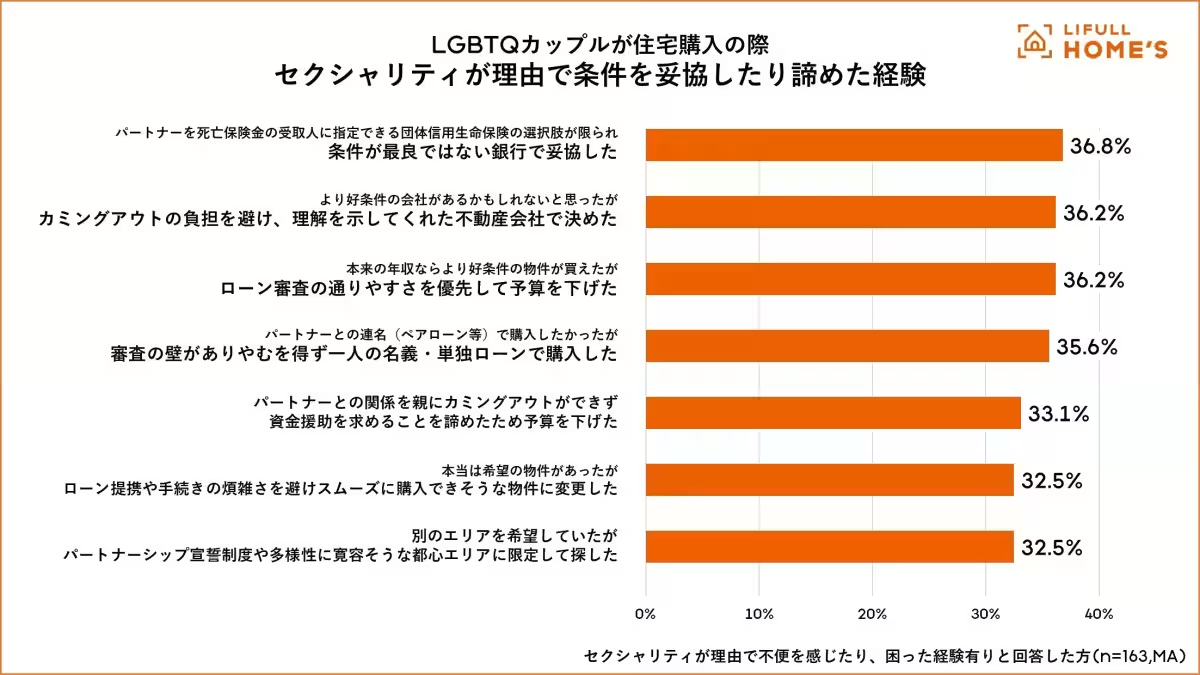
3. Existence of Barriers: Approximately 30% disclosed that their options for loans were significantly limited, often forcing them to settle for less favorable banks due to their sexual orientation.
4. Loan Preferences: Many LGBTQ couples prefer to utilize pair loans, with over 35% identifying this as their chosen method for financing their homes.
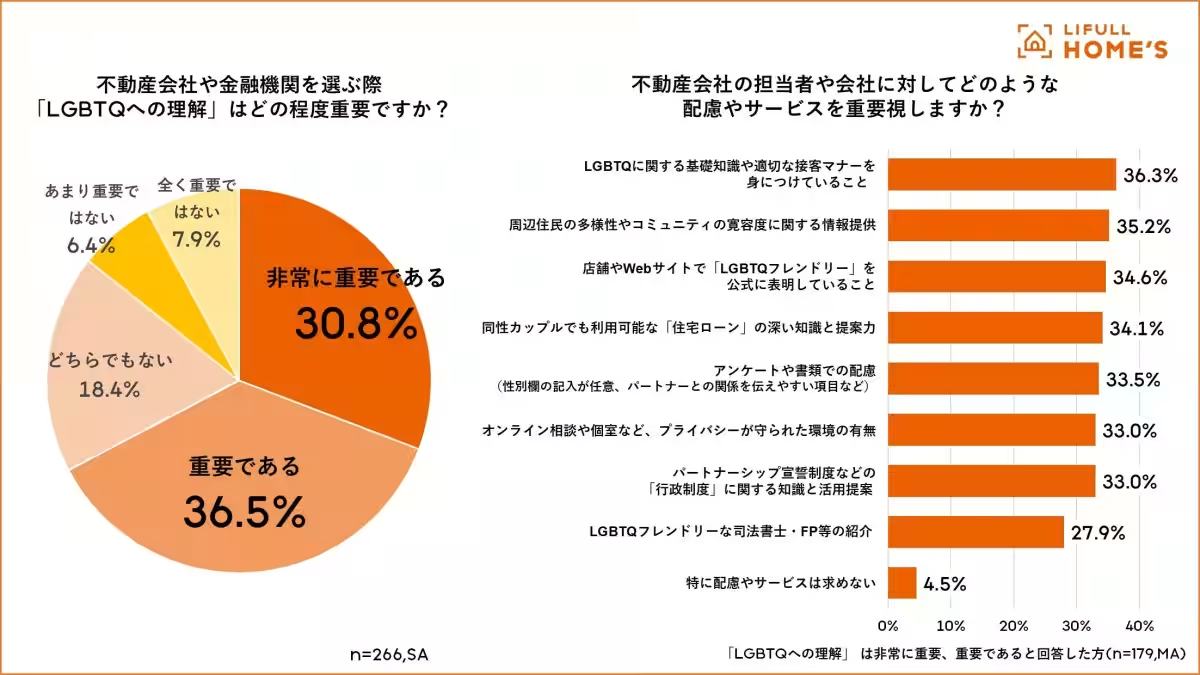
5. Expectations from Real Estate Agents: LGBTQ couples expressed a desire for understanding and fair treatment rather than special privileges from real estate professionals.
In-Depth Insights
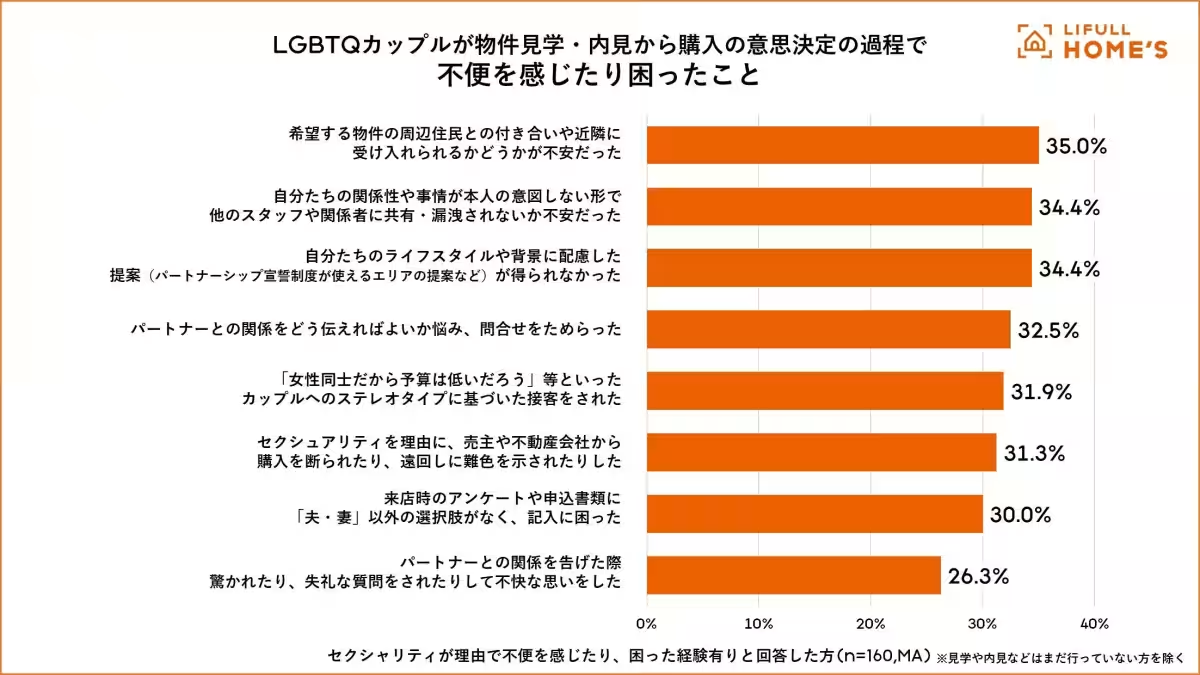
The survey results reflect a need for deeper understanding and systemic changes to assist LGBTQ couples in navigating the housing market with ease. Numerous participants reported facing discomfort when disclosing their relationships during the buying process. For instance, issues like concerns over community acceptance and the possibility of their relationship being revealed without their consent significantly impacted their decisions.
Specific Challenges Faced:
Many respondents reported that their sexual orientation influenced their interactions with banks and real estate agents. About 36.8% found themselves compromising on loan options because they could not name their partner as a beneficiary in their life insurance applicable for mortgages, relegating them to choose banks with less favorable conditions. Furthermore, 32.5% noted that they hesitated to disclose their relationship to estate agents, worried about discrimination.
Socioeconomic Context
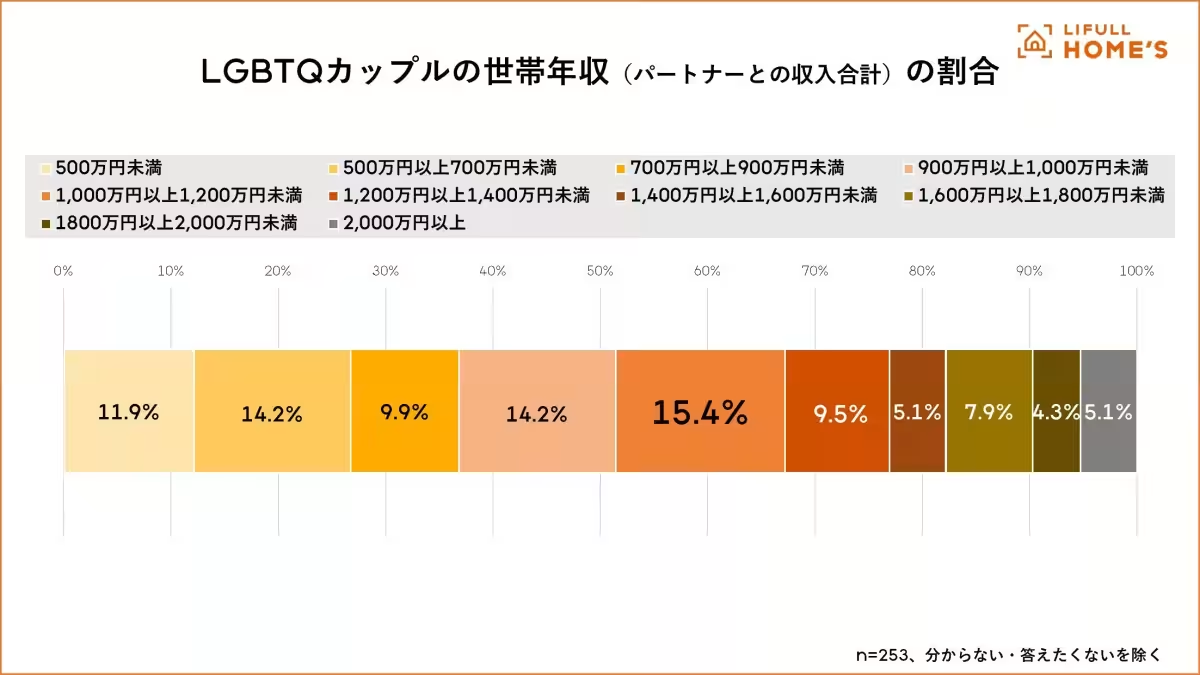
The survey paints a broader picture of how legal recognition, like the partnership declaration system emerging in urban areas, still falls short in providing LGBTQ couples with comprehensive rights, especially in housing. On average, the household incomes of LGBTQ couples surveyed exceeded 1 million yen annually; however, a significant percentage still reported having to lower their expectations for properties because of systemic barriers.
According to Miki Kajikawa from LIFULL HOME'S FRIENDLY DOOR, while their economic capacity suggests the possibility for home ownership, the emotional toll of navigating societal biases remains a hurdle. She emphasizes the critical need for improving real estate services to ensure LGBTQ individuals can freely pursue home ownership without facing discrimination or discomfort.
Future Directions
In response to the survey outcomes, LIFULL HOME'S FRIENDLY DOOR is set to expand services aimed at empowering LGBTQ individuals in their home-buying journeys. Their initiative, designed to match LGBTQ couples with real estate professionals who understand their unique needs and challenges, seeks to transform the home-buying experience into one that is supportive and inclusive.
This endeavor strives to not only assist LGBTQ individuals in finding their ideal homes but also to shift societal perspectives towards greater acceptance and understanding, ensuring that everyone can pursue their dream of home ownership without compromising personal identity.
In conclusion, addressing these housing challenges will require ongoing dialogue, education for real estate agents, and an evolution in societal attitudes. The path toward equitable housing opportunities for LGBTQ communities is vital for fostering a diverse and inclusive society.


Topics Consumer Products & Retail)
【About Using Articles】
You can freely use the title and article content by linking to the page where the article is posted.
※ Images cannot be used.
【About Links】
Links are free to use.