




Sumitomo Forestry Begins Construction of Wellness Center at Tsuda University
Construction of a Unique Wellness Center at Tsuda University
Sumitomo Forestry Co., Ltd., headquartered in Chiyoda, Tokyo, has commenced construction on the new "Wellness Center" located at Tsuda University's Koganei Campus as of September 8, 2025. This single-story wooden building covers a total area of approximately 460 square meters and is designed to support students' mental and physical health through a range of facilities including consultation rooms, relaxation areas, medical rooms, and meditation spaces. This is one of the facilities outlined in Tsuda University’s Master Plan for the Koganei Campus.
Key Features of the Wellness Center
A Design Harmonious with Nature
The Wellness Center is crafted to blend seamlessly with the campus's natural landscapes, which are rich in greenery and adjacent to the Tamagawa Josui waterway. The building boasts entirely wood construction, offering a direct visual connection to the forest, fostering a sense of connection to nature and tranquility for its visitors. Moreover, trees originally present at the site will undergo transformation into unique art pieces through workshops with students, preserving their essence and emotional significance within the historical context of the campus.
In total, the building will utilize approximately 127 cubic meters of timber, leading to a carbon fixation potential of around 103 tons CO2e, showcasing Sumitomo Forestry's commitment to sustainability.
Thoughtful Space Design for Users
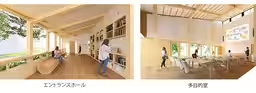
The architectural layout prioritizes the well-being of students facing mental health challenges or uncertainties about their university life. The entrance hall serves as a central hub, with wellness functions (including the medical room, consultation areas, relaxation rooms, and meditation spaces) distributed on either side. This layout is designed to create a warm atmosphere with exposed wooden structures, while the multipurpose room will provide an open environment conducive to learning and connecting. The design effectively balances the need for distinct spaces while maintaining overall cohesion under one roof, a key benefit of single-story construction.
Additionally, the facility includes a meditation room for peaceful reflection and an all-gender restroom to ensure accessibility for all users. The interior will feature wooden finishes, tapping into research from the Sumitomo Forestry Tsukuba Research Institute that highlights the calming effects of wood and wood-based environments, which significantly reduce anxiety, irritability, and feelings of ostracization.
Facility Overview
- - Project Name: Tsuda University Koganei Campus Wellness Center Construction
- - Location: Tsuda Town, Koganei City, Tokyo, 2-1-1
- - Purpose: University Health Management Facility
- - Site Area: Approximately 76,543.22 square meters
- - Total Floor Area: 460.17 square meters (about 139.2 tsubo)
- - Structure and Floors: Single-story wooden structure (conventional frame method), rated for 45 minutes' fire resistance
- - Height: Approximately 7.3 meters (maximum)
- - Construction Start: September 8, 2025
- - Completion Expected: March 2026
- - Utilization Start: April 2026
- - Basic Planning and Design Supervision: Yasui Architectural Design Office
- - Design and Construction: Sumitomo Forestry Co., Ltd.
About Tsuda University
Founded in 1900, Tsuda University is dedicated to empowering women through higher education. With a student population of 3,294 registered as of May 1, 2025, the campus includes various facilities, such as the Koganei Campus and Sendagaya Campus, as well as seminar houses in Karuizawa and Nishikokubunji.
Sumitomo Forestry Group operates a comprehensive range of businesses centered around wood, from forest management and timber production to real estate development and biomass power generation. With a long-term vision titled "Mission TREEING 2030," the group aims to enhance the carbon absorption of forests and promote carbon-sequestering wooden architecture as a contribution to a sustainable future.
This Wellness Center at Tsuda University promises not only to advance student wellbeing but also to exemplify the integration of nature and modern architectural practices, fostering a tranquil and supportive environment for all.


Topics People & Culture)

【About Using Articles】
You can freely use the title and article content by linking to the page where the article is posted.
※ Images cannot be used.
【About Links】
Links are free to use.