



Leveraging Generative AI in B2B Sales: Enhancing Human Skills with Unique Customer Data
Leveraging Generative AI in B2B Sales
In the rapidly evolving landscape of B2B sales, generative AI has become an integral tool, transitioning from a novelty to a necessity. A recent study conducted by MM Research, targeting B2B companies with more than 100 employees, reveals intriguing insights into how businesses are currently utilizing generative AI, especially in conjunction with unique customer data.
The Current State of Generative AI Utilization
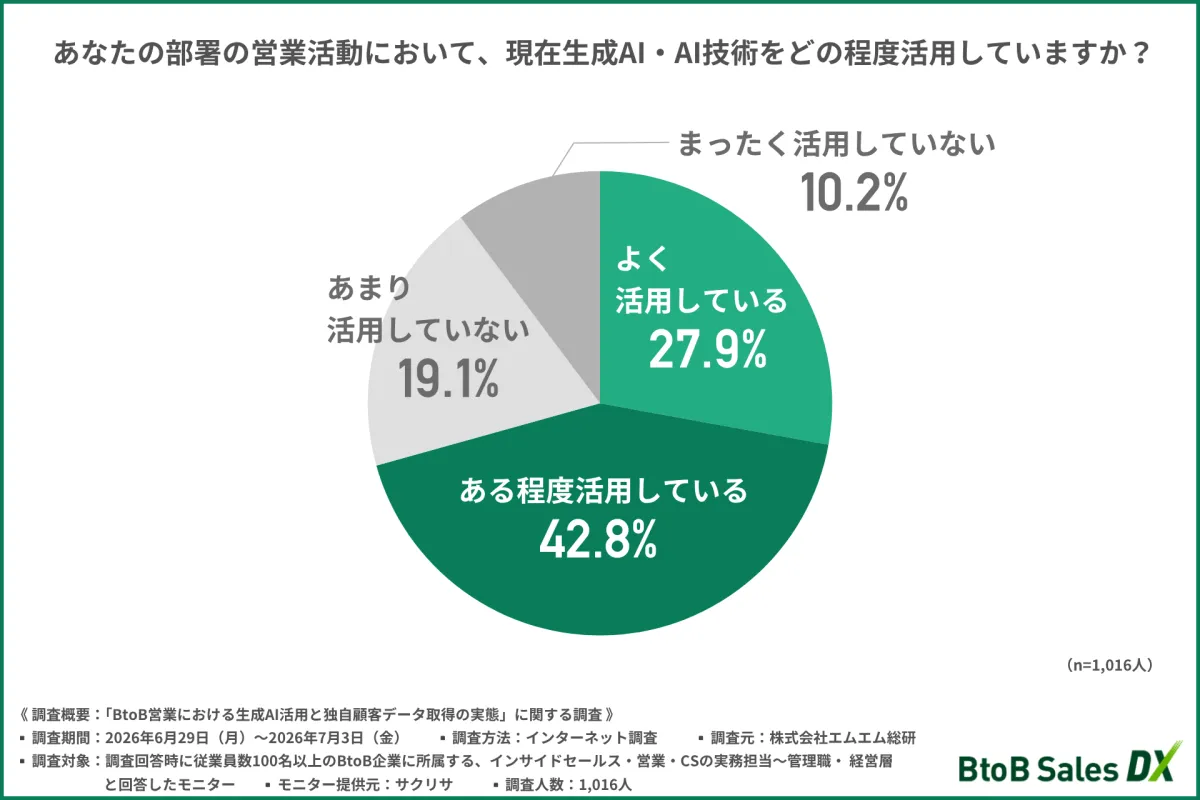
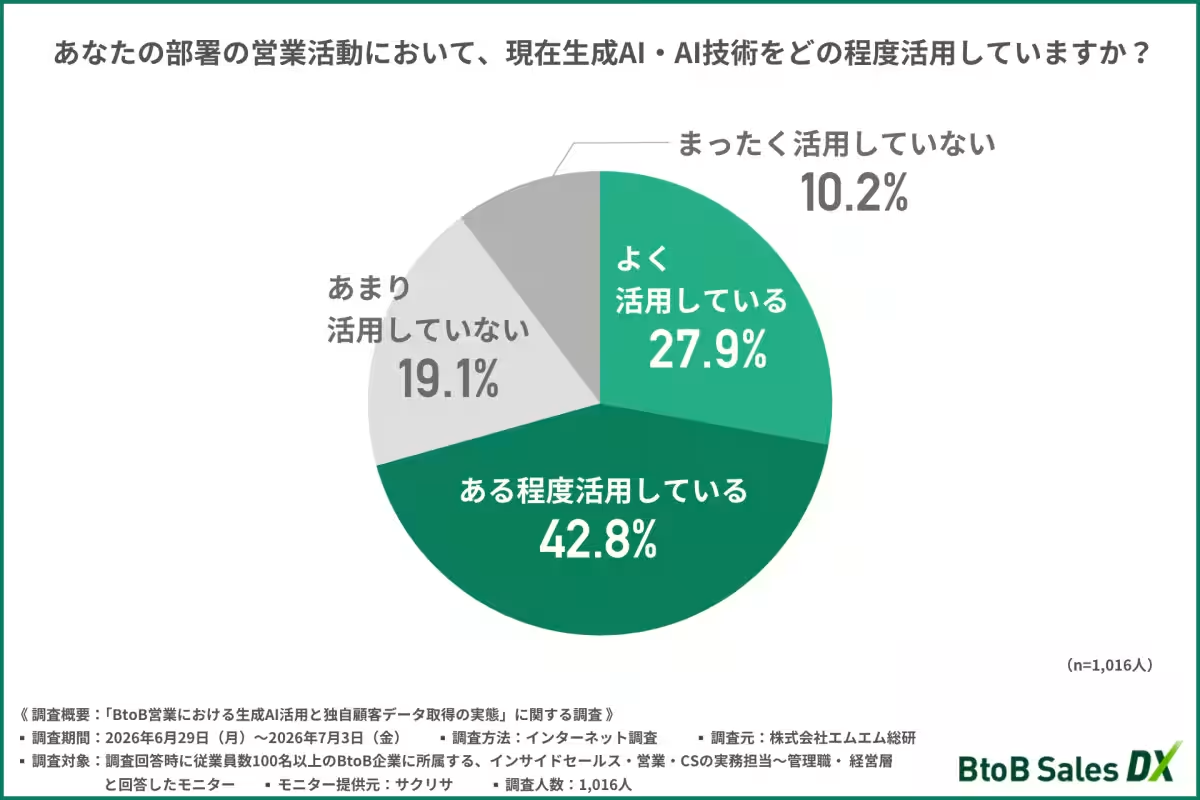
About 70% of respondents reported that they are using generative AI in their sales activities, with 27.9% indicating they use it frequently and 42.8% using it to a certain extent. This transition towards AI is largely driven by the urgency for improved efficiency and alleviating staff shortages, making AI an essential daily support tool.
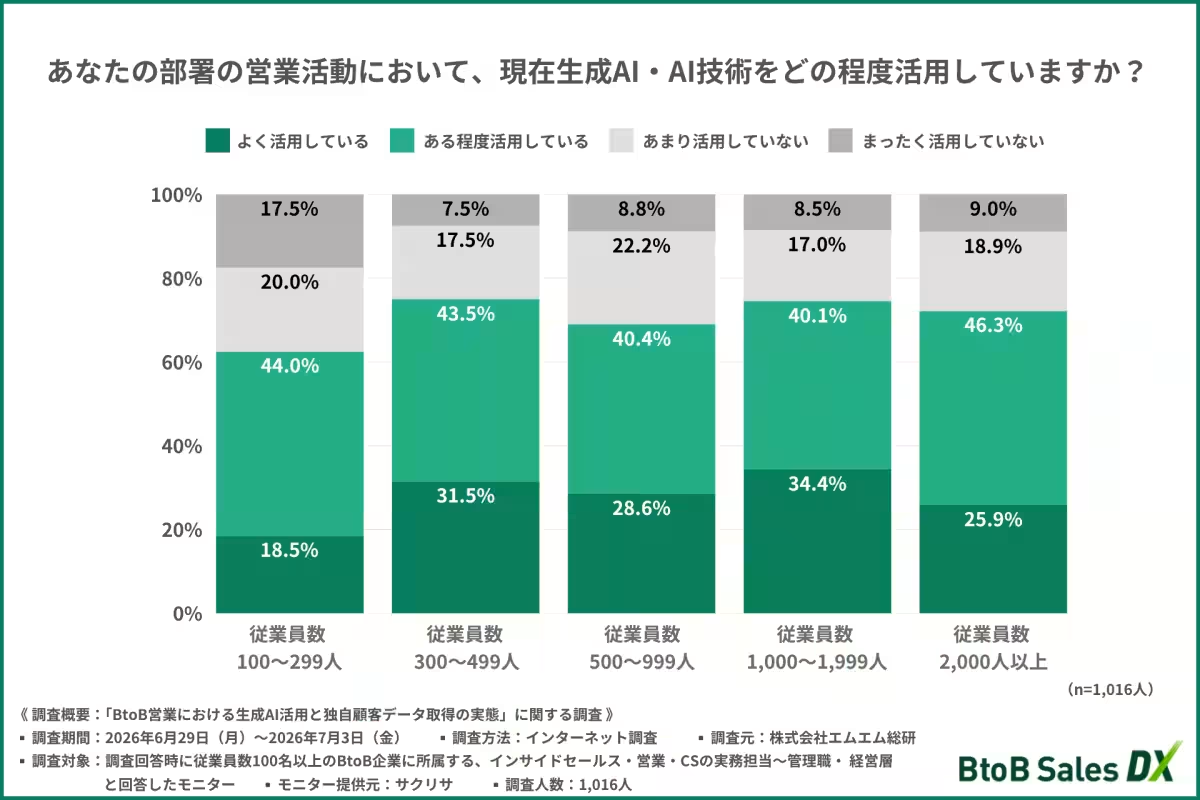
However, disparities exist based on company size. In companies with 1,000-1,999 employees, 34.4% indicated they use AI frequently, contrasting sharply with 17.5% of smaller firms (100-299 employees) that reported they do not use AI at all. This suggests that while larger companies have embraced AI, smaller businesses are still hindered by a lack of structure and know-how.
Preferred Generative AI Tools
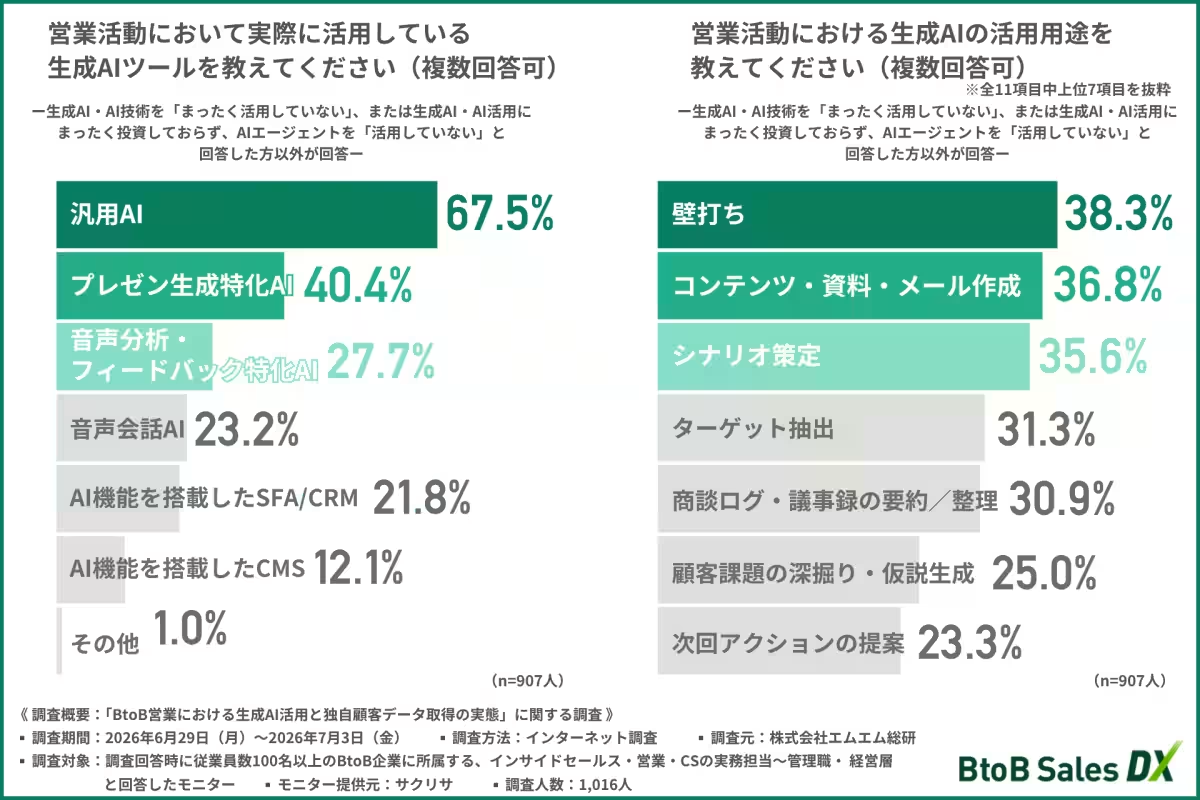
When asked about the specific generative AI tools in use, the most cited was general-purpose AI models such as Copilot, ChatGPT, Claude, and Gemini, utilized by 67.5% of respondents. Other tools like presentation-generation AIs and voice analysis AIs followed at 40.4% and 27.7% respectively. The broad appeal of general-purpose AI can be attributed to its user-friendly chat format and versatility across various tasks. Moreover, specific-purpose AIs are also valued for their ability to address particular challenges within the sales process.
In terms of application, respondents highlighted the usage of generative AI primarily for brainstorming (38.3%), content and document preparation (36.8%), and strategic scenario development (35.6%). However, the focus remains predominantly on initial stages of operational efficiency rather than advanced applications such as individual optimization or predictive analysis, indicating a need for deeper integration into sales strategies.
The Importance of Unique Customer Data
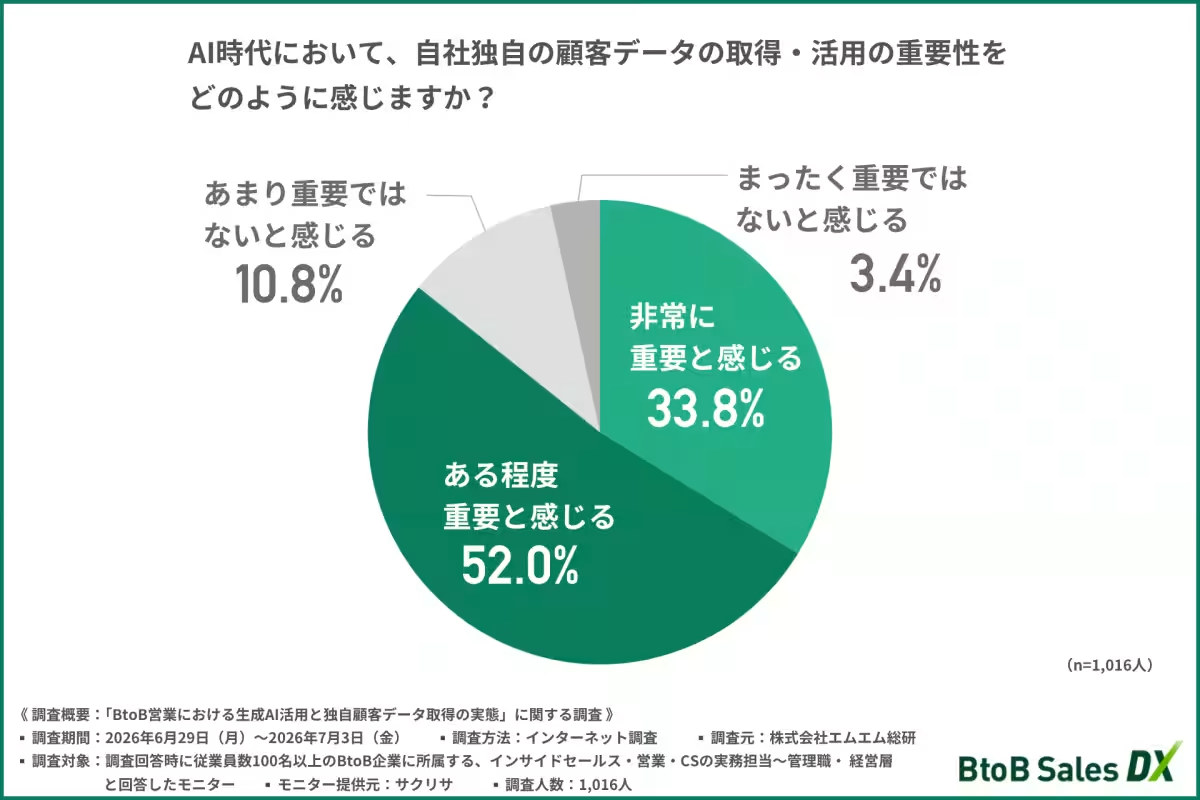
While a significant 90% of participants recognized the importance of unique customer data in the AI age, challenges persist in the actual utilization of this data. When questioned about the relevance of acquiring and leveraging unique customer information, 33.8% found it extremely important, and 52.0% acknowledged it as somewhat important. Companies are realizing that generic responses from AI cannot sufficiently address specific client needs or business challenges.
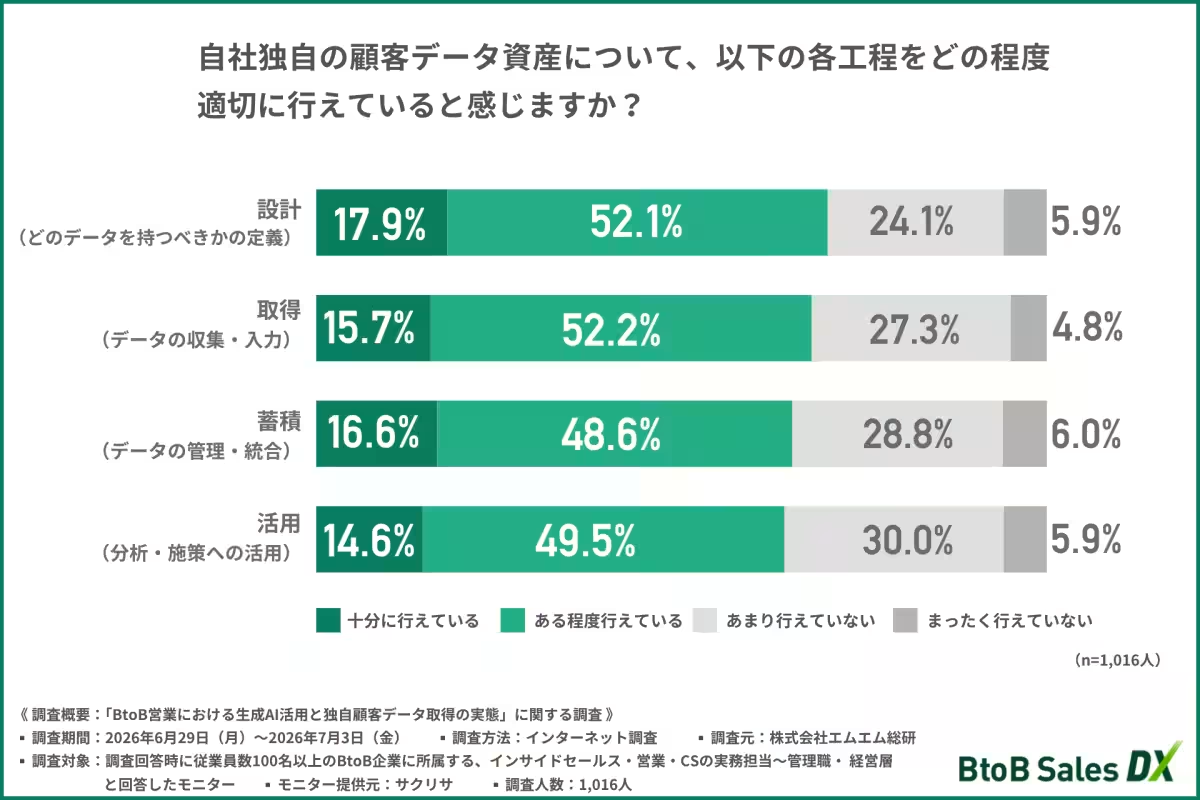
Despite recognizing the value of unique data, the operational readiness to manage and apply this data effectively varies. Most reports showed that while processes for designing (70%), acquiring (67.9%), and storing (65.2%) customer data were adequately managed, utilization rates lagged at 64.1%. This suggests that while data collection occurs, practical application remains a hurdle for many organizations.
Gaps in Data Acquisition and Utilization
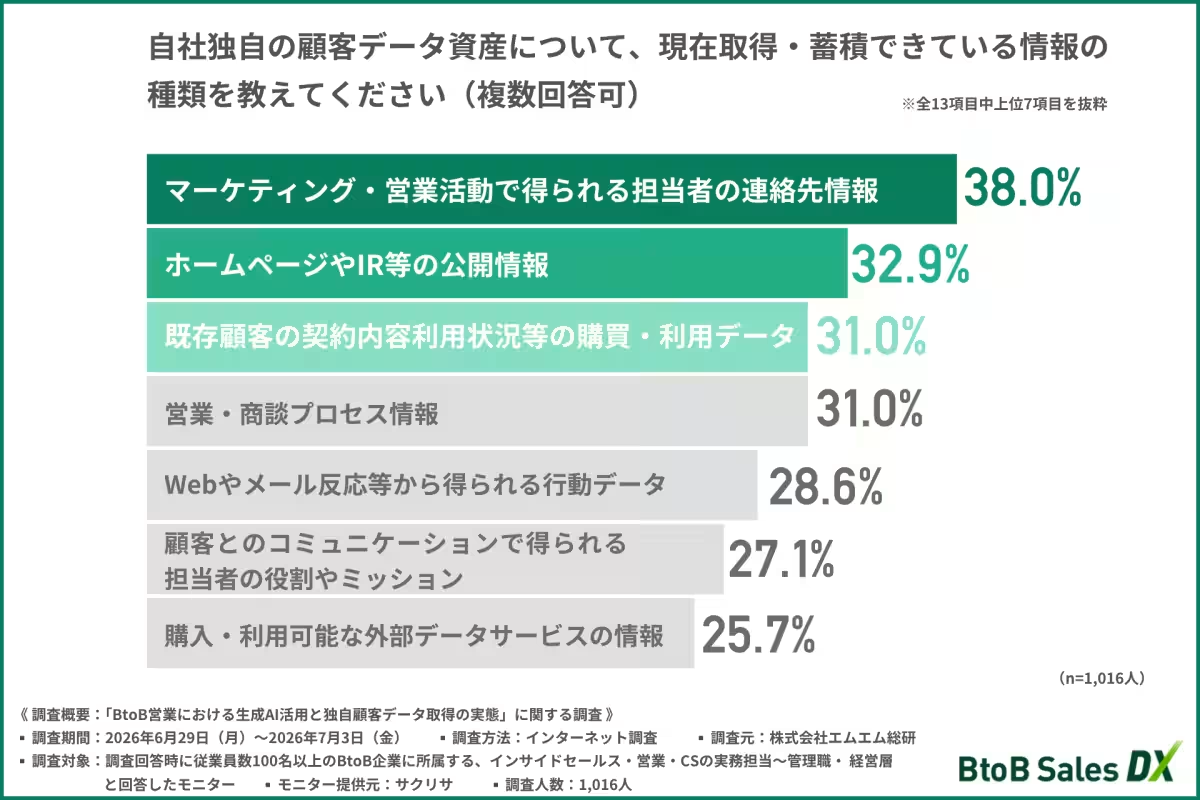
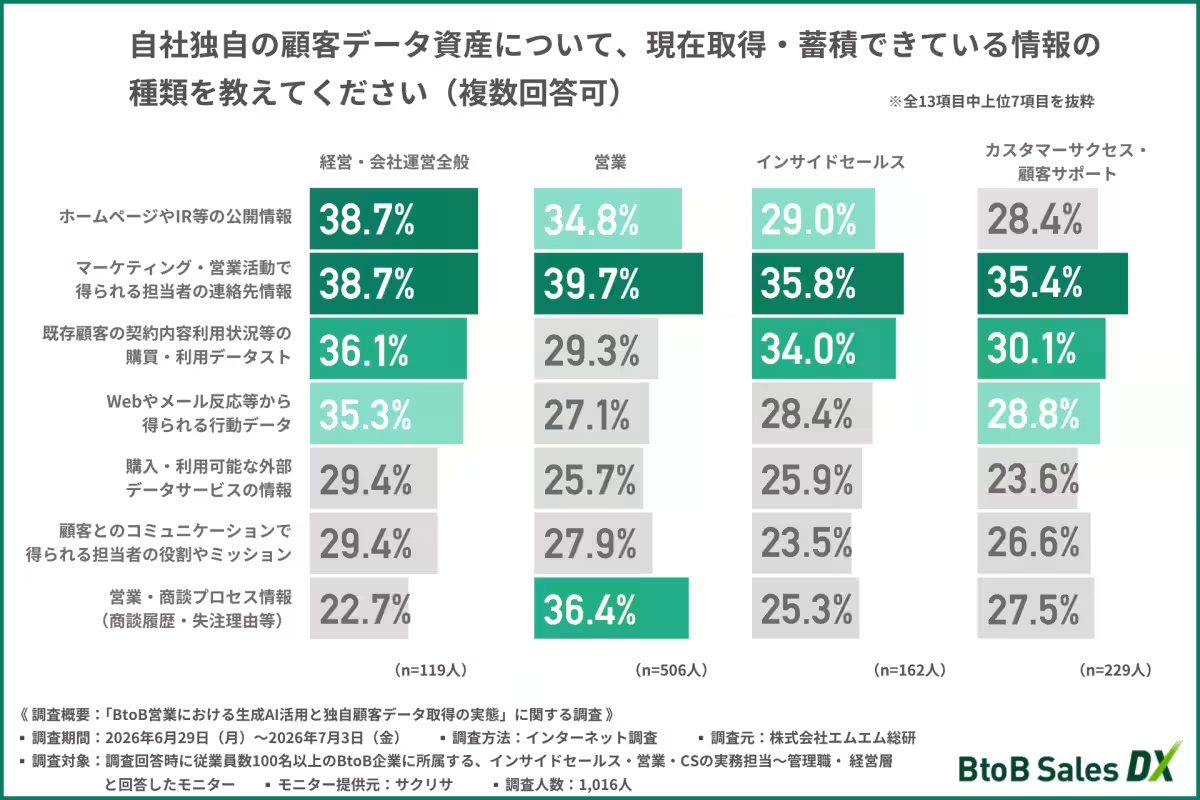
Current data holdings primarily include contact details and public information, which is relatively straightforward to gather. However, deeper insights derived from direct customer interactions, such as internal organizational challenges or customer intentions, are less frequently captured. This gap reflects a broader trend in B2B sales where deeper customer understanding remains limited across all sectors.
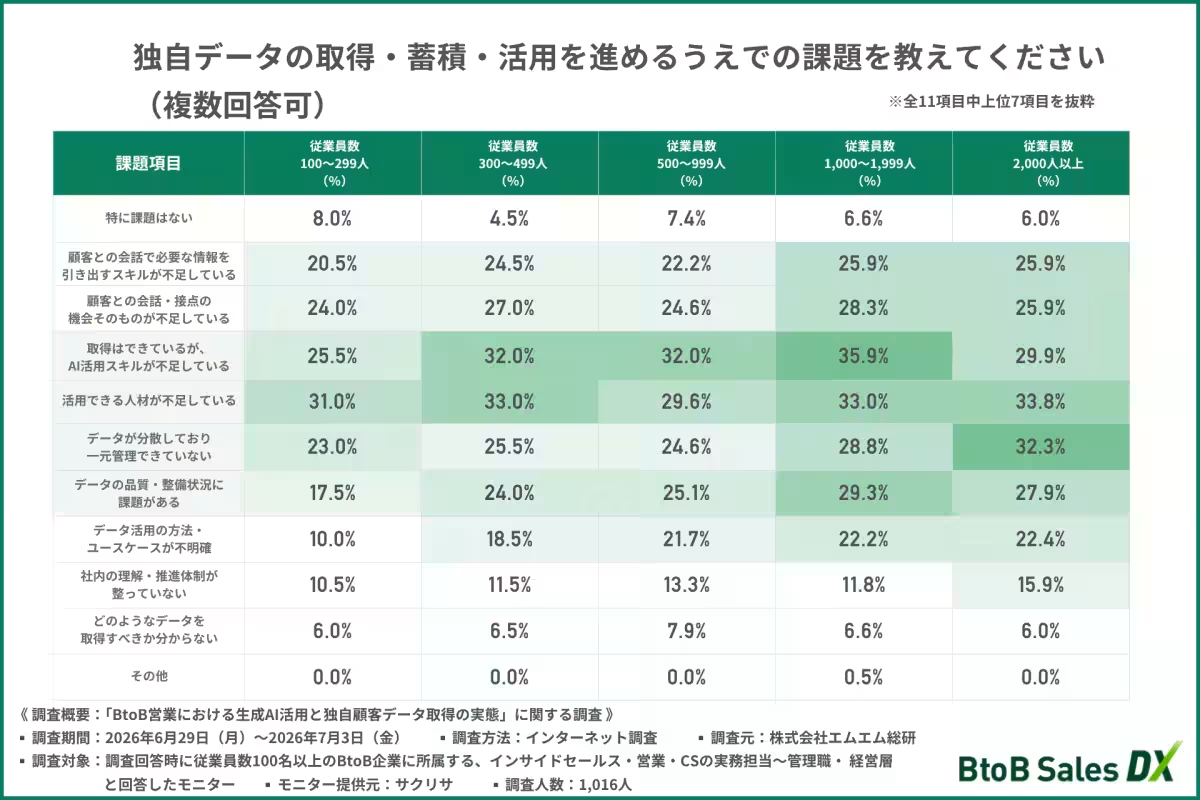
Addressing these gaps highlights obstacles to data acquisition and utilization at all employee scales. Across various company sizes, the top issues included a shortage of capable personnel, insufficient AI skills, and a lack of engagement opportunities with customers. Specifically, larger organizations reported more extensive issues regarding data quality and management, suggesting that their more significant data volumes can exacerbate these challenges.
Enhancing Skills and Opportunities for Data Utilization
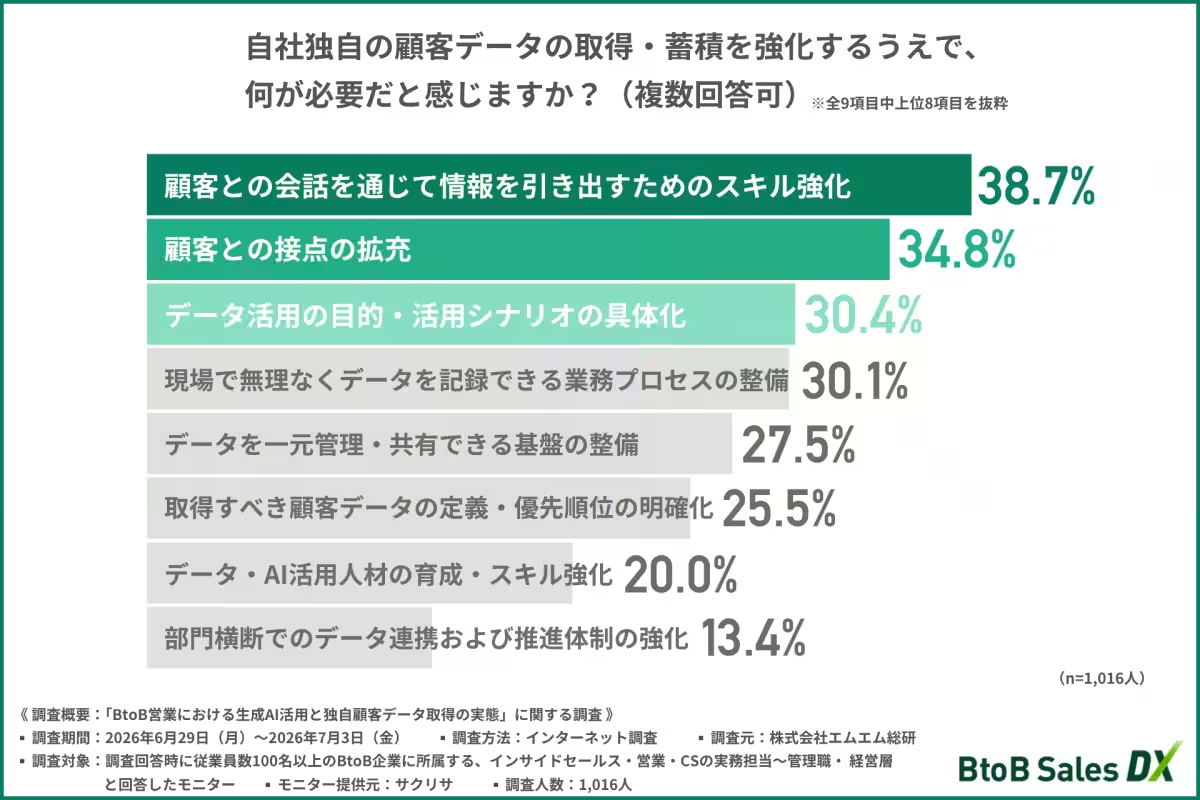
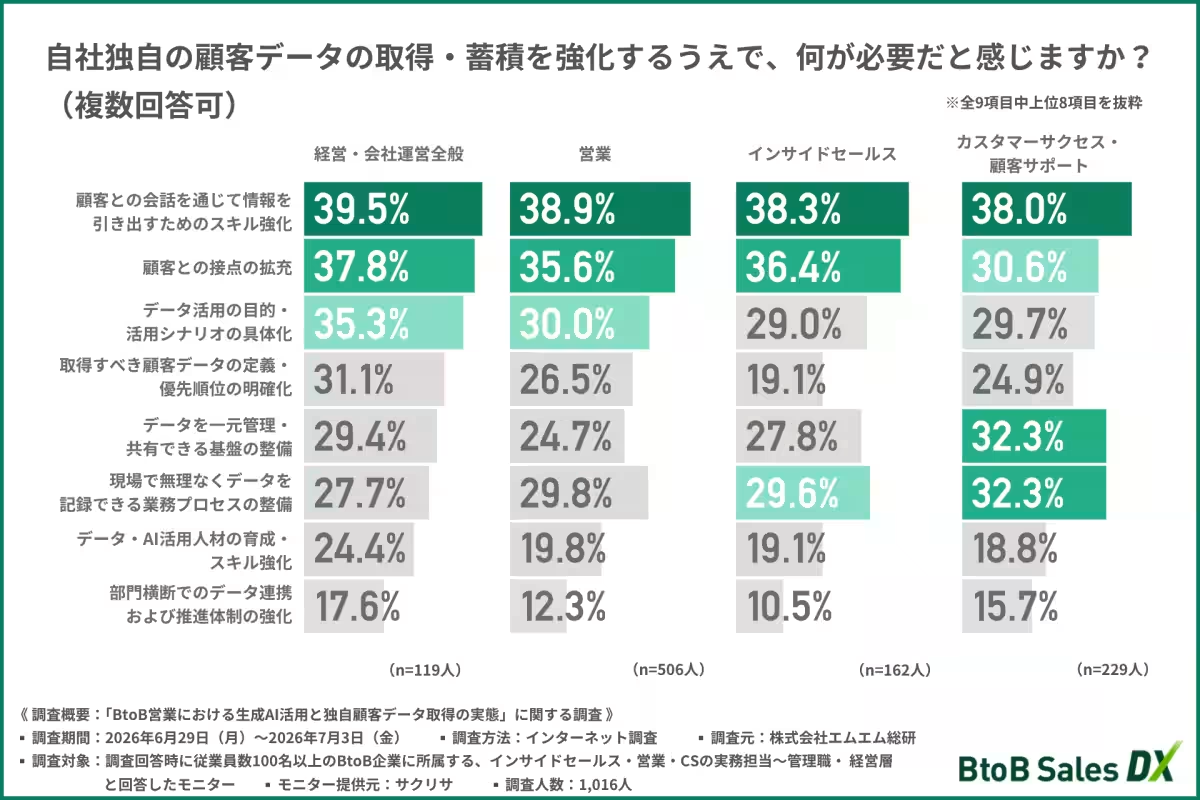
To enhance data acquisition and utilization, the survey found that strengthening communication skills to elicit information from customers was seen as critical by 38.7% of respondents. Additionally, expanding engagement opportunities and defining clear scenarios for data application were also prioritized. This indicates a common recognition across departments of the significance of developing human skills alongside AI systems.
As organizations adapt to an AI-driven environment, the necessity for effective training programs that emphasize interpersonal engagement skills and strategies to gather unique insights is paramount. Sales professionals must grasp how to build trust with clients and extract essential information effectively.
Conclusion: The Future of B2B Sales in an AI Era
This study sheds light on the contemporary landscape of generative AI in B2B sales and the complex interplay it has with unique customer data management. As generative AI tools become more established within sales teams, the focus must shift towards integrating this technology with the human skills necessary to extract meaningful insights.
Despite significant technological advancement, real competitiveness in B2B sales hinges on mastering the art of customer interaction and data applications. Companies that appreciate the value of personal touch alongside AI innovation are likely to lead the way in creating meaningful customer relationships and driving strategic business growth.
For companies looking to capitalize on these insights, MM Research offers a robust B2B Sales DX solution, enhancing the relationship between inside sales and AI technologies. This growing emphasis on both technological acumen and human skills will shape the future of effective B2B sales strategies.

Topics Business Technology)
【About Using Articles】
You can freely use the title and article content by linking to the page where the article is posted.
※ Images cannot be used.
【About Links】
Links are free to use.