



New Research Reveals High Incidence of Knee Pain Among Seniors
Recent Findings on Knee Pain in Seniors
A recent survey conducted by CosmoLab, a marketing platform specializing in senior-focused services, has unveiled alarming statistics regarding knee pain among the elderly. With a focus on individuals aged 50 and above, the study highlights various aspects of knee pain, including its prevalence, triggering situations, perceived causes, intensity, and the coping strategies adopted by the seniors.
Key Insights from the Survey
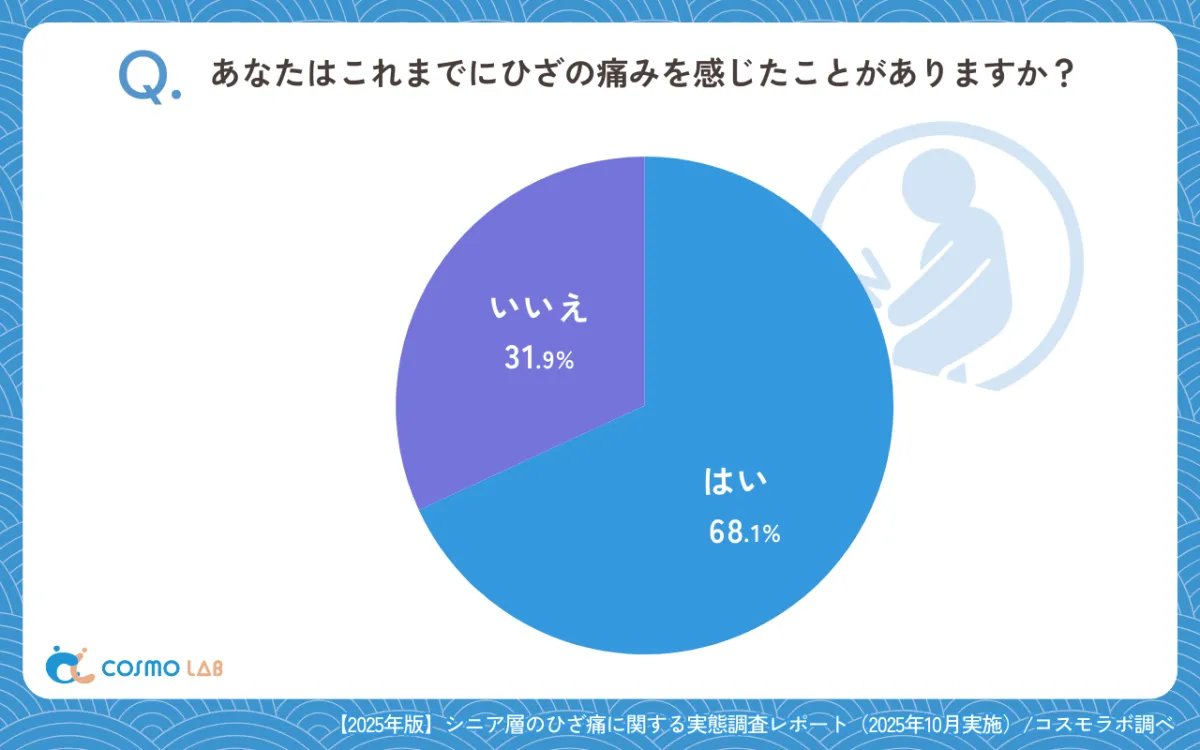
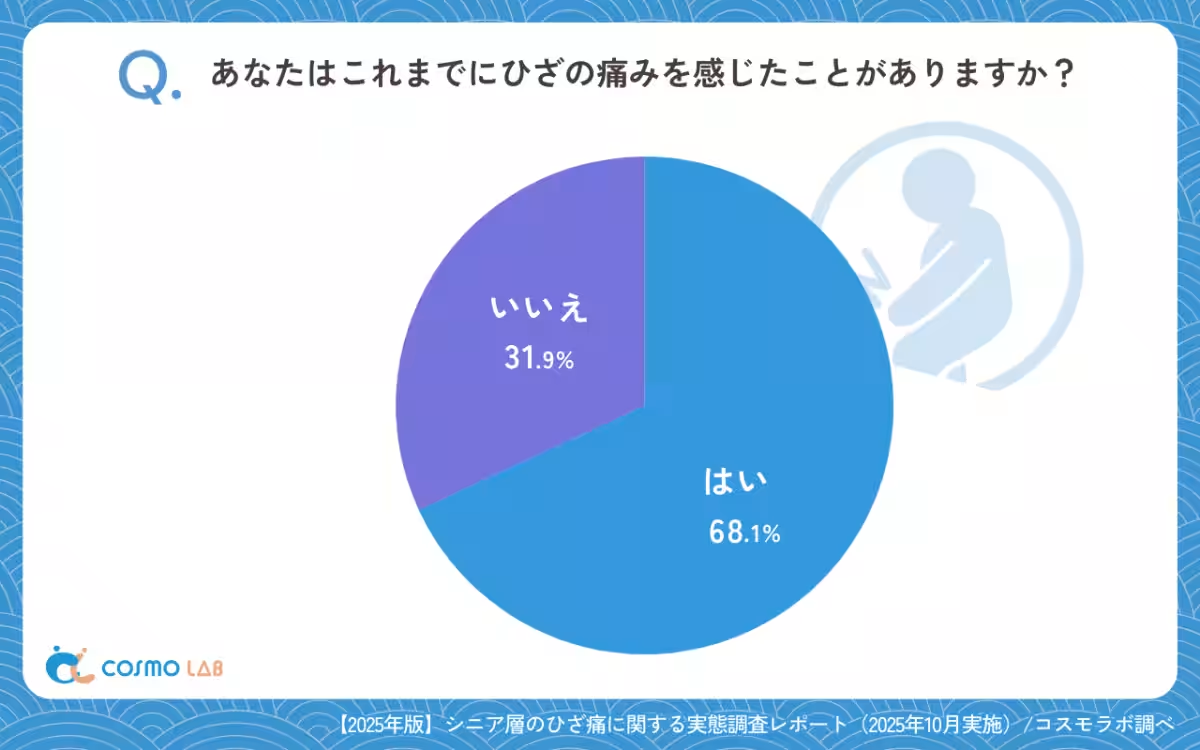
- - Prevalence of Knee Pain: Almost 70% of seniors surveyed reported experiencing knee pain. This chronic ailment not only mirrors the rates of lower back pain but also indicates a pressing need for information on both preventive measures and effective coping strategies for those who have not yet experienced such pain.
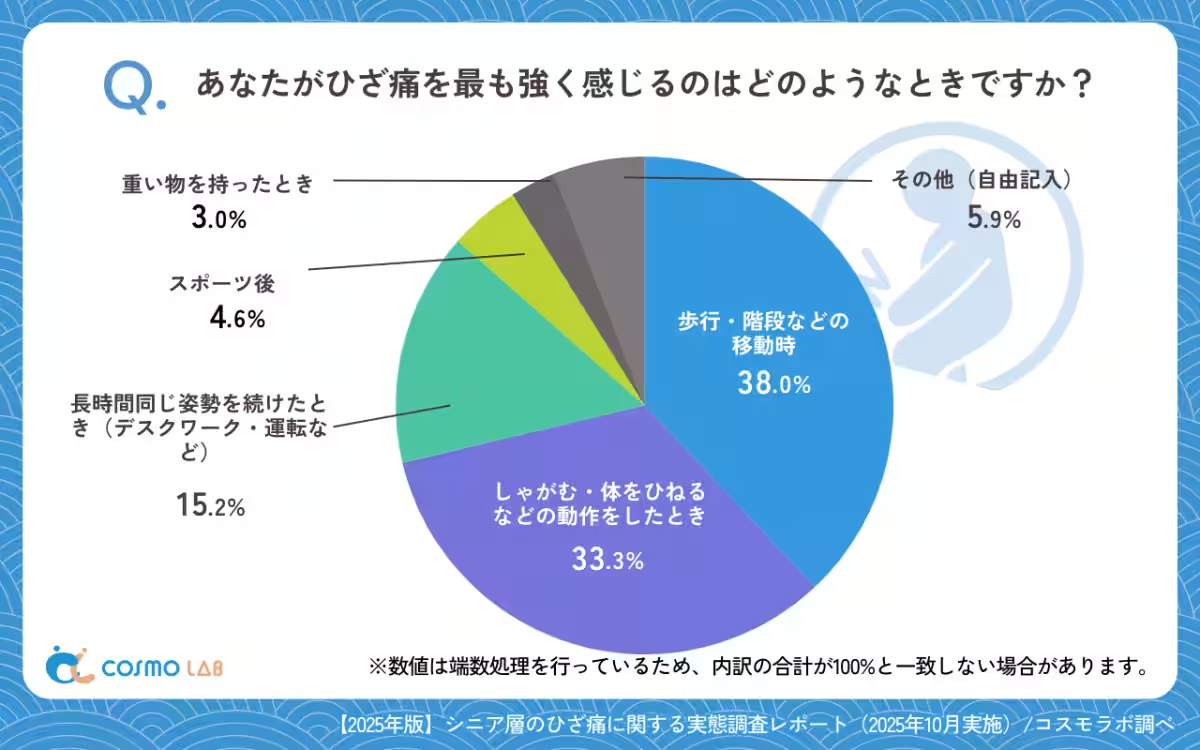
- - Triggering Situations: The most commonly reported situation in which seniors feel significant pain is during mobility, specifically while walking or going up and down stairs (38.0%). Other activities such as bending down or twisting the body (33.3%) also contribute to considerable discomfort. These findings emphasize the impact of knee pain on everyday movements, which are often taken for granted.
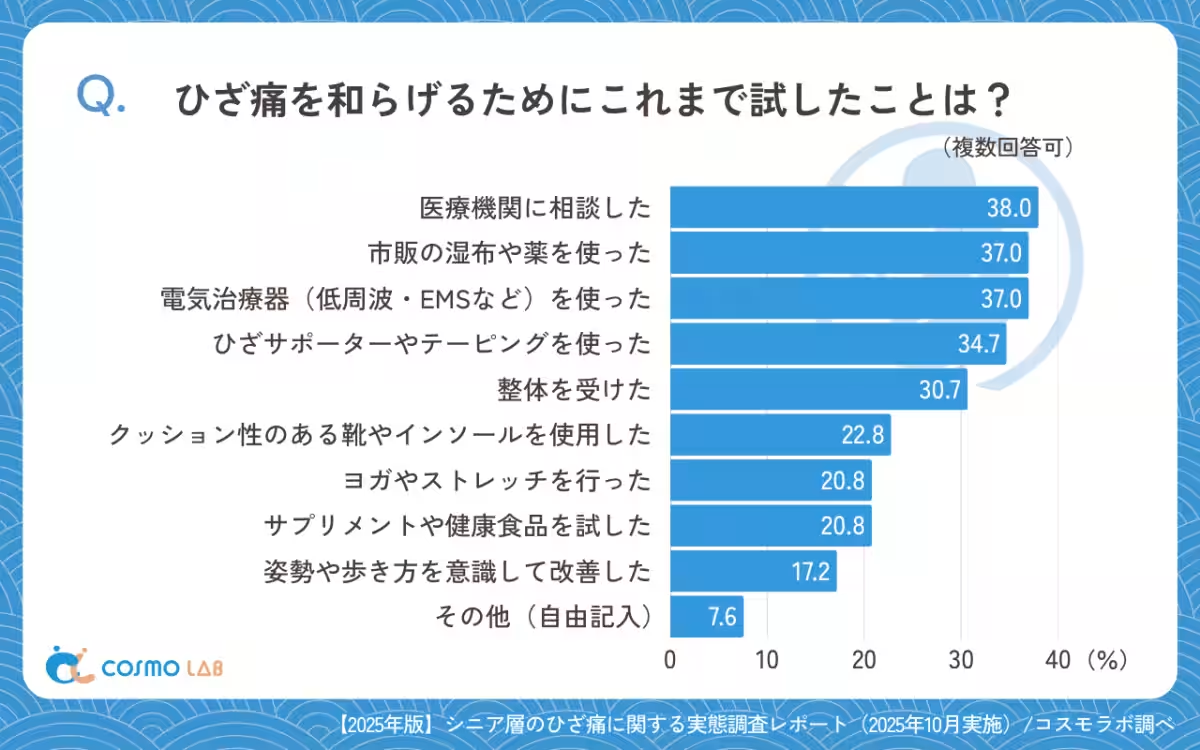
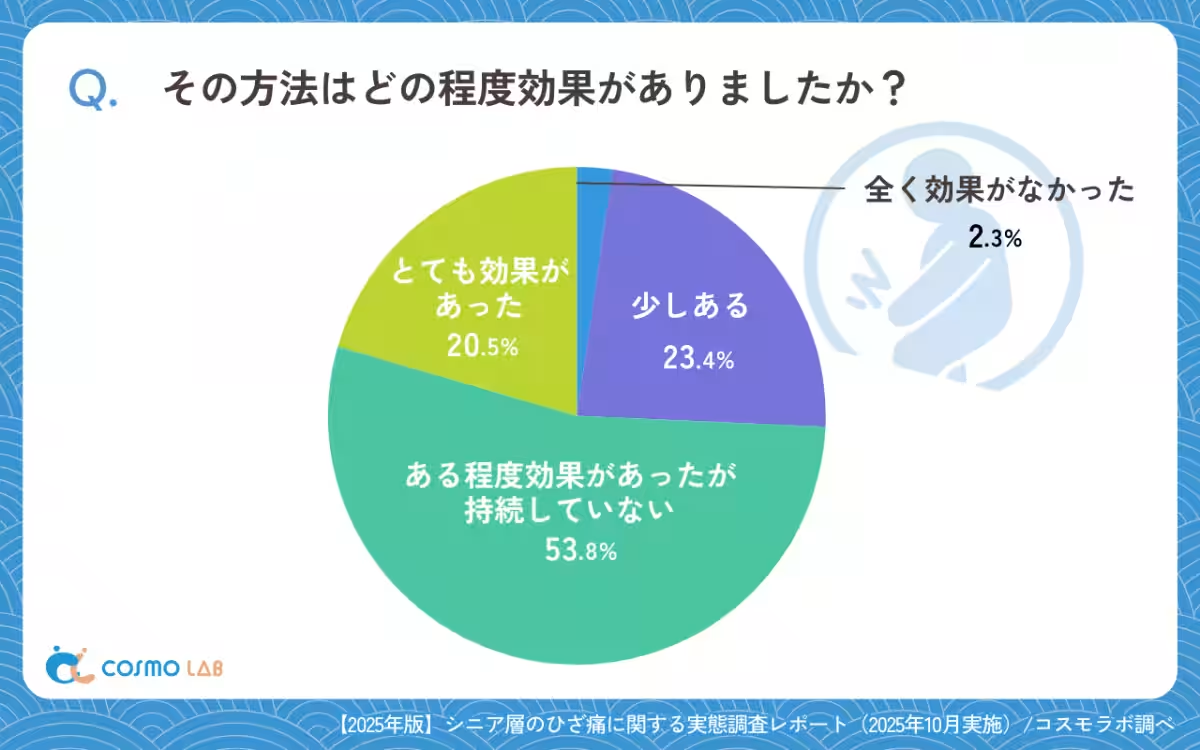
- - Effectiveness of Coping Strategies: Although many seniors have attempted various treatments, more than half (53.8%) feel that these solutions provide only temporary relief. Medical consultations (38%) and the use of topical medications or painkillers (37%) are among the most common approaches adopted, but achieving lasting improvement remains a challenge.
Demographic Insights
The survey, which gathered responses from 445 seniors, posed several key questions regarding their experiences with knee pain. Among those respondents, 68.1% acknowledged having dealt with knee pain at some point, which underscores its significance as a prevalent health issue affecting daily life.
Significant Moments of Pain
When queried about when their knee pain was most pronounced, the majority linked it to physical activities such as walking or using stairs. A smaller portion noted discomfort after maintaining a single posture for an extended time, such as during desk work or driving.
Identified Causes
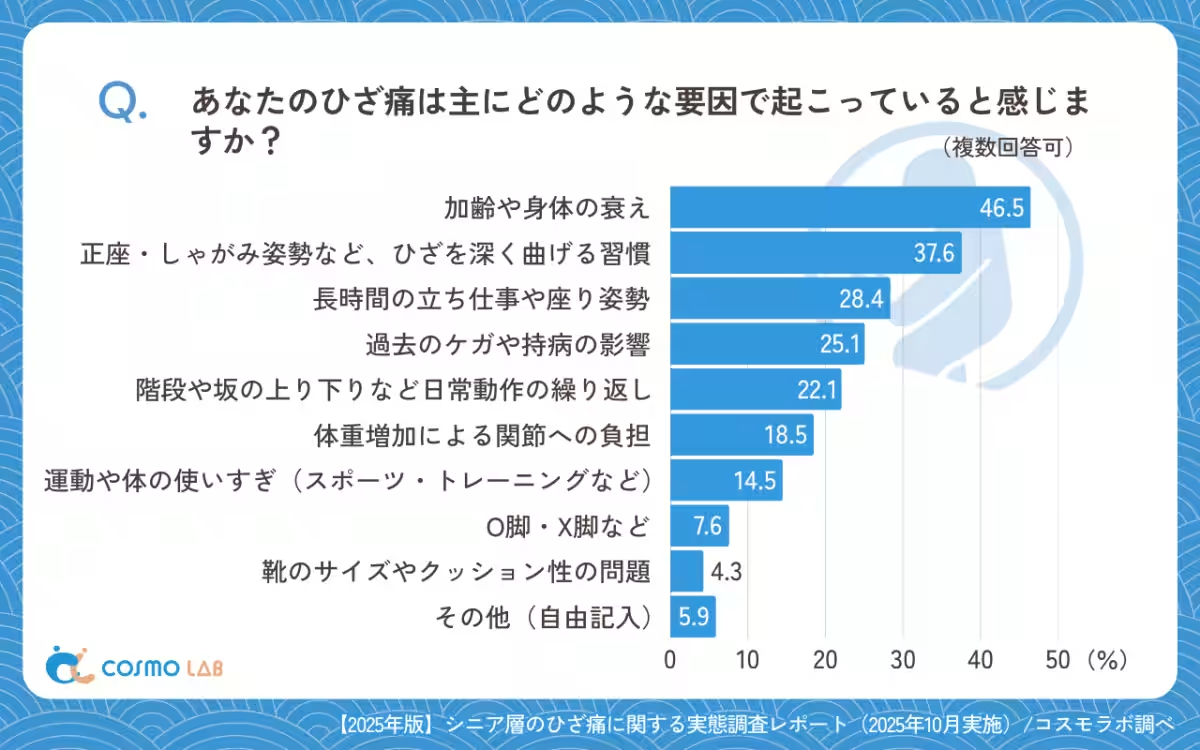
The leading perceived causes of knee pain noted by seniors include aging and physical deterioration (46.5%), habits such as sitting on the floor or bending deeply (37.6%), and prolonged standing or sitting (28.4%). Recognizing these triggers is crucial for implementing preventative measures that mitigate daily stress on the joints.
Pain Severity and Daily Challenges
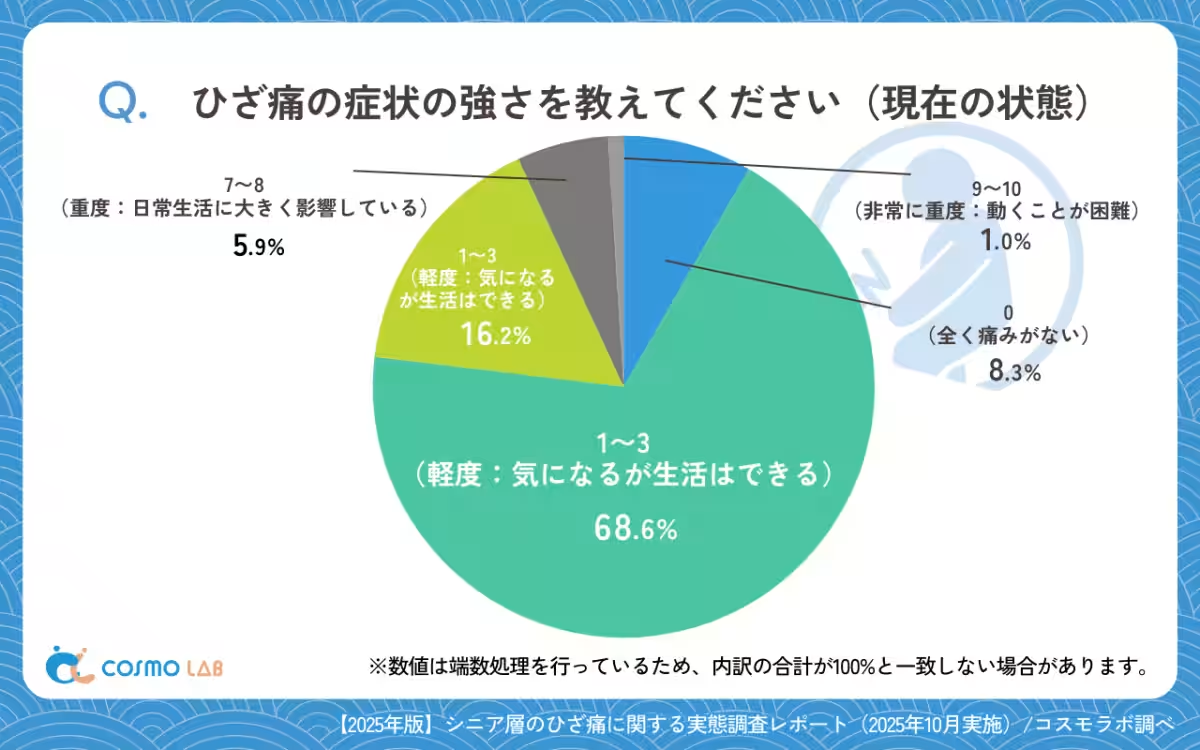
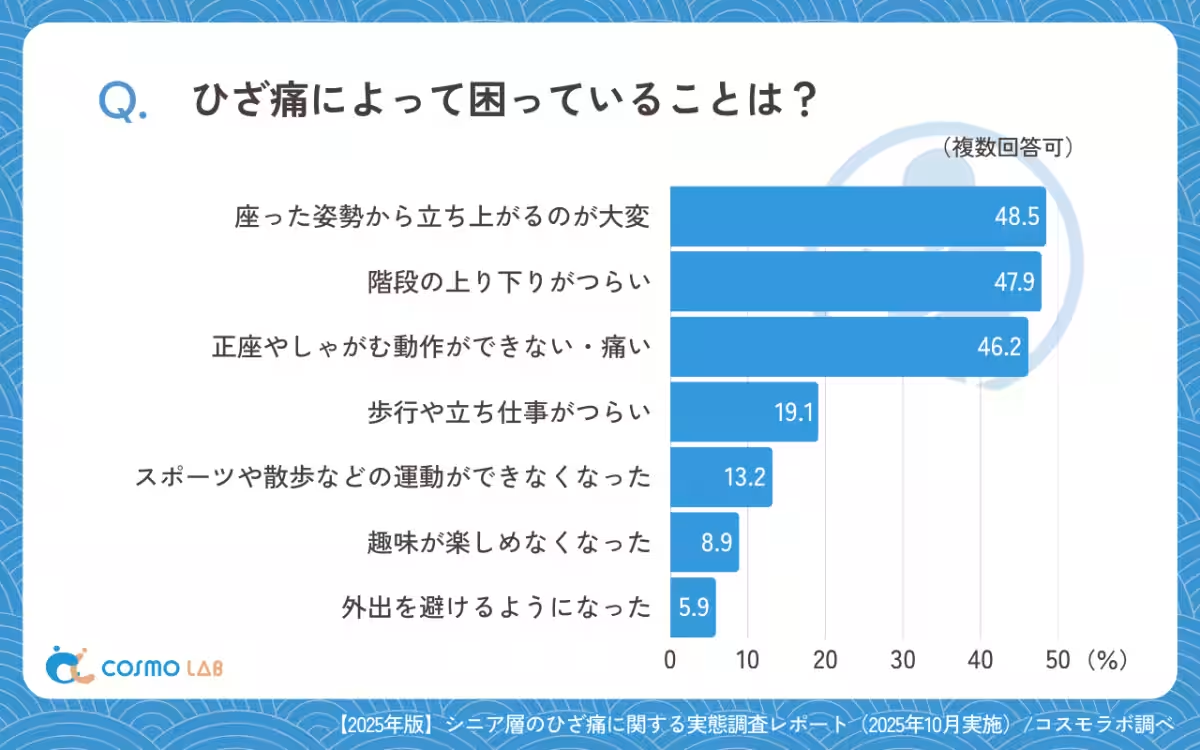
While many reported mild pain (68.6% rated it as a 1-3 on a scale of severity), a significant proportion expressed that their knee pain still impacts their ability to perform basic tasks. Common frustrations related to knee pain include difficulties in standing from a seated position (48.5%), navigating stairs (47.9%), and the inability to squat or kneel (46.2%).
Anxieties About the Future
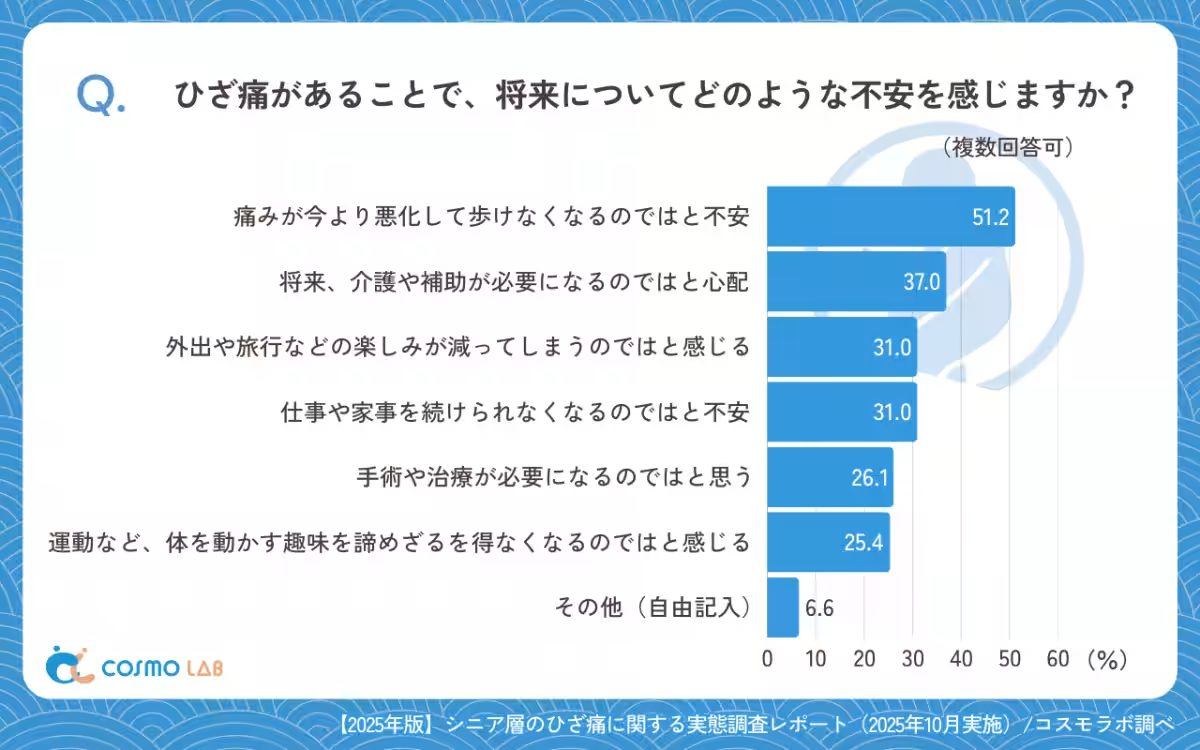
The survey also explored concerns regarding the future. An overwhelming 51.2% of respondents expressed fears about worsening pain potentially leading to immobility, while 37.0% worried about requiring assistance or care in the future. Additional worries included diminished enjoyment of outings or travel (31.0%) and the ability to continue managing work or household tasks (31.0%). These uncertainties reveal how knee pain is not just a physical hurdle but a source of anxiety regarding overall independence and lifestyle.
Exploring Treatment Options
Seniors have been proactive in seeking relief, with 38.0% having consulted healthcare providers and a similar percentage using over-the-counter remedies. Additionally, many have turned to supportive aids like knee braces and physical therapies, showcasing a multifaceted approach to management. However, the effectiveness of these methods often lacks longevity, with 53.8% noting that while some relief was achieved, it did not last.
Conclusion
This research clearly outlines how prevalent knee pain is among seniors and the associated challenges they face daily. Most notably, findings suggest that there is an urgent need for better information dissemination regarding both prevention and effective long-term management of knee pain. As the demographic ages, it becomes increasingly important for healthcare systems and businesses to address these needs adequately. For more insights and reports on senior health and wellness, visitors can check CosmoLab’s website for updated studies and resources aimed to support seniors in overcoming such hurdles and enhancing their quality of life.

Topics Health)
【About Using Articles】
You can freely use the title and article content by linking to the page where the article is posted.
※ Images cannot be used.
【About Links】
Links are free to use.