



Understanding Company Structure Choices and Formation Costs: Insights from Entrepreneurs
Company Structure Choices and Formation Costs: Insights from Entrepreneurs
In an extensive survey conducted by Venture Support Tax and Accounting Corporation, which is renowned for its support to entrepreneurs in Shibuya, Tokyo, over 100 company representatives shared their experiences regarding the choice of company structure and the associated formation costs. This research reveals significant trends in how businesses are formed in Japan and the considerations driving these choices.
Structure Preferences: Dominance of Kabushiki Kaisha and Goudou Kaisha
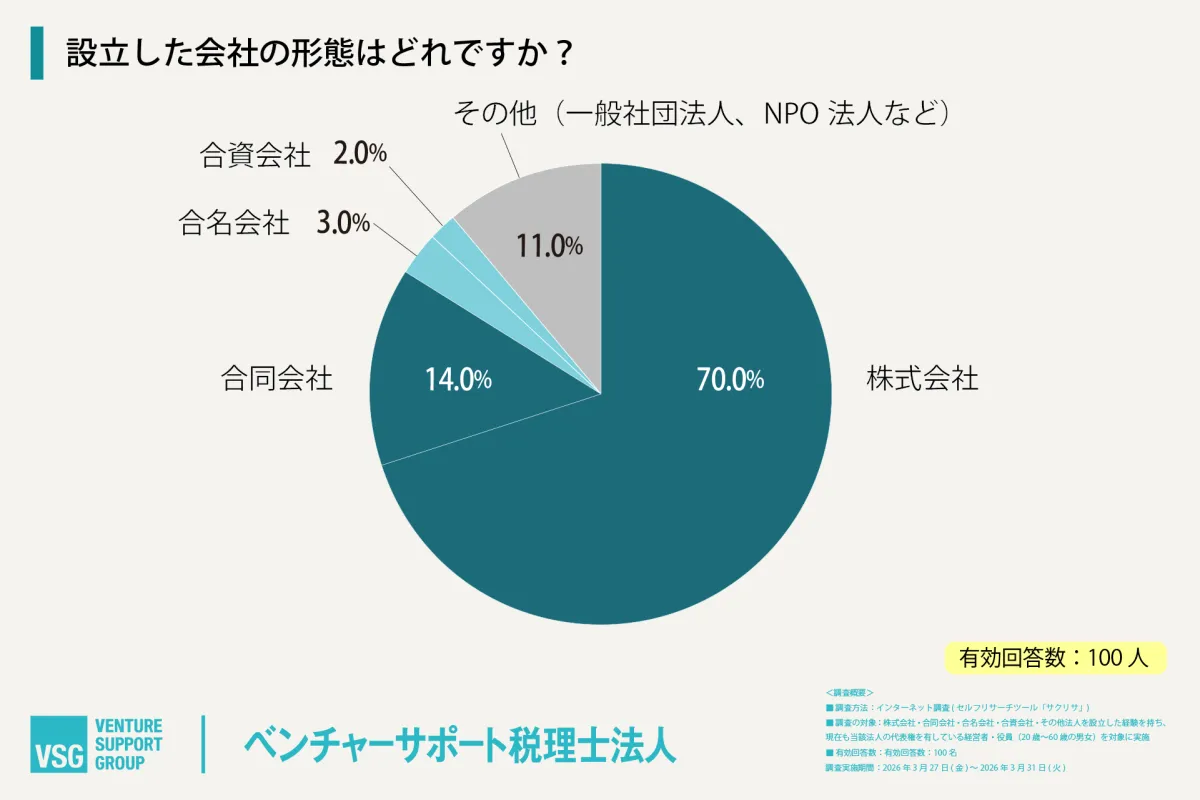
The survey findings indicate that a staggering 84% of the respondents chose either Kabushiki Kaisha (KK) or Goudou Kaisha (GK) as their company formation type. Specifically:
- - Kabushiki Kaisha: 70%
- - Goudou Kaisha: 14%
- - Other structures (including Non-Profit Organizations, General Corporations): 16% combined
These numbers highlight that traditional structures like KK remain prevalent, with GK gaining traction for its flexibility and lower costs.
Key Influencer: Social Credibility
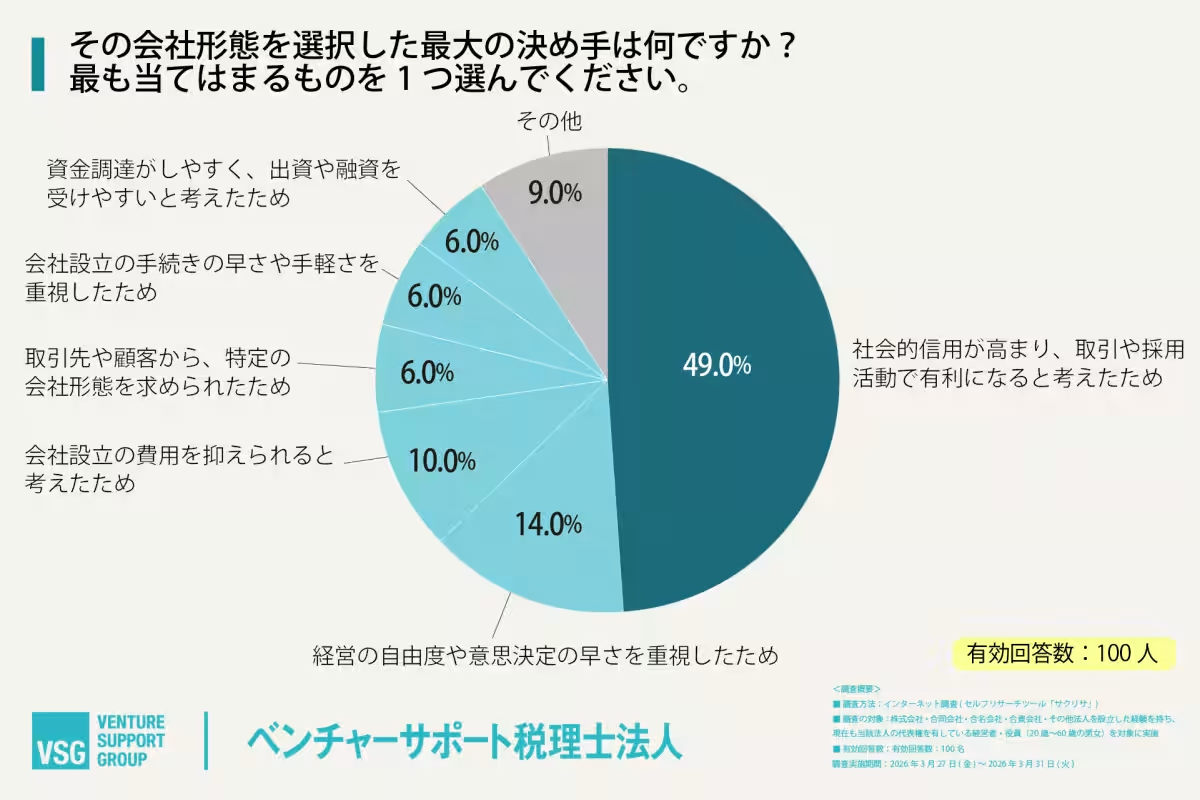
Respondents cited enhancing social credibility as the primary reason for forming their companies, with approximately 49% indicating that it would improve their standing in business dealings and hiring processes. Other factors included the desire for management freedom (14%) and lower formation costs (10%). This reinforces the idea that companies consider external perceptions significantly when determining their structure.
Merits of Company Structure
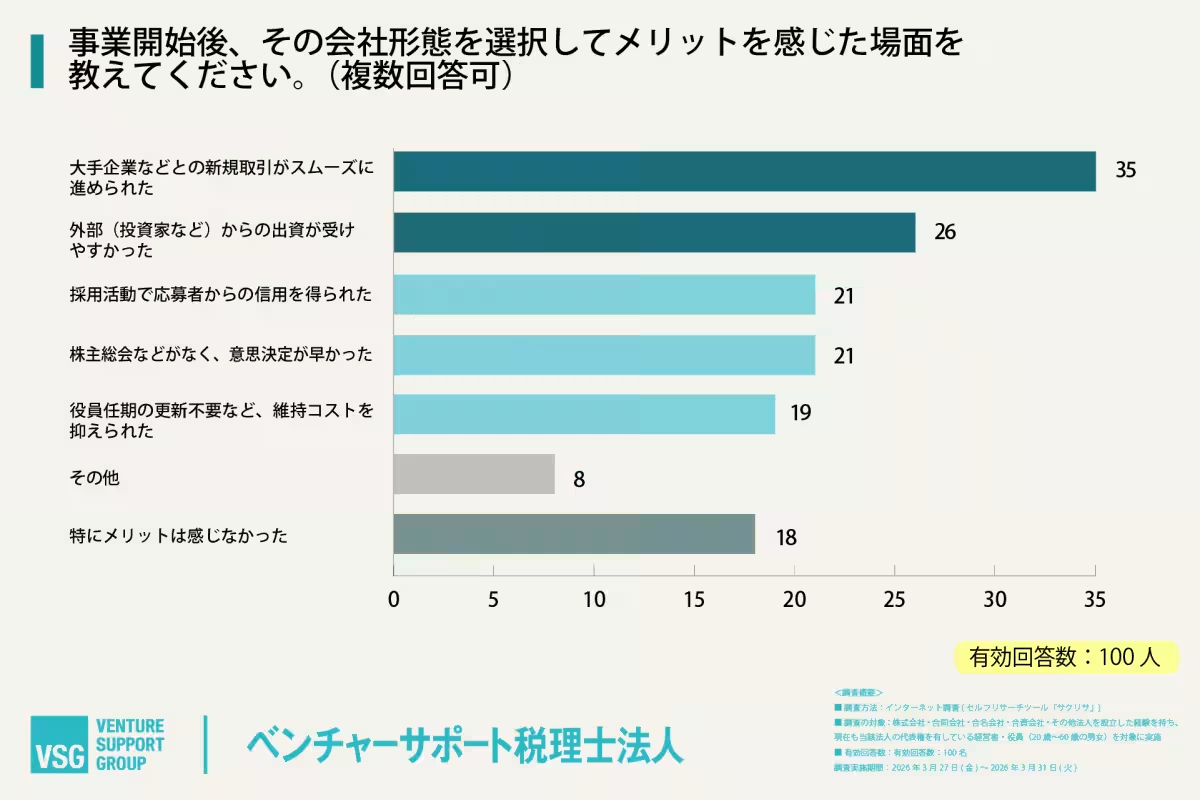
Over 80% of participants reported experiencing advantages post-establishment, particularly in securing new business relationships (35%) and attracting external investments (26%). Other noted benefits included facilitating smooth hiring processes (21%) and the efficiency of decision-making due to fewer procedural hurdles (21%). The findings affirm that the structure chosen directly impacts a company's market positioning.
Recognizing the Downsides
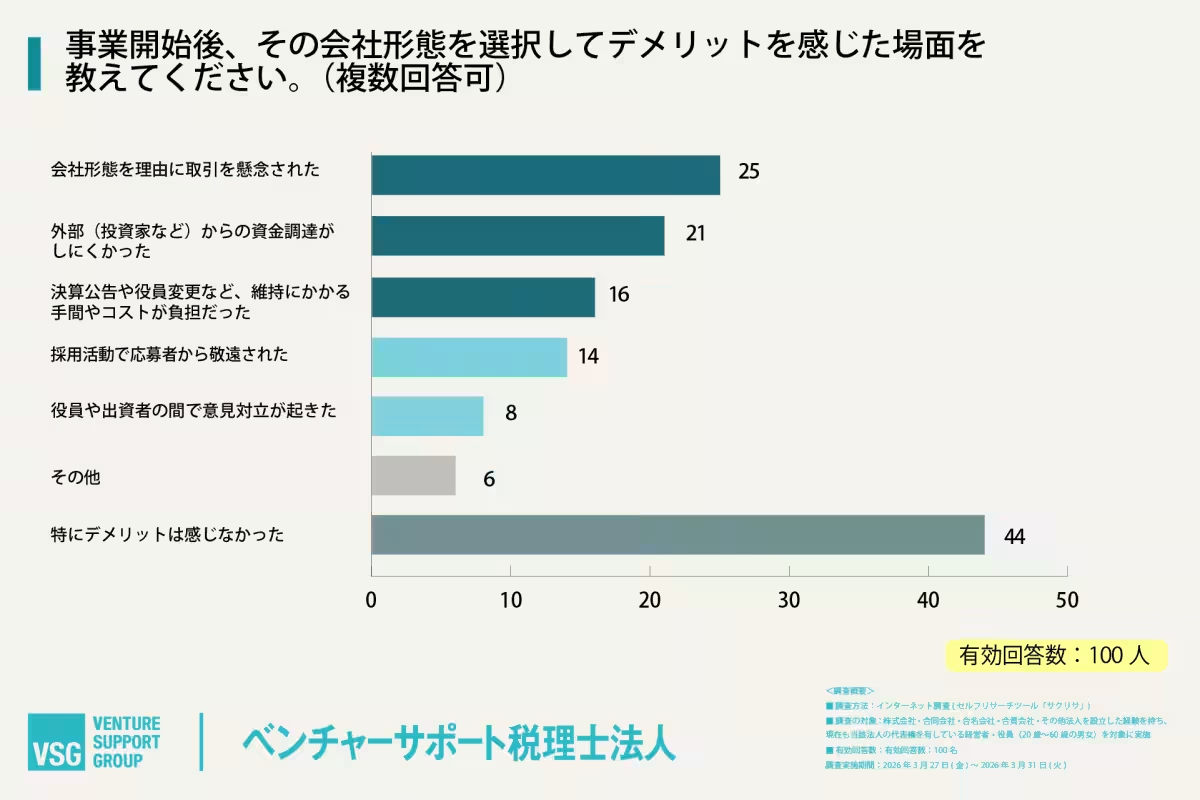
Despite notable benefits, many participants (over 50%) also acknowledged several drawbacks of their respective company forms. The most significant issues included hesitation from potential partners due to their business structure (25%) and challenges in securing external funding (21%). Such insights stress that while company structures can bring advantages, they can also hinder opportunities if not chosen wisely.
Formation Duration and Procedures
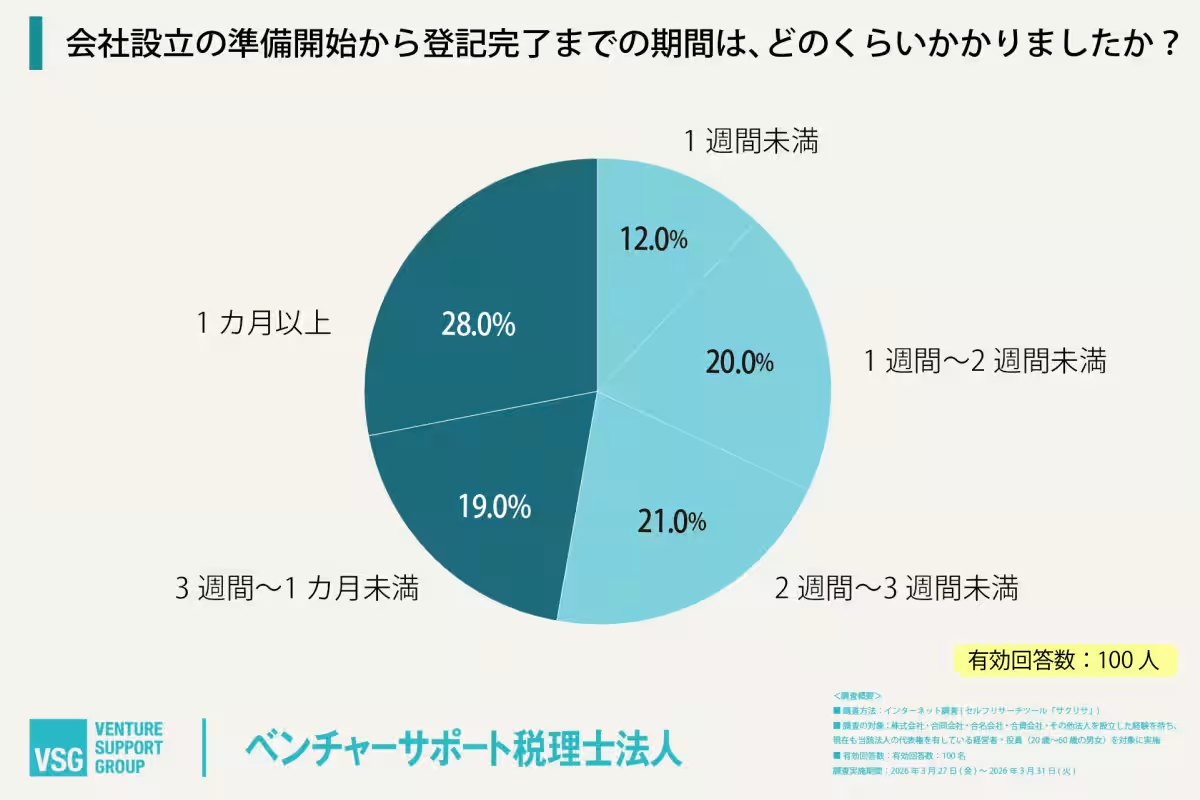
The survey revealed that nearly half of the participants took more than three weeks to complete the company formation process. Specifically:
- - Over 3 weeks: 47%
- - 2-3 weeks: 21%
- - 1-2 weeks: 20%
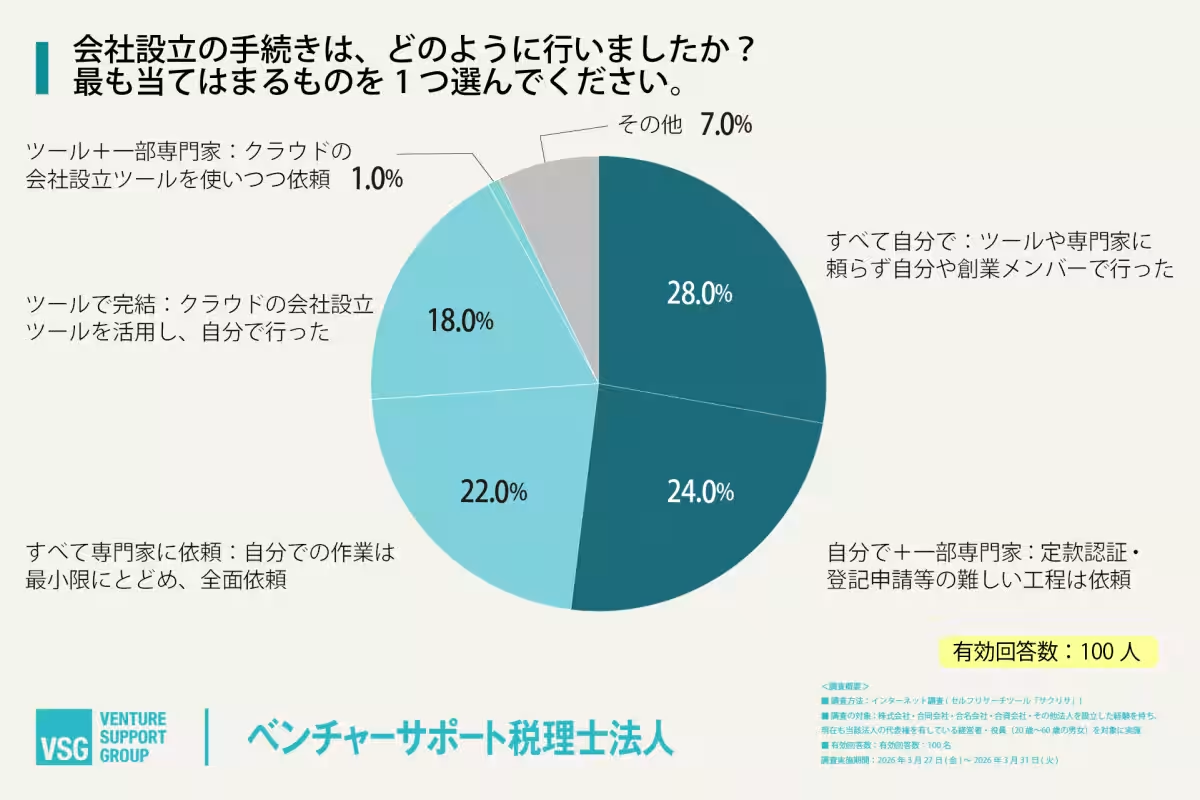
Many respondents reported managing the formation process themselves, with 51% handling it independently and the rest utilizing a mixture of professional assistance and tools designed for company formation.
Capital Considerations
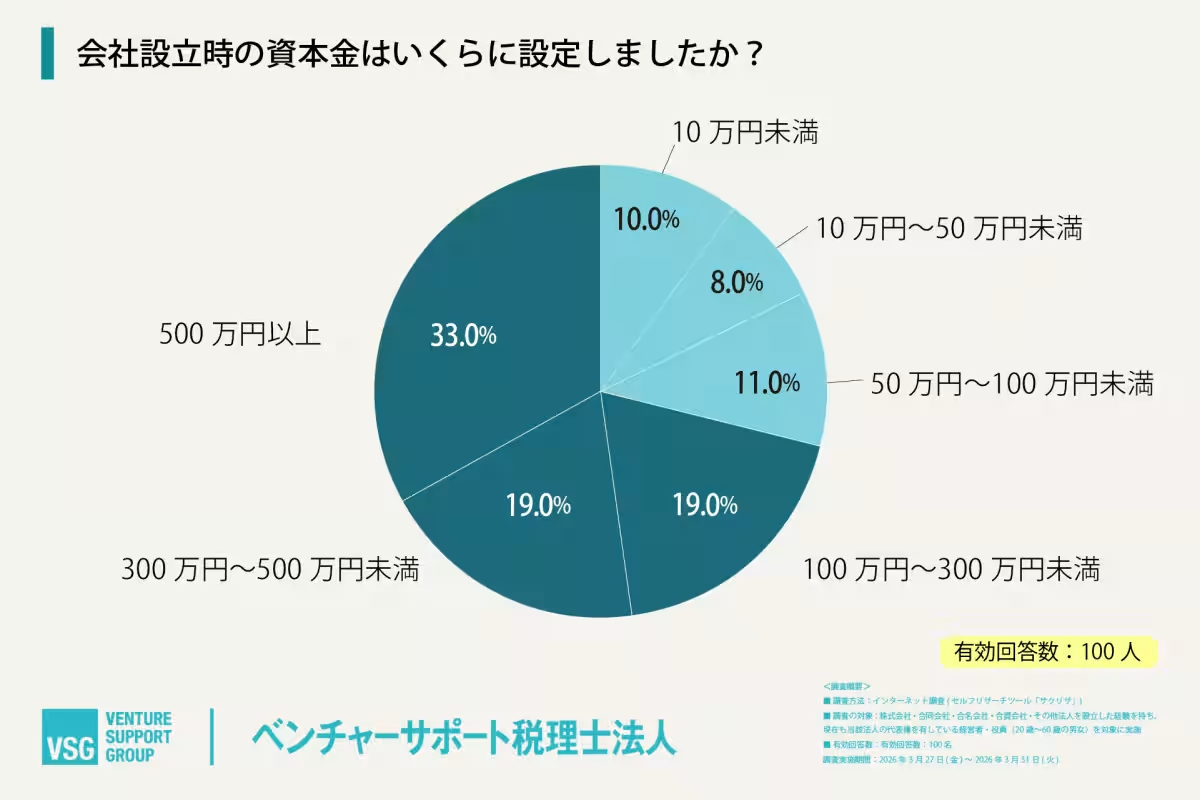
Regarding initial capital, 70% of businesses set their capital above 1 million yen, with many considering it a necessary threshold for establishing credibility. Notably, the preference for higher initial capital seems to correlate with the structural choice, indicating that KK typically requires more stringent financial commitments than GK.
Initial Costs Trends
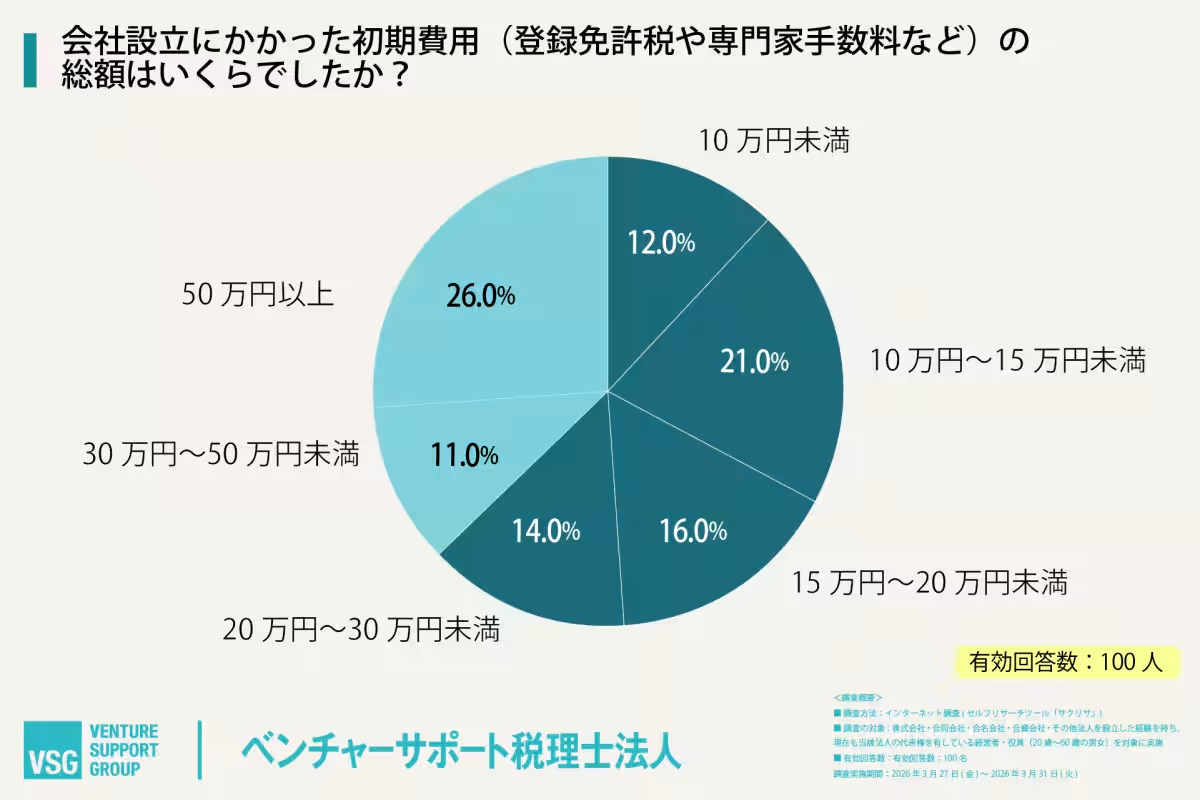
The survey also examined initial costs, revealing that over 60% of entrepreneurs incurred expenses of less than 300,000 yen. This lower cost range is especially prevalent among those choosing GK, while KK formations often bordered higher due to legal requirements. Entrepreneurs must account for these costs when deciding on their company structures.
Conclusion: Re-Evaluating Business Structures
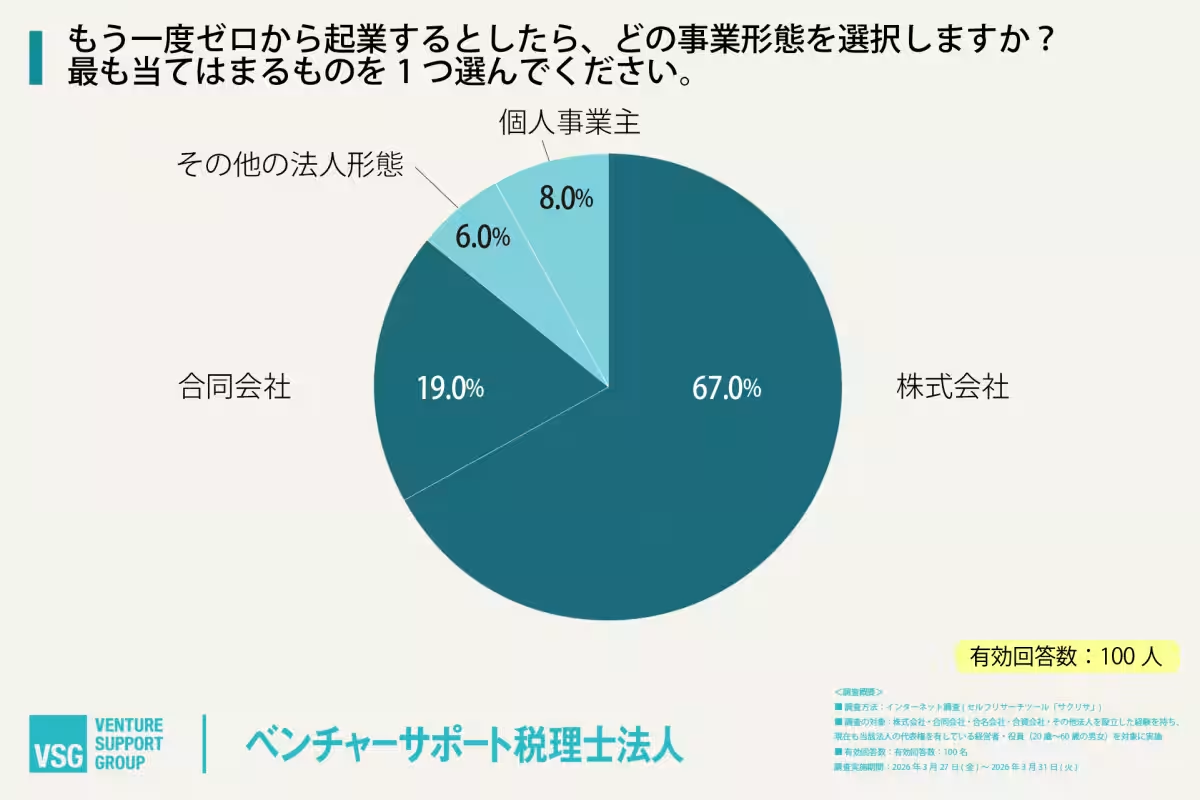
Interestingly, when asked if they would choose the same company form if they were to start a new venture, 67% indicated they would still opt for KK, and 19% would select GK again. This suggests a general satisfaction with current structures and an acknowledgment of the benefits associated with being a registered entity.
In conclusion, this survey not only sheds light on the prevailing trends in company structures within Japan but also underscores the nuanced considerations business leaders weigh when embarking on their entrepreneurial journeys. Aspiring entrepreneurs should take heed of these insights to make informed decisions about their business formation strategies.

Topics Business Technology)
【About Using Articles】
You can freely use the title and article content by linking to the page where the article is posted.
※ Images cannot be used.
【About Links】
Links are free to use.