



Salary is the Key Factor in Job Selection Trends: Remote Work Insights
Salary is Paramount in Job Preferences
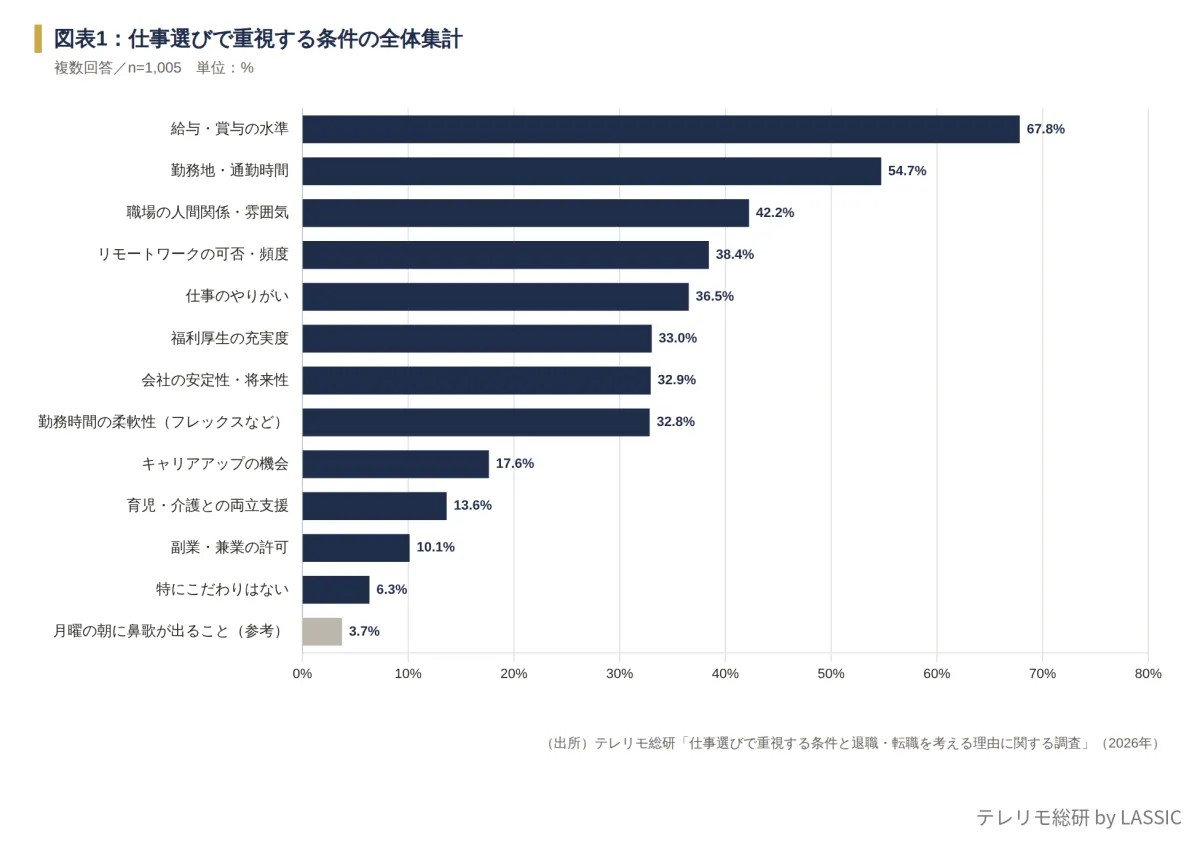
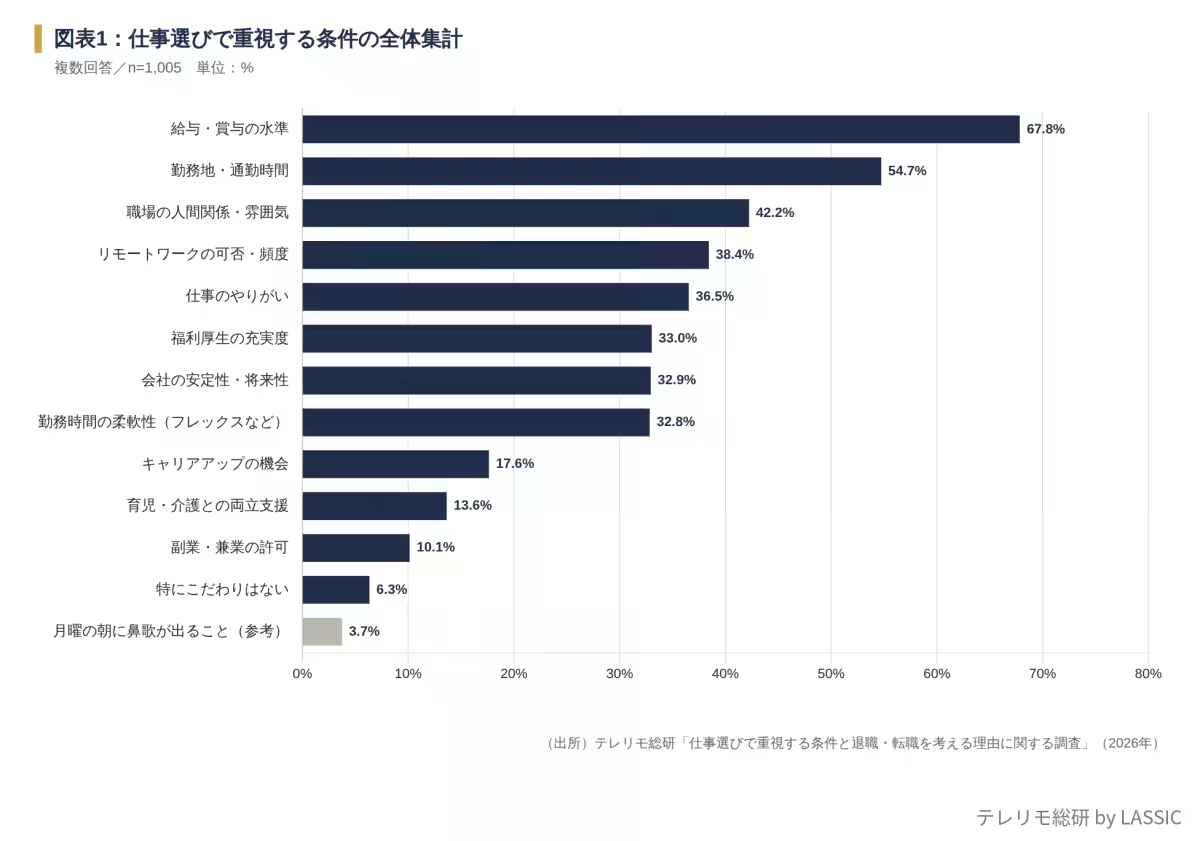
In a recent survey conducted by LASSIC’s Telework & Remote Work Research Institute, involving 1,005 working individuals experienced in telecommuting, the primary factor deemed essential in job selection was "salary and bonuses," with 67.8% of respondents prioritizing this aspect. This was followed closely by preference for "location and commuting time" at 54.7%, "workplace relationships and atmosphere" at 42.2%, and "frequency and feasibility of remote work" at 38.4%.
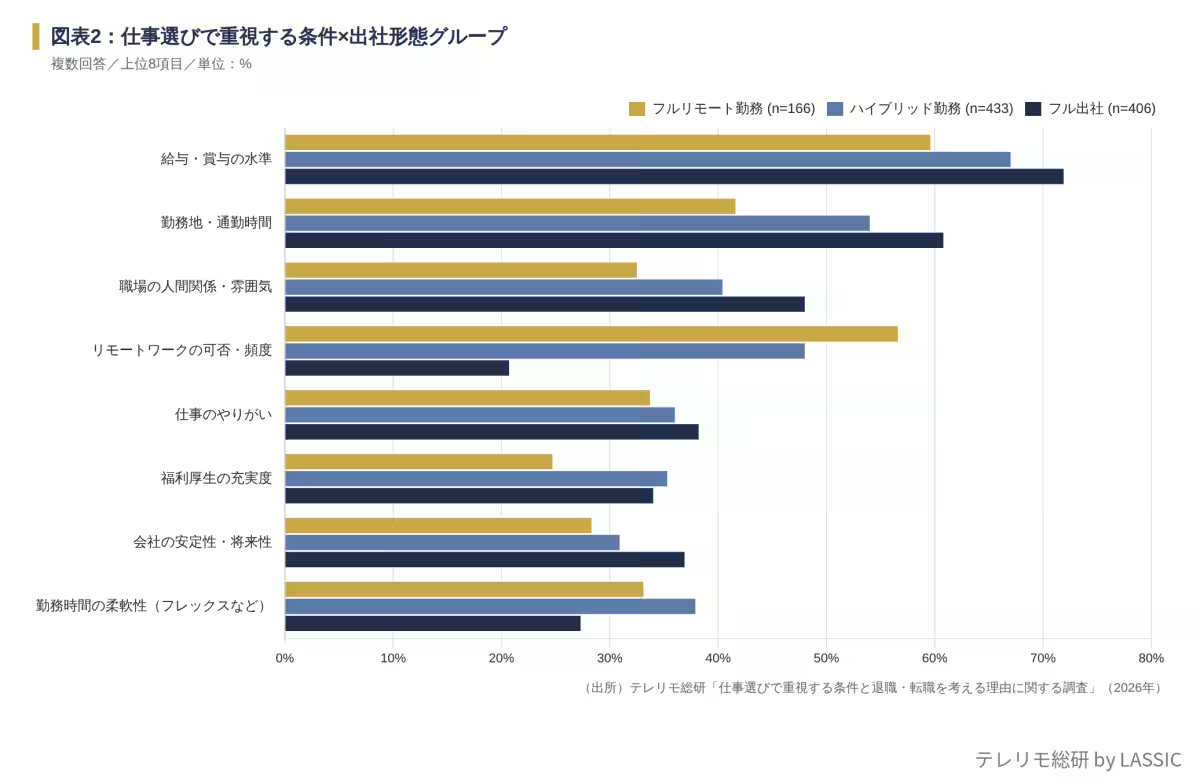
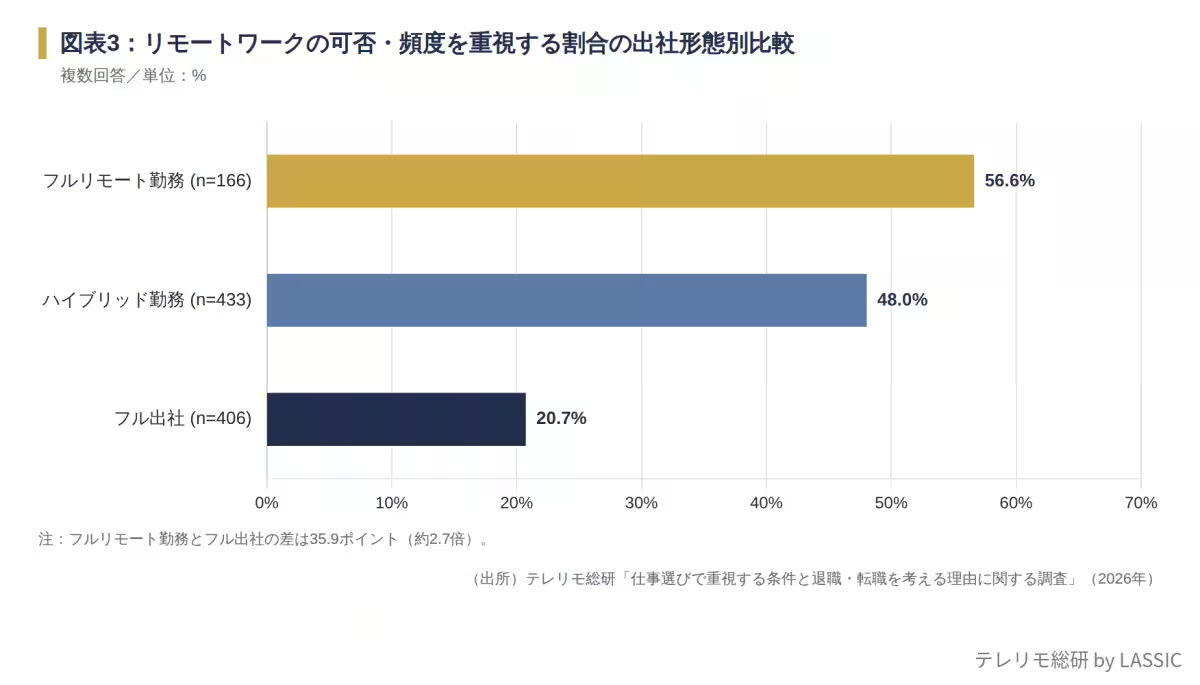
The research highlights that the emphasis placed on remote work hinges greatly on the working arrangement of respondents. Those employed fully remotely placed significance on the possibility and frequency of remote work to a notable degree of 56.6%, compared to a mere 20.7% among full-office workers. This indicates that the criteria for job selection vary significantly based on the chosen work format.
Insights on Salary and Job Selection Factors
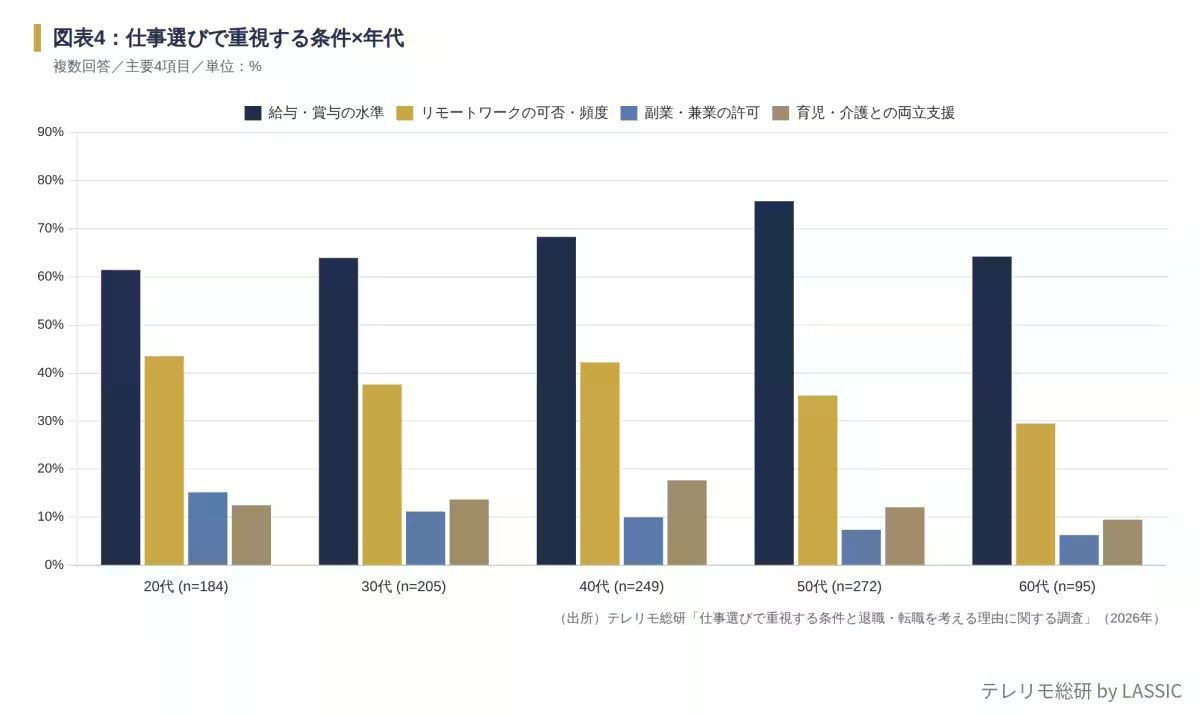
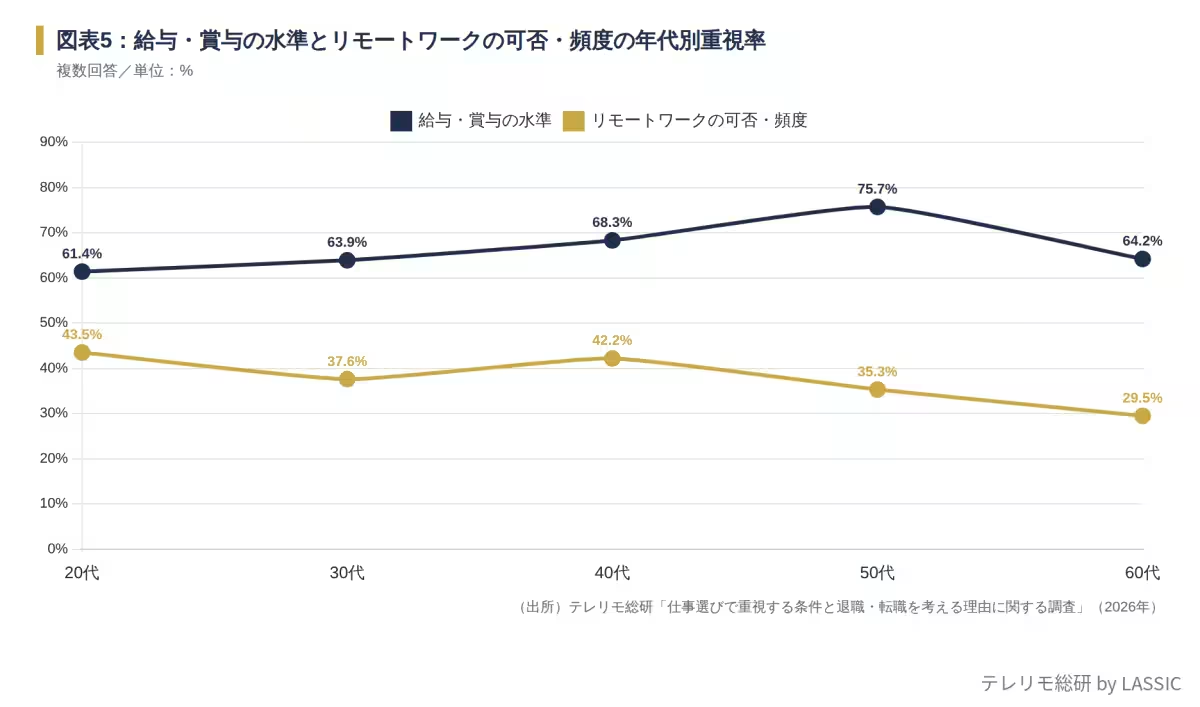
The survey data reveals stark variation in the importance placed on salary across different age groups. For instance, 75.7% of respondents in their 50s regarded salary and bonuses as crucial, whereas only 61.4% of those in their 20s shared the same sentiment—a 14.3-point discrepancy. In contrast, younger individuals demonstrated a higher tendency to prioritize remote work options, with 43.5% of those in their 20s highlighting this preference, versus only 29.5% of those in their 60s.
The survey also collected data on other job selection factors:
- - Job Satisfaction: 36.5%
- - Quality of Employee Benefits: 33.0%
- - Company Stability and Future Prospects: 32.9%
- - Flexible Working Hours: 32.8%
Remote Work Preferences Across Employment Types
Delving deeper into remote work preferences reveals that among remote workers, significant differentiation exists based on their arrangement: 56.6% of remote employees prioritize remote work options, compared to 48.0% of hybrid workers and 20.7% of those who work entirely in the office, a staggering difference of 35.9 percentage points between remote and in-office workers. Notably, even among full-office employees, one in five still emphasizes the importance of understanding if remote work is available in future job considerations.
The focus on salary remains strong across all forms of employment, with 59.6% of fully remote workers, 67.0% of hybrid workers, and 71.9% of office workers indicating that salary and bonuses are crucial to their job selection processes. Additionally, the relevance of location and commuting times also varies, showing the impact of working arrangements.
Gender Differences in Job Selection Criteria
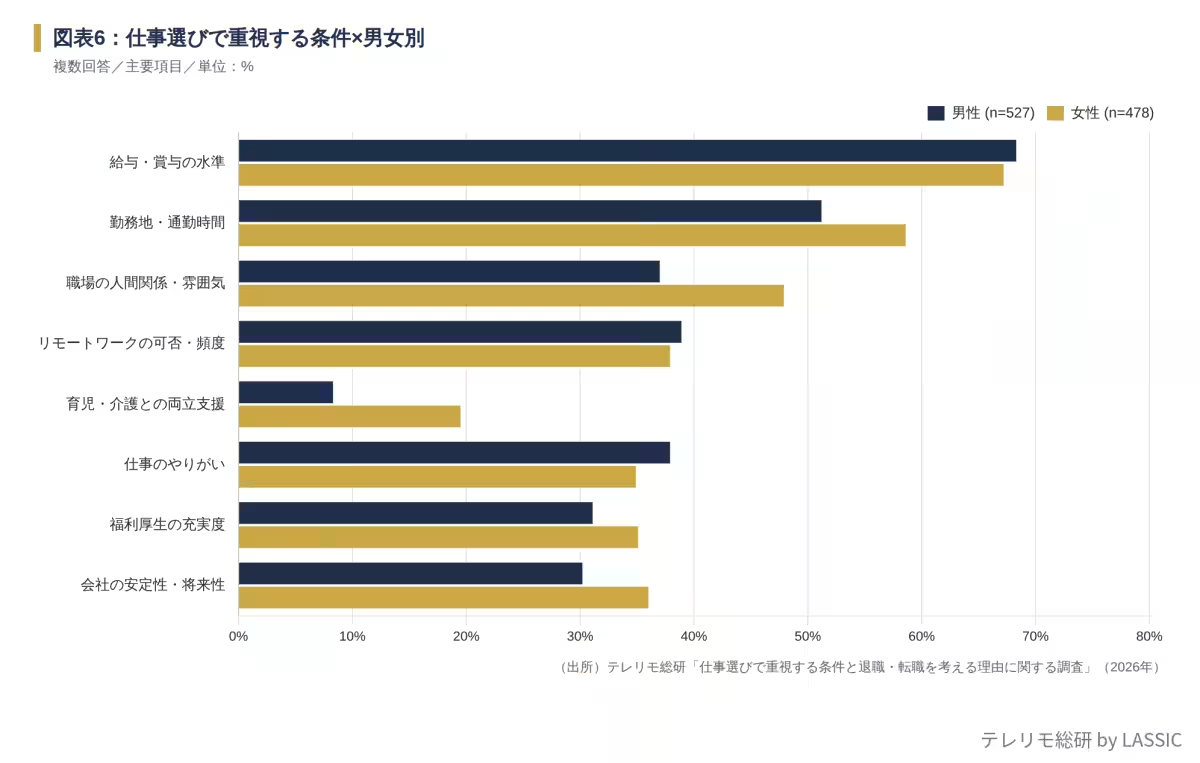
When examining the job selection preferences of male and female respondents, stark differences surfaced, particularly in regards to support for child-rearing and caregiving. Female respondents placed a significant emphasis on this support at 19.5%, while male respondents stood at 8.3%. The survey also revealed differences in preferences for workplace relationships, where 47.9% of women prioritized this, compared to 37.0% of men.
Despite variances in other areas, both genders identified salary and bonuses as the top factors in job selection, followed by location and commuting time.
Key Reasons for Job Change Consideration
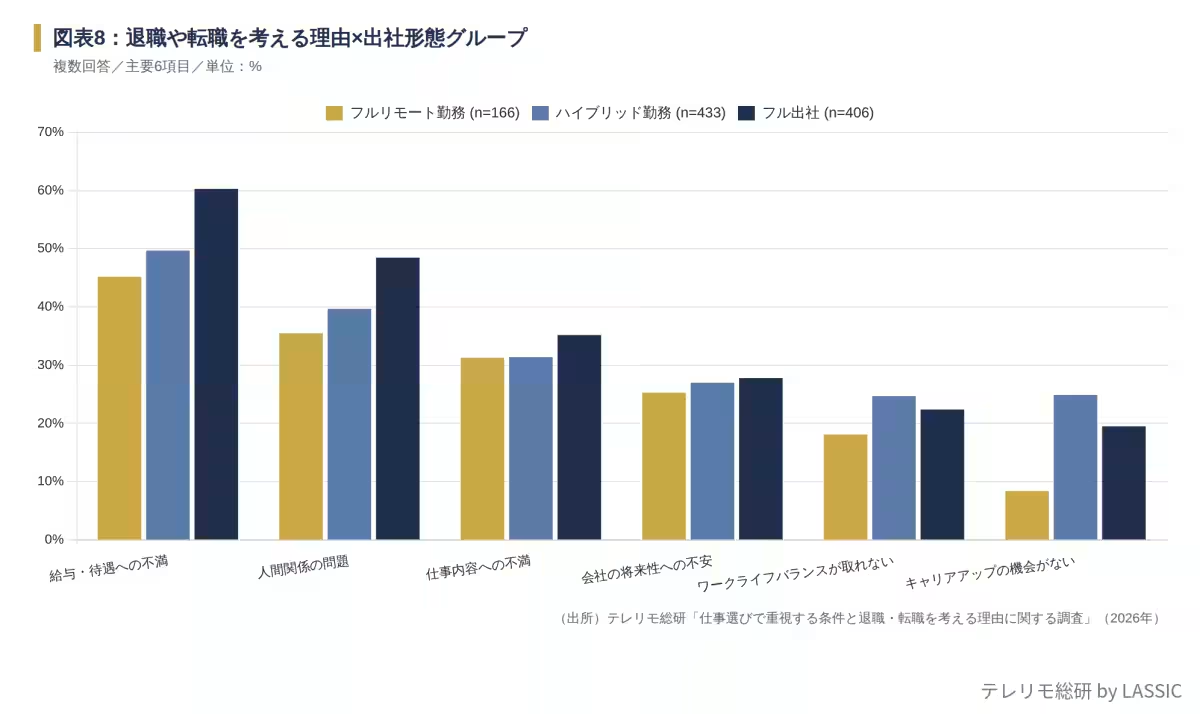
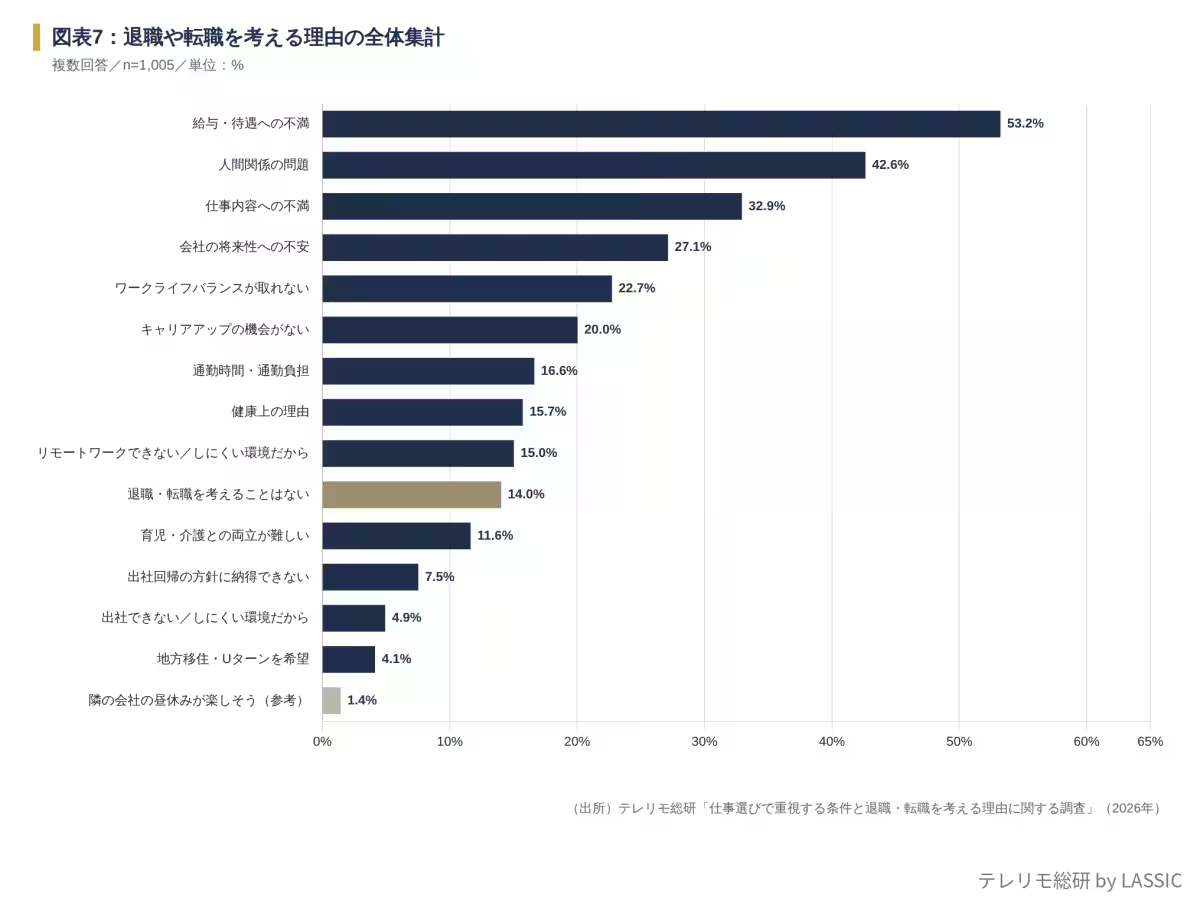
When asked to identify reasons for considering leaving a job, dissatisfaction with salary and benefits emerged as the leading cause, cited by 53.2% of respondents. Other significant issues included workplace relationships (42.6%) and dissatisfaction with job duties (32.9%). The inclination to consider changing jobs emphasizes the critical need for employers to reassess their compensation structures and workplace policies in light of expectations in today's labor market.
Conclusion
Overall, the findings distinctly highlight that salary and bonuses remain the predominant concern for employees across all age groups and employment types when considering jobs. Particularly in an era that increasingly prioritizes remote work, understanding these dynamics is essential for organizations aiming to attract and retain top talent. The comprehensive details of this research can be explored further through LASSIC’s reports, underscoring the importance of adapting to the evolving job market.


Topics Consumer Products & Retail)
【About Using Articles】
You can freely use the title and article content by linking to the page where the article is posted.
※ Images cannot be used.
【About Links】
Links are free to use.