




Survey Reveals Price Sensitivity of Foreign Residents in Japan Amid Rising Costs
Understanding the Price Sensitivity of Foreign Residents in Japan
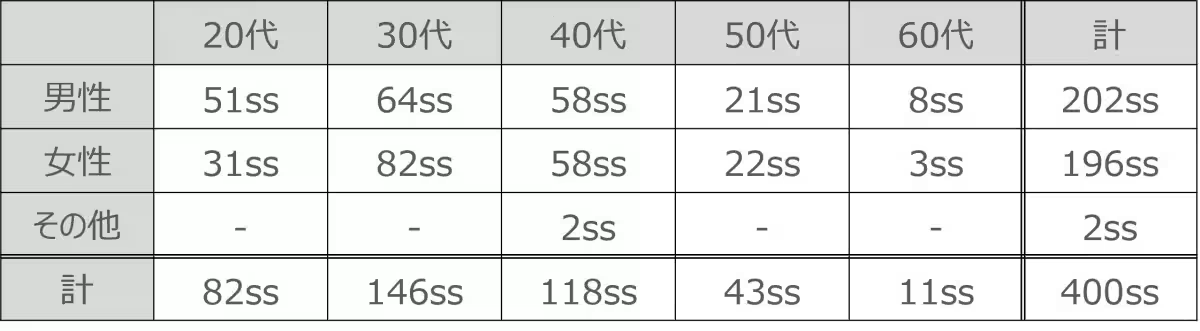
A recent survey conducted by Asmak Co., Ltd., a marketing research firm, involved 400 foreign residents aged between 20 and 69 living in Japan since before 2025. This research aimed to capture their awareness of price changes in various goods and services, their coping strategies, and future outlooks. The survey results offer valuable insights into how these residents perceive the ongoing rise in living costs in Japan.
Key Findings
1. Perception of Price Increases
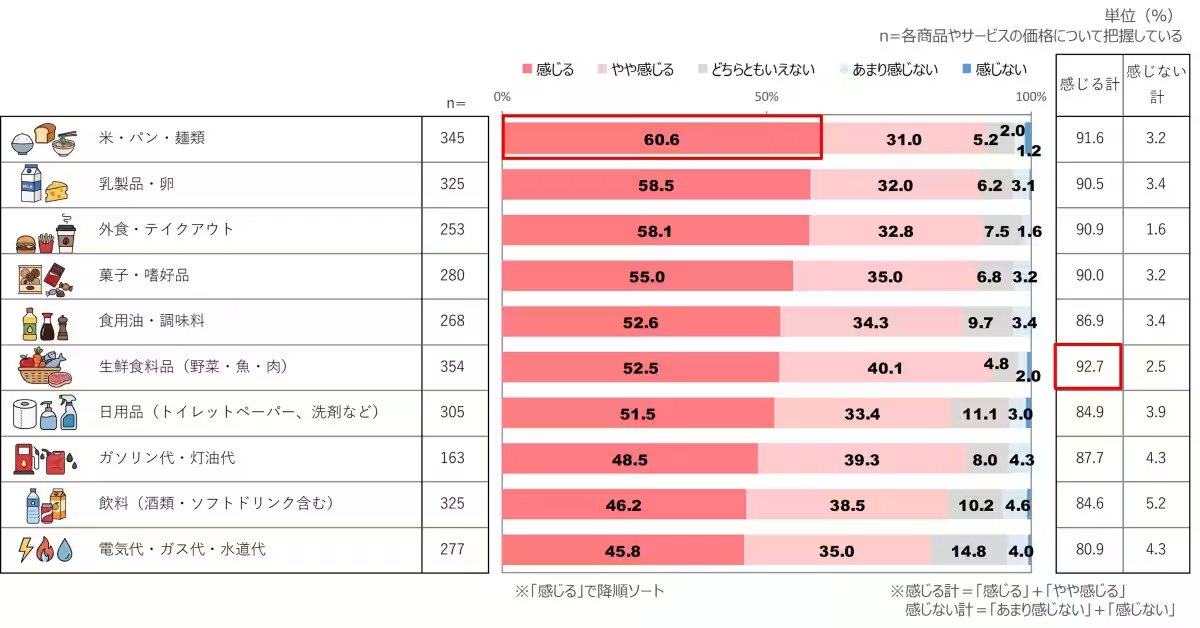
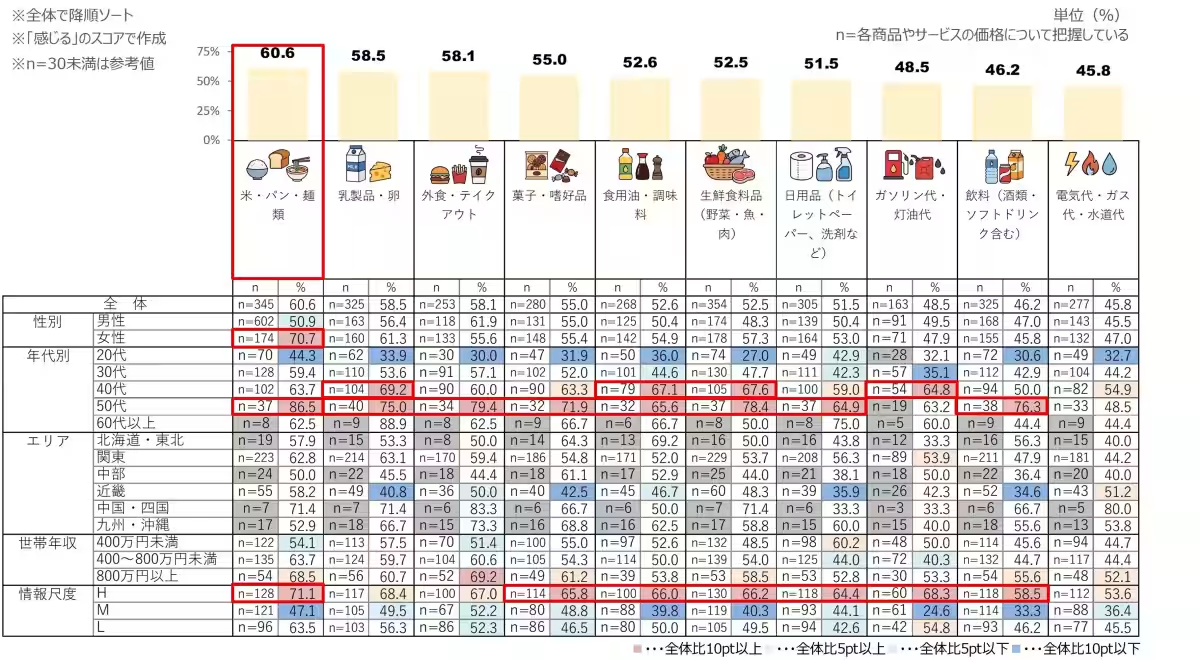
The findings suggest that many foreign residents are acutely aware of rising prices, especially in the food sector. Over 60% of the respondents reported feeling the increase in prices for rice, bread, and noodles, which topped the list. Other notable mentions include dairy products, eggs, and dining-out options, which also garnered significant attention from consumers. This heightened awareness of price hikes is echoed across various categories, indicating a concerning trend for many residents relying on these essential goods.
2. Vigilance on Future Price Trends
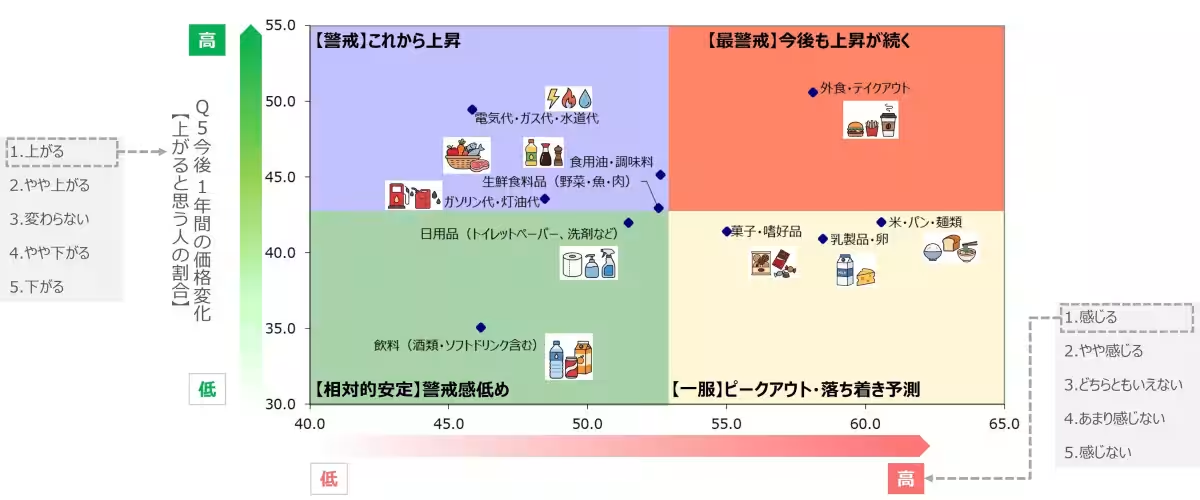
One alarming trend emerged from the survey: foreign residents are especially on guard regarding the future prices of dining and takeaway services. More than half of the participants believe that prices in these areas will continue to climb. Besides, they express caution towards household expenses like utilities, gas, cooking oil, and fresh produce, indicating a rising apprehension about future living costs.
3. Strategies for Managing Expenditures
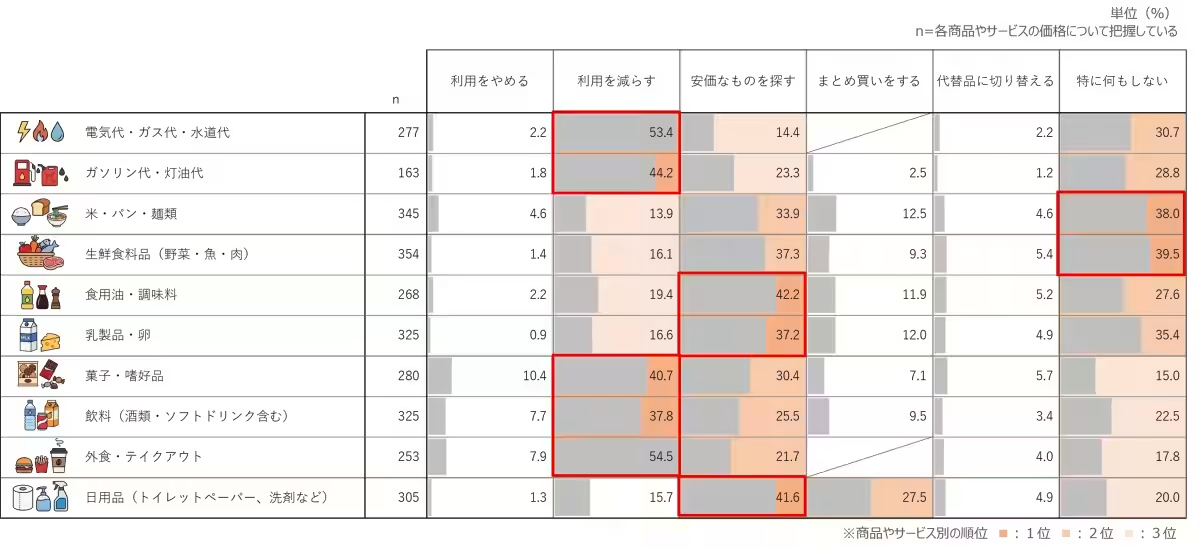
When asked how they plan to deal with the rising costs, over 70% of respondents indicated they are becoming more discerning before making purchases. This suggests a shift in consumer behavior, encouraging individuals to assess the necessity of their purchases more critically than before. Moreover, many are exploring alternative options, particularly in essential categories like cooking oil and dairy products, where cost-cutting measures are increasingly important.
4. Changing Habits in Dining
Perhaps most striking is the shift in attitudes towards dining out. Over half of the surveyed individuals plan to reduce their restaurant visits and takeaway orders, indicating that rising prices have a direct impact on lifestyle choices. This trend suggests that as the cost of living continues to rise, consumers are reevaluating their discretionary spending, often opting for more cost-effective alternatives.
5. Context of Rising Foreign Population
According to the Ministry of Justice, the number of foreign residents in Japan has grown significantly, reaching over 4.1 million by the end of 2025. Consequently, understanding the consumption patterns and concerns of these residents becomes increasingly crucial for businesses and policymakers, particularly as they face economic pressures that affect their day-to-day lives.
Implications of the Findings
These insights into the spending behavior of foreign residents signal a larger trend of caution in consumer spending. As inflation continues to be a pressing concern, brands and service providers might need to adapt their strategies to meet the changing needs of this demographic. Marketers should focus on affordability and value to maintain relevance amid growing consumer scrutiny.
In conclusion, the price sensitivity observed among foreign residents in Japan raises important questions about their adaptation strategies in the face of rising costs. As they navigate these changes, understanding their perspective will be essential for stakeholders invested in the Japanese market.
For a comprehensive view of the survey results, interested parties can download the full report here.

Topics Consumer Products & Retail)









【About Using Articles】
You can freely use the title and article content by linking to the page where the article is posted.
※ Images cannot be used.
【About Links】
Links are free to use.