



Exploring the Connection between Human Intent and Randomness through 'Nenjiro' Game
A Unique Gaming Experience: 'Nenjiro'
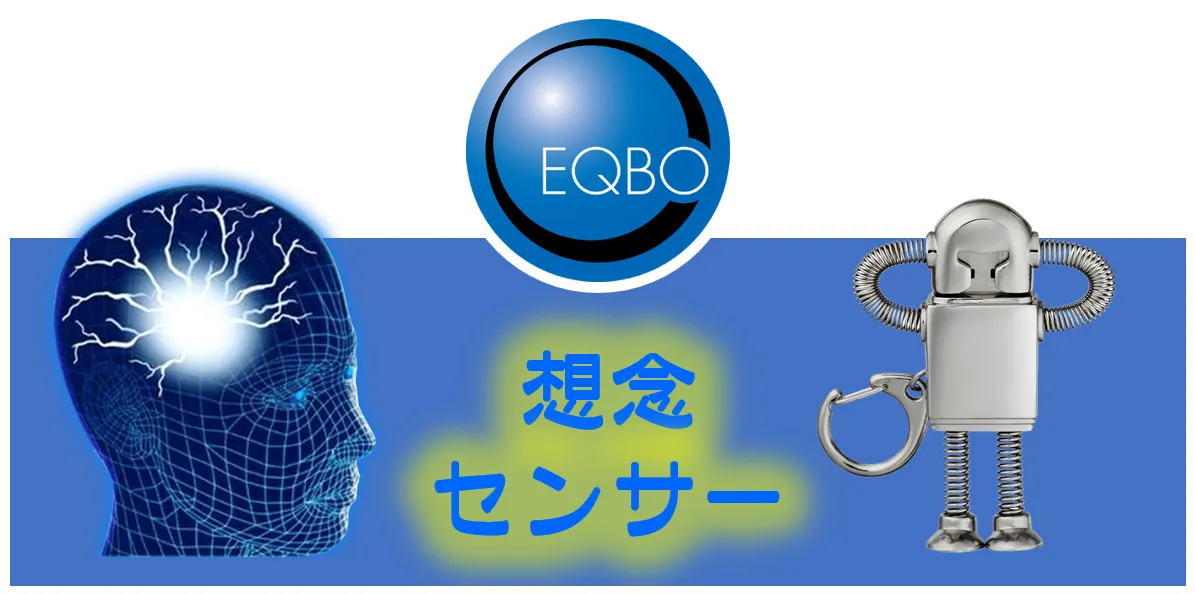
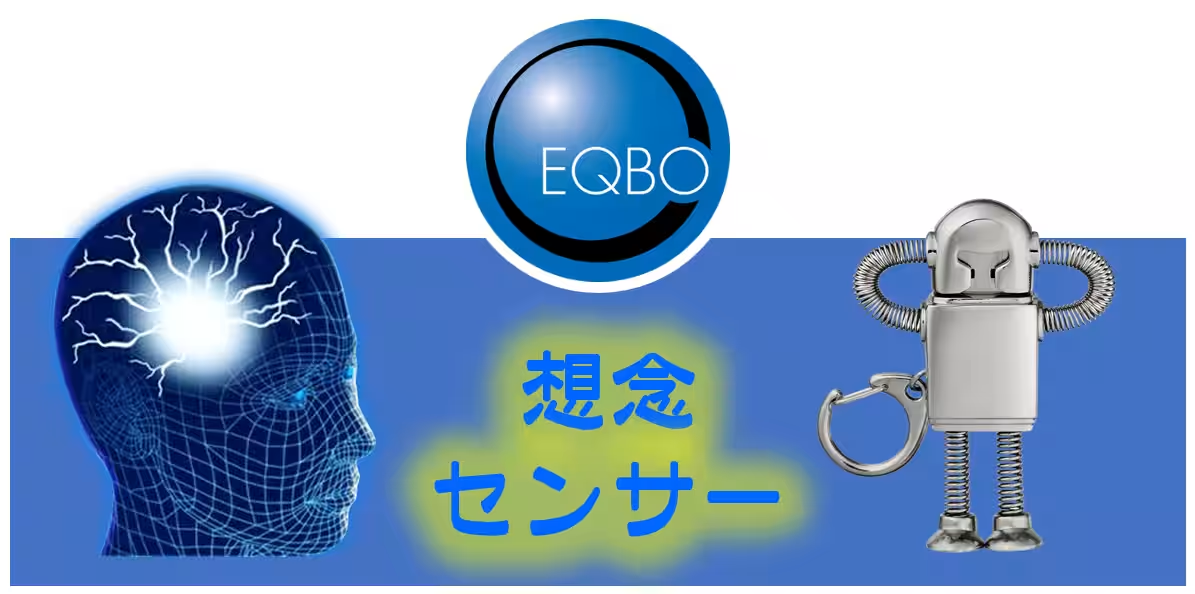
EQBO Inc., based in Atsugi, Kanagawa, has recently made public its groundbreaking game system named 'Nenjiro', which allows users to experience the intriguing relationship between consciousness and randomness. This game, which was previously available only to members, presents a unique experience where players focus their intent to guide a ladybug towards a target stake on the screen. The descent of the ladybug is influenced by random variations, which simulates the interplay between human intentions and probabilistic outcomes.
What is 'Nenjiro'?
At its core, 'Nenjiro' is designed as a thought experiment encapsulated in a gaming format. Players observe a ladybug slowly descending from the top of the screen, navigating towards the stake placed on the ground. The trajectory of the ladybug is subtly altered by random mechanics, and players engage by concentrating on their intention to land the ladybug on the stake. This uniquely merges gaming with an exploration of consciousness, where the act of focusing one's mind directly influences the dynamics of the game.
Distinct from typical gaming experiences, where players directly interact with characters via buttons or levers, 'Nenjiro' emphasizes the player's intent rather than direct control. This concept suggests that understanding the relation between random variations and human intent can manifest in engaging and intuitive formats.
Through repeated gameplay, users can not only enjoy but also witness a rise in their scores as they enhance their concentration. This underlines the premise that the 'power of thought' may have measurable effects on randomness and probability.
Research Background of the Development
The concept behind 'Nenjiro' was born from interdisciplinary explorations of how human consciousness potentially impacts quantum-level phenomena. Pioneering research has indicated that human intention could influence random output, with experiments conducted by Dr. Schmidt using random number generators and the Princeton University PEAR project investigating the interaction between consciousness and randomness.
Moreover, Dr. Radin conducted studies related to quantum behavior, expanding on whether human attention can impact quantum systems. These inquiries challenge longstanding perceptions of consciousness as merely a brain-based phenomenon, raising the question of how it interacts, if at all, with external realities.
Inspired by these scientific explorations, EQBO Inc. developed 'Nenjiro' as both an entertaining interface and a research tool. It aims to illuminate the relationship between human intent and the physical processes of randomness.
Academic Contributions and Propositions
In 2011, EQBO Inc. co-authored a foundational paper titled “Possibility to Realize the Brain-Computer Interface from the Quantum Brain Model Based on Superluminal Particles,” which deviates from conventional brain-computer interfaces. Instead, it examines the capacity of human consciousness and intention to influence outputs characterized by quantum-generated randomness.
The experiment demonstrated that when participants focused their thoughts on the outcomes of random events, the statistical variances displayed a tendency towards either convergence or divergence based on their intentional direction—akin to the gameplay mechanics of 'Nenjiro', where players aim to guide the ladybug accurately.
Recent Developments and Future Directions
The exploration of consciousness and its connection to physical phenomena remains an active and vibrant area of academic discussion. Recent theories posit that consciousness might not merely emerge from brain activity, but could relate fundamentally to quantum phenomena.
For instance, a paper slated for publication in AIP Advances discusses the concept of

Topics Entertainment & Media)




【About Using Articles】
You can freely use the title and article content by linking to the page where the article is posted.
※ Images cannot be used.
【About Links】
Links are free to use.