



Men's Infertility Awareness: A Study on Information Needs During Fertility Efforts
Understanding the Need for Male Infertility Information
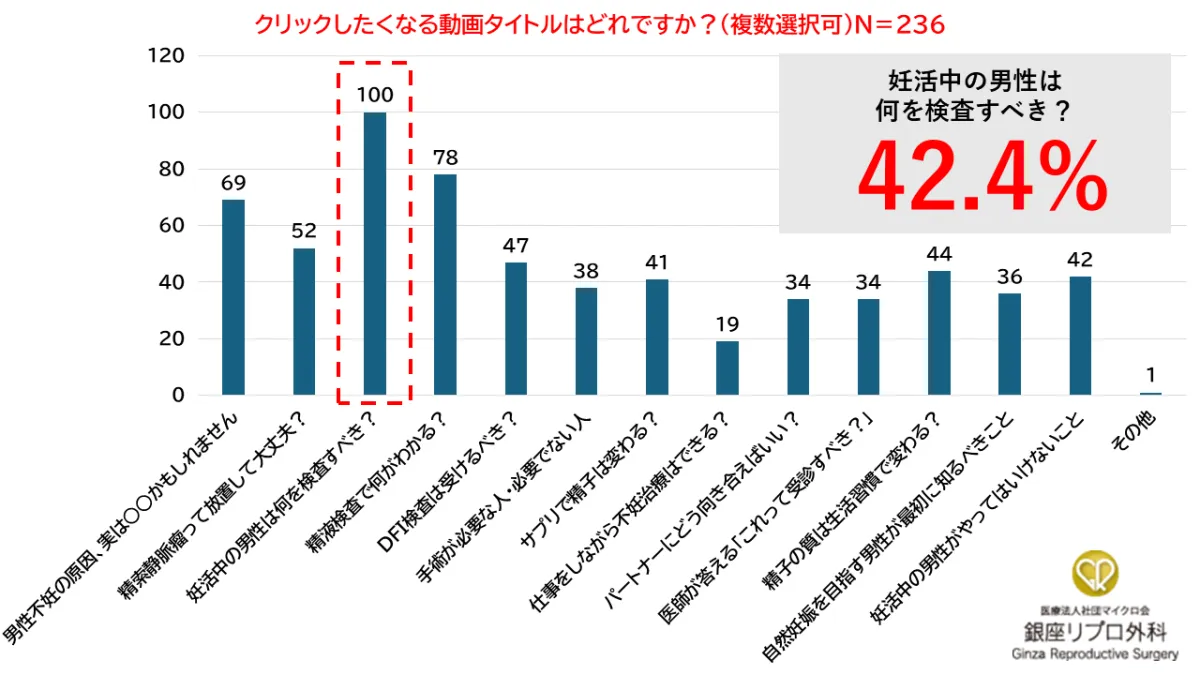
In a recent study conducted by Ginza Repro Surgery, led by Dr. Koichi Nagao, it was found that a significant 42.4% of men currently involved in or planning for conception are uncertain about what tests they should undergo. This survey targeted 236 men, aiming to uncover the themes of interest related to male infertility content on YouTube. The findings reveal a pressing need for clear, accessible information for men, as they often lack guidance compared to women, who generally have defined avenues for seeking help through gynecologists.
Key Findings of the Survey
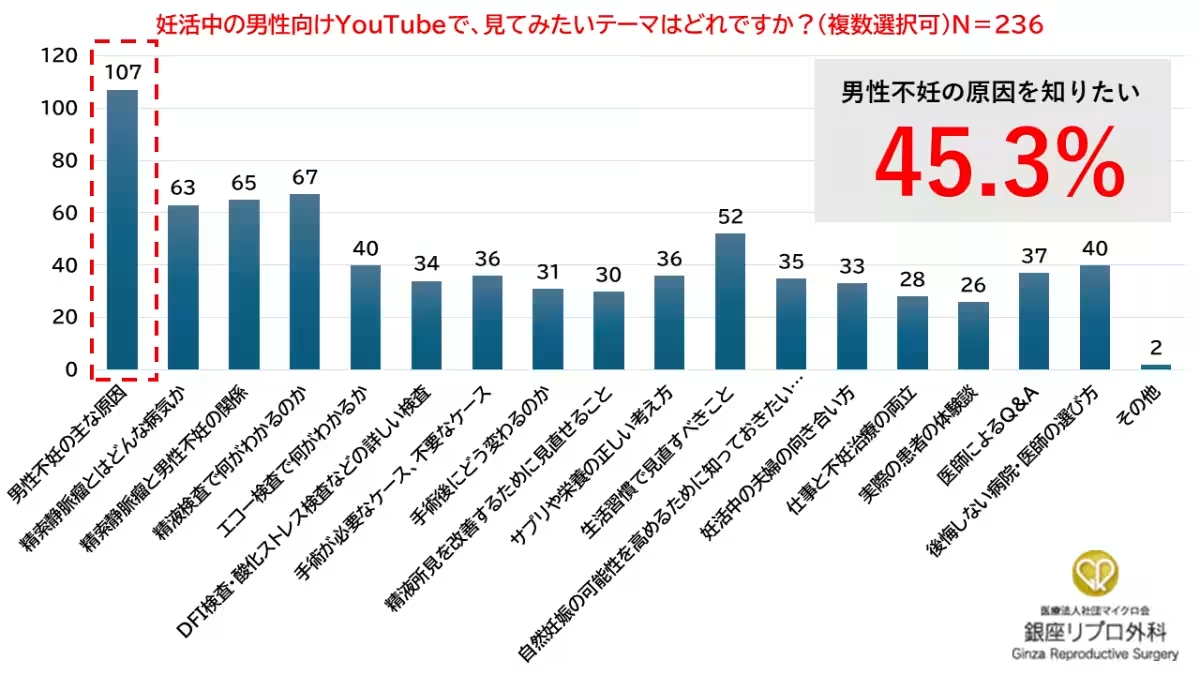
The study revealed that the most sought-after theme among these men was understanding the main causes of male infertility, with 45.3% expressing interest. Following closely were topics like what semen analyses can reveal (28.4%) and the relationship between varicocele and male infertility (27.5%). It’s evident that before delving into treatment options, these men are eager to grasp the underlying issues contributing to their condition and what specific areas may pertain to them.
Demands for Clarity
When asked about the most appealing video titles related to male infertility, the majority (42.4%) indicated a desire to learn which tests they should consider during the conception process. Natural curiosity often prioritizes foundational knowledge over advanced treatment methods. Additionally, nearly one in four participants expressed interest in the implications of varicocele, highlighting a significant area of concern.
Types of Content Men Prefer
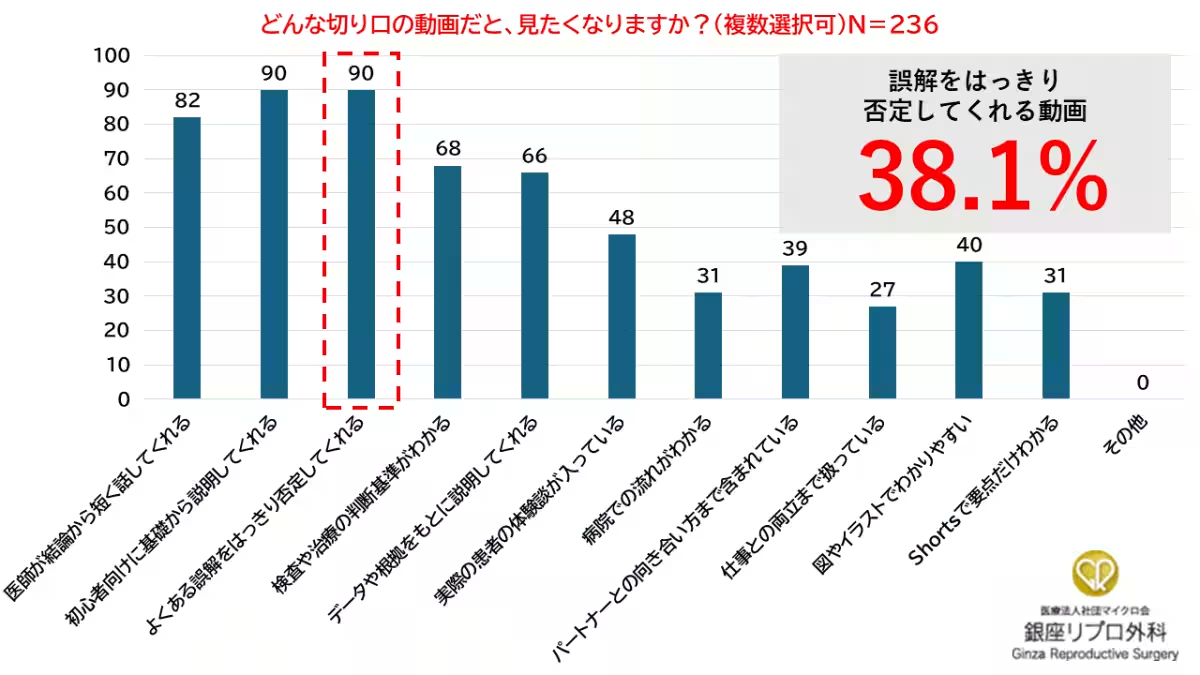
The study also probed what style of videos these men would find appealing. The top two preferences, each with 38.1%, were: beginner-friendly content that explains the basics and videos that clarify common misconceptions. A strong inclination towards concise presentations by doctors was also noted, suggesting that men value straightforward, no-nonsense explanations devoid of excessive jargon.
The need for clear guidance on what to check and where to begin is paramount. Thus, content that outlines the initial steps to take in male fertility diagnostics is crucial, not only for men’s understanding but also to empower them to take action.
YouTube as a Learning Platform
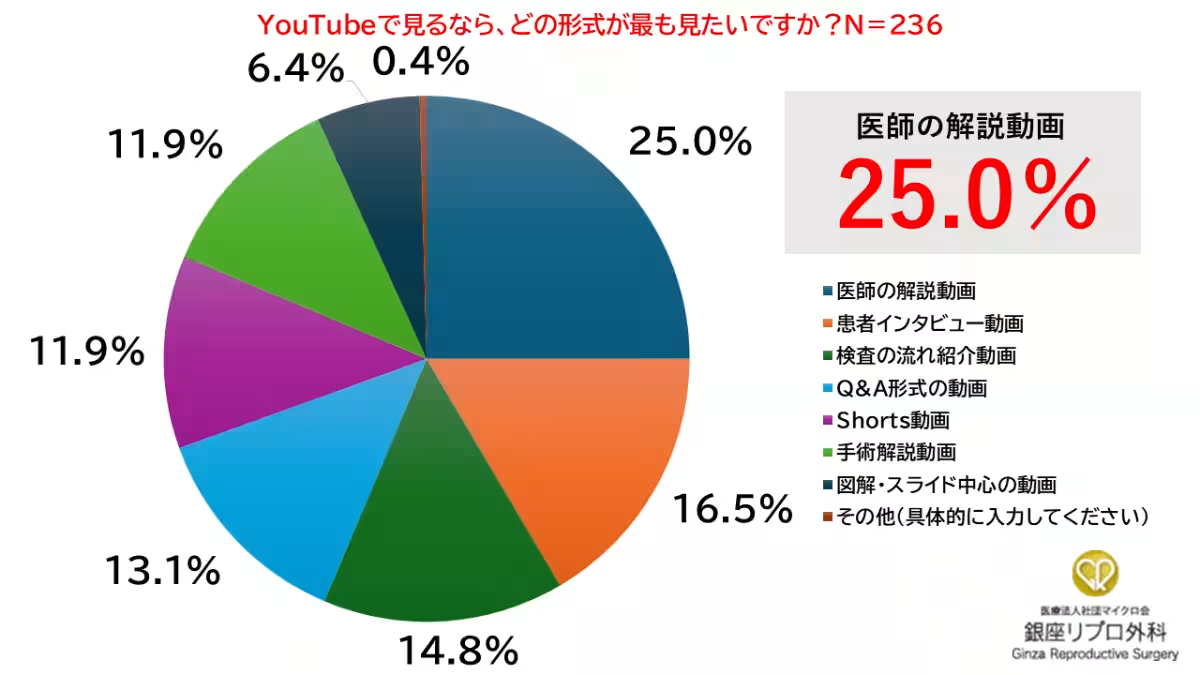
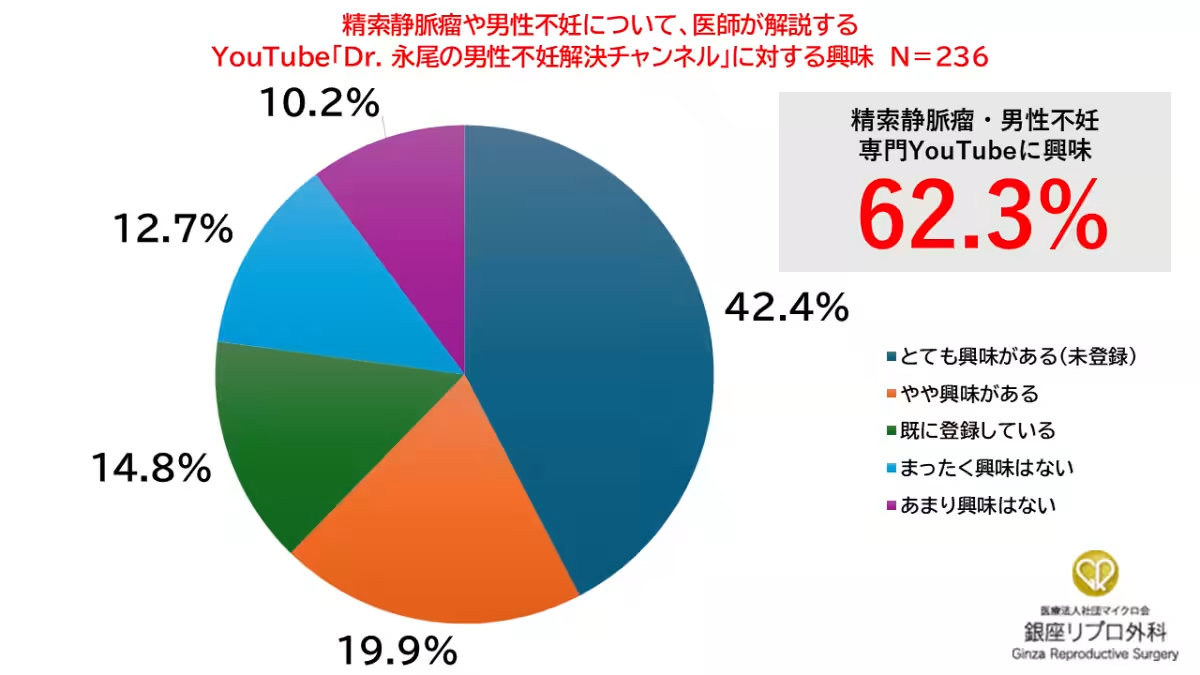
Interestingly, YouTube has surfaced as a viable source of information for men aiming to conceive, with 25% indicating they would appreciate doctor-led explanatory videos. This platform is not merely a source of entertainment; it serves as an educational gateway for men navigating the complex terrain of infertility. The “Dr. Nagao’s Male Infertility Solutions Channel” alone has ignited interest, with over 74% of respondents admitting they are keen on its content, whether they are current subscribers or not.
Expert Opinion
Dr. Koichi Nagao, the director of Ginza Repro and the head of the Japan Varicocele Association, emphasized the necessity for men to proactively seek information regarding their fertility sooner rather than later. He noted that unlike women, who typically visit gynecologists for fertility concerns, men often feel lost and unsure about the steps they should take. The survey findings reinforce the need for easily digestible, relevant content that directs men toward understanding their situation and the initial actions they should consider.
Why Varicocele Awareness Matters
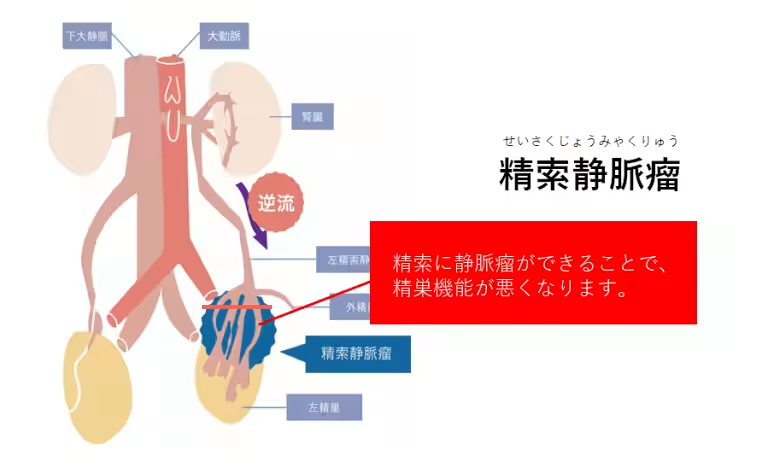
One crucial topic raised during the survey is varicocele—a condition affecting about 15% of the general male population and up to 40% of those experiencing infertility. This disorder involves blood flow complications leading to swelling within veins and can substantially affect fertility. Unfortunately, varicocele does not resolve on its own, necessitating timely diagnosis and intervention, as neglecting it could result in serious repercussions such as chronic discomfort and impaired reproductive capabilities.
Ginza Repro Surgery’s Commitment
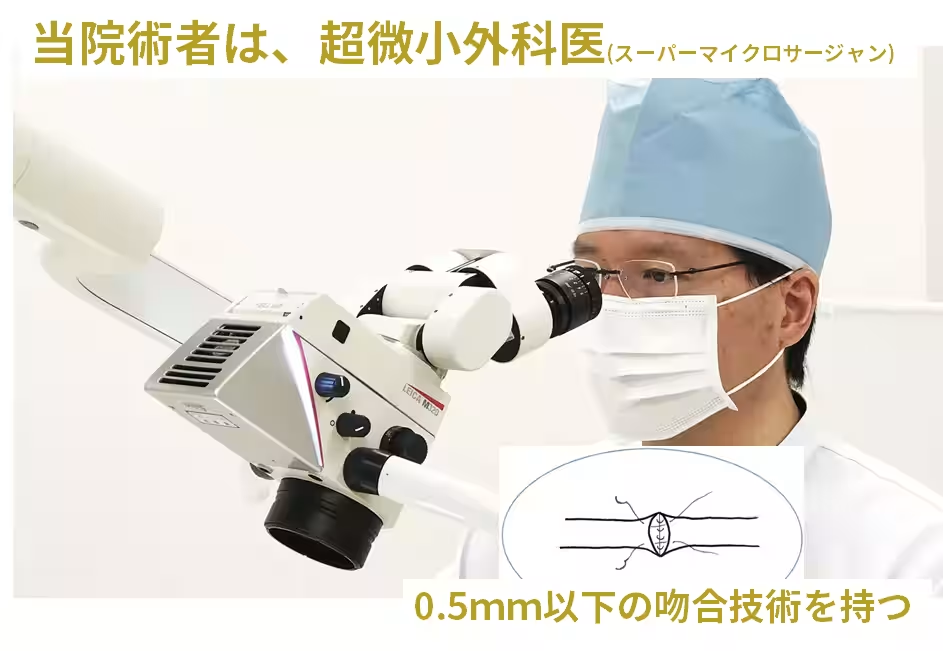
Ginza Repro is dedicated to providing comprehensive care for male infertility, particularly through its renowned Nagaomethod for varicocele treatment. Dr. Nagao's clinic focuses not only on surgical solutions but also on giving couples seeking natural conception the best chance to enhance their likelihood of pregnancy. With advanced training in microsurgery and a commitment to high-quality patient care, the clinic strives to minimize both time and financial burdens associated with infertility treatment.
The results from this survey highlight a crucial gap in awareness and information availability for men dealing with infertility. As they navigate the emotional and physical difficulties inherent in this journey, it is vital that resources, education, and support systems offer clarity and guidance, making the path towards parenthood a bit more achievable for men.
Conclusion
Ultimately, it is clear that men's understanding of infertility issues needs to be elevated. As the findings suggest, while there is a wealth of information available regarding women's health, less attention is given to men's health concerns, particularly in relation to fertility. Moving forward, it is essential to bridge this gap, ensuring that men have accesible resources to inform and guide them through their fertility journey.
Topics Health)
【About Using Articles】
You can freely use the title and article content by linking to the page where the article is posted.
※ Images cannot be used.
【About Links】
Links are free to use.