



Transforming Perceptions of Music Education Through Innovative Solfège Methods
Transforming Music Education: A Revolution in Solfège Instruction
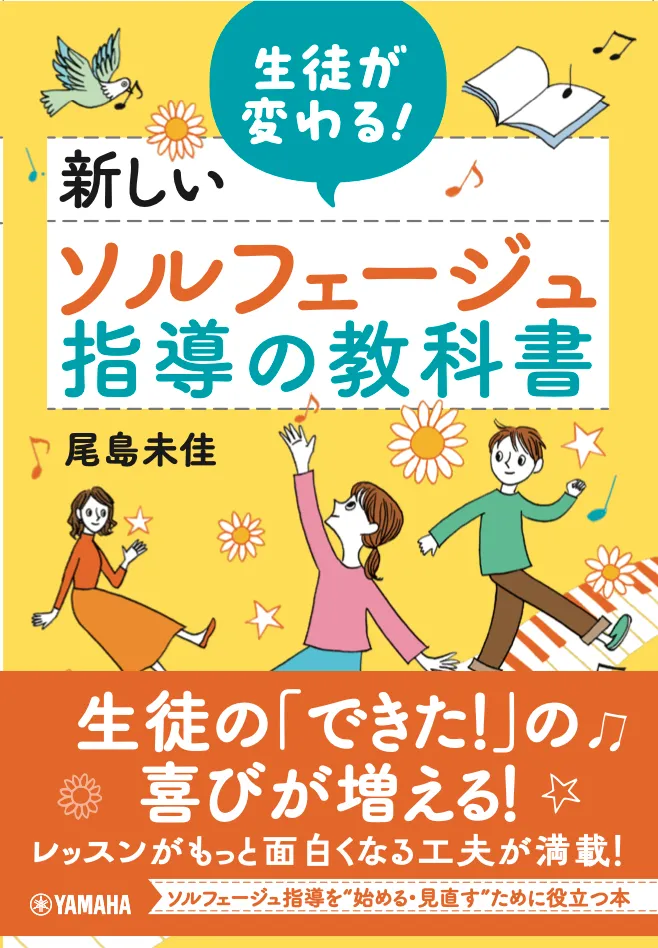
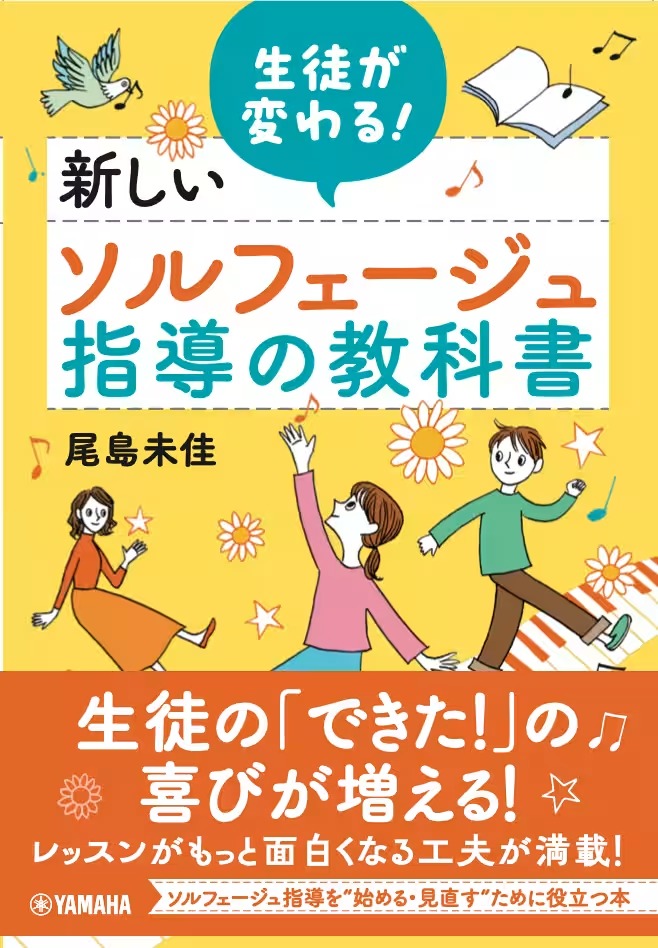
Higaniku Co., a music education enterprise based in Nerima, Tokyo, has taken a bold step to transform music education by publishing a new solfège textbook titled "Students Change! A New Solfège Instruction Guide". Released just a month ago by Yamaha Music Entertainment Holdings, the book has already gone to reprint due to its overwhelming response. This innovative approach aims to dismantle the negative perceptions many children have towards music, particularly the belief that they are not musically inclined.
The Challenge of Music Education Today
In recent years, there has been a significant focus on fostering children’s agency and expressive capabilities in education. However, traditional music education tends to prioritize technical skills, such as correctly reading sheet music and singing without mistakes. This focus often leads many children to develop a strong aversion to music, reinforcing beliefs that it is difficult or simply not for them.
Mika Ojima, the author of the textbook, argues that it is essential to shift the perspective on solfège education from being mere note-reading practice to a holistic learning experience that nurtures emotional sensitivity and creativity.
An Innovative Teaching Method Born from Experience
Ojima has drawn from 14 years of teaching experience at Musashino Gakuin University, where she instructed over 20,000 children in solfège. Throughout her teaching career, she noted a disconnect between traditional teaching methods and the attitudes of modern students. This observation led her to continually explore how to communicate the joy of music more effectively.
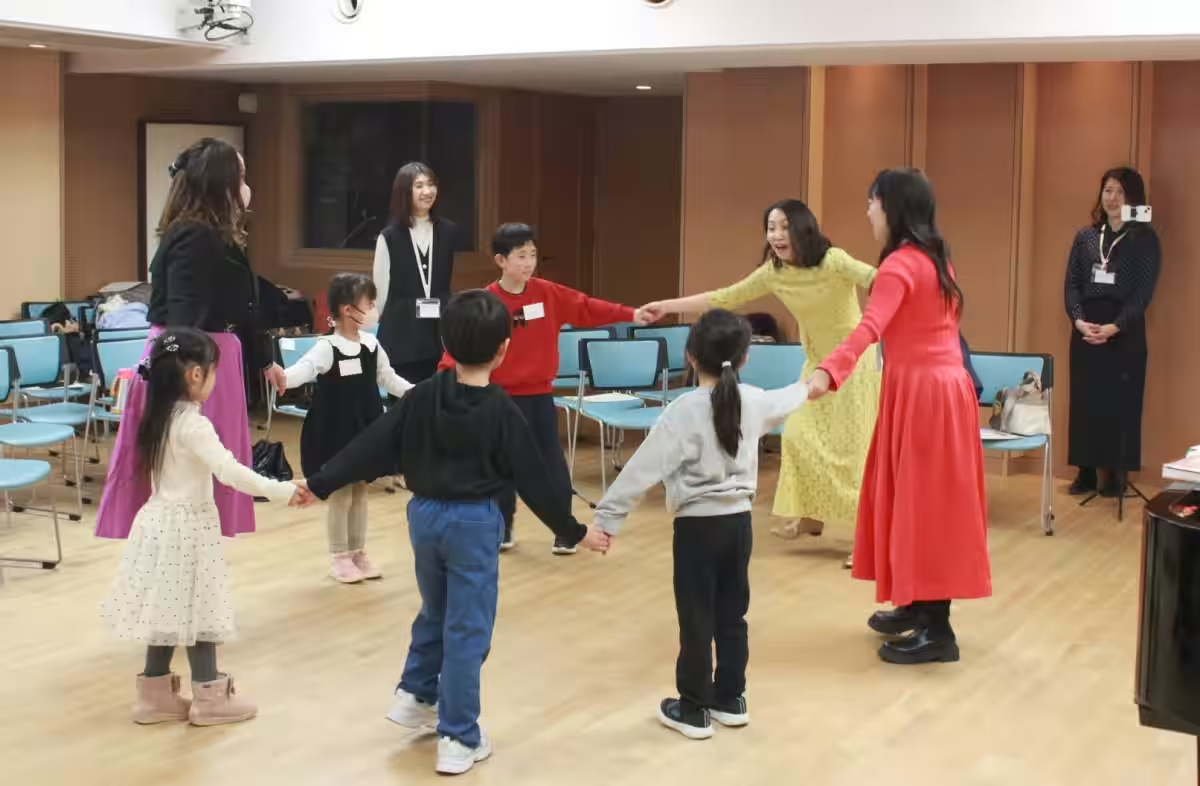
To address this gap, she developed a unique instructional method that incorporates game-like elements and physical interactions into the learning process. This hands-on approach has yielded remarkable results, with numerous examples of formerly reluctant students becoming actively engaged in discovering sounds and participating enthusiastically in lessons.
Solfège as a Tool for Emotional Development
Mika Ojima emphasizes, "Solfège is not merely about learning to read notes but is fundamentally about cultivating the power of emotional perception and sensitivity." She encourages students to enjoy the process of solving problems such as, "Why can’t I read this?" and "Why can’t I hit the right pitch?" This puzzle-solving aspect is the first step in nurturing their emotional growth.
Since the launch of her program, over 1,600 educators have participated in her teacher training courses. Feedback has been overwhelmingly positive, with many praising the transformation in their students and the increased enjoyment during lessons.
The book advocates for a re-evaluation of the conventional metrics of success in music education, pushing for a paradigm shift where every child can embrace and enjoy music.
About the Author
Mika Ojima is the CEO of Higaniku and the founder of Daisy Music Academy. She graduated from the piano department of Musashino Gakuin University’s graduate school and has developed an original solfège teaching method called "Uta Hanon®". This approach has received acclaim from many educators, and she continues to offer training courses nationwide to enhance the quality and accessibility of music education.
Book Information
"A New Solfège Instruction Guide" by Mika Ojima is published by Yamaha Music Entertainment. Released on January 13, 2026, it is priced at 2,530 yen (tax included), and is available at Amazon.
For inquiries about interviews, please contact Higaniku Co.
Company Overview
Higaniku Co. (Daisy Music Academy) is dedicated to music education, instructor training, and educational material development. Based in Nerima, Tokyo, under the leadership of Mika Ojima, they continue to champion the expansion and improvement of music education across the nation.


Topics Other)
【About Using Articles】
You can freely use the title and article content by linking to the page where the article is posted.
※ Images cannot be used.
【About Links】
Links are free to use.