



Ongoing Analysis of COVID-19 Infection and Healthcare System in Okayama
Ongoing Analysis of COVID-19 Infection and Healthcare System in Okayama
As of May 18, 2026, a team of experts from Okayama University and various healthcare institutions has compiled and commented on the data concerning COVID-19 infection rates and healthcare provisions in Okayama Prefecture. This information is updated weekly to reflect current trends.
The COVID-19 pandemic has led to significant changes in our daily lives, and while the World Health Organization (WHO) has declared an end to the pandemic, the need to understand and manage the situation at a local level remains critical. For the citizens of Okayama, the data serves not only as a reflection of the current state but also as a guideline for daily infection prevention measures.
Current Infection Rates
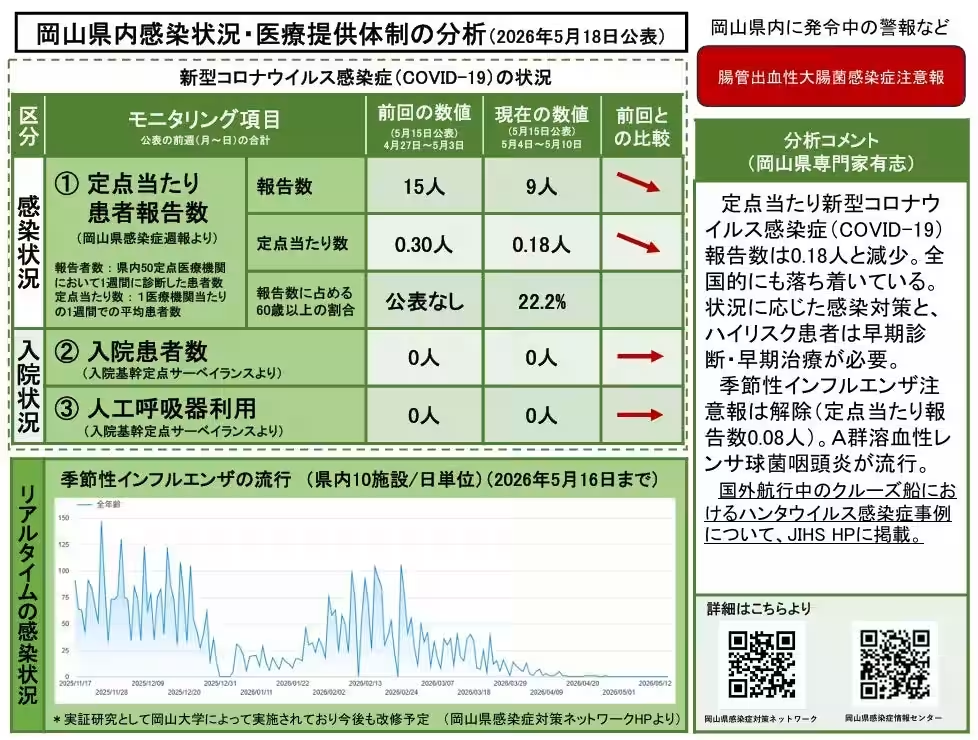
The current reported rate of COVID-19 is 0.18 cases per designated reporting points, indicating a decline in infections across the country. Experts emphasize that timely diagnosis and treatment are essential, especially for those at high risk. Fortunately, the seasonal influenza warning has been lifted, with a reporting rate of 0.08.
However, there has been an uptick in cases of Group A Streptococcal Pharyngitis, which is being monitored closely. Additionally, information regarding hantavirus cases on cruise ships is accessible on the Japan Institute of Health Safety (JIHS) website.
Expert Contributions
This comprehensive analysis is provided by a coalition of experts, including:
- Yasunori Ichimura from the International Medical Cooperation Bureau, JIHS
- Hidehiro Hagiya from Okayama University Hospital's Infectious Diseases Department
- Koji Fujita from Tsuyama Central Hospital
- Haru Yamada from Okayama City Hospital
- Daisuke Yoshioka from Kawasaki Medical University
- Takashi Yorifuji from Okayama University's Graduate School of Medicine
Their insights and evaluations are integral in guiding both local authorities and the public in navigating the ongoing health landscape.
Future Directions
The ongoing analysis aims to keep the public informed and prepared. Experts will continue to update the infection data weekly, draw comparisons with preceding weeks, and highlight any significant changes in healthcare capacity. This proactive approach aims not just for immediate awareness, but also contributes to long-term public health strategies.
In a state where normalcy is gradually returning, understanding infection trends is more important than ever. Authorities strive to be transparent about the data and encourage residents to maintain an awareness of their surroundings and health practices.
Patients and their families are urged to also seek early treatment when symptoms arise, ensuring potentially severe outcomes can be managed promptly.
Conclusion
As the situation evolves, the collaboration of medical experts and public health authorities will remain pivotal. Although the situation may appear stable, vigilance remains necessary to prevent any resurgence of infections. Residents are encouraged to remain cautious while embracing the return to regular life.
In summary, ongoing updates and community engagement are essential as we navigate this unprecedented health crisis together. Interested individuals can access prior reports and ongoing developments through various official health channels.
For further updates, visit Okayama University's webpage.
Topics Health)
【About Using Articles】
You can freely use the title and article content by linking to the page where the article is posted.
※ Images cannot be used.
【About Links】
Links are free to use.