



Exploring the Synergistic Effects of Flavonoids and Ascorbic Acid on Skin Protection
The Synergistic Power of Flavonoids and Ascorbic Acid in Skin Protection
Introduction
In a significant breakthrough, POLA Innovation Center, located in Shinagawa, Tokyo, recently announced its collaboration with SanBio Co., Ltd. from Fuji, Shizuoka Prefecture. Together, they have demonstrated that combining extracts rich in flavonoids and ascorbic acid enhances the skin's defense against oxidative stress caused by environmental factors. This research will be unveiled during the 48th Annual Meeting of the Molecular Biology Society of Japan, scheduled for December 3-5, 2025.
Understanding Oxidative Stress and Skin Health
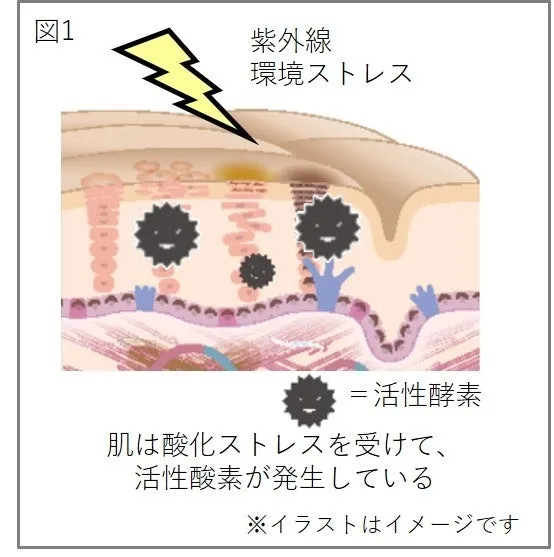
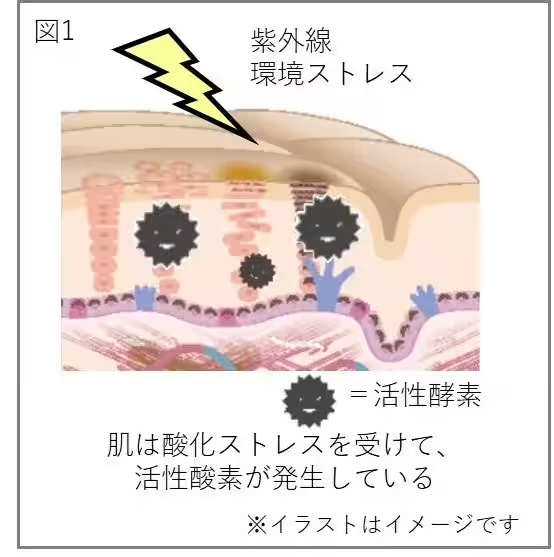
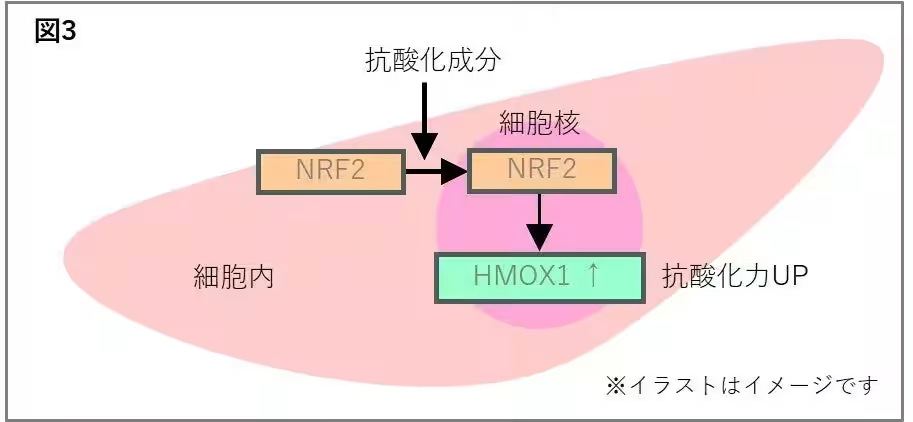
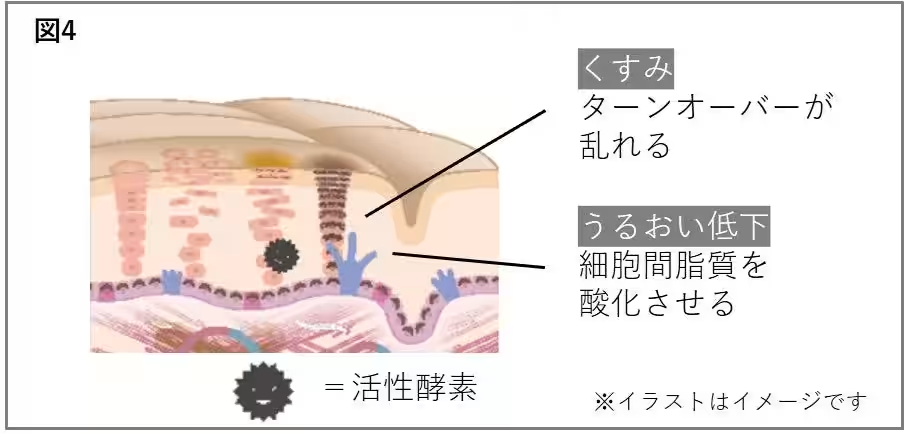
Every day, our skin faces oxidative stress due to UV rays and environmental pollutants. Protecting the skin requires a dual approach involving immediate and sustained defense mechanisms. The immediate effect is attributed to ascorbic acid, which rapidly neutralizes reactive oxygen species (ROS). In contrast, the sustained defense is linked to the activation of the NRF2 switch in skin cells, which boosts the production of antioxidant enzymes, enhancing cellular resilience.
The Role of Flavonoids
Hydroxyl radicals are particularly damaging among ROS. To combat these harmful radicals, the effectiveness of antioxidant ingredients greatly depends on their source. Flavonoids, a group of plant compounds, have shown potent antioxidant properties. In recent studies, various flavonoids were tested to identify those that effectively eliminate hydroxyl radicals. This comprehensive exploration involved mixing generated hydroxyl radicals with different flavonoids and measuring the reduction of these radicals.
Developing a Combined Extract
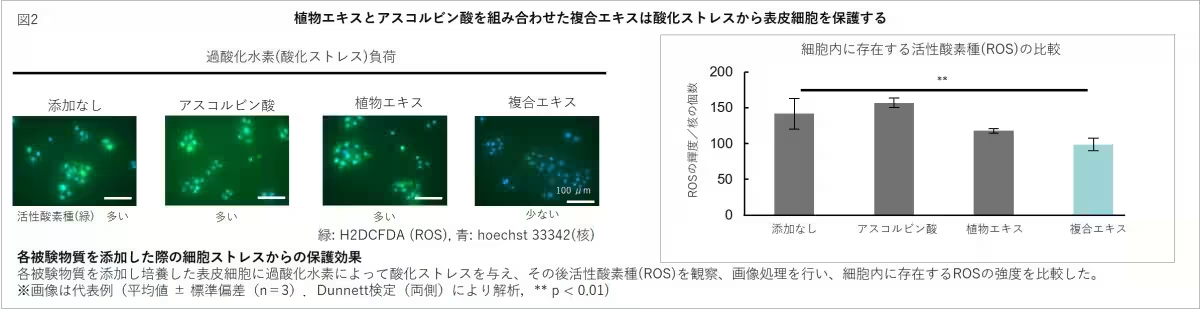
The comparative research led to the selection of plant extracts high in flavonoids shown to possess strong hydroxyl radical scavenging activity. A combination of these extracts with ascorbic acid was developed and tested for its ability to protect skin cells from oxidative stress induced by hydrogen peroxide. Results revealed that cells treated with the combined extract exhibited significantly lower ROS signaling, suggesting enhanced resistance to oxidative stress. This indicates that the composite extract not only boosted antioxidant capacity but also protected the cells effectively.
细胞メカニズムの解析では、複合エキスが酸化ストレス防御のスイッチであるNRF2を活性化し、抗酸化遺伝子HMOX1を増加させることが示されました。これにより、細胞が自ら酸化ストレスに立ち向かえる能力が高まることが確認されています。
Significance of NRF2
NRF2 (Nuclear factor-erythroid 2-related factor 2) operates as a


Topics Other)
【About Using Articles】
You can freely use the title and article content by linking to the page where the article is posted.
※ Images cannot be used.
【About Links】
Links are free to use.