



Are You at Risk of Back Pain During Your Move? Here's What You Need to Know!
The Risks of Moving: A Closer Look at Back Pain
As spring approaches, many are gearing up for a fresh start, often involving moving houses or rearranging their current spaces. However, these activities are not without their risks—particularly concerning back pain, a common issue that many individuals face during such physically demanding tasks. A recent survey conducted by the Nonaka Back Pain Clinic sheds light on the prevalence and causes of back pain linked with moving and rearranging activities among adults aged 20-60.
Understanding the Survey
The survey was conducted over a span of three days, from March 5 to March 7, 2026, with a sample size of 1,006 individuals who had moved or rearranged their living spaces at least once. The purpose was to analyze the correlation between these activities and back pain manifestation. With findings alarming enough, let's delve into the details.
Majority Experience Back Strain When Moving
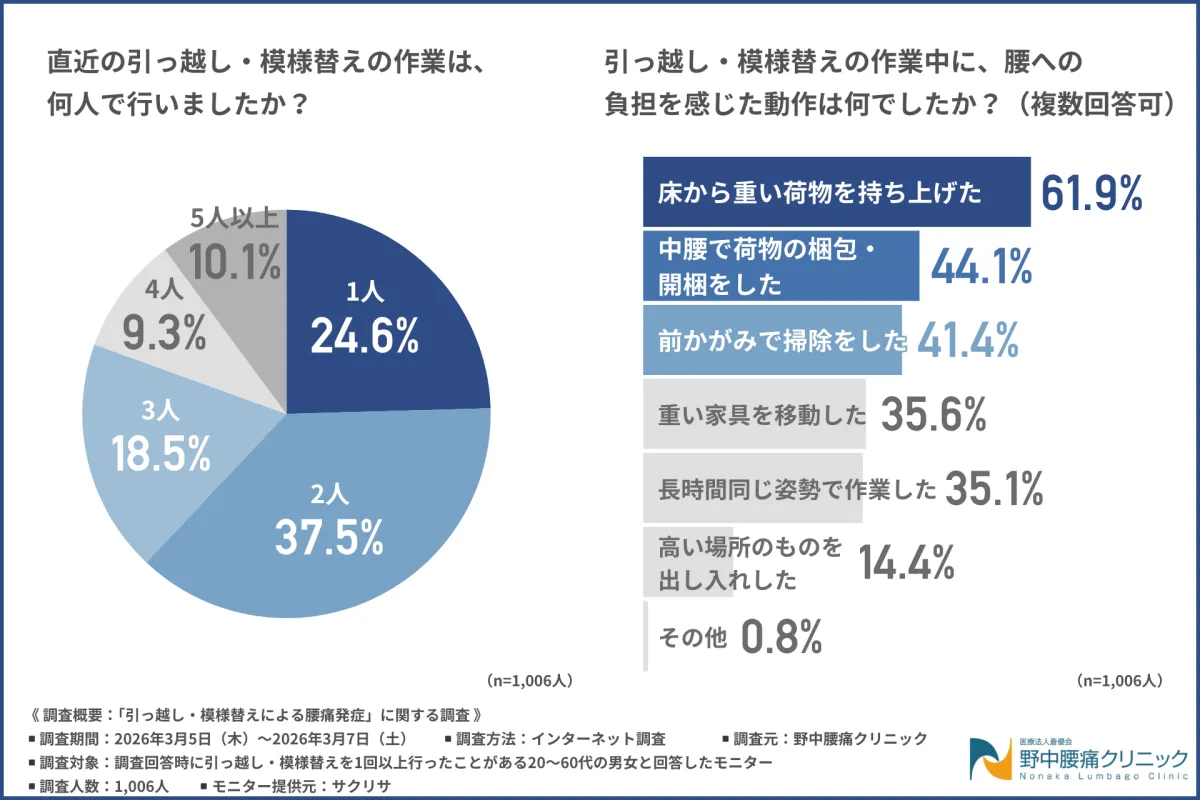
According to the survey results, a staggering 61.9% of participants reported that lifting heavy items from the floor was the most taxing action on their backs during moving. Following closely were actions such as bending over to pack or unpack items (44.1%) and cleaning while in a hunched position (41.4%). These statistics suggest a concerning trend: many individuals engage in risky physical activities without proper techniques or awareness of their physical limits.
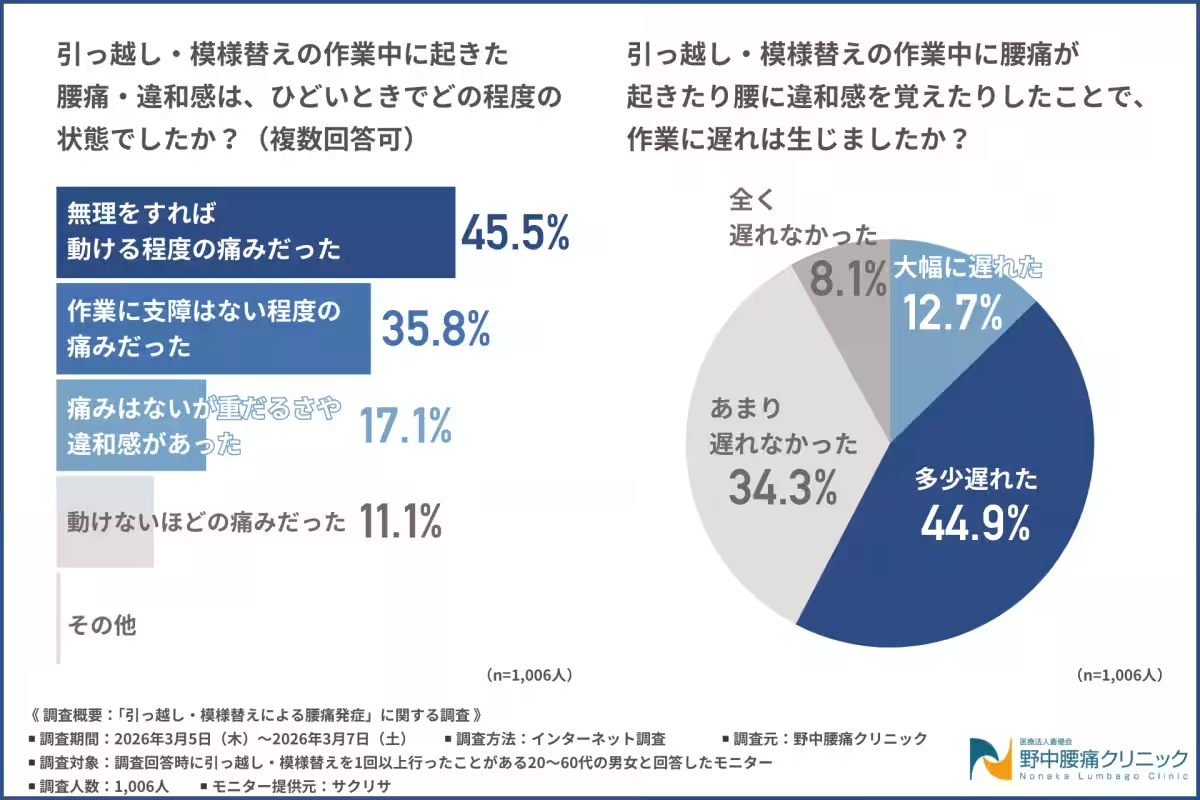
Interestingly, when asked about the severity of pain experienced, 45.5% described their discomfort as manageable yet present, indicating that while they could continue working, their bodies were sending out distress signals. As a result, over half of the respondents acknowledged that they experienced delays in their moving schedules due to back pain.
Preventative Measures and Awareness
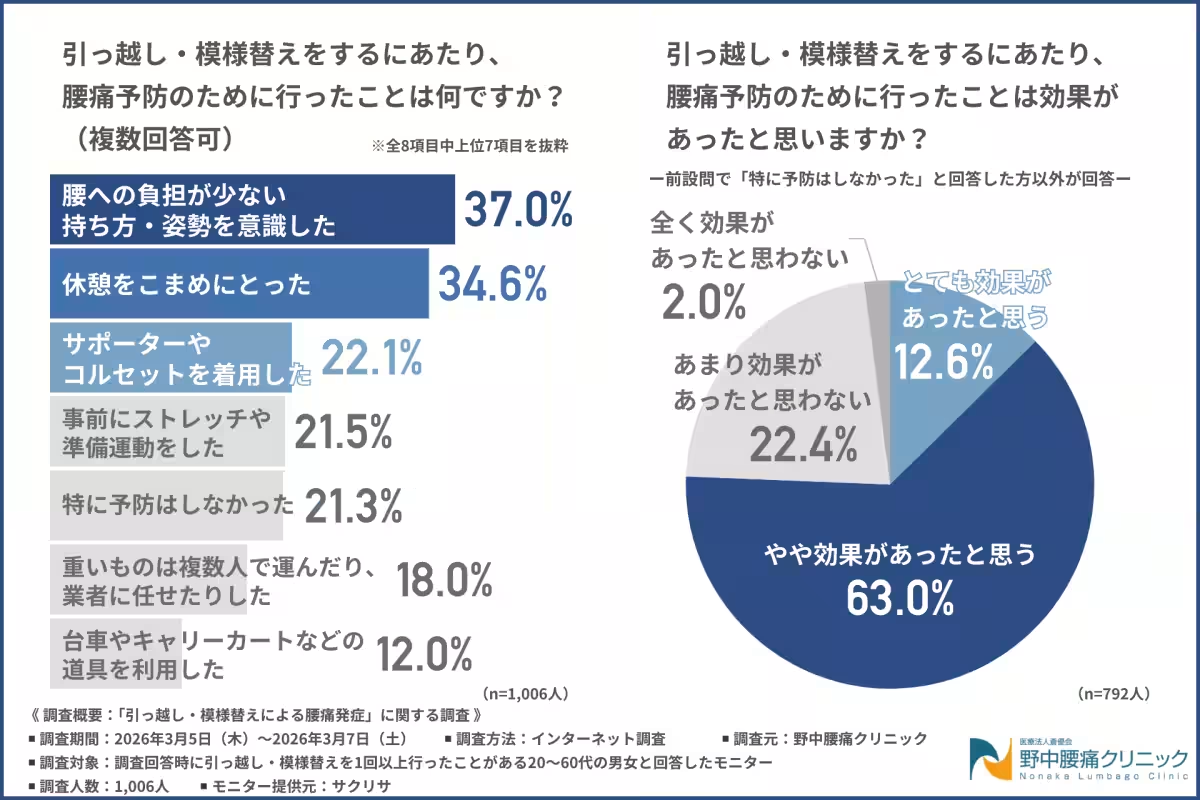
Despite the clear risks, many respondents claimed to have implemented some form of preventative measures, with 37.0% indicating that they attempted to maintain proper lifting techniques, while 34.6% opted for regular breaks. Furthermore, a notable 22.1% utilized supports or braces to alleviate strain. While these efforts showcase awareness and proactive engagement in reducing back pain risk, the reality remains that many still overlook essential precautions.
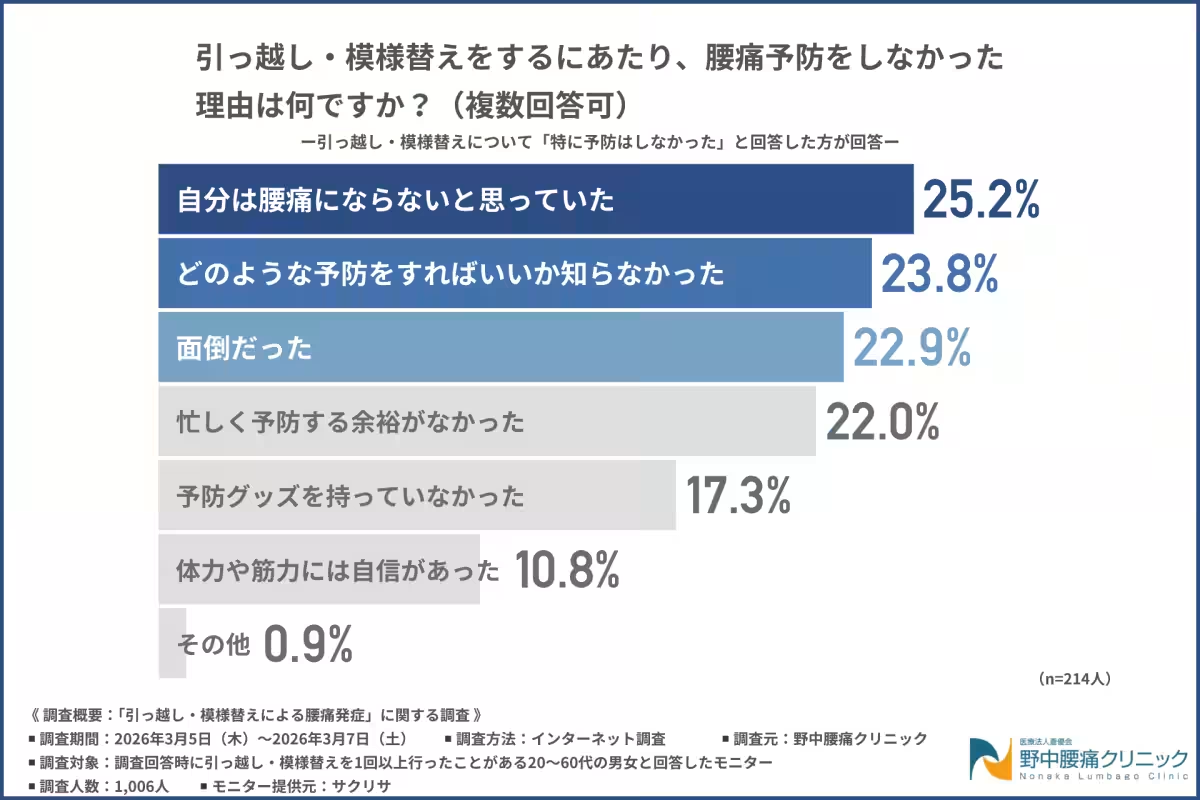
When exploring the reasons behind the lack of preventative measures taken by some, 25.2% believed they were immune to back pain, exposing a dangerous misconception.
The Trend of Self-Treatment
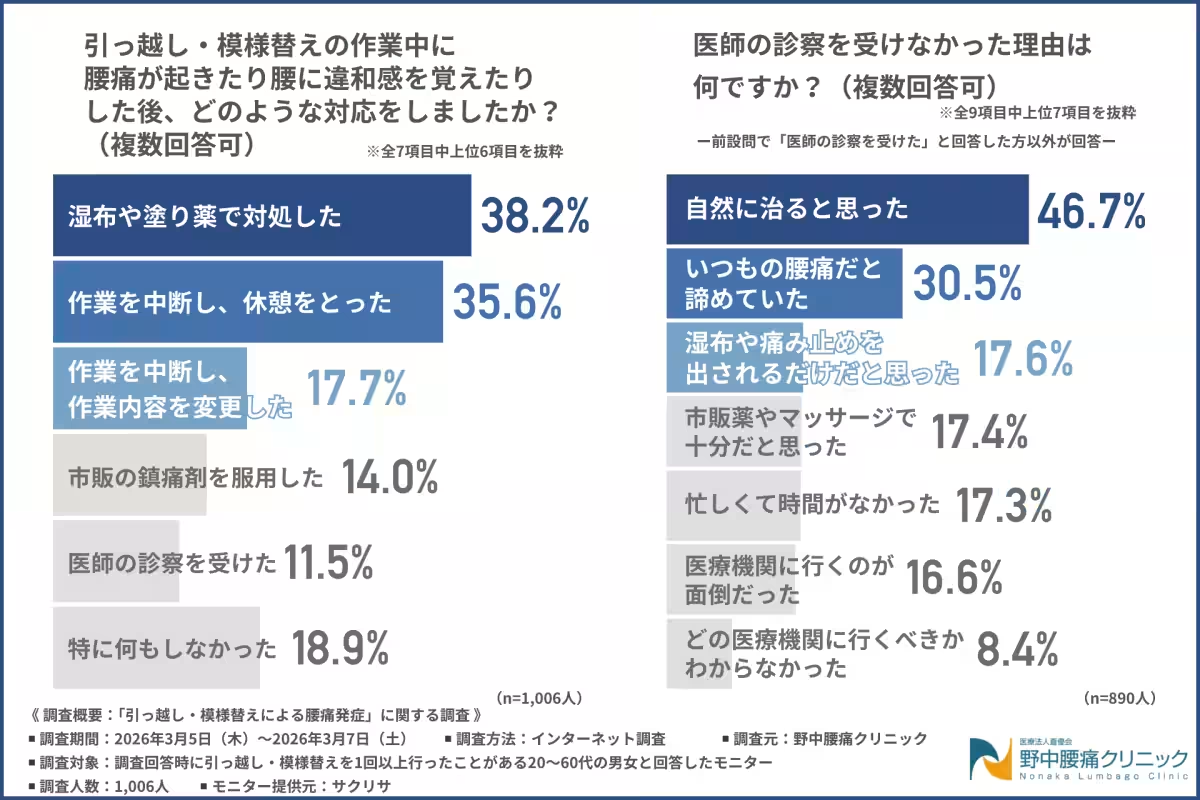
When pain arose during their tasks, 38.2% of respondents turned to topical solutions such as ointments and patches, while approximately 10% sought professional medical advice. A troubling revelation surfaced: a significant portion held the misconception that their backs would heal naturally, leading them to avoid consulting professionals. The perception that treatment involves simply receiving medication may deter individuals from seeking timely medical intervention.
The Need for Efficient Medical Solutions
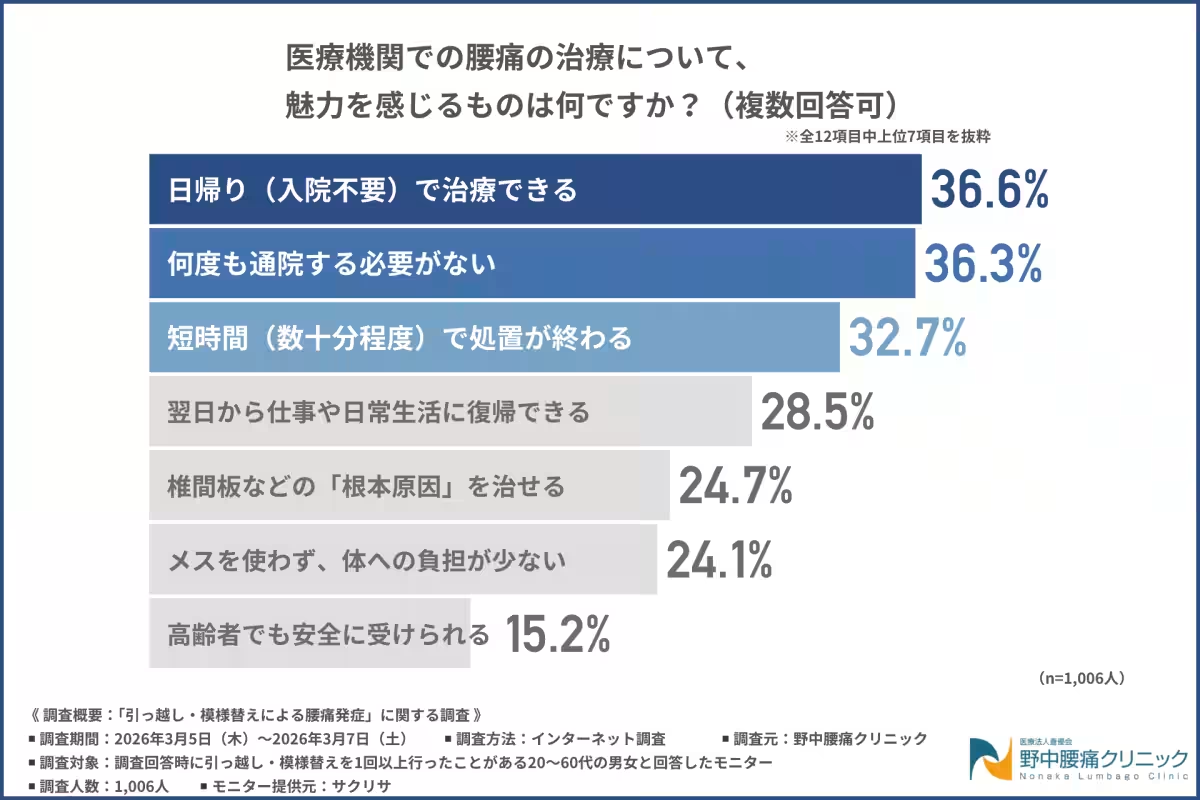
As the survey concluded, participants expressed their preferences regarding medical treatments for back pain. Key motivations included expedited solutions that required no lengthy hospital stays or multiple visits, highlighting a trend toward seeking convenient and effective care options.
In summary, the survey conducted by Nonaka Back Pain Clinic illuminates the significant impact of moving and rearranging activities on back health. As individuals prioritize convenience and seek immediate relief, the findings call for an urgent conversation about the importance of proper preventative measures and timely medical evaluations. Ignoring back pain symptoms can lead to more severe complications in the future, making it crucial for everyone engaged in physically demanding tasks to remain vigilant and informed about their health.
The Nonaka Back Pain Clinic stands ready to assist those suffering from back pain, offering convenient and innovative treatment options tailored to the needs of today's busy lifestyles.
Get in Touch with Nonaka Back Pain Clinic
If you're struggling with back pain, reach out today. With locations in Osaka and Tokyo, we provide day-care treatment designed to fit your needs. Visit Nonaka Back Pain Clinic for more information.

Topics Health)
【About Using Articles】
You can freely use the title and article content by linking to the page where the article is posted.
※ Images cannot be used.
【About Links】
Links are free to use.