



Understanding the Challenges Women Face When Choosing Aesthetic Clinics: Insights from ETANA's Survey
Understanding the Challenges Women Face When Choosing Aesthetic Clinics
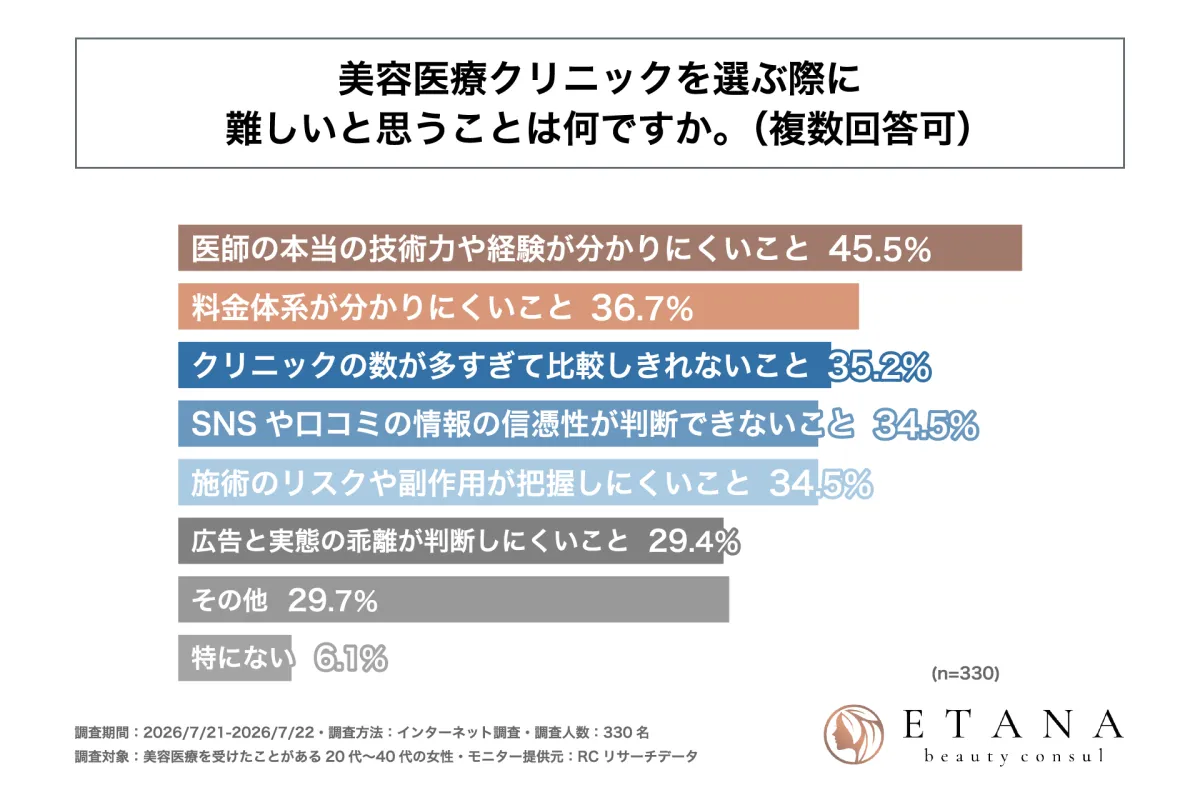
Aesthetic medicine has gained popularity among women in their 20s to 40s, with over 45% expressing difficulty in assessing the true skills and experience of doctors when selecting a clinic for treatment. This finding comes from a recent survey conducted by ETANA, a consulting firm in Japan specializing in beauty clinics. The survey targeted women who have previously undergone aesthetic procedures and aimed to illuminate their concerns and experiences related to clinic selection and service satisfaction.
Background of the Survey
In recent years, with the proliferation of aesthetic clinics and an increase in inexperienced practitioners, women seeking treatments have faced a myriad of challenges. The overwhelming amount of information available via social media adds another layer of complexity, leading many to find the selection process daunting. Recognizing these issues, ETANA sought to provide valuable insights through their survey, which highlights real voices from experienced patients.
Key Findings from the Survey
Here are some significant insights gathered from the survey:
- - Approximately 25% of women reported dissatisfaction with the services or procedures received at their last clinic visit.
- - The primary source of information guiding their clinic choice was the official website of the clinic, followed by review and comparison sites, and social media.
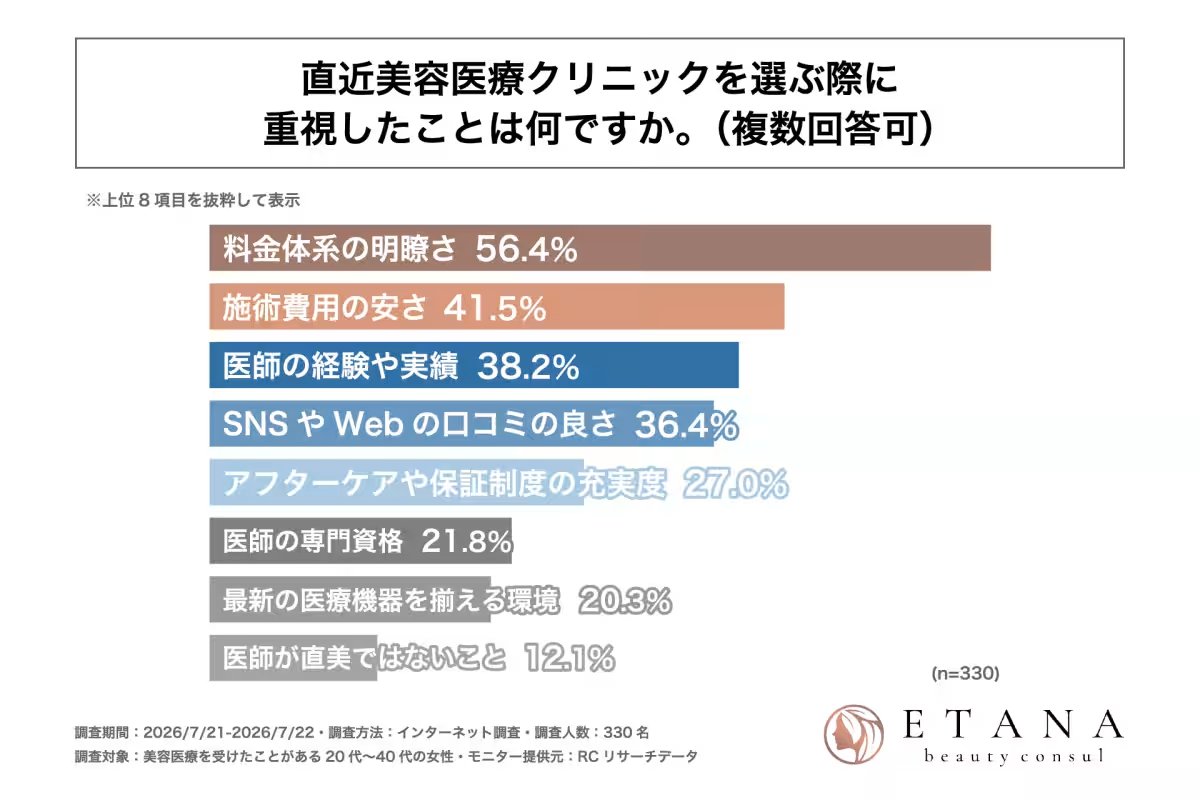
- - Top factors influencing their choice included clarity in pricing structures, affordability, and the experience and qualifications of the doctors.
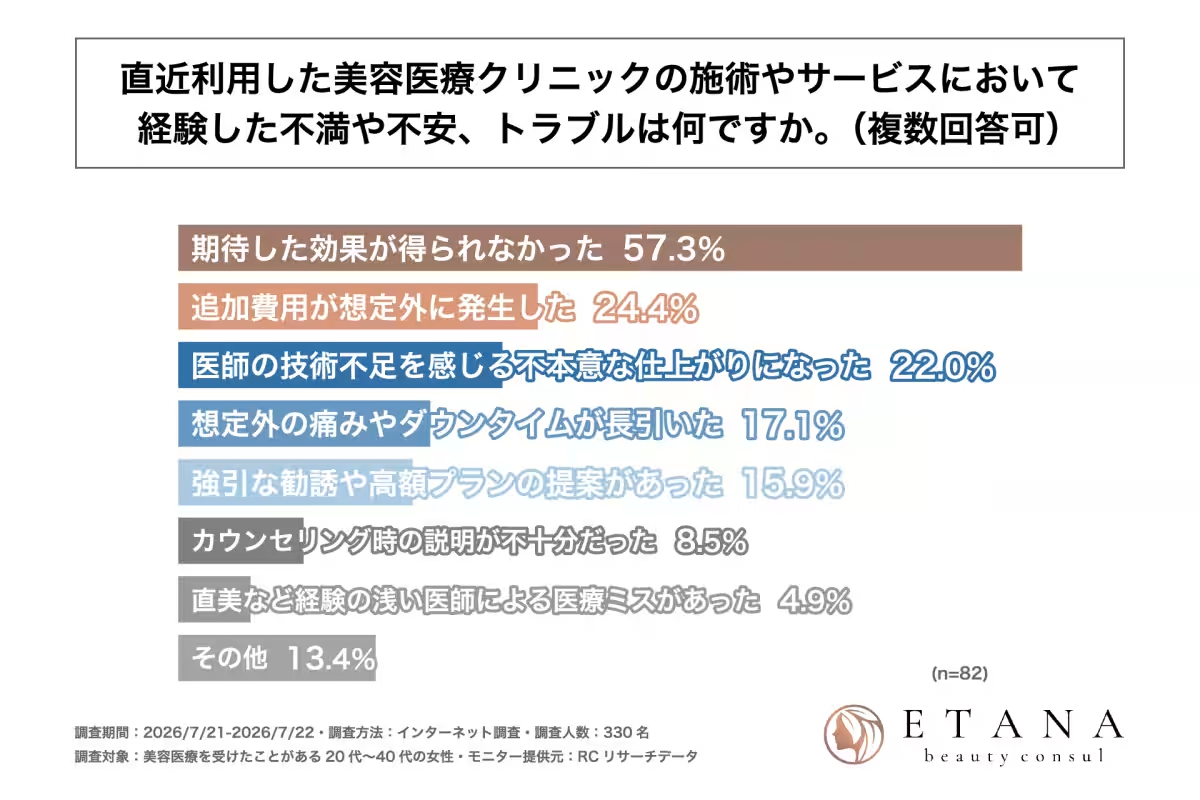
- - Among the complaints, the most frequently cited issues were not achieving the expected results, unexpected additional costs, and concerns over the skill level of their doctor, with many feeling dissatisfied with the outcomes.
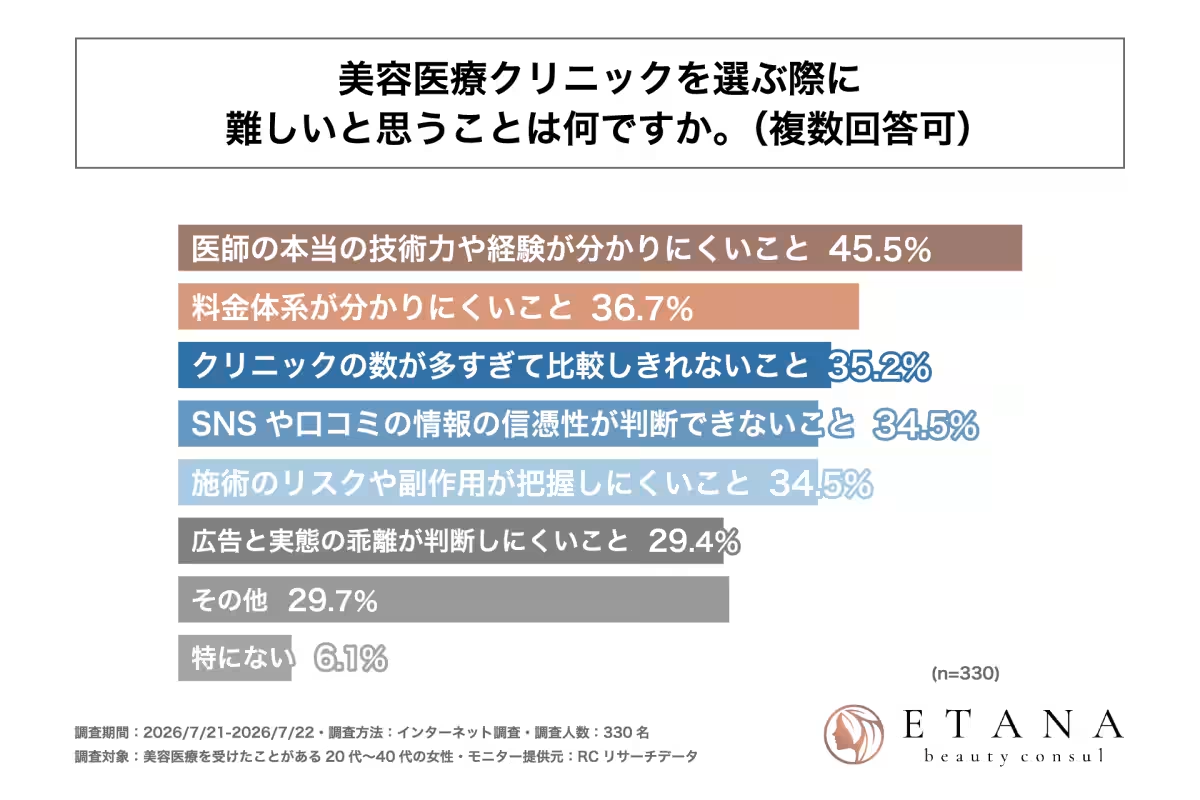
- - Over 45% of respondents found it challenging to gauge a doctor's genuine skill level and experience when choosing a clinic.
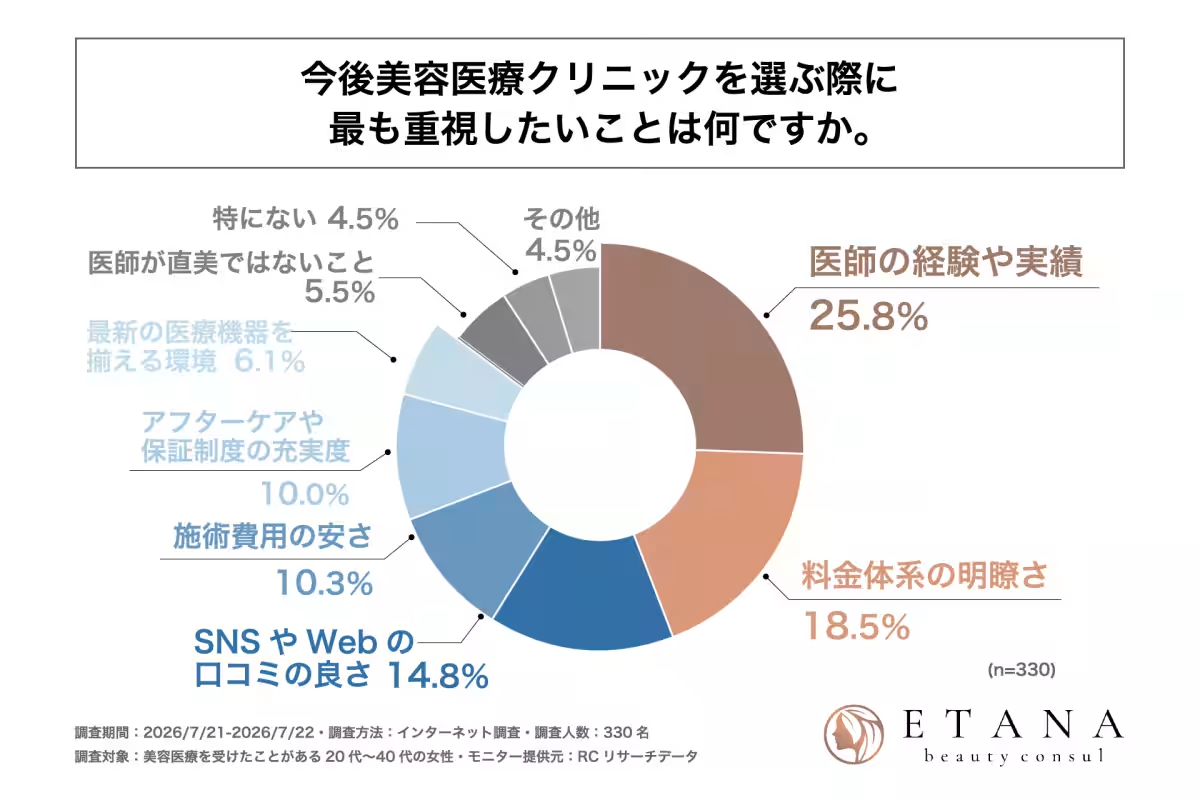
- - As they contemplate future selections, a significant number of women highlighted the importance of a doctor's experience and track record as paramount.
Detailed Analysis
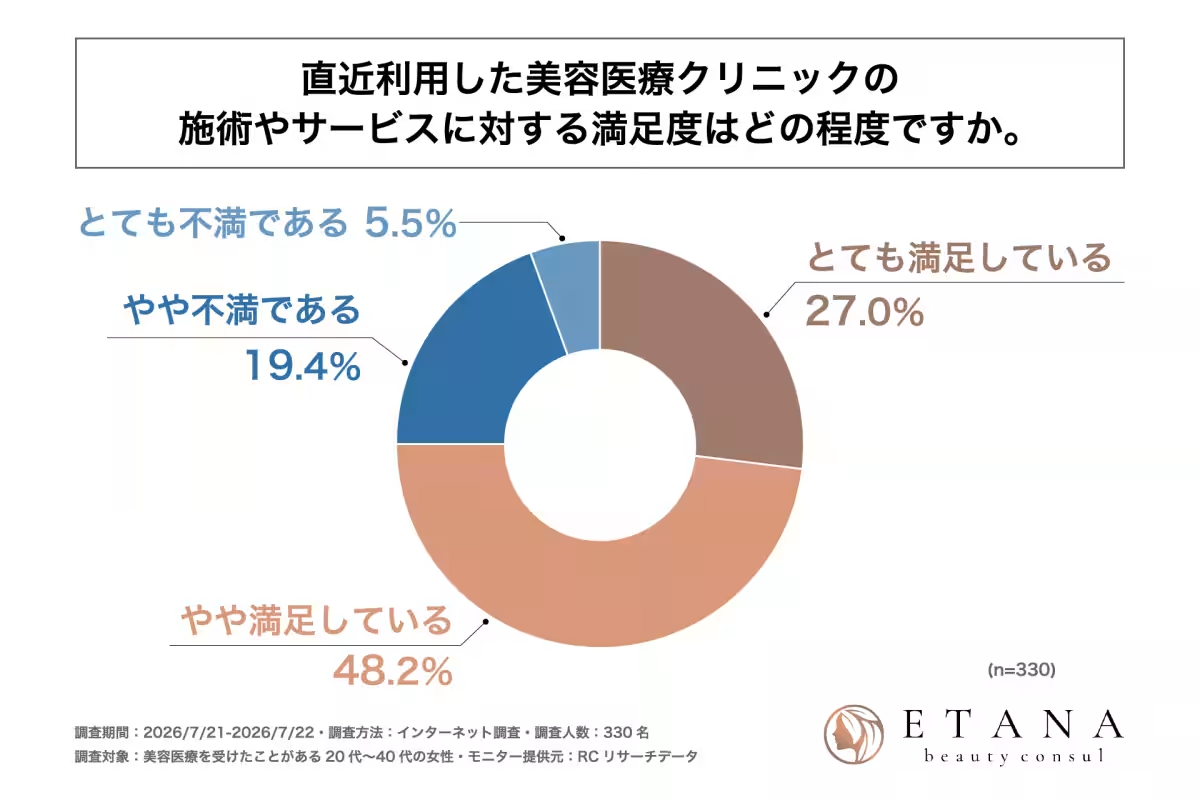
The investigation revealed a concerning trend: nearly one in four respondents expressed dissatisfaction with the services they received from their most recent aesthetic clinic. The survey results showed a breakdown in customer satisfaction metrics:
- - 48.2% reported being somewhat satisfied
- - 27.0% were very satisfied
- - 19.4% expressed some dissatisfaction
- - 5.5% were very dissatisfied
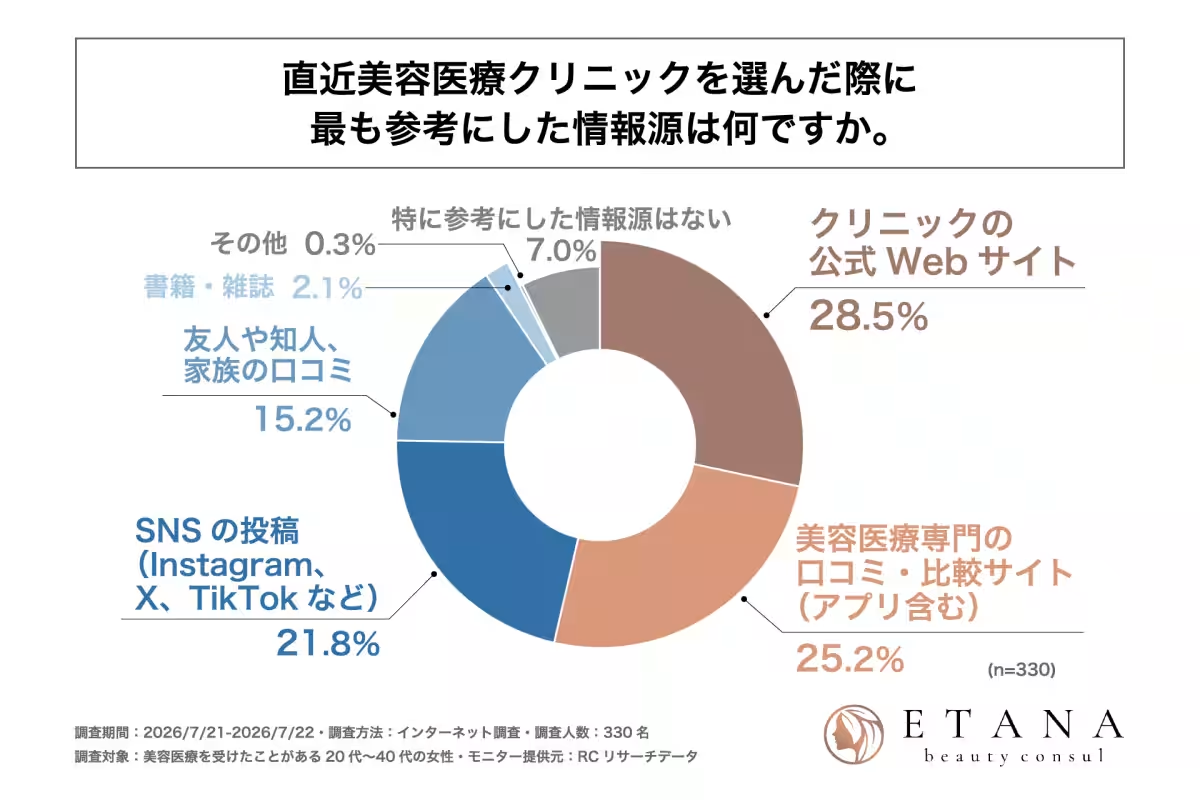
When asked where they gathered information for their clinic selection, it was clear that the clinic's official website was the most trusted source, making up 28.5% of the responses. This was closely followed by aesthetic medicine review and comparison sites at 25.2%, and social media at 21.8%. This indicates that while online resources play a crucial role in decision-making, clinics must prioritize transparent and informative websites to engage potential clients effectively.
Regarding what specifically drove their decision to pick a particular clinic:
1. Pricing Clarity: Many patients emphasized the need for clear price structures, a factor that resonated with 56.4% of respondents.
2. Cost of Procedures: Competitive pricing was also a concern for many women, cited by 41.5%.
3. Doctor’s Experience: Finally, 38.2% prioritized the qualifications of their healthcare provider, demonstrating an acute awareness of the need for proven competencies in aesthetic procedures.
Expressing frustrations related to their experiences, respondents ranked the top concerns as follows:
1. Not achieving expected results (57.3%)
2. Unexpected add-on costs (24.4%)
3. Perceived inadequacies in the physician's skills resulting in unsatisfactory finishes (22.0%)
Signs of Improvement Needed
This significant number highlights a critical area for improvement within the aesthetic medicine industry. Additionally, in response to perceived challenges in selecting clinics, over 45% of women identified the difficulty in assessing a doctor's actual skills and experience as a significant barrier. This aspect points to a transparency issue within the field that needs to be addressed systematically.
As women seek to make more informed decisions, the emphasis on evaluating a doctor’s experience and credentials is growing. In future clinic selections, 25.8% of participants indicated that this would be their primary consideration. Other factors, such as pricing clarity and positive online reviews, while still important, took a back seat to the need for knowledgeable practitioners.
Conclusion
The survey reveals a pressing need for aesthetic clinics to enhance their communication and transparency regarding medical qualifications and treatment outcomes. With women increasingly invested in informed decision-making, consultation firms like ETANA can play a vital role in supporting clinics to align their operations with patient expectations while fostering an environment of reliability and quality care. The aim is to create a landscape where patients can confidently pursue aesthetic treatments, leading to improved satisfaction and trust in the industry.



Topics Health)
【About Using Articles】
You can freely use the title and article content by linking to the page where the article is posted.
※ Images cannot be used.
【About Links】
Links are free to use.