




The Need for Parental Involvement in Children's Financial Education: Insights from recent surveys
The Challenge of Financial Education for Children
In today's rapidly evolving financial landscape, the importance of empowering children with financial literacy is more crucial than ever. A recent survey conducted by miraii focused on 401 parents of elementary school children, exploring their attitudes and experiences related to financial education at home. The findings were eye-opening, revealing not just the overwhelming consensus on the necessity for financial education but also the challenges parents face in providing this essential knowledge.
Parental Awareness
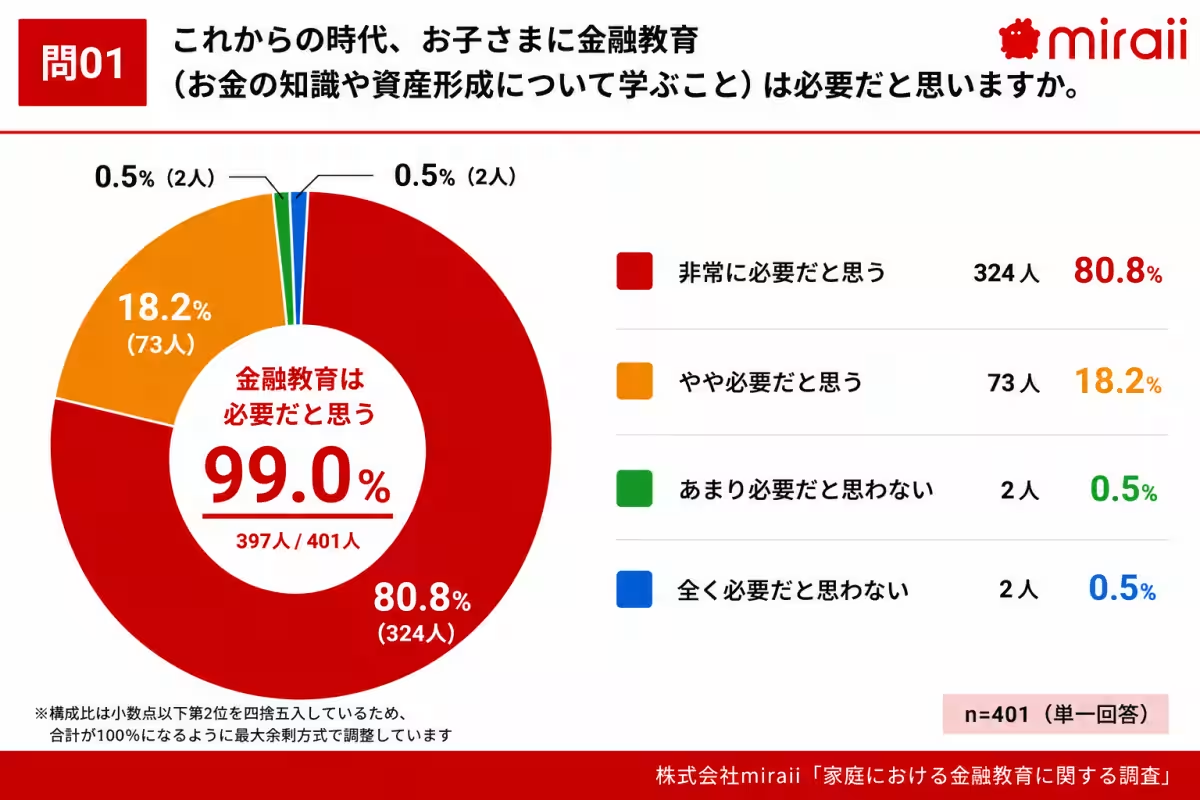
The survey indicated that an impressive 99.0% of parents believe that financial education is crucial for their children. This sentiment aligns with broader societal trends, such as the introduction of mandatory financial education in high schools and the launch of new investment accounts like the new NISA in Japan. It highlights a significant understanding among parents that equipping children with financial knowledge is imperative, serving not only to enhance their financial literacy but also to prepare them for future financial independence.
Confidence Gaps
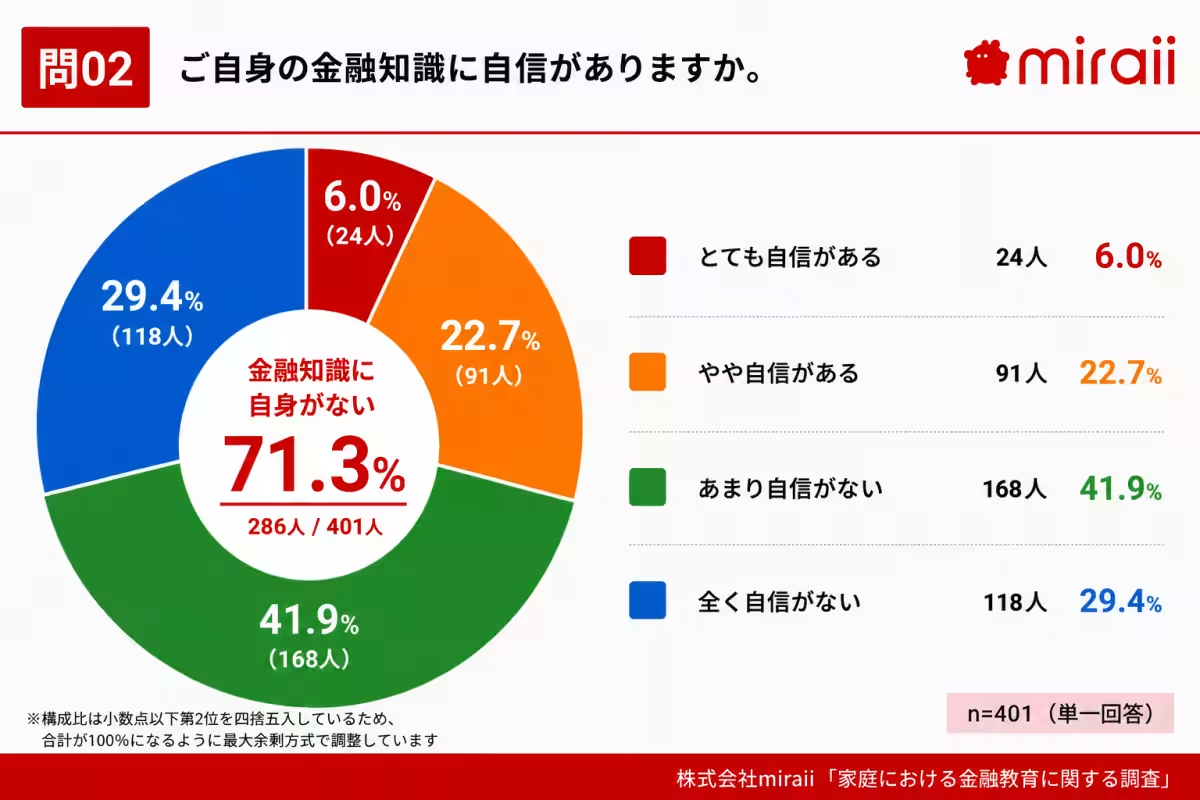
However, despite the strong belief among parents in the importance of financial education, a notable 71.3% reported feeling uncertain about their own financial knowledge. This stark contrast illustrates a considerable gap: parents recognize the necessity of financial education but often lack the confidence to teach it effectively. Many parents expressed feelings of inadequacy regarding what they should teach and whether they possess the correct knowledge to do so.
Limited Learning Opportunities
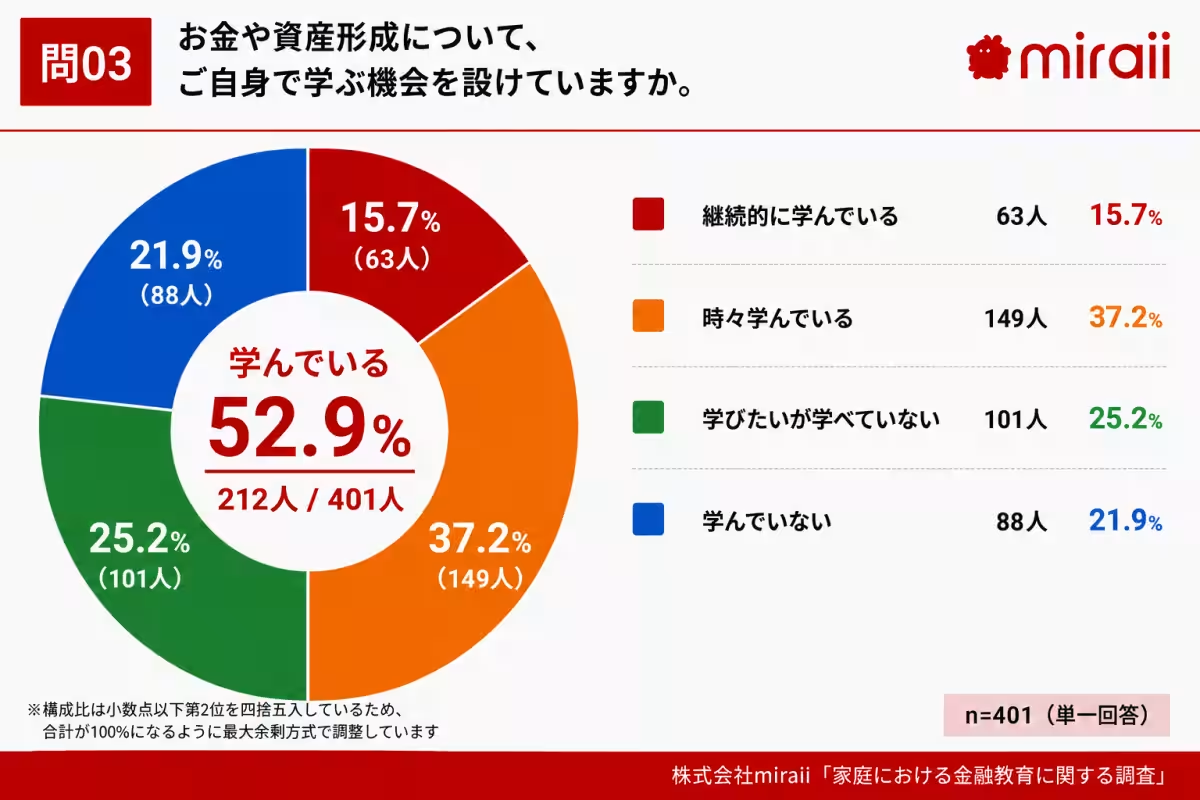
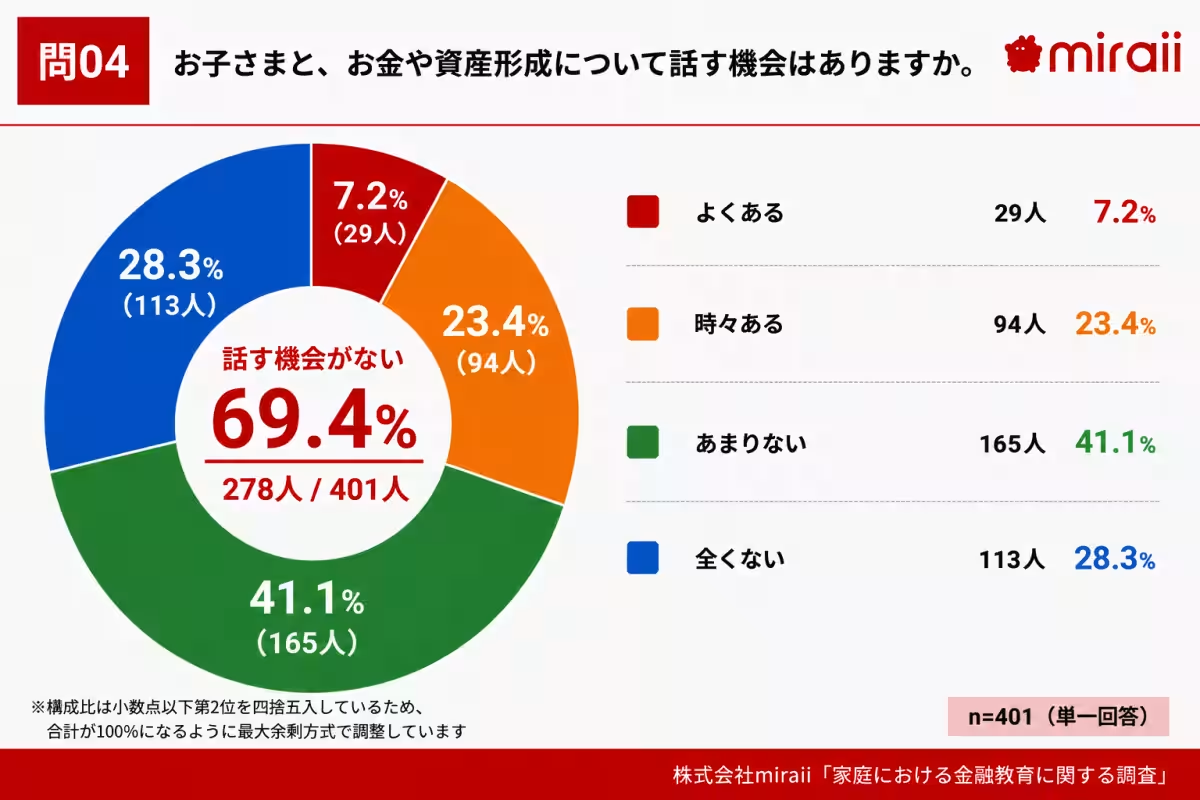
When asked about their own learning on financial matters, the survey revealed that approximately 47.1% of parents feel they are not receiving sufficient education on financial topics, which exacerbates the challenge of teaching their children. This reflects a wider trend that emphasizes the need for parents to develop their financial literacy concurrently with their children. Unfortunately, over two-thirds (69.4%) of parents admitted to rarely discussing financial matters at home, indicating a cultural reluctance to engage in money-related conversations.
Current Educational Practices
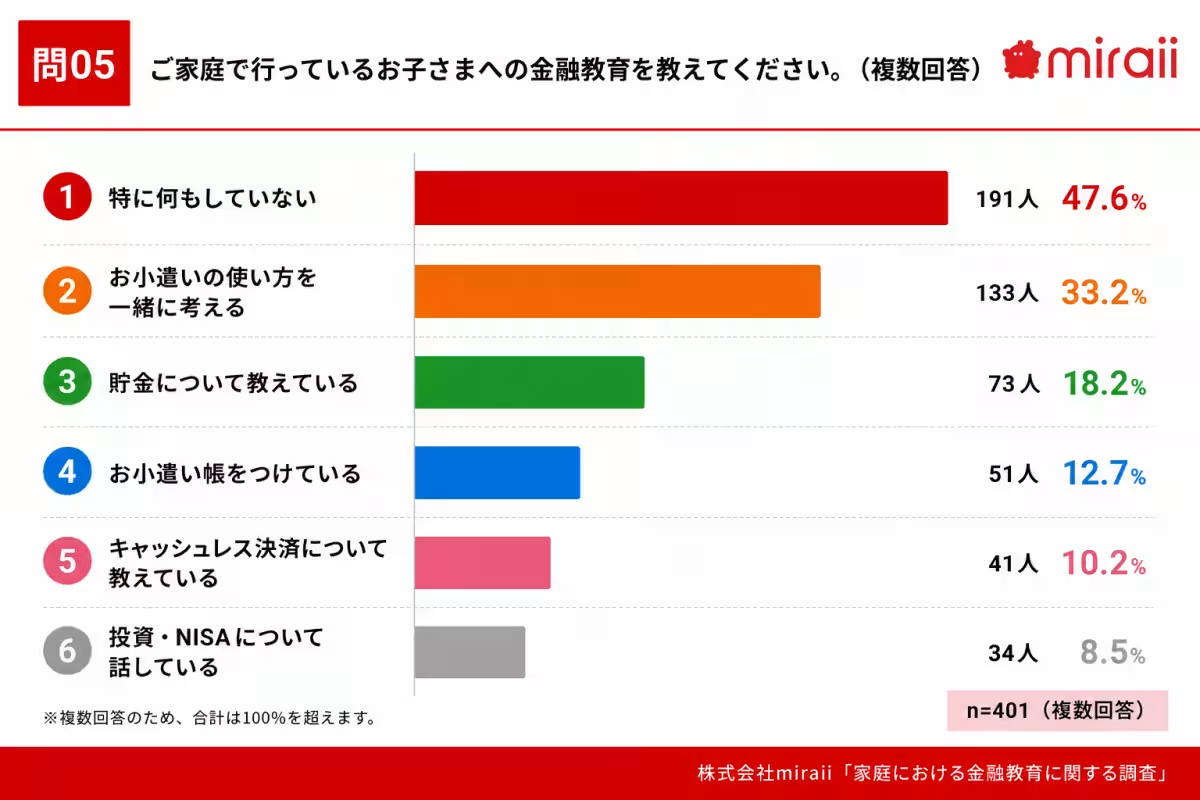
Interestingly, when asked how they are teaching their children about finances, a staggering 47.6% of parents responded that they are doing nothing specific to impart financial education. Their approach seems to focus more on everyday encounters with money, like providing allowances or discussing savings and shopping. However, this informal teaching style suggests a need for a more structured approach, as many families are not implementing distinct financial education strategies.
Beyond School Education
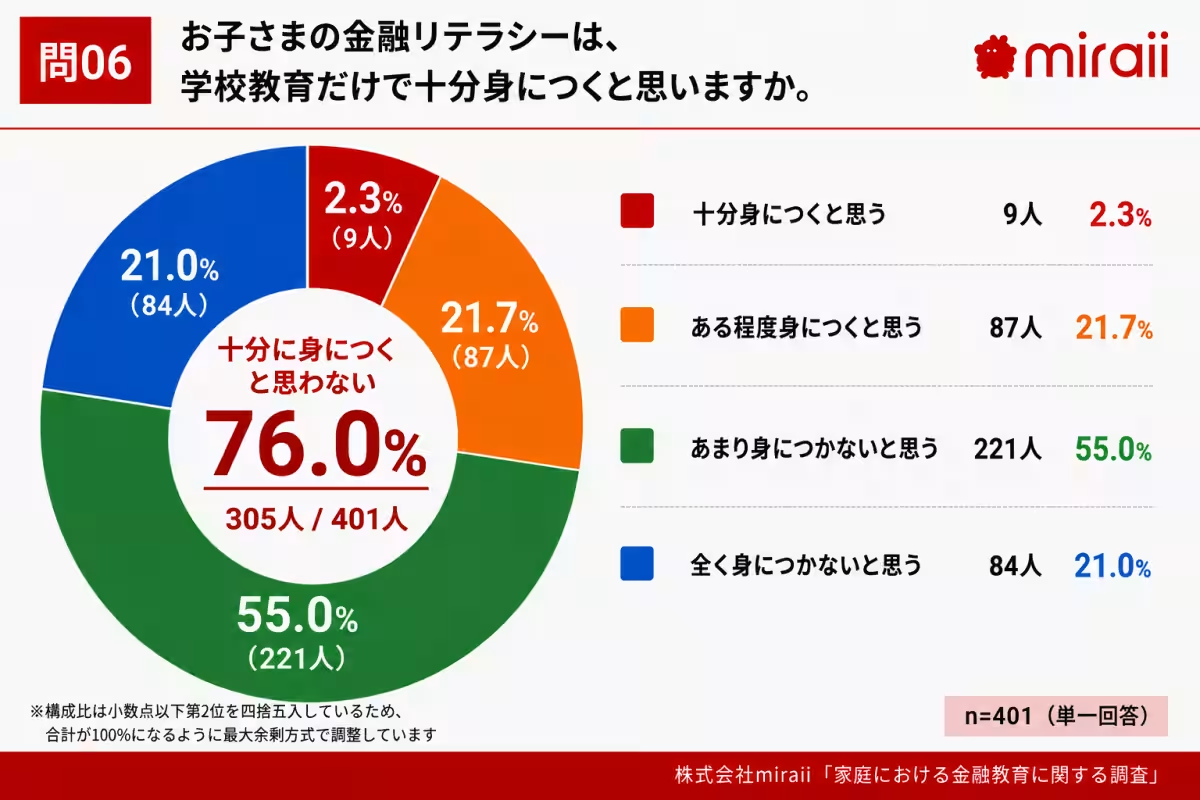
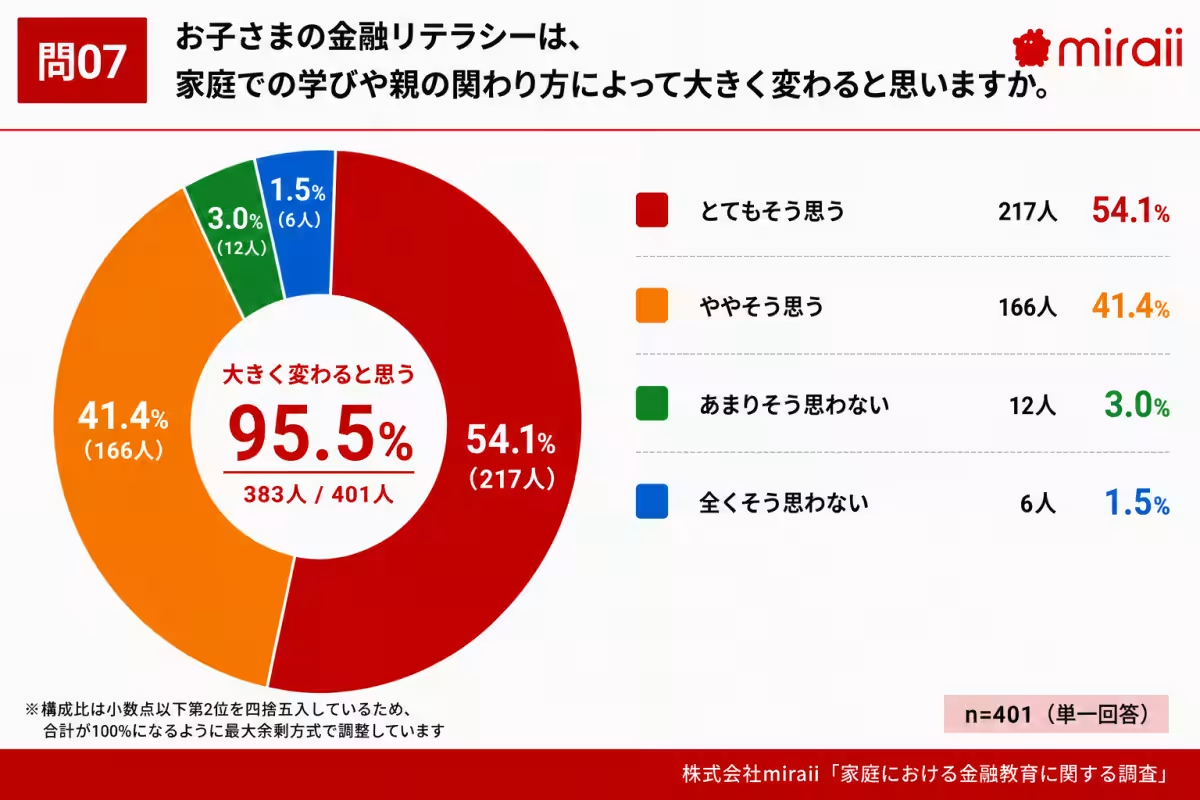
A significant 76.0% of parents believe that financial literacy cannot solely be obtained through school education, advocating for greater involvement from families in this aspect of learning. Parents understand that the discussions and experiences provided at home significantly influence their children's financial literacy. Furthermore, 95.5% acknowledge that parental engagement plays a crucial role in developing a child's financial understanding.
The Importance of a Shared Learning Attitude
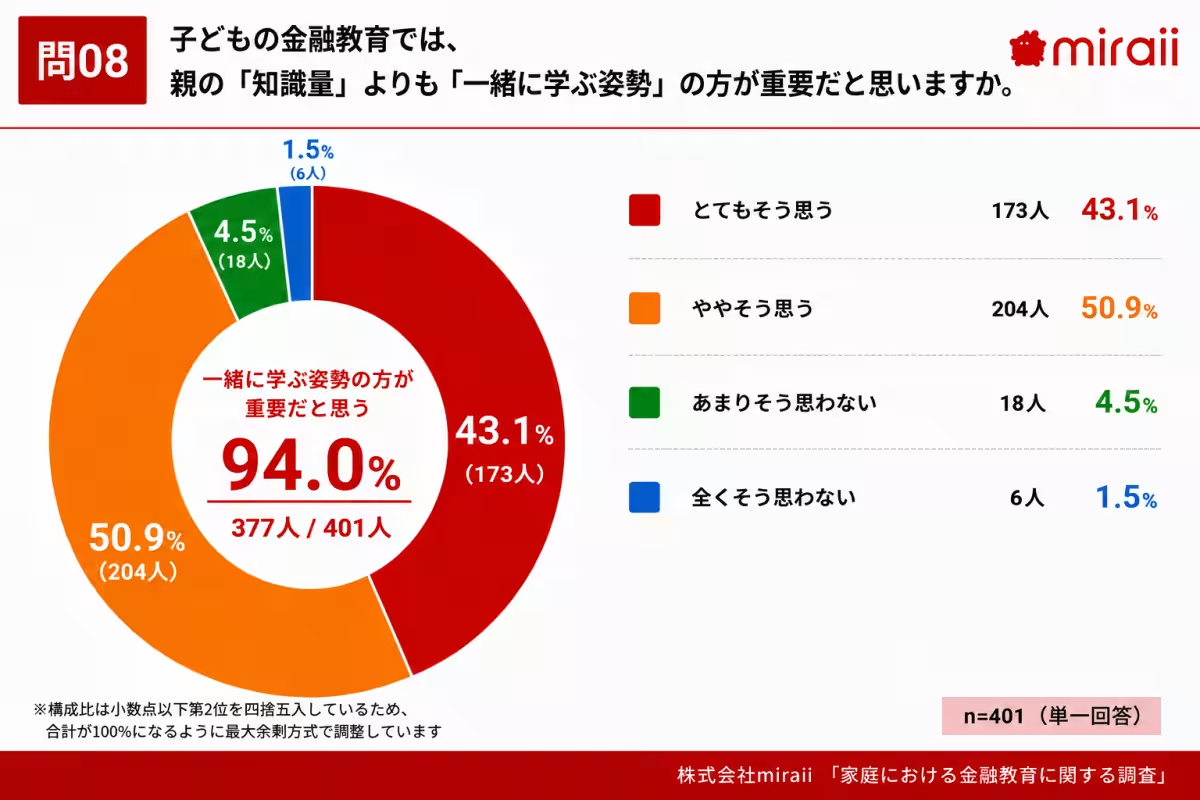
There is a consensus amongst parents that fostering a mindset of shared learning is more important than possessing extensive financial knowledge. A remarkable 94.0% indicated that a collaborative learning approach between parent and child is crucial for effective financial education. This indicates that many parents wish to learn together with their children, rather than just conveying information, fostering a supportive learning environment in which both parties grow.
Demand for Resources
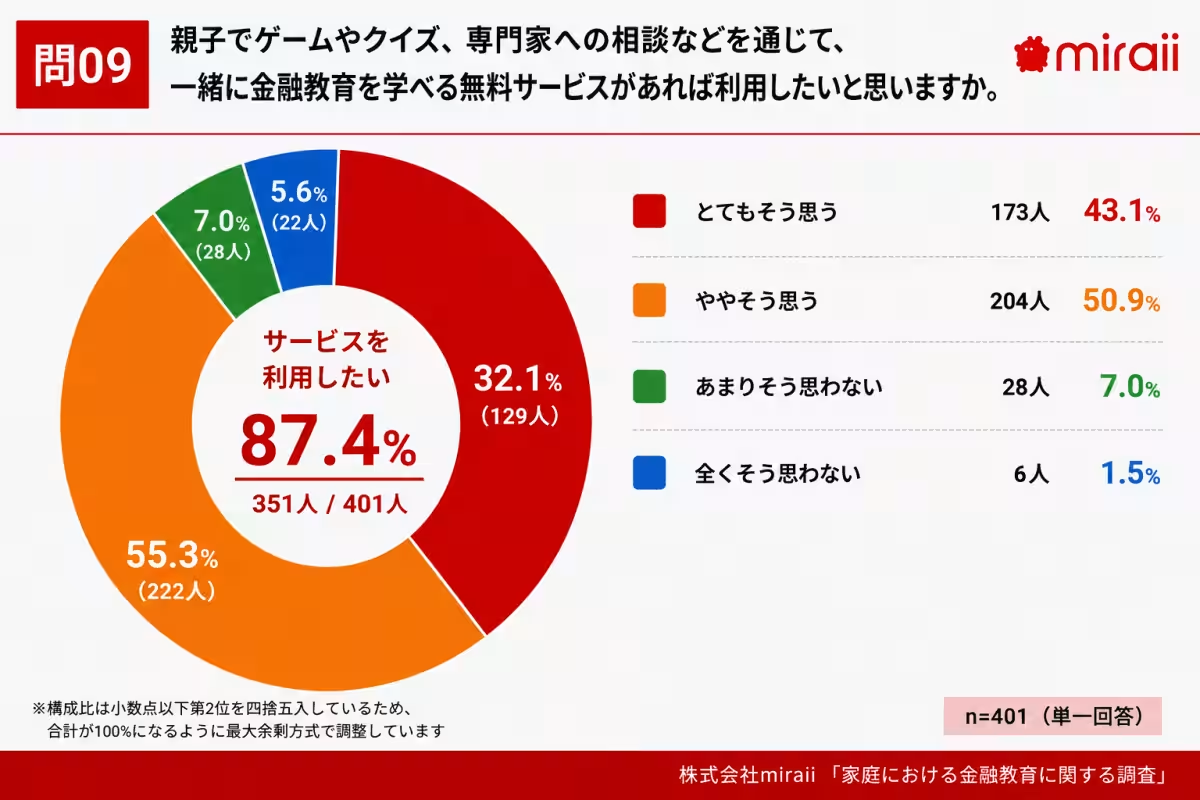
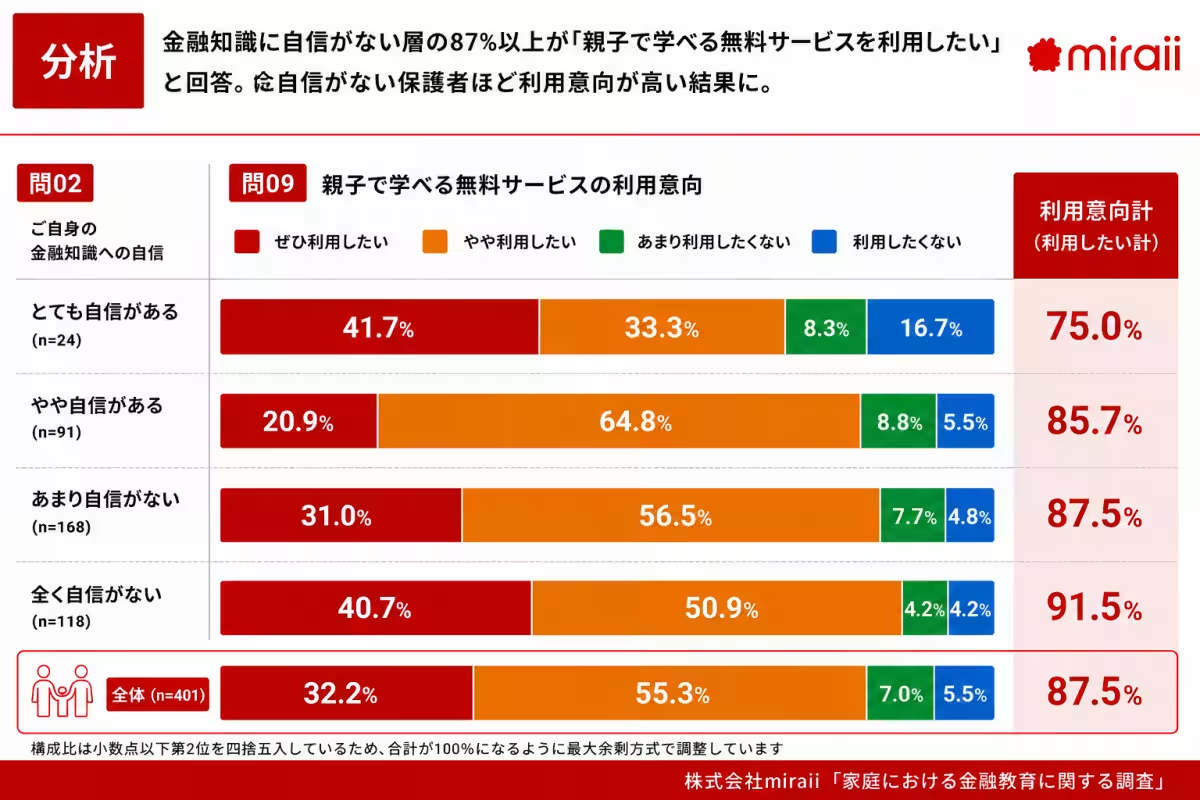
Additionally, 87.4% of parents expressed a strong interest in utilizing free resources designed for collaborative learning, such as games and quizzes about finances. This highlights a significant demand for accessible educational tools that can facilitate a more engaging and fun financial learning experience for families. Parents are particularly eager to find help to overcome their own knowledge gaps and to gather more confidence in teaching these essential skills to their children.
Conclusion
The findings of this survey are a wake-up call, emphasizing that while parents see the value in teaching financial literacy, many struggle with self-doubt regarding their own knowledge. This gap suggests an urgent need for comprehensive programs that offer parents the tools and confidence needed to teach their children about finances. By establishing a supportive environment where families can learn together, we can help ensure that future generations are better equipped to navigate their financial futures with confidence.
At miraii, our mission is to create opportunities for families to enjoy learning financial literacy together, ultimately striving to build a society where children acquire the essential skills to harness the power of money.
Company Overview
- - Company Name: miraii Co., Ltd.
- - Founded: November 22, 2018
- - Representative: Hiroya Fukuda, CEO
- - Location: 101 Emute Kyobashi, 3-4-12 Hachobori, Chuo City, Tokyo
- - Official Website: miraii.co.jp
- - Business Focus: Development and operation of interactive educational platforms and resources aimed at enhancing financial literacy and skills for children and parents.

Topics People & Culture)


【About Using Articles】
You can freely use the title and article content by linking to the page where the article is posted.
※ Images cannot be used.
【About Links】
Links are free to use.