



How Generation Z is Redefining Retail: Insights from a Recent Study on Their Shopping Habits
Understanding the Shopping Habits of Generation Z
Recent research conducted by COUNTERWORKS, alongside Waseda University, reveals significant insights into the shopping behaviors of Generation Z, particularly those aged 18 to 24 residing in the Tokyo metropolitan area. The findings, drawn from a survey of 497 participants, delve into their motivations for visiting retail spaces, the factors that enhance their experiences, and the impact of pop-up stores on their shopping decisions.
Key Findings from the Research
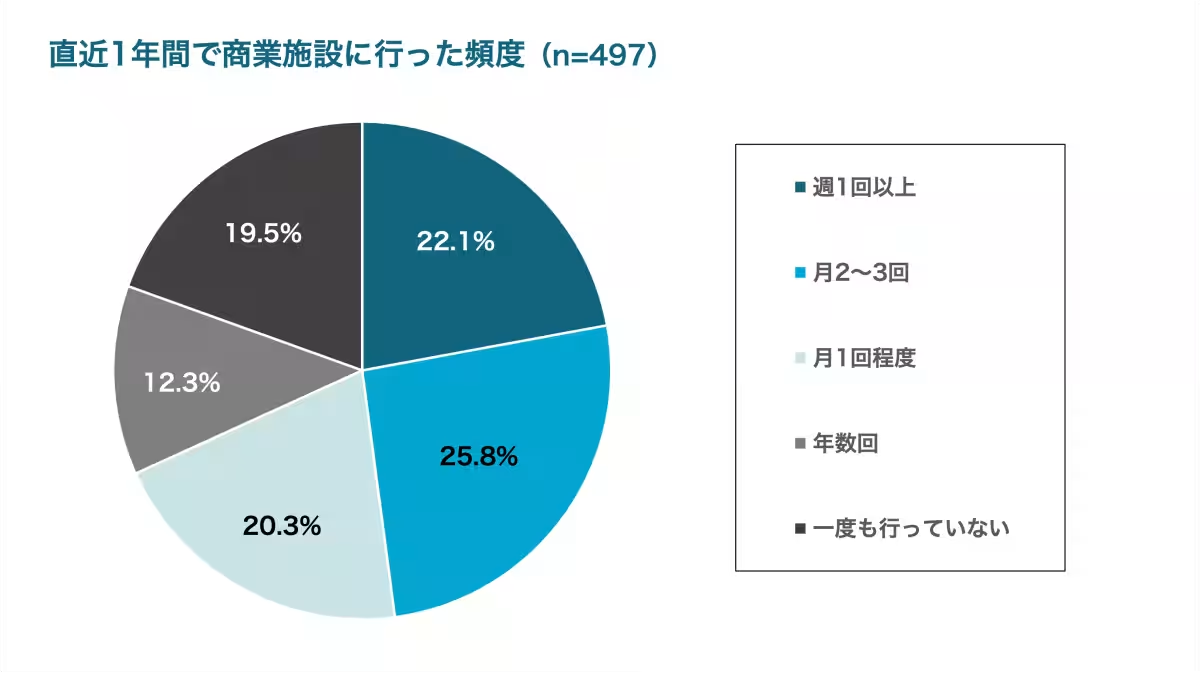
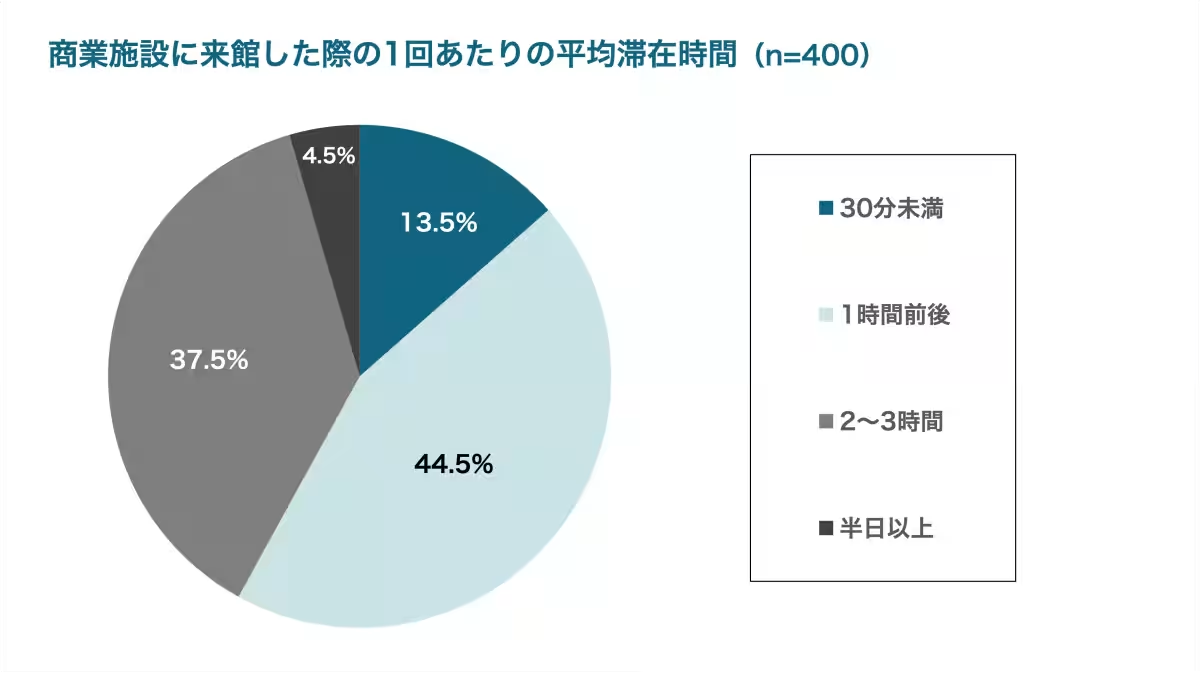
The results showcase a predominant trend in which over 70% of respondents visit retail facilities at least once a month, often spending around one hour on average during each visit. This reflects a preference for short, efficient shopping experiences rather than extended stays.
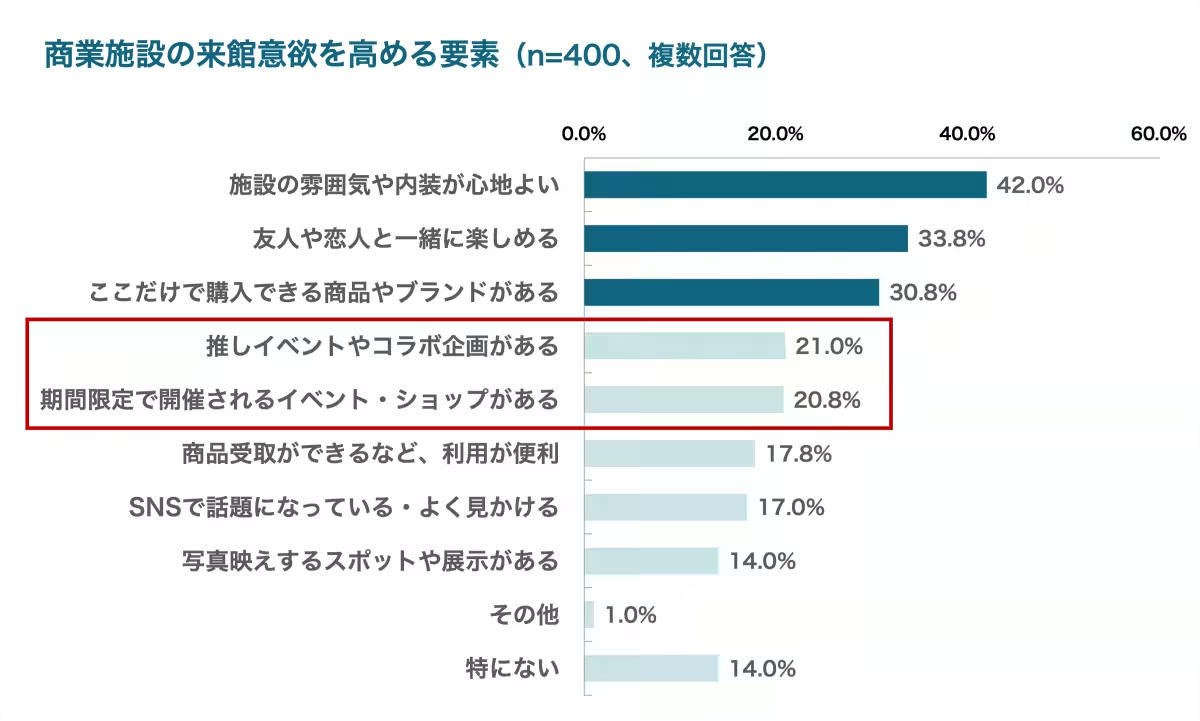
Interestingly, while shopping and dining are primary motivators for visiting these facilities, the presence of pop-up stores significantly engages this demographic, encouraging longer stays. Additionally, 42% of respondents cited a pleasant ambiance as a critical factor in their willingness to visit, while 20% noted that exclusive events and limited-time offerings were also major draws.
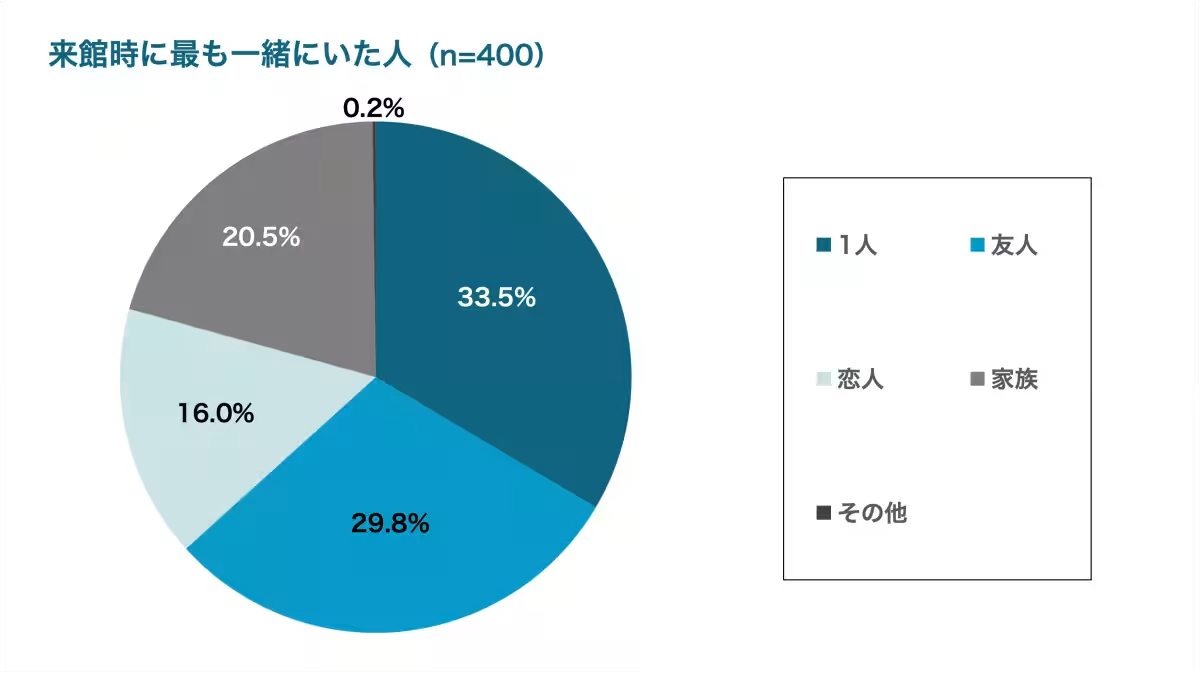
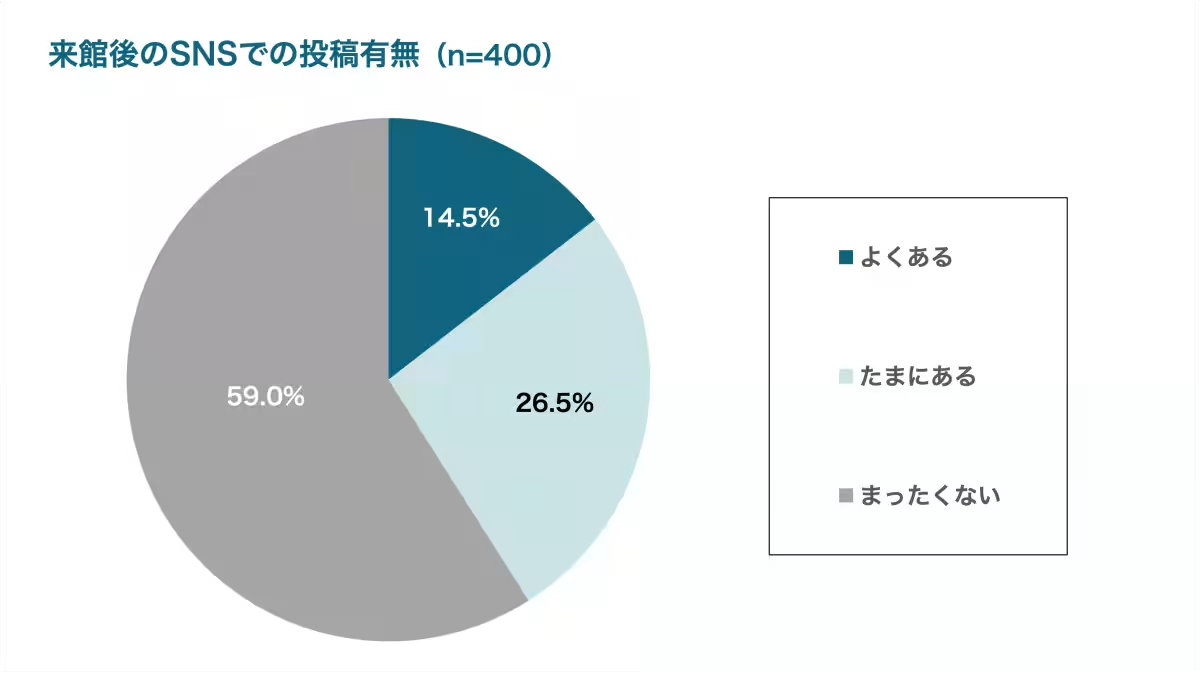
Furthermore, companionship plays a vital role, with over 60% of visits occurring with friends or family, and 41% of respondents sharing their experiences on social media. This indicates a desire for shared experiences, which is crucial in influencing their shopping behaviors.
Desire for Enhanced Retail Experiences
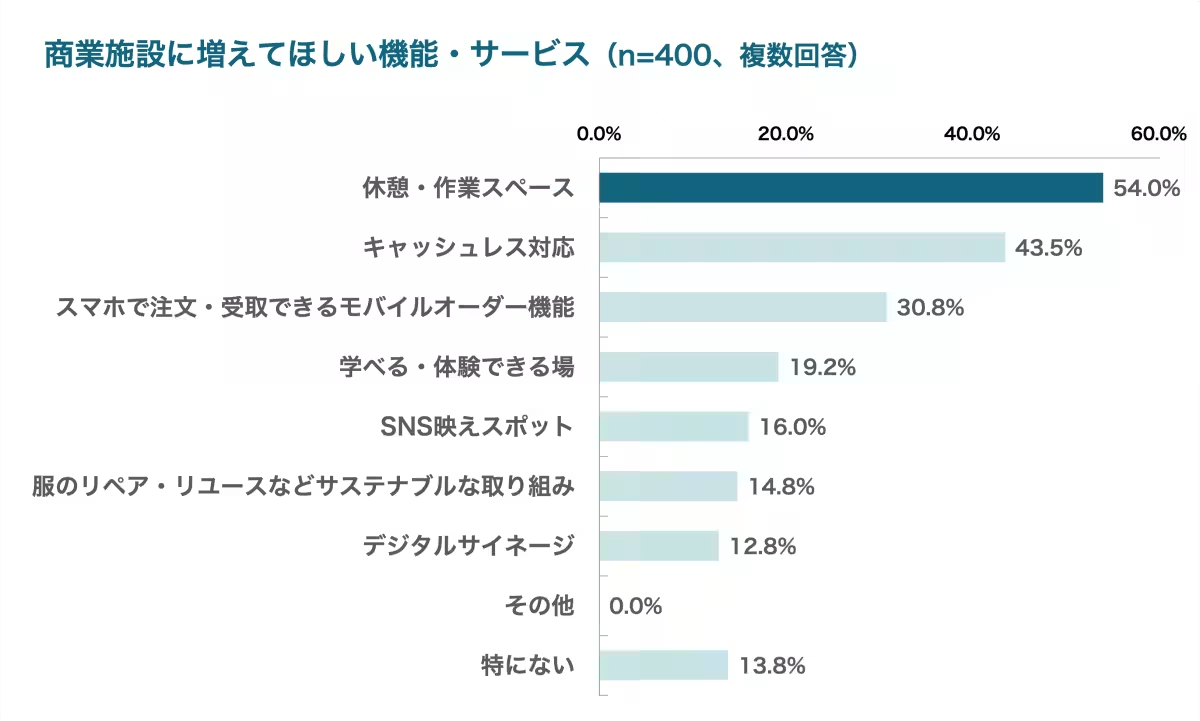
The survey explored what Generation Z wishes to see more of in retail spaces. Key preferences included comfortable resting areas for working or relaxing, mobile ordering capabilities, and picturesque spots suitable for social media. These findings emphasize that this generation values not only practicality but also relatable and visually appealing retail environments.
Retail Frequency and Duration of Visits
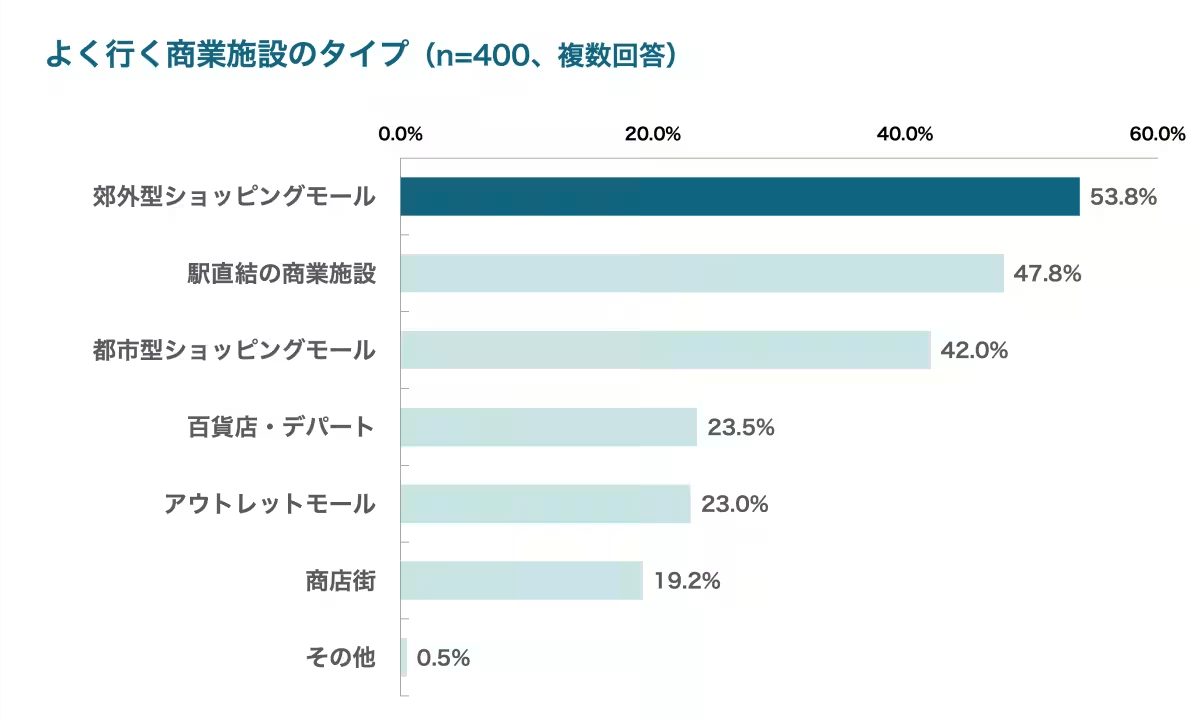
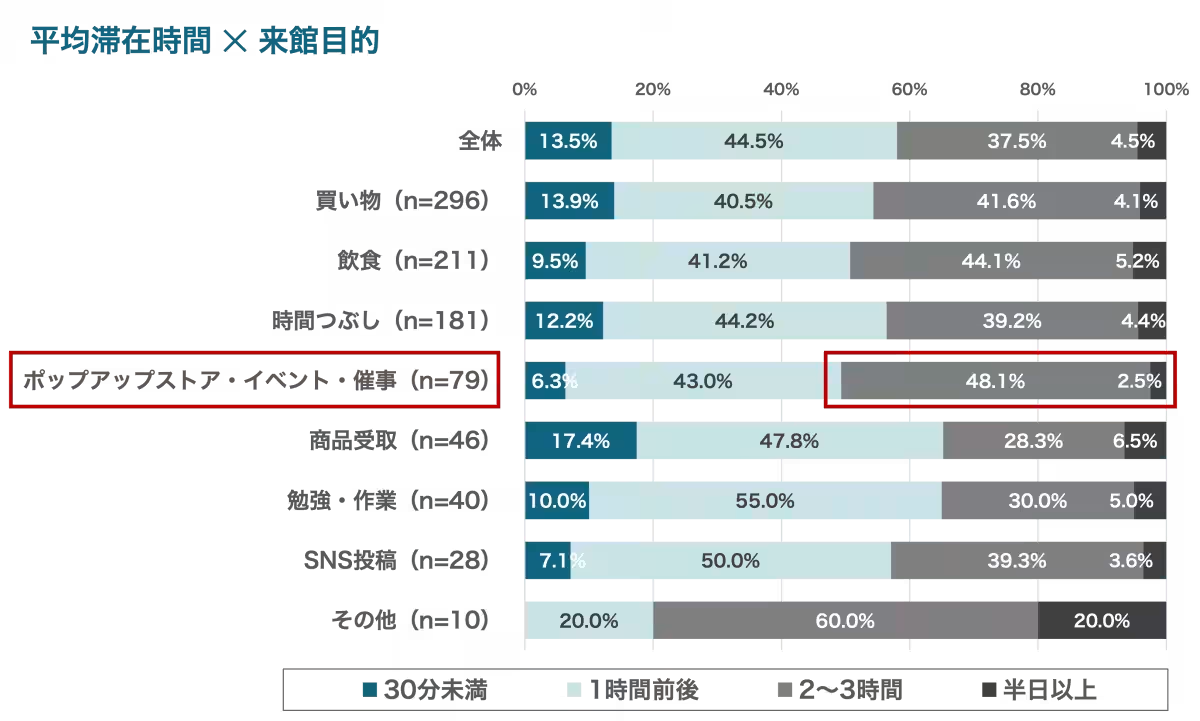
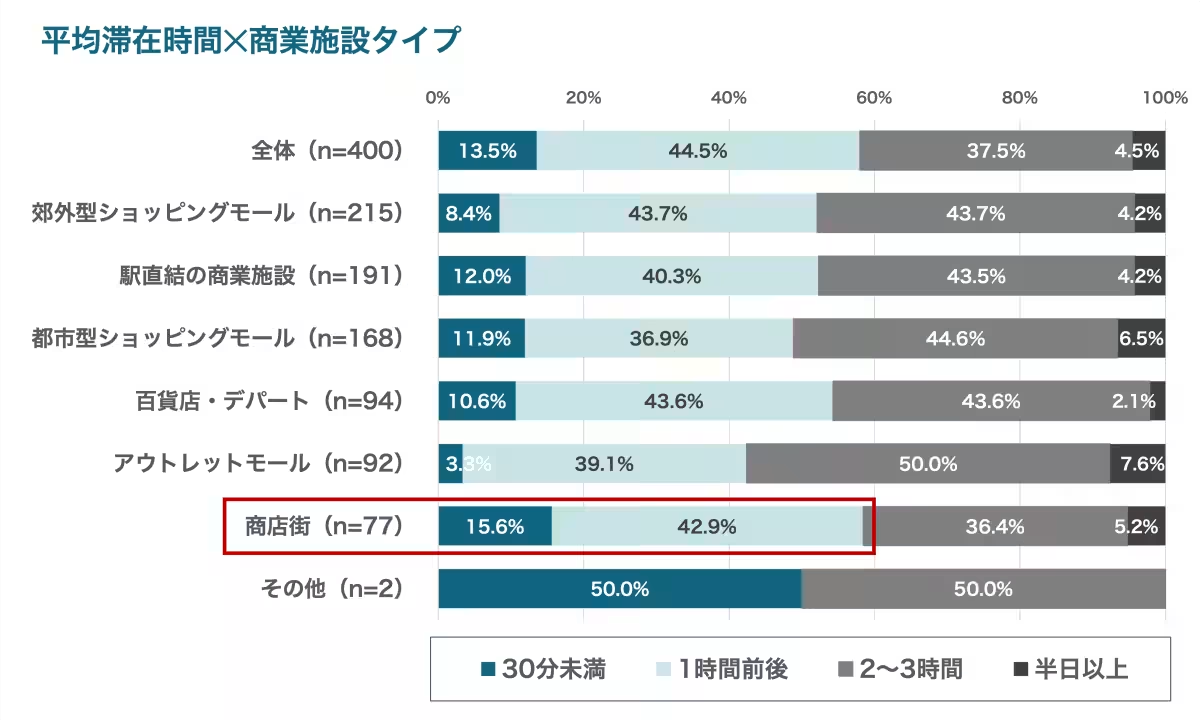
Both shopping malls and direct-access retail complexes are popular among Generation Z. The average stay differs by type of venue, with shopping streets seeing a substantial portion of visitors staying for 30 minutes to one hour, while outlet malls tend to attract individuals who spend two to three hours enjoying the offerings. When analyzing the purpose of visits, pop-up stores and events lead to significantly longer stays compared to traditional shopping activities, thus showcasing the importance of experiential offerings in attracting this age group.
Collaborative and Exclusive Offerings
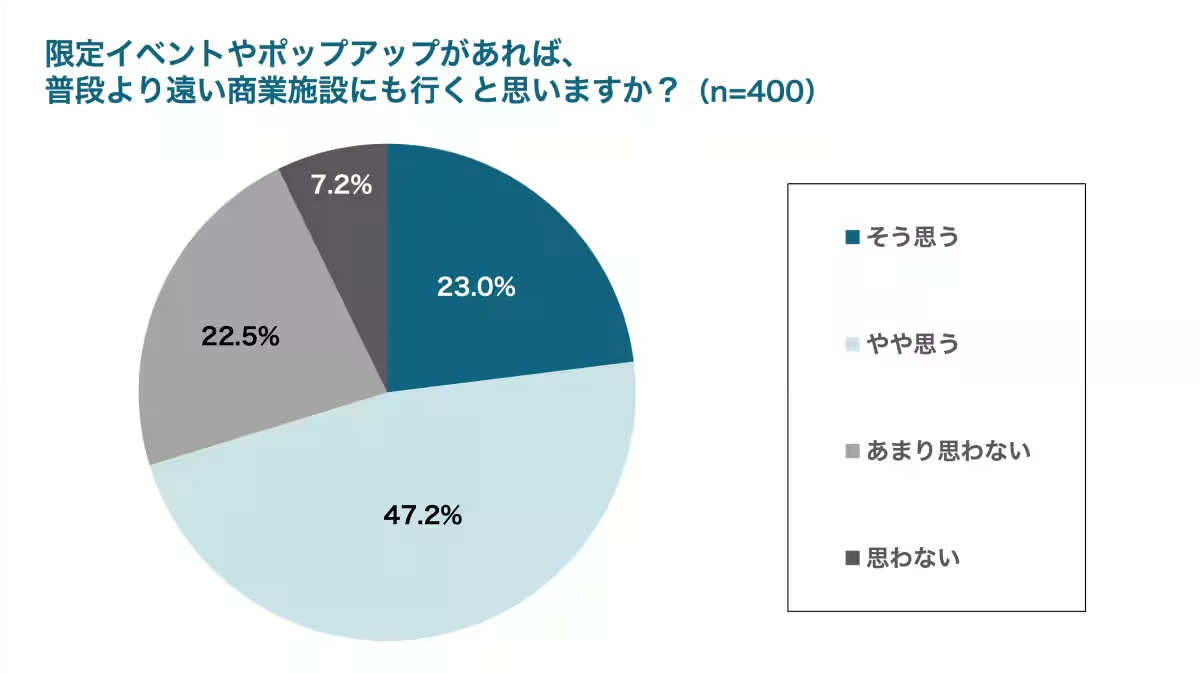
Establishing collaborative events and exclusive offerings proved to heighten the appeal dramatically among Generation Z. Faced with the choice of attending a pop-up or collaborative event, nearly 70% expressed willingness to travel further for such experiences. This highlights the value of unique offerings for this generation, prompting them to seek out retail experiences that provide more than just shopping.
The Importance of Companion Visits and Social Sharing
Accompanying friends or family is common for nearly 66% of participants, despite the fact that 33% visited alone. The inclination to share visits on social media further emphasizes a social engagement facet, where shared experiences enhance the desire to participate in retail activities. By connecting these visits to events and pop-ups, retailers can potentially foster an environment that encourages more interaction within their spaces.
Expectations from Retail Spaces
Survey respondents indicated a strong preference for practical services like relaxing spaces and cashless payment options within retail environments. A notable portion also expressed interest in sustainable practices, such as clothing repair and reuse programs. Generation Z's focus on efficiency and comfort, coupled with their desire for self-expressive experiences, suggests that retailers must adapt and evolve to meet their unique needs.
Expert Commentary
According to Yuichiro Nakahara, CEO of Counterworks, user-generated content (UGC) acts as a driving force in enhancing retail experiences for Generation Z. The relationship between physical visits and online sharing is increasingly intertwined, and pop-up stores and collaborative events play a pivotal role in this connection. Retailers need to design environments that facilitate UGC and provide comfortable spaces where this generation can feel at ease.
Takuon Sakabe, representative of the Waseda University Shopping Mall Research Group, highlights the paradox in Generation Z's retail behavior: while they prefer efficient shopping, they also prioritize experience and shared enjoyment over mere utility. The dual emphasis on efficiency and experiential value indicates a complex relationship that retailers must navigate to remain relevant.
As the shopping landscape continues to evolve, understanding these emerging behaviors will be crucial to delivering the experiences Generation Z craves. Retailers must prioritize unique, memorable experiences to capture their attention and loyalty effectively.
About the Waseda University Shopping Mall Research Group
Established in 2024, this group is committed to exploring various aspects of commerce through a multi-disciplinary lens, aiming to present innovative insights into the shopping experience. Their upcoming participation in the Waseda Festival will showcase this commitment through engaging workshops and exhibitions.
Topics Consumer Products & Retail)
【About Using Articles】
You can freely use the title and article content by linking to the page where the article is posted.
※ Images cannot be used.
【About Links】
Links are free to use.