



How Energy Savings in Our Bodies Can Lead to Summer Weight Gain
The Rising Heat and Energy Consumption
Recent trends indicate that summers are becoming increasingly severe, with the meteorological agency introducing a new term, "extreme heat day," to define days when temperatures exceed 40°C. Forecasts suggest that summer 2026 could be hotter than average, leading to concerns about how these rising temperatures affect our bodies, particularly when it comes to energy consumption and weight management.
As temperatures rise, many people find themselves less active, often leading to concerns about considerable weight gain during the summer months. To address these growing worries, Glico has focused on developing a "body that is less likely to gain weight," by emphasizing the importance of "resting energy expenditure" in daily life. Understanding and incorporating habits that promote energy expenditure can be essential in maintaining a healthy lifestyle throughout the summer.
Understanding Energy Consumption Changes in Summer
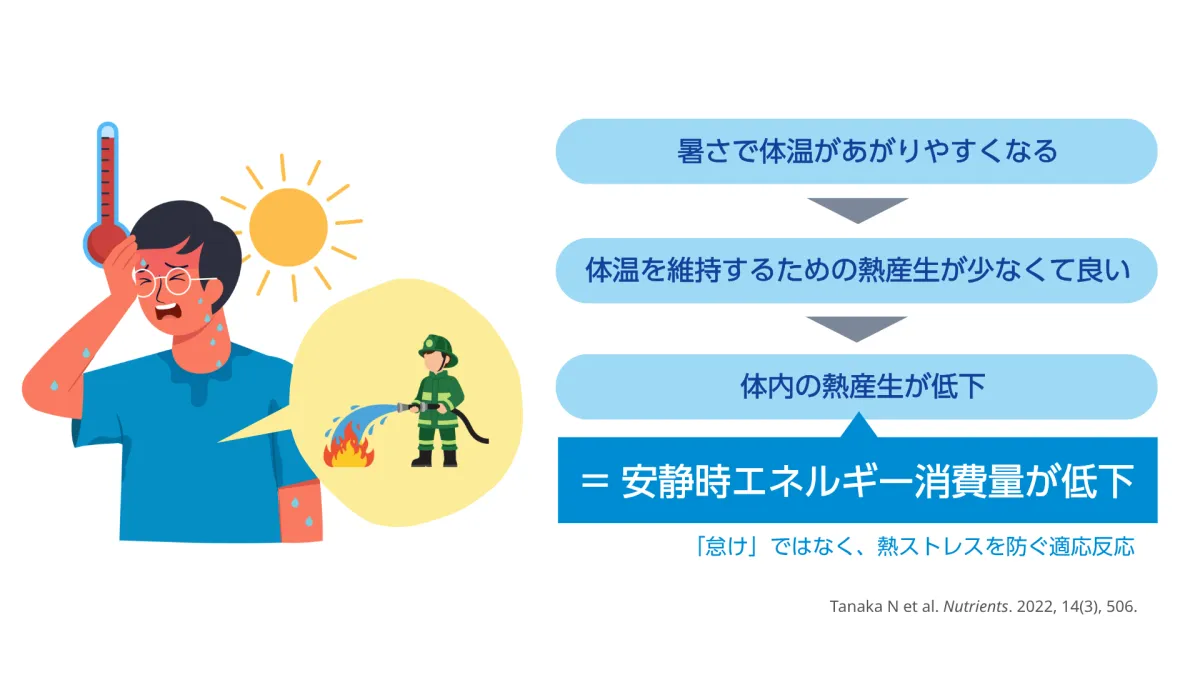
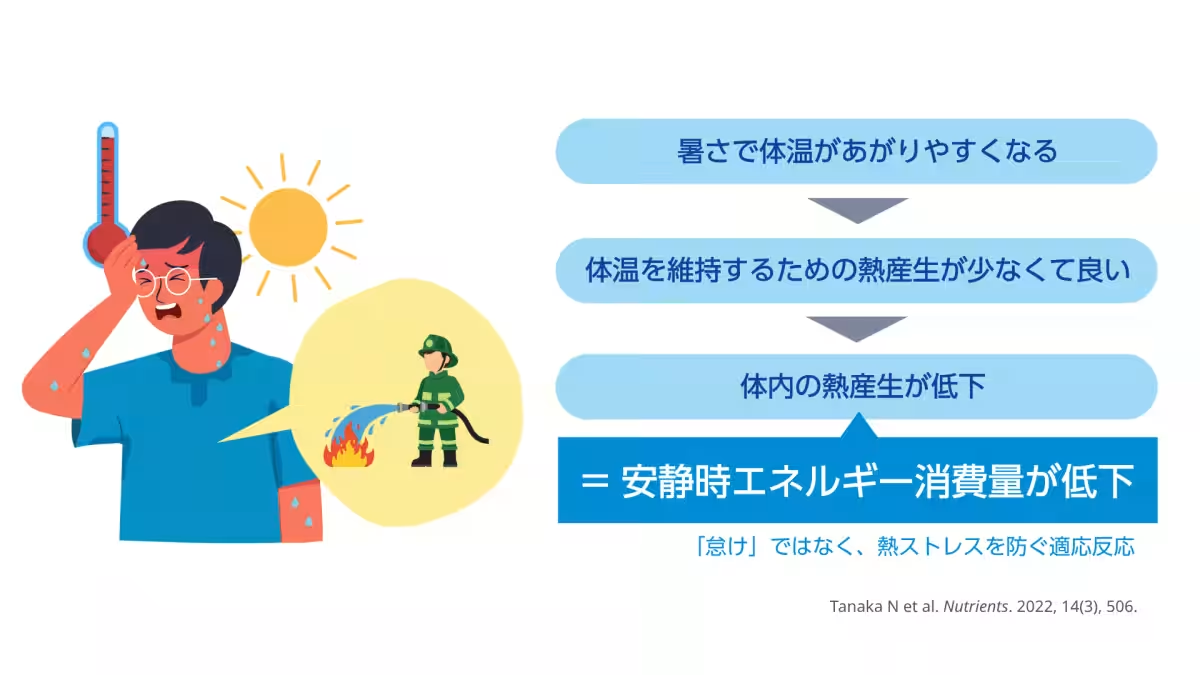
With predictions indicating a hotter than average summer in 2026, it is crucial to recognize how our bodies respond to these changing conditions. One significant response is the reduction in heat production within our bodies as external temperatures rise. When temperatures soar, the body requires less energy to produce heat, thus leading to a decrease in basal energy requirements, including activities such as breathing and organ functions, which are part of resting energy expenditure.
Moreover, the increased risk of heat stress often results in people preferring to stay indoors and consequently reducing their level of physical activity. Therefore, a significant drop in daily energy expenditure can occur due to inactivity. Combined, these factors contribute to an overall decrease in daily energy expenditure, suggesting that our bodies may enter an energy-saving state during the summer months. This could elevate the risk of summer weight gain as energy intake may not be adjusted accordingly, highlighting the importance of maintaining energy consumption during this season.
Importance of Resting Energy Expenditure in Daily Life
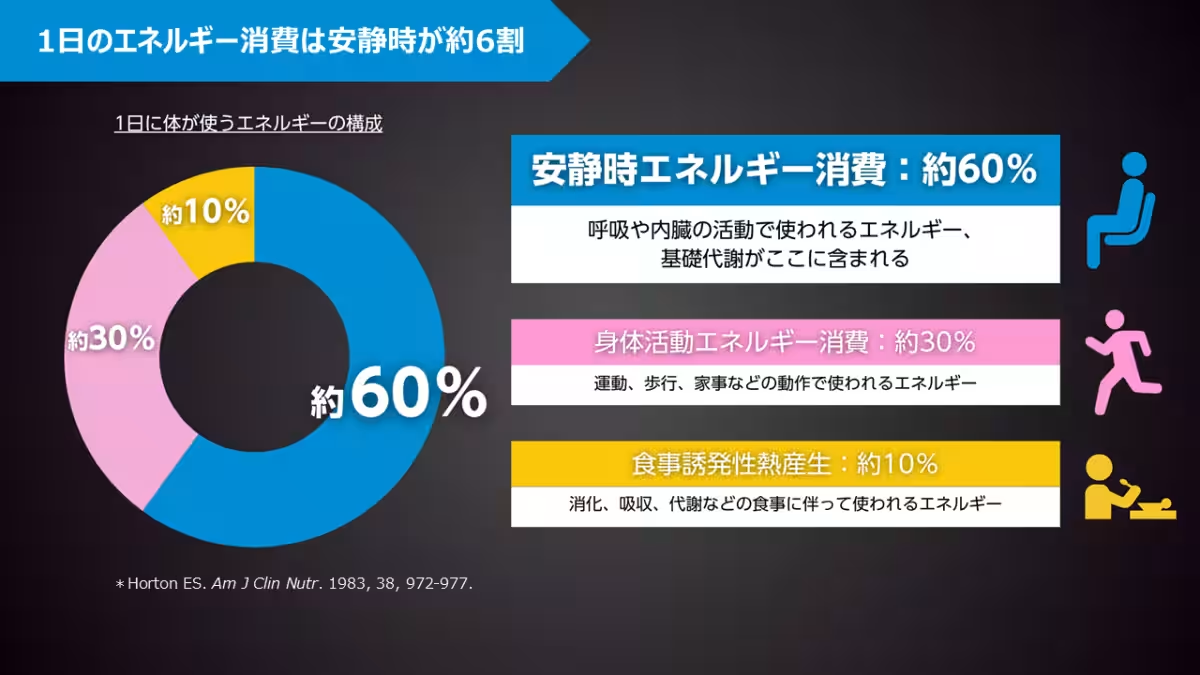
Energy expenditure in our bodies does not stem solely from exercise. Many daily activities, including breathing, maintaining body temperature, and organ function, contribute to what is known as resting energy expenditure. This form of energy consumption comprises roughly 60% of our total daily energy expenditure, making it a crucial aspect of our overall energy balance.
Even minor daily differences in energy expenditures, ranging from 30–100 calories, may accumulate over time, leading to marked changes in body composition. Therefore, maintaining and enhancing energy consumption within daily routines—not just through exercise—is significant for effective body management.
Elevating Resting Energy Expenditure: The Three Key Factors
To boost resting energy expenditure in our daily lives, Glico identifies three crucial aspects, termed the three "Kins": "muscle," "posture," and "gut bacteria."
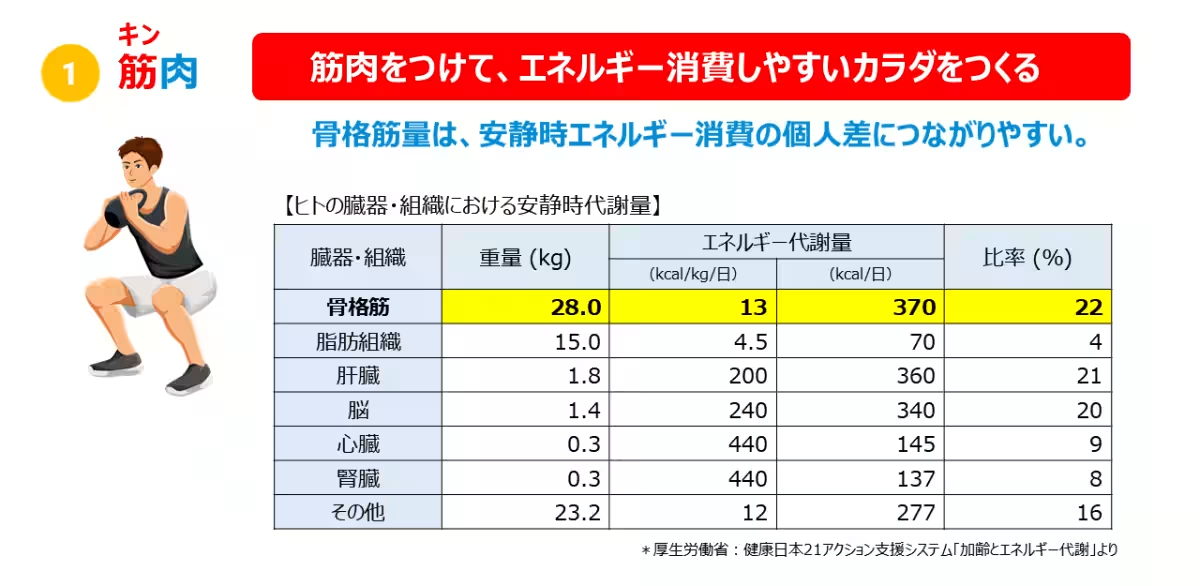
1. Muscle: Muscle tissue plays a vital role in supporting various bodily functions, even at rest. Thus, maintaining or increasing muscle mass is foundational for creating a body that facilitates higher energy expenditure.
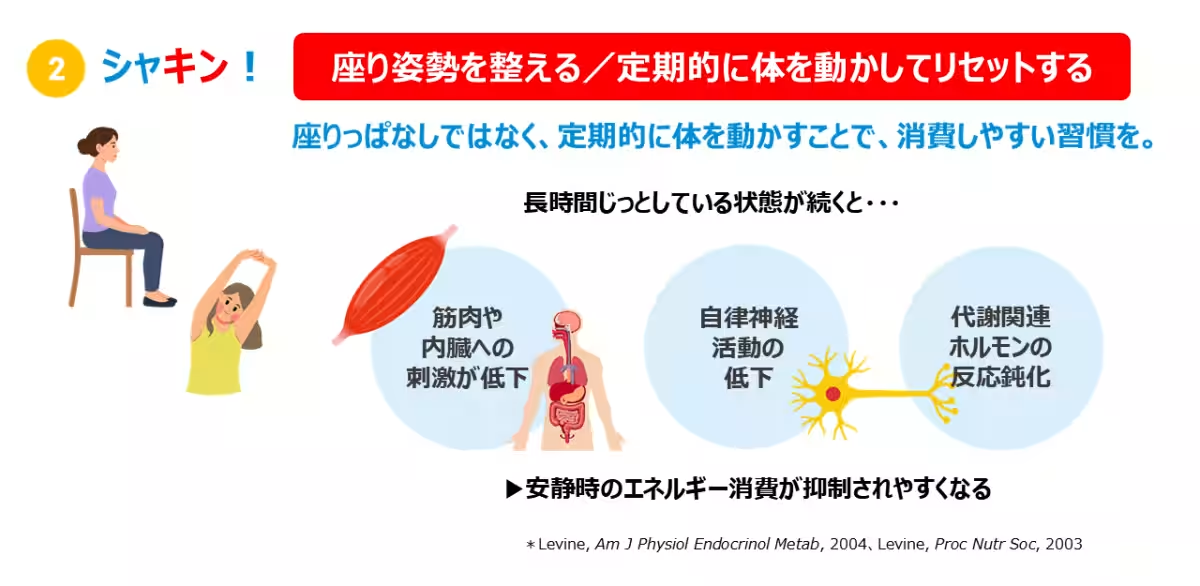
2. Posture (Shakin!): This refers to maintaining proper posture and avoiding prolonged periods in the same position. Simple actions, such as sitting up straight or taking time for light stretching while standing, can collectively contribute to enhanced energy expenditure.
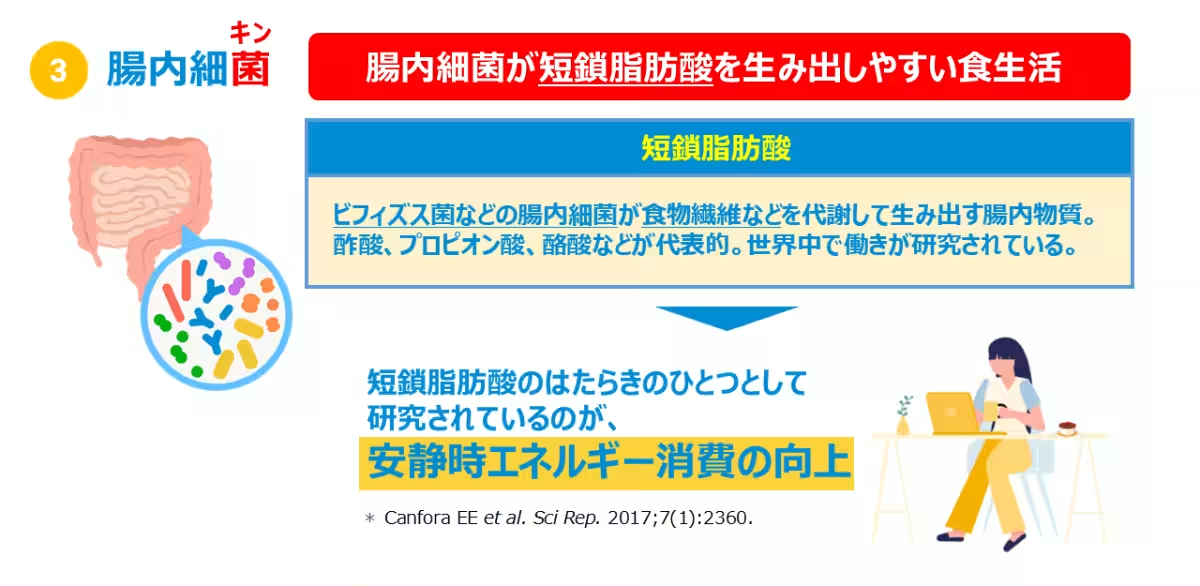
3. Gut Bacteria: Short-chain fatty acids produced by gut bacteria, often generated from dietary fiber, are linked to energy metabolism. Consequently, promoting a healthy gut environment through a fiber-rich diet can further support resting energy expenditure.
By focusing on these three factors, individuals can cultivate manageable habits in their daily lives that help promote energy consumption and combat potential weight gain.
Glico's Research on Gut Health
Glico is committed to the theme of "extending health spans from the gut" and has conducted research on its unique strain of Bifidobacterium known as BifiX. One significant finding suggests that consistent intake of BifiX combined with a specific dietary fiber called inulin effectively enhances resting energy expenditure.
In a study with adult participants, results demonstrated that regular consumption increased levels of Bifidobacterium in their guts, leading to an increase in resting energy expenditure by about 101.8 kcal/day after two weeks, and approximately 84.4 kcal/day after four weeks. This increase in energy expenditure equates to about 1,800–3,300 additional steps in daily activity. Moreover, related studies showed reductions in both visceral and body fat, indicating a dual approach of energy expenditure and fat management for overall health benefits.
The findings suggest that the metabolic products of gut bacteria play significant roles in promoting energy metabolism, reinforcing the link between gut health and body energy management.
In conclusion, as summers become increasingly challenging with rising temperatures, understanding how energy expenditure functions in our bodies is critical. By focusing on these key factors, individuals can navigate the summer months more healthily and prevent summer weight gain effectively.
Topics Health)
【About Using Articles】
You can freely use the title and article content by linking to the page where the article is posted.
※ Images cannot be used.
【About Links】
Links are free to use.