



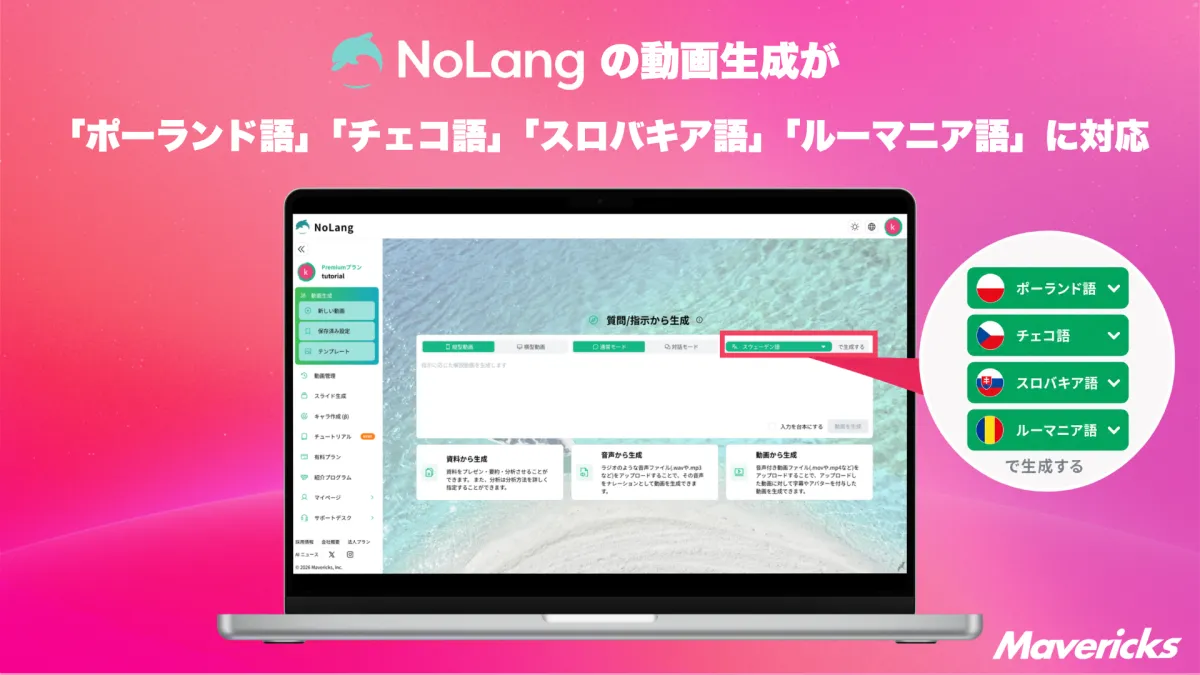
Mavericks Expands Video Generation AI NoLang with New Languages for Central Europe
Mavericks Expands Video Generation AI NoLang with New Languages for Central Europe
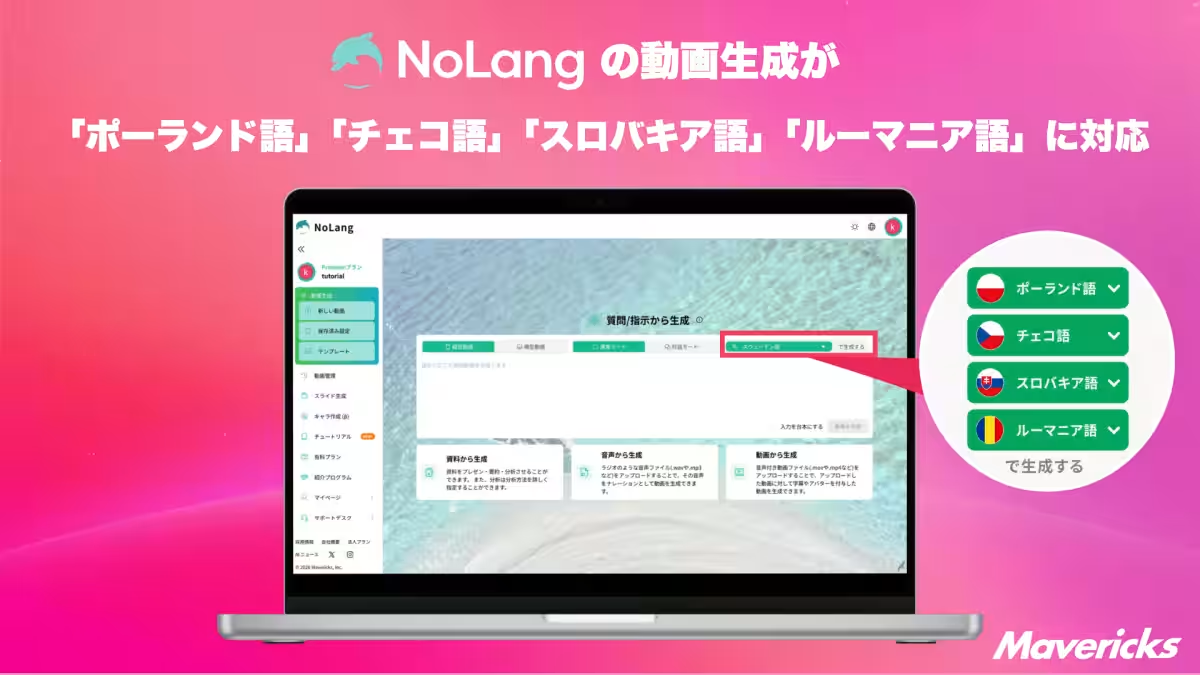
Mavericks, a Tokyo-based technology company, has recently enhanced its AI-powered video generation tool, NoLang, by adding support for Polish, Czech, Slovak, and Romanian languages. This addition is significant for businesses aiming to create localized video content without relying on external translation services or narration recording, thus streamlining the production process for Central European markets.
The Importance of Local Language Content in Central Europe
The need for local language content is evident in today's global economy, where clear communication is key. Research conducted by CSA Research highlights that 76% of consumers prefer purchasing products when information is available in their native language. Furthermore, about 40% of respondents indicated that they would not purchase from websites that only offer information in foreign languages.
With Polish, Czech, Slovak, and Romanian being linguistically distinct from English, providing content in these languages is crucial for effective information dissemination. Additionally, a survey from JETRO shows that companies expanding into Central and Eastern Europe are experiencing a median salary increase of over 4%, alongside a notable rise in expected profit margins, particularly in the manufacturing sector.
As businesses grow in these regions, utilizing videos for information sharing is a practical solution to overcome language barriers. However, repeatedly outsourcing translation tasks and narration recording can burden companies with high costs and prolonged timelines. To address these challenges, Mavericks is committed to expanding the capabilities of NoLang.
New Language Features in NoLang
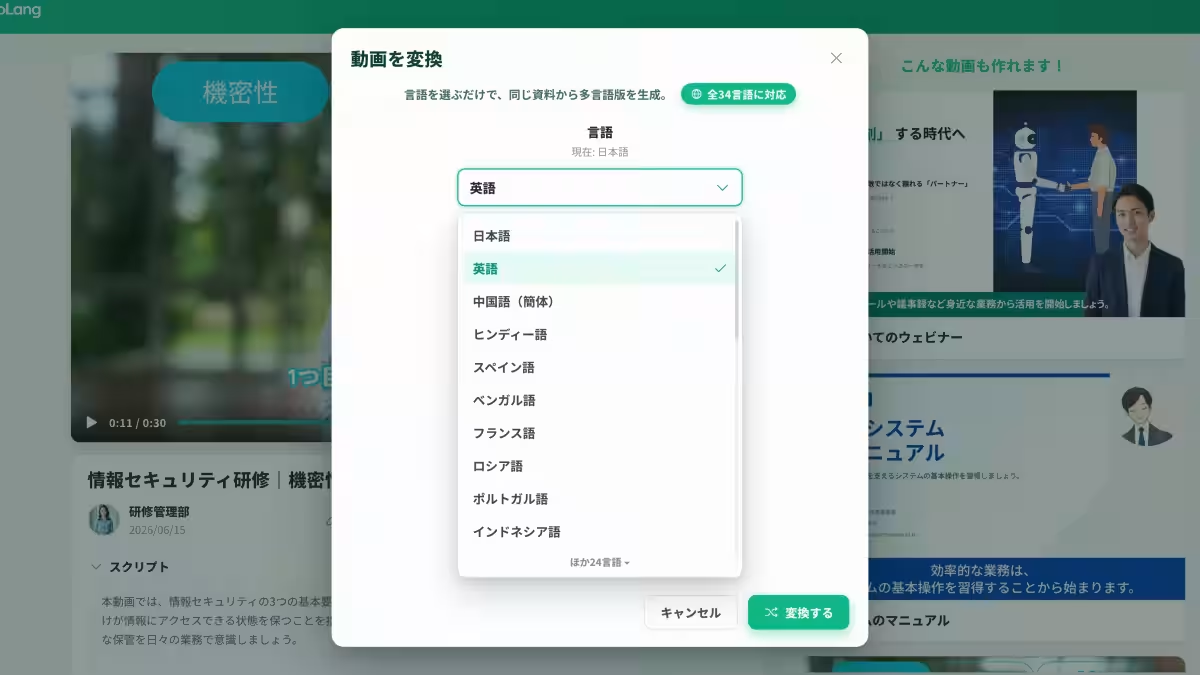
With the recent update, users can now select from four new languages directly in the NoLang platform. By simply accessing the language settings menu, users can produce videos featuring avatars and subtitles in Polish, Czech, Slovak, or Romanian, based on Japanese materials or existing documentation. This seamless integration assures that businesses can start creating videos tailored for Central European audiences without changing their established workflow.
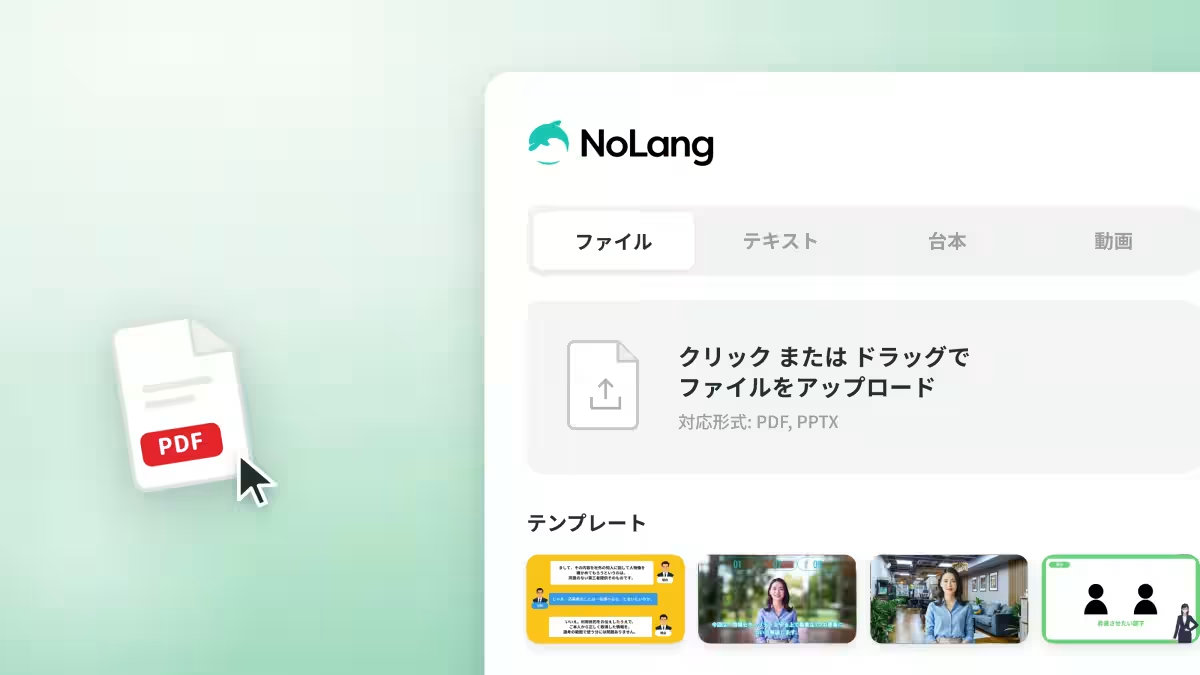
NoLang's AI can transform various formats, including text inputs, PDFs, and audio files, into high-quality videos. By selecting one of the newly added languages, users can instantly convert Japanese documents into local languages, complete with narration and subtitles.
For instance, a user could upload a PDF document of a financial report and generate a presentation video in Polish, Czech, Slovak, or Romanian, effectively addressing local stakeholders with relevant information without incurring the traditional translation and production costs.
User-Friendly Features for Multi-Language Support
The platform's user interface allows users to easily convert already-generated videos to the newly integrated languages with just one click, ensuring that past materials remain relevant without the need for re-recording. This feature significantly reduces resource expenditure while expanding the accessibility of content.
Additionally, the subtitle display is optimized to accommodate unique characters and diacritics found in each language, ensuring that all content remains visually coherent and accessible. NoLang’s system also adjusts the narration speed based on the specific linguistic characteristics of each language, maintaining a natural flow and pacing in video delivery.
Versatile Applications in Business
The introduction of Central European languages not only boosts efficiency but also expands the use cases of NoLang for a range of business applications, from investor relations to employee training and cross-border e-commerce.
For instance, companies can create investor reports by uploading existing financial documents and generating videos that present this information in the native language of local investors. Likewise, training materials can be seamlessly converted into localized content for factory workers in the region, enhancing educational efforts without starting from scratch.
Moreover, NoLang is valuable for creating promotional videos for local products or services, allowing businesses to introduce their offerings in the language familiar to their target market. This ensures better engagement and sales outcomes.
Future Prospects of NoLang
Mavericks plans to further expand NoLang’s language capabilities, responding to user needs and the growing presence of diverse communities in Japan and Asia. By continuing to enhance its multilingual video production infrastructure, Mavericks aims to facilitate effective communication that transcends language barriers.
Conclusion
In summary, the new language capabilities added to NoLang herald a significant step forward in localized video production. By empowering businesses to create engaging content quickly and affordably, Mavericks is setting a new standard for how organizations communicate across languages. As global markets continue to evolve, tools like NoLang will be essential for companies looking to maintain a competitive edge.
For those interested in exploring the capabilities of NoLang, visit the official website to learn more and get started on creating localized video content.
Topics Consumer Technology)
【About Using Articles】
You can freely use the title and article content by linking to the page where the article is posted.
※ Images cannot be used.
【About Links】
Links are free to use.