



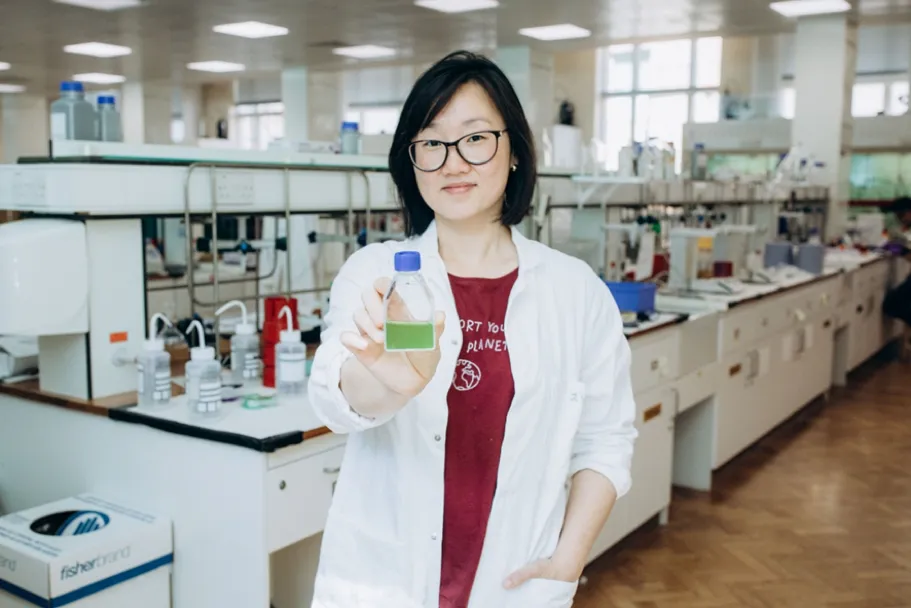
Cambridge University Partners with QFF for Groundbreaking Research in Cyanobacteria and Dinoflagellates
Exploring Neutron-Induced Mutations in Cyanobacteria and Dinoflagellates
In a significant step towards advancing biotechnology, Cambridge University and Quantum Flowers & Foods (QFF), based in Mito City, Ibaraki, Japan, have initiated a collaborative research project. This innovative study aims to investigate neutron-induced mutations in selected species of cyanobacteria and dinoflagellates, with the ultimate goal of creating new variants with desirable traits.
Research Objectives and Background
Cyanobacteria and dinoflagellates have become vital subjects of research due to their roles in photosynthesis, physiological responses, and cellular functions, as well as their adaptability to diverse environments. Recent years have seen an increasing interest in these microorganisms across varied fields, including foundational biological research, bio-manufacturing, environmental response analysis, and sustainable materials and energy.
However, one of the primary challenges in working with these algae has been the inefficient acquisition of mutants with beneficial phenotypes. The present collaboration intends to address this hurdle by utilizing neutron irradiation to induce a wide range of mutations in cyanobacteria and dinoflagellates. By doing so, the researchers aim not only to generate novel phenotypes but also to evaluate the effectiveness of QFF's neutron breeding technology in enhancing the diversity of phenotypes.
Specifics of the Collaborative Research
The research project will encompass several key activities aimed at generating and assessing mutants:
- - Neutron irradiation of specific cyanobacteria and dinoflagellate species
- - Optimization of conditions for obtaining new trait mutants
- - Phenotypic analysis and characterization of the resulting mutants
- - Evaluation of mutation patterns and the utility of neutron-induced mutations
- - Facilitation of research applications and future paper publications
The findings from this project are expected to contribute not only to the academic understanding of these organisms but also pave the way for collaborative research efforts and publications within the scientific community.
Advantages of Neutron Irradiation Technology
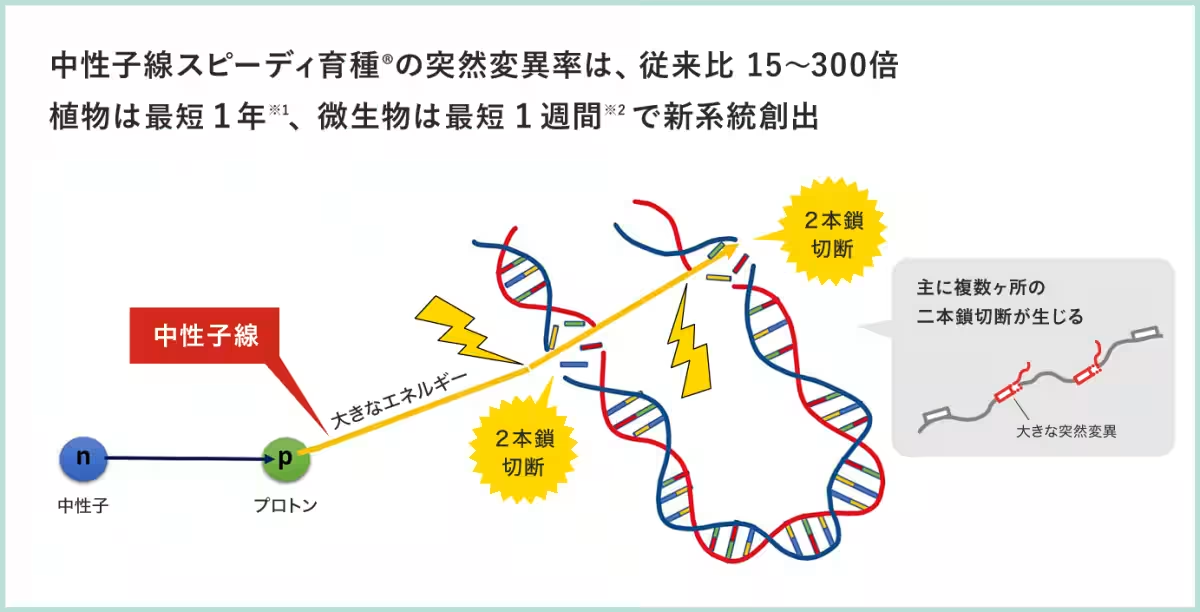
Neutron irradiation possesses unique characteristics that allow it to induce a variety of genetic mutations, including point mutations, deletions, insertions, and structural changes. QFF's neutron irradiation technology enables researchers to maintain survival rates while ensuring a high diversity of mutations, thus facilitating the efficient exploration of beneficial variants.
Moreover, this non-GMO technology does not involve genetic modification, which positions it as a suitable foundation for both foundational research and future applied studies aimed at societal implementation.
Future Outlook
This partnership marks a promising development in elucidating the mechanisms behind neutron-induced mutations in cyanobacteria and dinoflagellates while fostering new breeding approaches to enhance phenotypic diversity. QFF aims to strengthen its collaboration with Cambridge University and expand its extensive academic network, pursuing long-term partnerships and disseminating research findings to a global audience.
By leveraging the results from this research, QFF aspires to maximize the academic and industrial value of neutron breeding in the algae and microbiology sectors, ultimately contributing to innovative research frameworks that span from fundamental studies to practical applications.
Comments from Project Leaders
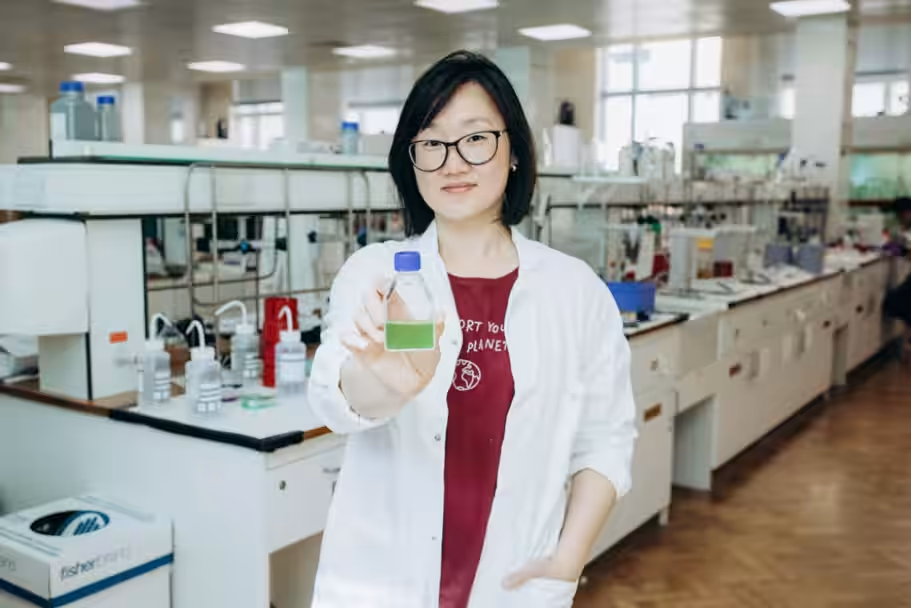
Dr. Jenny Zhang from Cambridge University’s Zhang Lab in the Yusuf Hamied Department of Chemistry expressed optimism about the potential of neutron breeding technology in enhancing photosynthetic microbes. She highlighted the challenges in introducing mutations in certain microorganisms and hopes that this technology will lead to novel phenotypes, paving the way for advancements in both scientific research and biotechnological applications.
Kakuo Kikuchi, the CEO of QFF, emphasized that this collaborative research is essential for academically assessing neutron breeding technology in the algae sector. He aims to contribute to foundational research while developing long-term collaborations with Cambridge University and related research networks.
Company Overview
Company Name: Quantum Flowers & Foods
Location: 2563-77 Mikawa-cho, Mito City, Ibaraki
CEO: Kakuo Kikuchi
Business Focus: Offering neutron breeding services and engaging in quantum biotechnology research and development
Established: July 2018
Website: https://qff.jp
For inquiries, please contact:
CMO: Shunsuke Naito
Email: [email protected]
Tel: 03-6661-1611
This pioneering research endeavors to not only derive new strains but also strategically influence the future of algae studies and biotechnological applications globally.

Topics Other)

【About Using Articles】
You can freely use the title and article content by linking to the page where the article is posted.
※ Images cannot be used.
【About Links】
Links are free to use.