



Understanding the Current State of Nursing Duties During Summer in Hospitals
The Current Challenges of Nursing During Summer
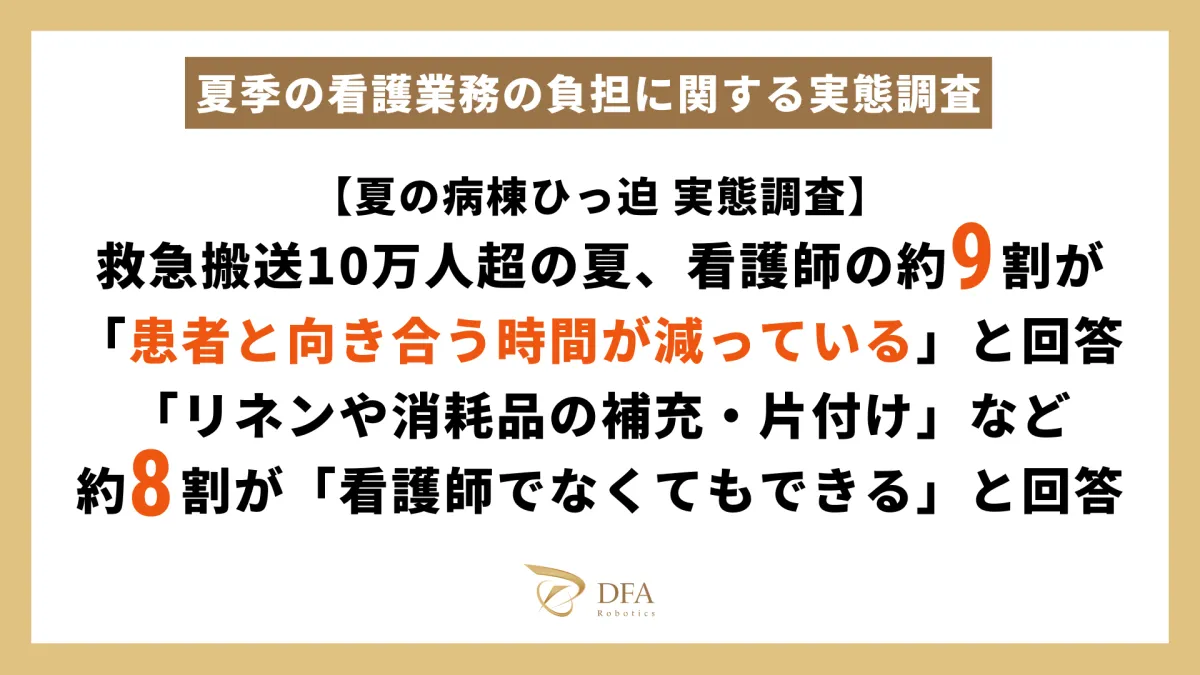
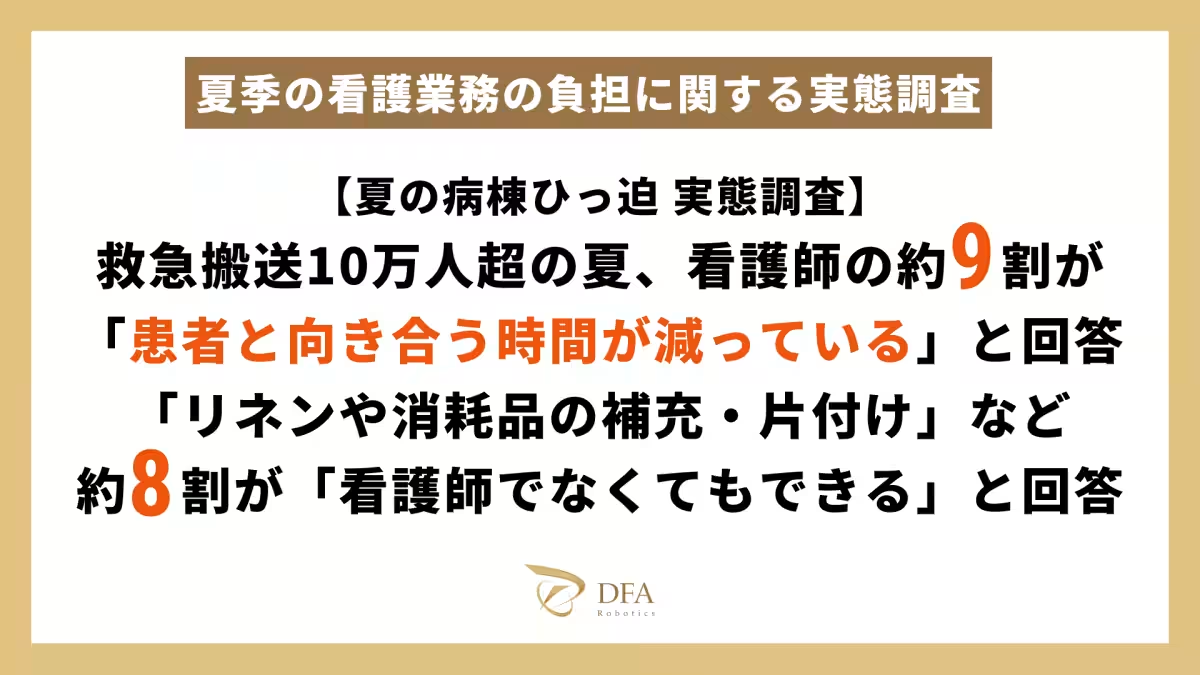
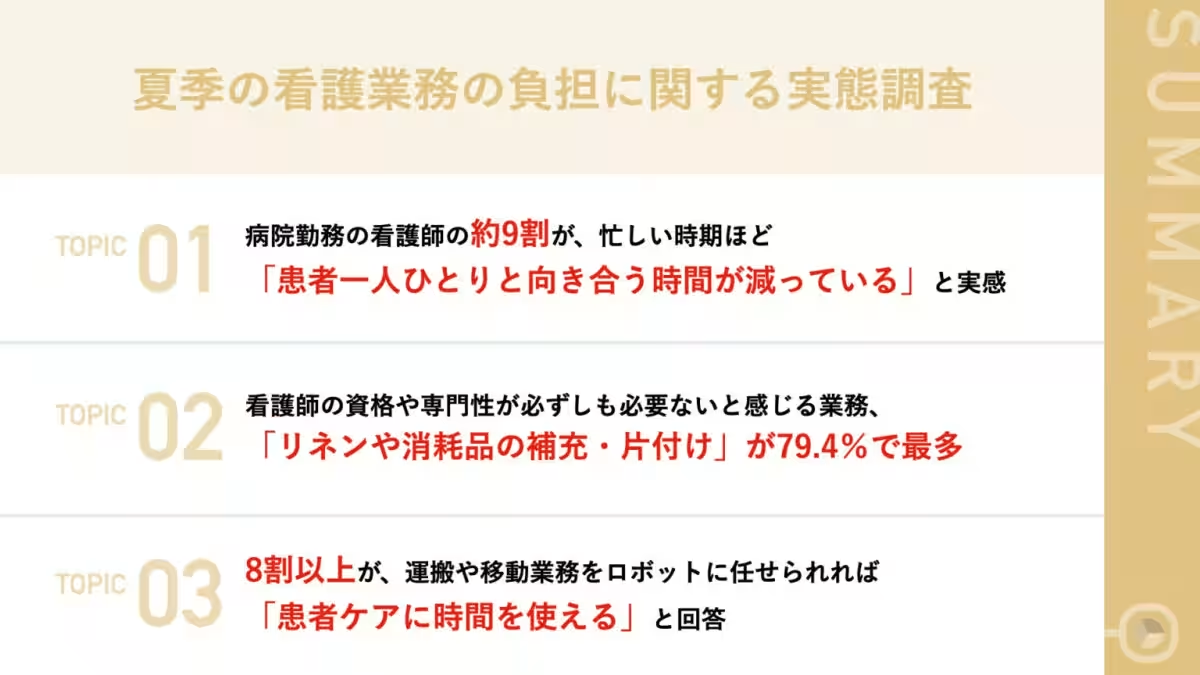
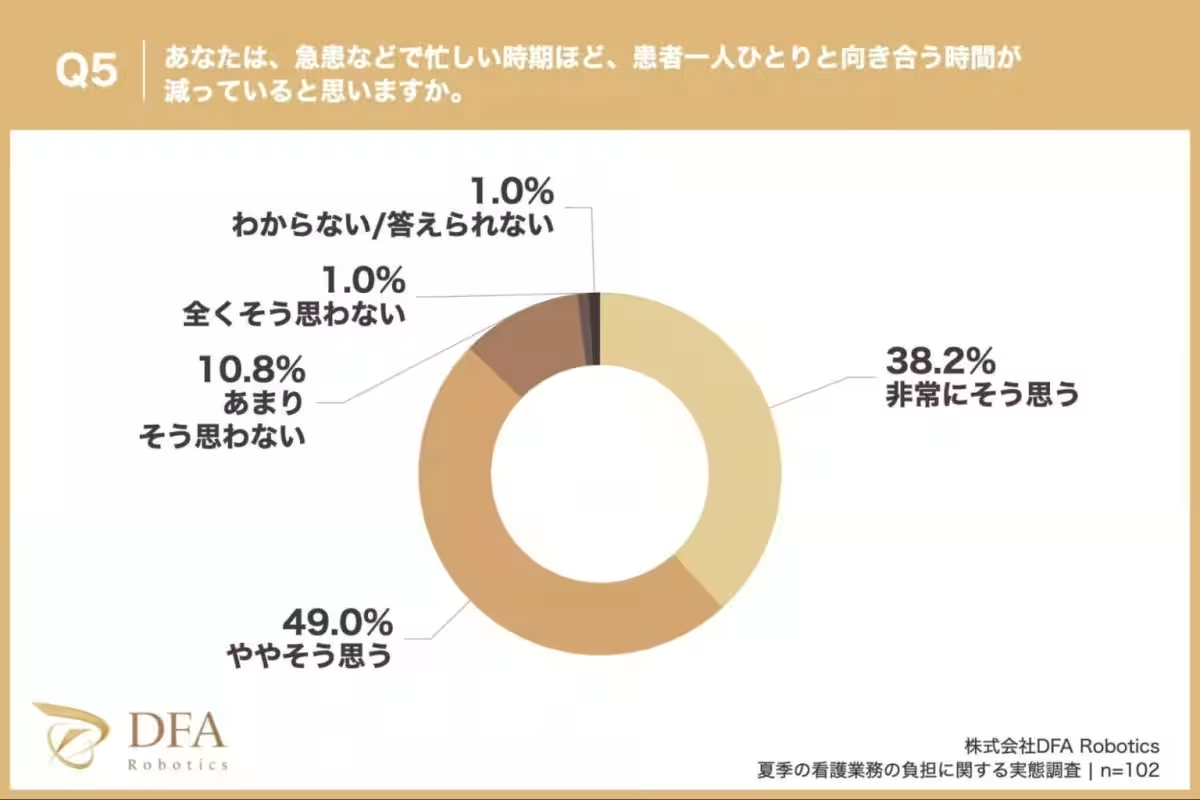
During the summer months, hospitals experience an influx of patients that significantly strains nursing duties. A recent survey conducted by DFA Robotics, a robotics solutions company based in Tokyo, revealed the pressing realities faced by nurses working in hospitals with 20 or more beds. The survey, involving 102 nurses and assistant nurses, highlighted an alarming trend: roughly 87% of respondents felt they had less time to interact with individual patients during peak busy periods.
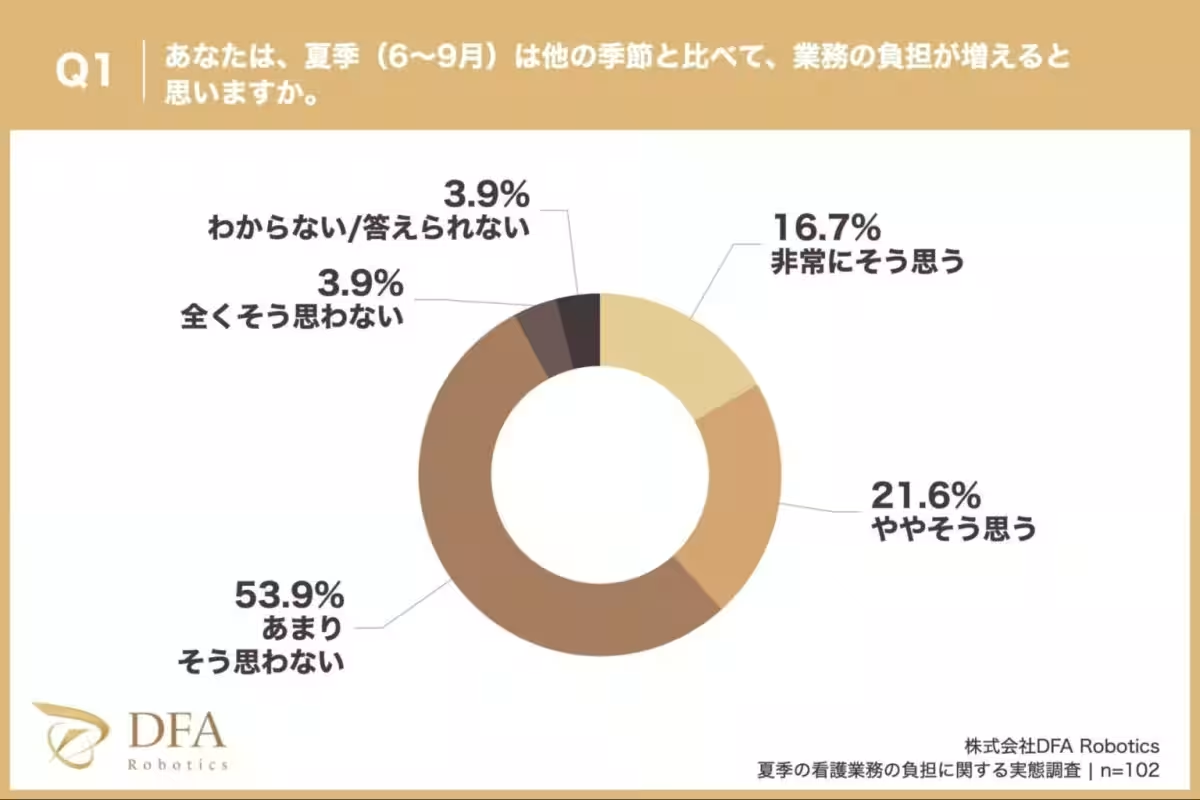
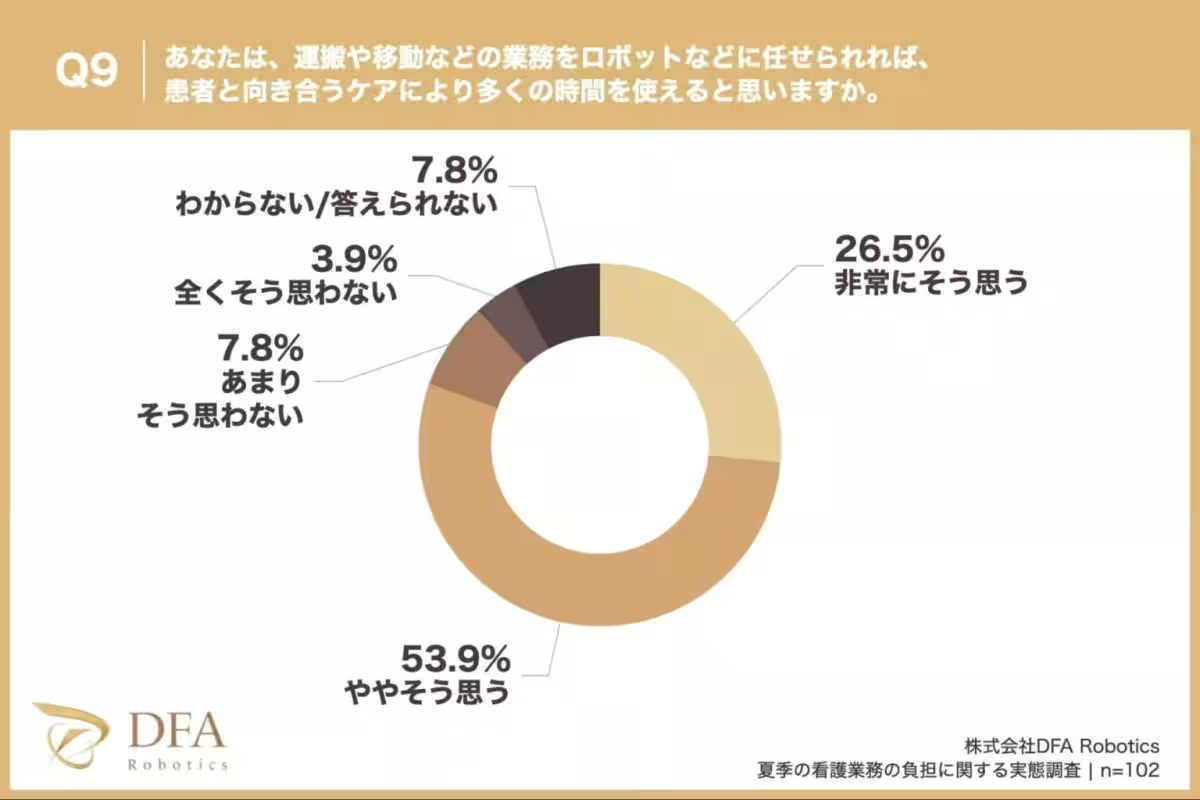
The survey also pointed out that 80.4% of nurses believe that delegating transport and logistics tasks to robots could free up their time for patient care. However, a contradictory finding was that only 38.3% of participants felt that their workload actually increased during the summer months, with over half of the respondents indicating they did not perceive significant changes in their responsibilities.
Surging Responsibilities in Nursing
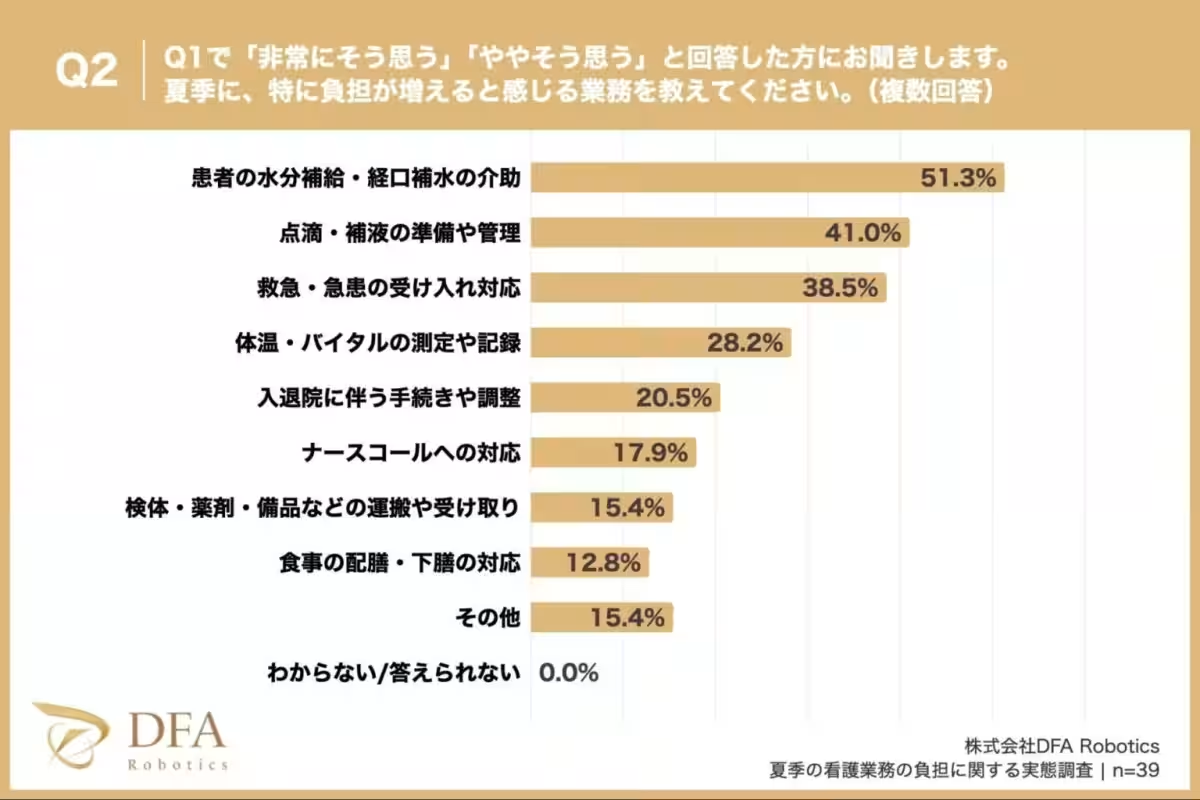
When asked if summer increases their workload, only a fraction overwhelmingly agreed. Among those who did feel an increase, the most commonly cited tasks were assisting patients with hydration (51.3%), preparing and managing intravenous fluids (41.0%), and receiving emergency patients (38.5%). Capacity issues and staffing challenges reportedly amplify during the summer.
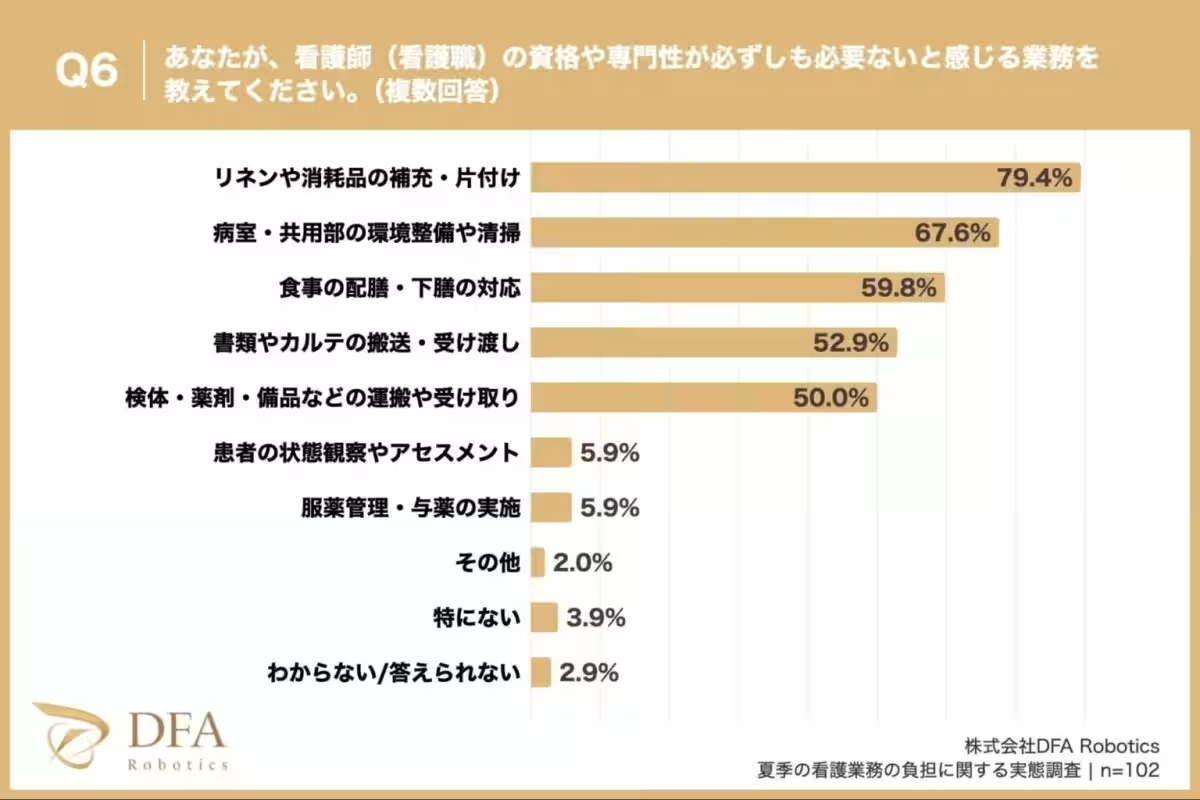
Interestingly, the survey results also indicated that essential tasks, which do not necessarily require a nursing qualification, often encroach on nurses’ time. Tasks such as replenishing linens and supplies, which 79.4% of respondents identified as not needing advanced training, dominate their responsibilities, consuming time that could otherwise be spent on direct patient interactions. 67.6% of nurses voiced that maintaining cleanliness in shared spaces should also be automated, indicating a significant belief that many routine duties should not solely rely on nursing staff.
Impacts of Busy Periods
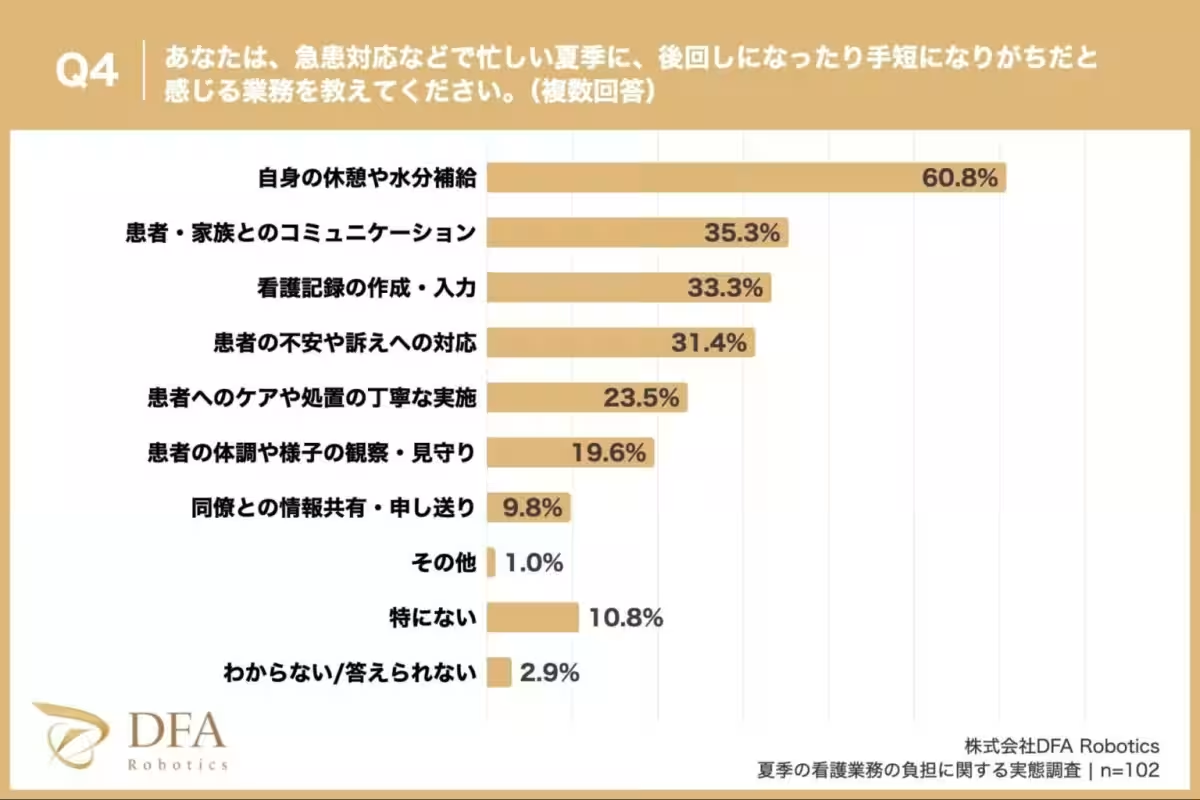
The survey results shed light on the impact of busy periods on nursing responsibilities. A significant 60.8% of nurses reported that their own breaks and hydration were often neglected during critical times. Additionally, 35.3% indicated that personal communication with patients and families was also deprioritized. Alarmingly, 87.2% of the nurses reported that the time available for face-to-face patient interaction decreased as emergencies surged.
This highlights a troubling trend; non-specialized tasks are consuming valuable time reserved for crucial patient care. If these tasks could be handled by robotics or increasingly efficient systems, nurses could devote more time to their patients, ultimately enhancing the quality of care.
Robotics as a Solution
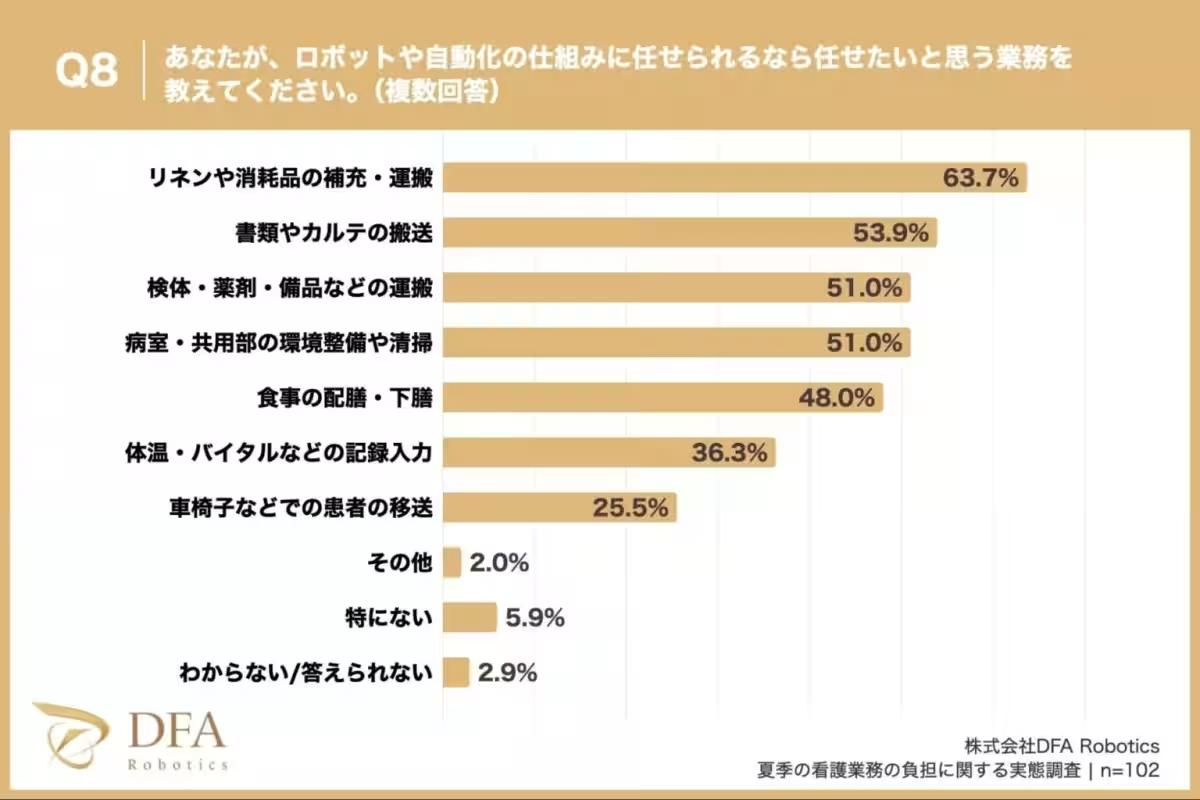
In light of the demanding nature of their roles, an encouraging 63.7% of nurses expressed interest in having robots manage routine supply transport, while 53.9% suggested automating the movement of important documents. With the rising burden of substitute and non-core nursing tasks, nurses are optimistic that automation and robotics could lead to improved efficiency and lessen the pressure experienced during peak times.
With initiatives like the Japanese government’s support for institutions implementing robotic solutions for improving work environments and boosting efficiency, the integration of this technology into nursing practices is anticipated to ease operational burdens.
Conclusion
The findings from the DFA Robotics survey articulate the precarious balance nursing staff maintain during summer months. They offer a compelling case for increasing the role of automation and robotics in healthcare to augment patient care while alleviating the immense workload that currently limits nurses. As we progress in this digital age, understanding and implementing technological solutions seems imperative to enhance nursing efficacy and patient satisfaction. By strategically leveraging robots for routine tasks, healthcare institutions can empower nurses to concentrate more on direct patient interactions, fulfilling their critical care roles more effectively.
As the medical field continues to evolve, companies like DFA Robotics are pivotal in developing and promoting robotic solutions that can reshape how healthcare is delivered in high-demand situations.
- ---
For more information on DFA Robotics and their contributions to healthcare automation, visit DFA Robotics or contact their public relations team for inquiries.

Topics Health)
【About Using Articles】
You can freely use the title and article content by linking to the page where the article is posted.
※ Images cannot be used.
【About Links】
Links are free to use.