



New Employees Face Skin Issues Due to Suits and Uniforms: Tendencies and Solutions
Skin Troubles for New Employees Wearing Suits
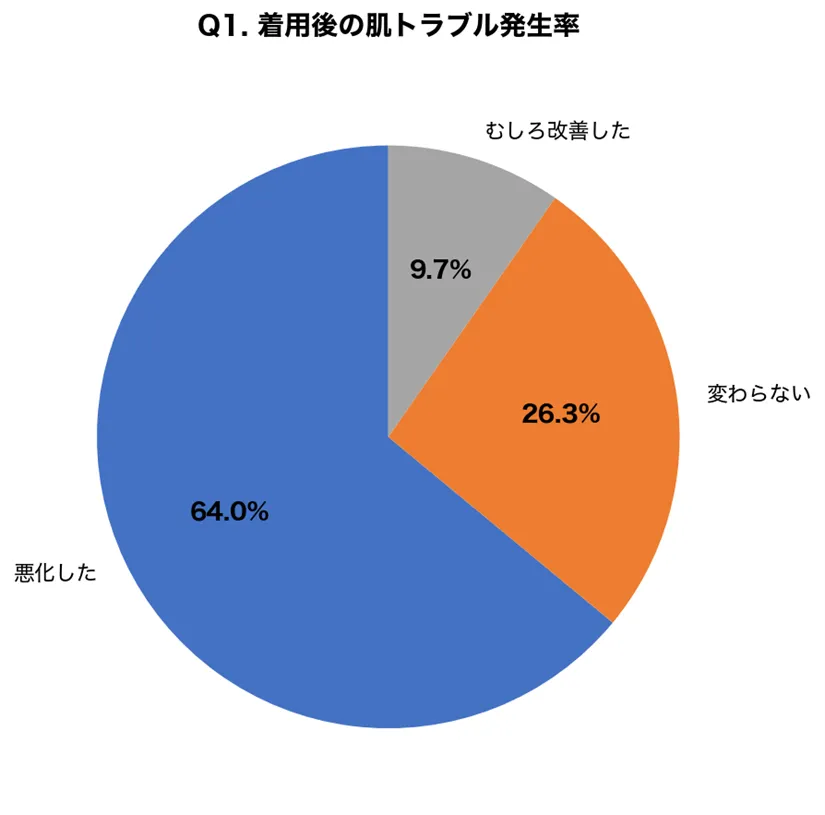
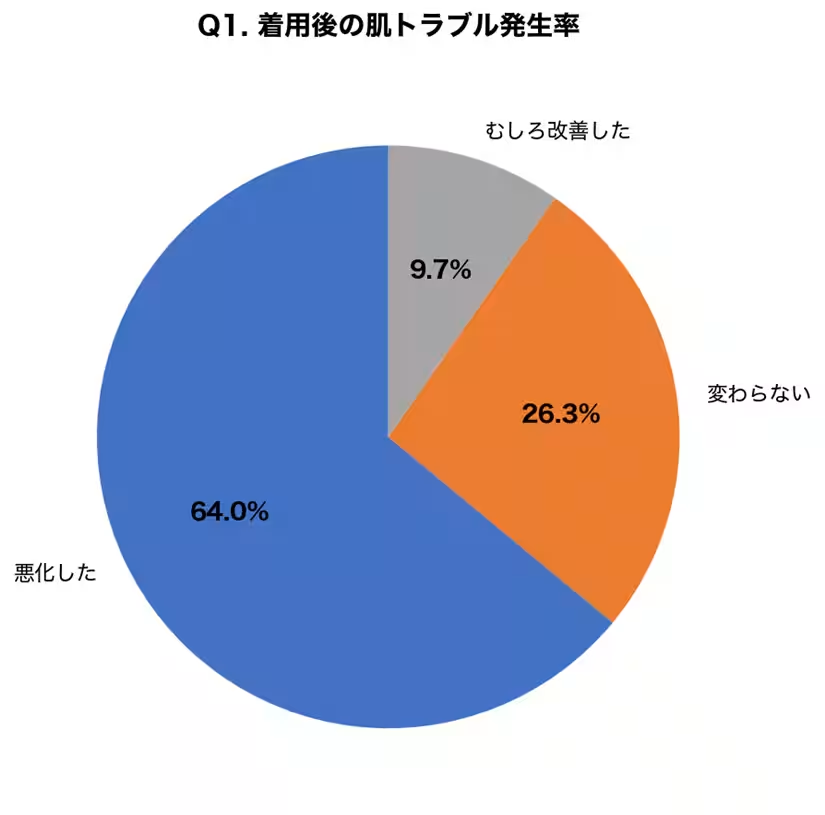
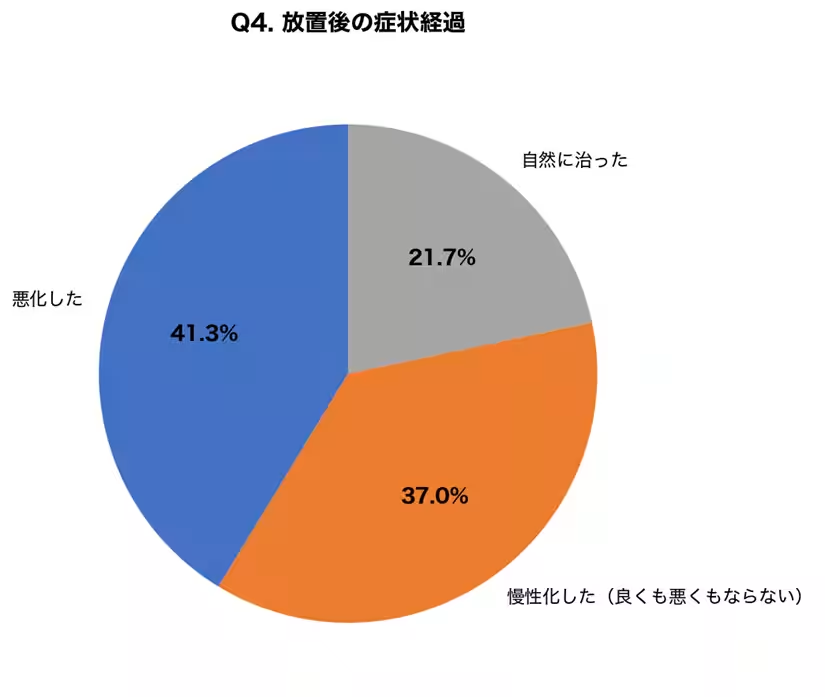
As new employees embark on their professional journey, many are faced with an unexpected challenge: skin problems caused by their suits or uniforms. A recent survey conducted by the AI Clinic has shed light on this issue, revealing that 64.0% of new hires have experienced skin irritation in areas such as the neck, back, and chest after starting to wear these formal outfits. Even more alarming, 78.3% of those who ignored these skin concerns reported that the problems worsened or became chronic.
Key Findings from the Survey
The primary culprits behind these skin troubles can be categorized into two main factors: friction from clothing and contact dermatitis due to allergic reactions. Areas like the neck and collar often bear the brunt of this irritation, especially if the symptoms persist for over two weeks or are accompanied by significant redness or itching. For new employees dealing with such issues, early consultation with a dermatologist is strongly encouraged to prevent long-term complications.
What is Contact Dermatitis?
Contact dermatitis refers to inflammation of the skin that results from contact with an irritant or allergen. It can manifest in two forms: allergic contact dermatitis and irritant contact dermatitis. Common causes include the dyes, metals, and rubber components found in clothing. Symptom clusters for this condition can include redness, itching, vesicles, and rough skin.
Understanding Friction Dermatitis
On the other hand, friction dermatitis is triggered by repeated contact of skin with clothing or accessories. This type of dermatitis often leads to a decrease in the skin’s barrier function, triggering symptoms such as redness, burning sensations, and discoloration. Regions of the body that are often in close contact with clothing, such as the neck, armpits, and waist, are common sites for this condition.
The Importance of Skin Barrier Function
The skin barrier function is essential for protecting against external irritants and preventing moisture loss. When this barrier is compromised, even minor irritants can lead to inflammation, resulting in various skin issues.
Survey Insights
In a study conducted with 300 young professionals in their first three years of employment, it was revealed that:
- - 64% of respondents noted worsening skin conditions upon starting their jobs.
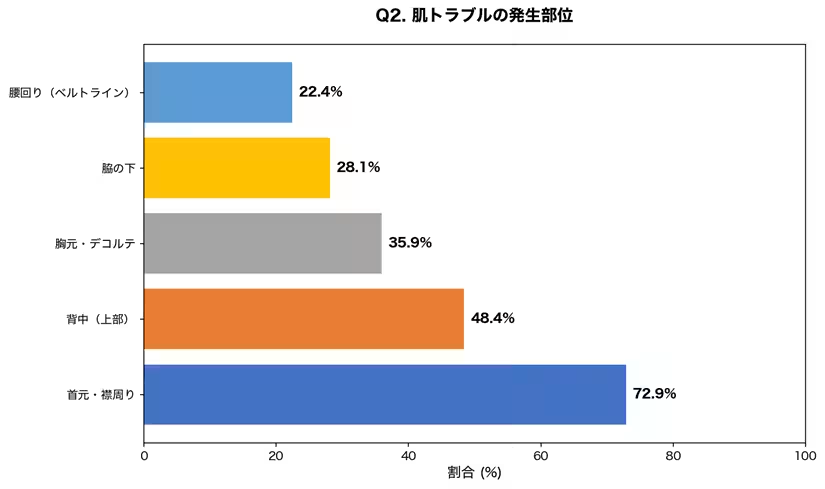
- - 72.9% of reported skin issues occurred around the neck and collar areas, likely due to ties and collar rubs.
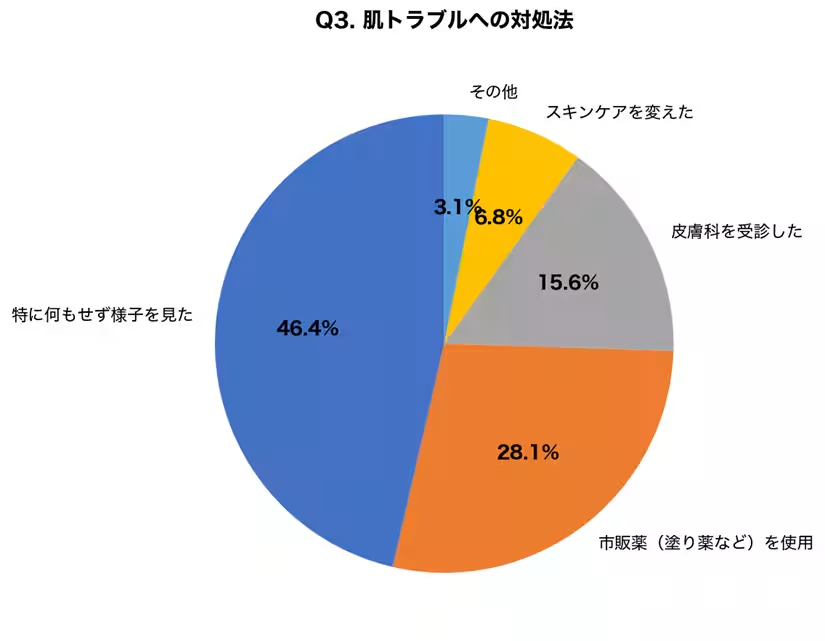
- - 46.4% admitted to doing nothing regarding their skin issues, a choice often influenced by busyness or uncertainty regarding when to seek help.
- - Of those who neglected their issues, 78.3% experienced worsening symptoms or chronic conditions, underscoring the vital need for timely action.
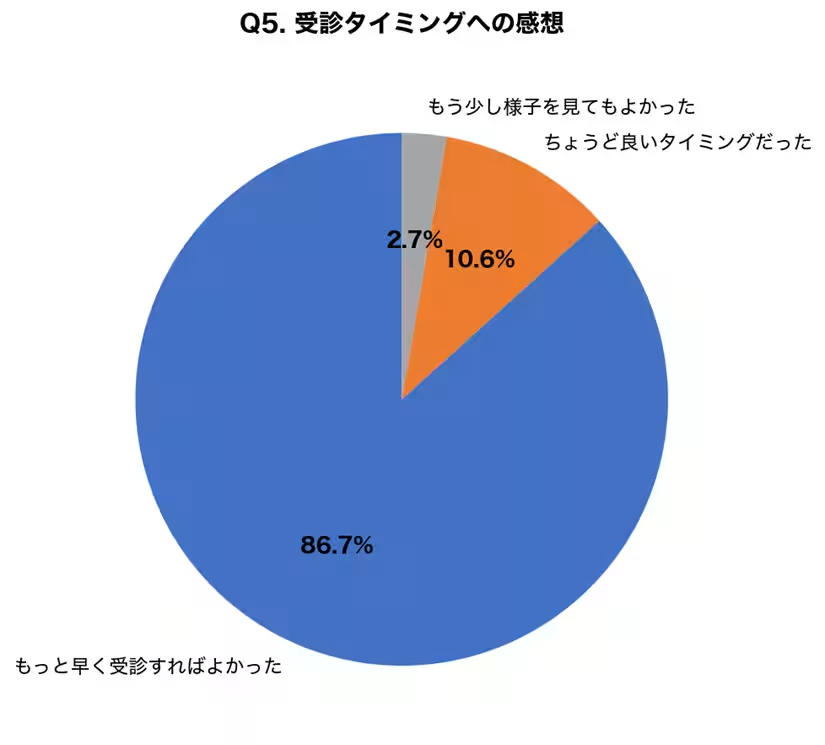
Among those who visited a dermatologist, 86.7% expressed regret for not seeking help sooner, emphasizing that early intervention can prevent escalation and can often lead to quicker recovery.
Expert Opinions
Dr. Kota Takakuwa from the AI Clinic, with over 15 years of experience in dermatology, emphasizes early treatment as crucial in addressing suit-related skin issues. He advises that if redness and itchiness persist for more than two weeks, seeking the assistance of a dermatologist is critical. The two major skin conditions affecting new employees, contact dermatitis and friction dermatitis, can significantly escalate if ignored.
Preventative Measures
To mitigate suit-related skin problems, newcomers should consider adopting the following self-care practices:
- - Wear 100% cotton undershirts to reduce direct skin contact with clothing.
- - Apply moisturizers to friction-prone areas to alleviate irritation.
- - Change out of work clothes promptly after returning home to give skin time to recover.
- - Avoid using excessive fabric softeners and ensure thorough rinsing during laundry to reduce skin irritation.
It’s essential for all new employees to be aware that ignoring skin issues can lead to more severe complications, such as bacterial infections, post-inflammatory pigmentation, and prolonged treatment durations. By recognizing the underlying causes and timely seeking support, newcomers can maintain healthy skin while enjoying their new professional roles.
Conclusion
In conclusion, the survey highlights the importance of skin health for new employees. With a significant portion reporting serious skin issues, it is evident that wearing formal attire demands attention and care that should not be overlooked. The key takeaways suggest that early intervention and preventive measures can lead to healthier skin and a more comfortable work experience. The AI Clinic stands ready to assist individuals navigating these common but significant challenges.
Topics Health)
【About Using Articles】
You can freely use the title and article content by linking to the page where the article is posted.
※ Images cannot be used.
【About Links】
Links are free to use.