



Effective Strategies for Preventing Heat Stroke in the Workplace: A Year After Mandatory Regulations
Introduction
In June 2026, the mandatory implementation of heat stroke prevention measures in workplaces marked a significant milestone in occupational health regulation. Amidst soaring temperatures and ongoing climate change, the necessity of robust heat stroke prevention strategies cannot be overstated. Kracie Pharma, a company specializing in herbal medicine, conducted a survey examining the awareness and practices related to heat stroke prevention among workers aged 30 to 60. Over 400 participants shared their insights, reflecting not just on their awareness of new regulations but also on their personal experiences with workplace safety during extreme heat.
Survey Findings
Awareness of Regulations
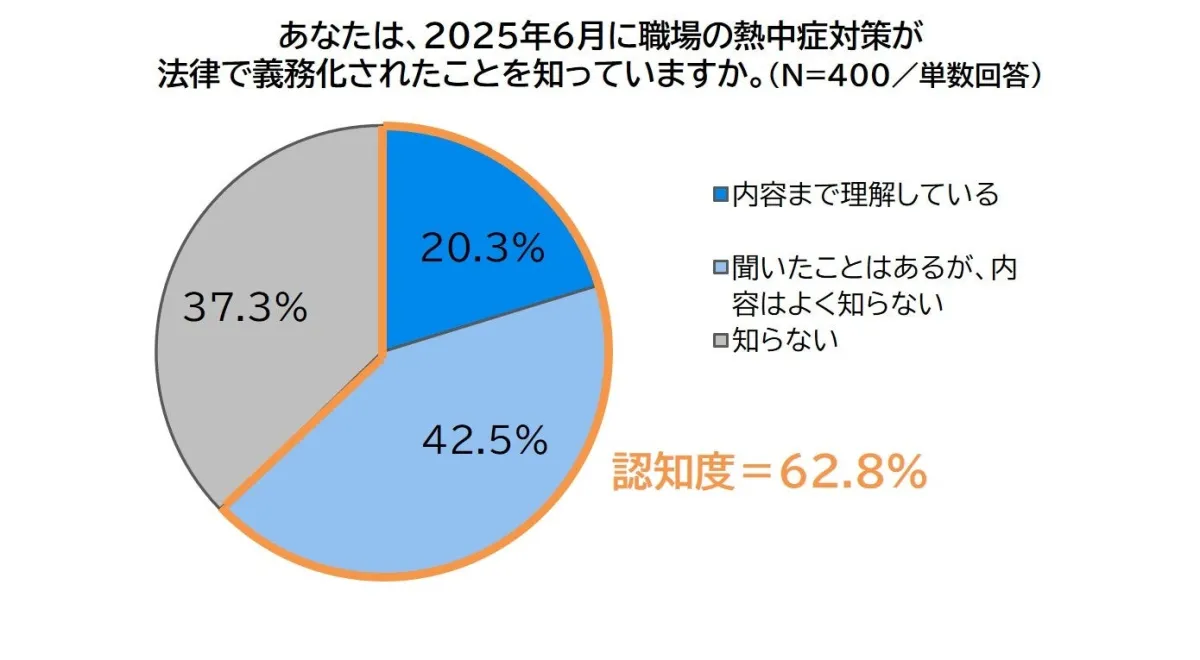
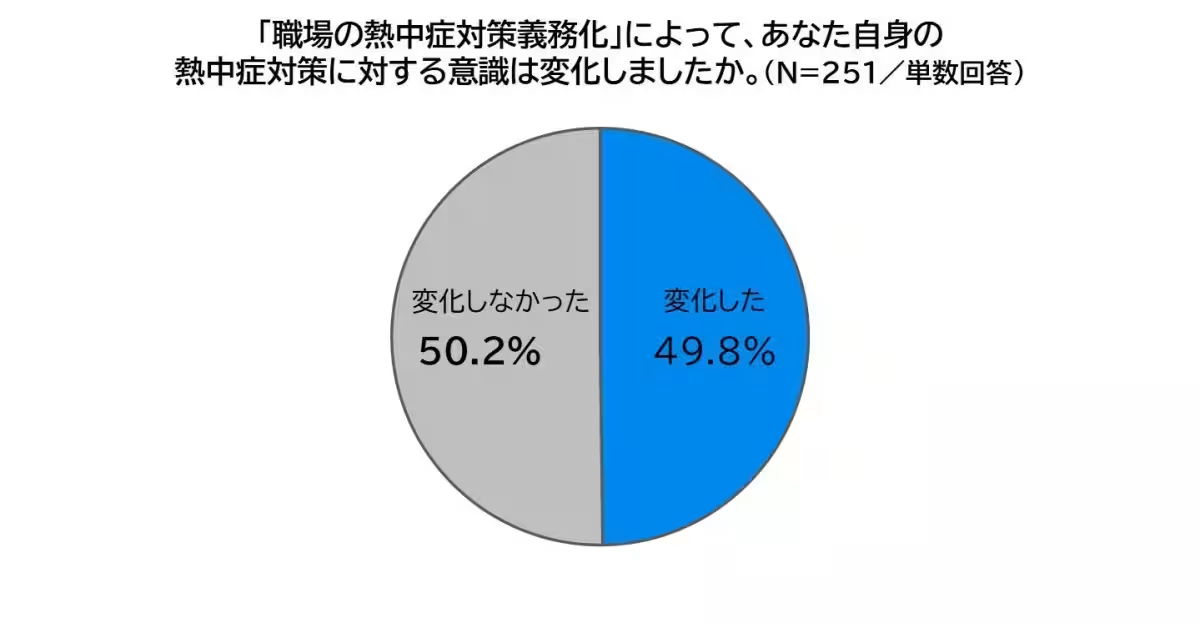
The survey revealed that over 62.8% of respondents acknowledged their understanding of the mandatory heat stroke prevention regulations. However, despite this recognition, only about half reported any significant change in their awareness or attitudes toward these preventive measures. This discrepancy highlights a gap in the effective assimilation of knowledge into practical behavior.
Implementation in Practice
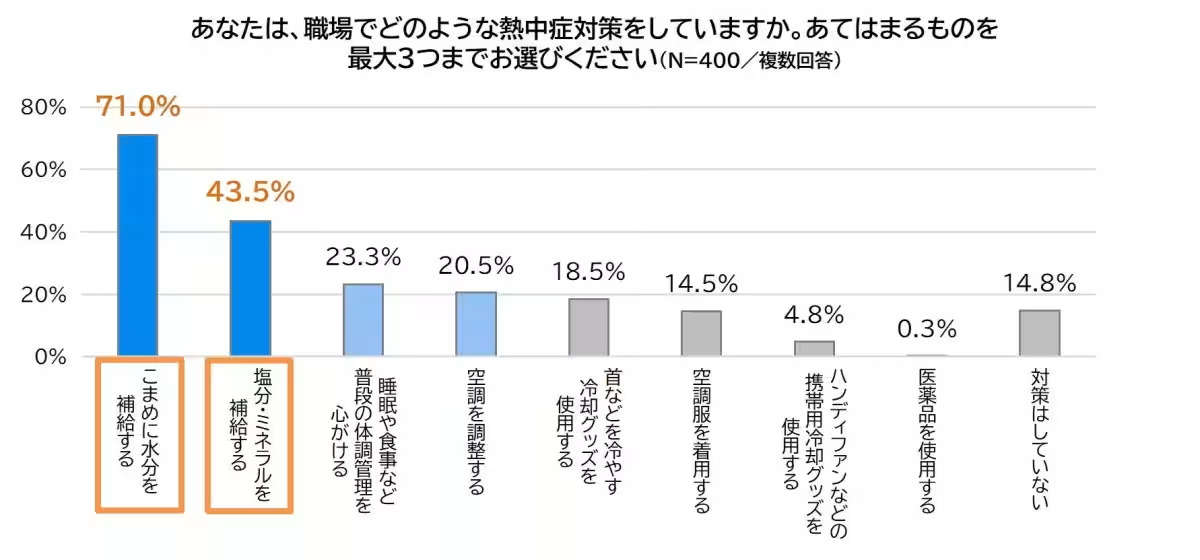
The data showed that common heat stroke prevention techniques such as frequent hydration—practiced by 71% of respondents—and electrolyte replenishment, utilized by 43.5%, are prevalent. In total, 85.2% of those surveyed engaged in some form of preventive strategy. Despite this positive indication of foundational measures being implemented widely, the guidance issued by the Ministry of Health, Labour and Welfare suggests that merely sipping water and consuming salts does not suffice in extreme conditions.
Maintaining adequate health measures, adjusting clothing, and monitoring physical responses to heat are also crucial, and these recommendations suggest that there is still much room for improvement in current practices.
Limitations and Local Challenges
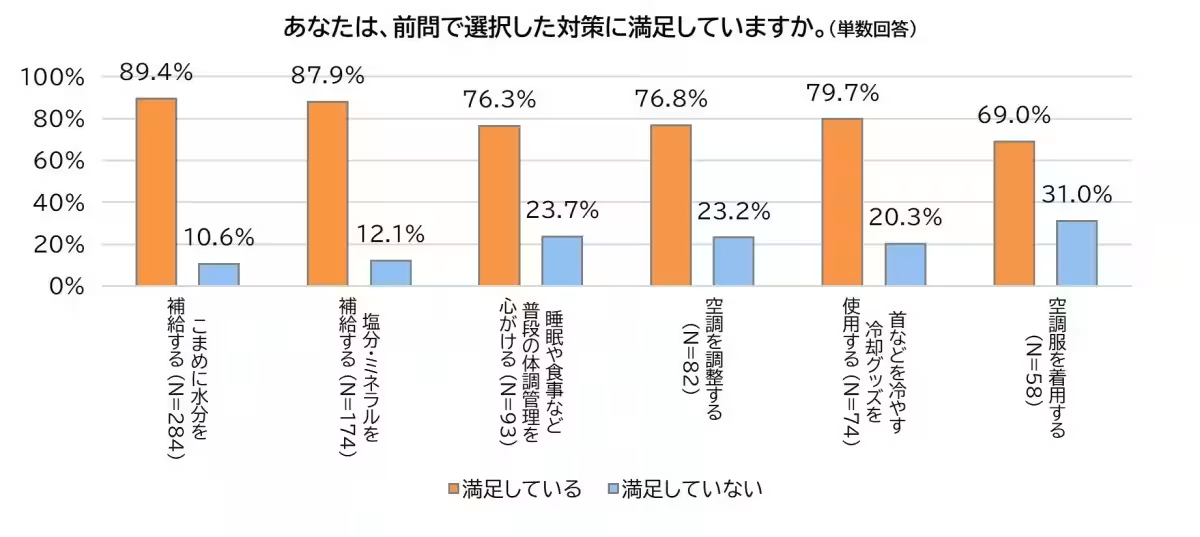
Interestingly, while overall satisfaction with current heat stroke prevention measures was reported, many expressed dissatisfaction with specific areas such as personal health management and environmental controls, notably air conditioning. Many participants reflected concerns regarding outdoor work conditions, such as the inability to hydrate during tasks or restrictions on timing for regular breaks. Notably, issues like sleep deprivation and decreased appetite were also flagged as serious health concerns stemming from extreme temperatures.
These issues underscore the reality that although basic preventive measures are largely in place, their effectiveness is significantly limited under sustained extreme heat conditions, calling for innovative adaptations.
Understanding Heat Stroke from a Herbal Perspective
Understanding heat stroke frequently hinges on recognizing the role of excess 'internal heat' as an essential factor—something that traditional herbal medicine emphasizes. According to traditional Chinese medicine, excess heat can lead to various bodily troubles, especially in summer when the temperature escalates.
Practical Tips for Monitoring Body Heat
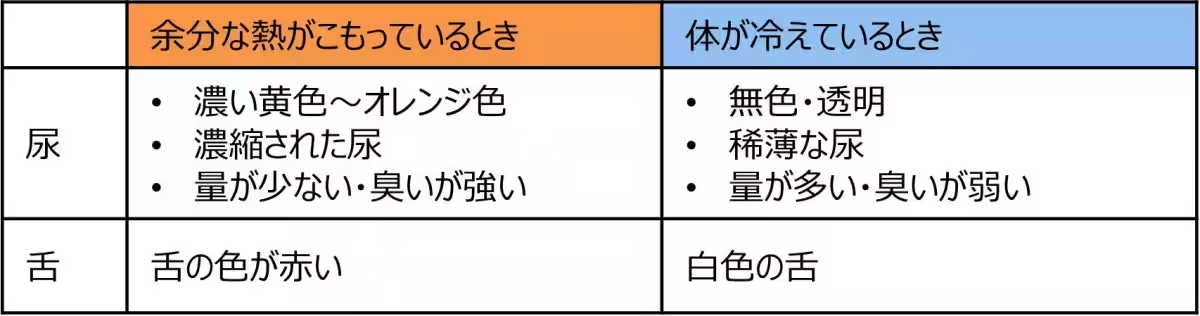
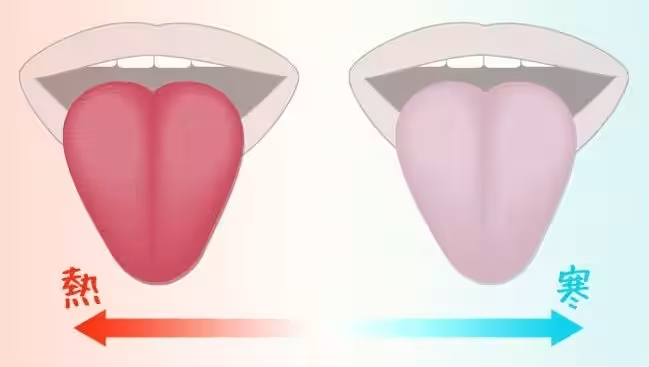
Monitoring how the body is coping with heat can be easily achieved through observation—particularly by checking one’s urine and tongue color. Frequent assessments in response to varying environmental conditions and dietary changes can guide individuals in recognizing when they might be at risk of overheating.
Introducing “Sweat Activities”
Reinforcing sweat glands' efficacy is crucial to avoid complications arising from heat. Engaging in 'sweat activities,' like taking warm baths or participating in light exercise, can train sweat glands to function optimally. The goal is to establish a routine that encourages regular sweating, enhancing the body’s ability to cool itself during extreme temperatures. Suggestions include:
- - Bathing: Opt for warm baths at temperatures between 38ºC to 40ºC to stimulate sweat production.
- - Exercise: Incorporate light exercises like walking for at least 15-30 minutes akin to natural lifestyle adjustments.
Recommended Cooling Foods
In addition to sweat activities, dietary choices play a critical role in managing body temperature during peak summer. Foods known to be cooling can mitigate excessive internal heat. Nevertheless, one must exercise caution not to over-cool the body by overindulging in cold foods or environment. Balancing cooling foods with warming spices like ginger can enhance overall health during hot months.
Kracie Pharma's Herbal Recommendations
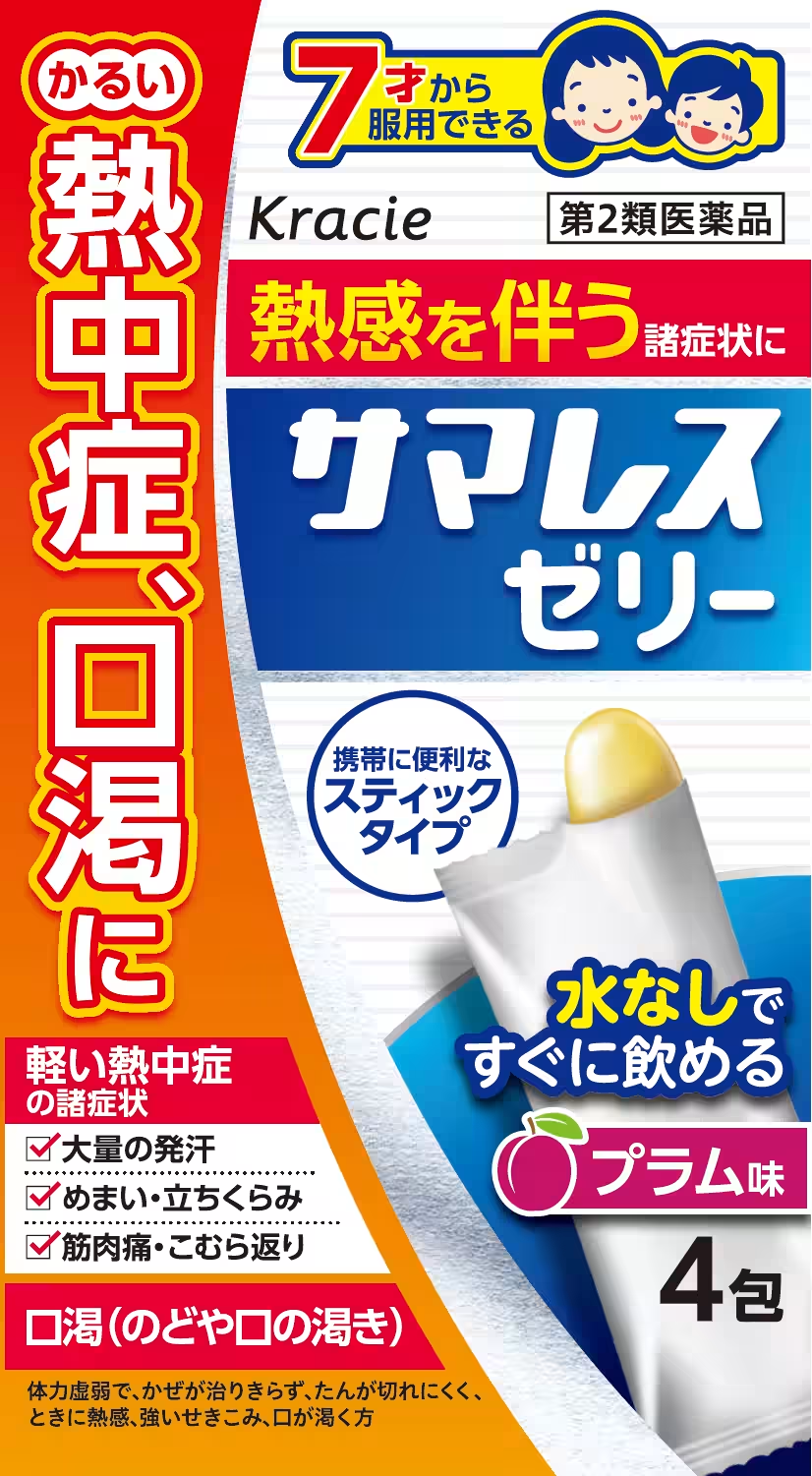
For those experiencing the early signs of heat stroke, Kracie Pharma offers effective herbal formulations such as Summer Resilience Jelly, composed of various herbs to reduce internal heat and replenish lost moisture.
Summation
As we look ahead, understanding the impact of heat stroke in the workplace has become critical. While the mandatory regulations are in place, enhancing awareness and re-evaluating strategies using a combination of conventional and herbal remedies will play a pivotal role in safeguarding worker health during extreme weather conditions. Through collective knowledge and new preventative strategies, we can continue pushing the boundaries of occupational safety and health for our workforce.

Topics Health)


【About Using Articles】
You can freely use the title and article content by linking to the page where the article is posted.
※ Images cannot be used.
【About Links】
Links are free to use.