



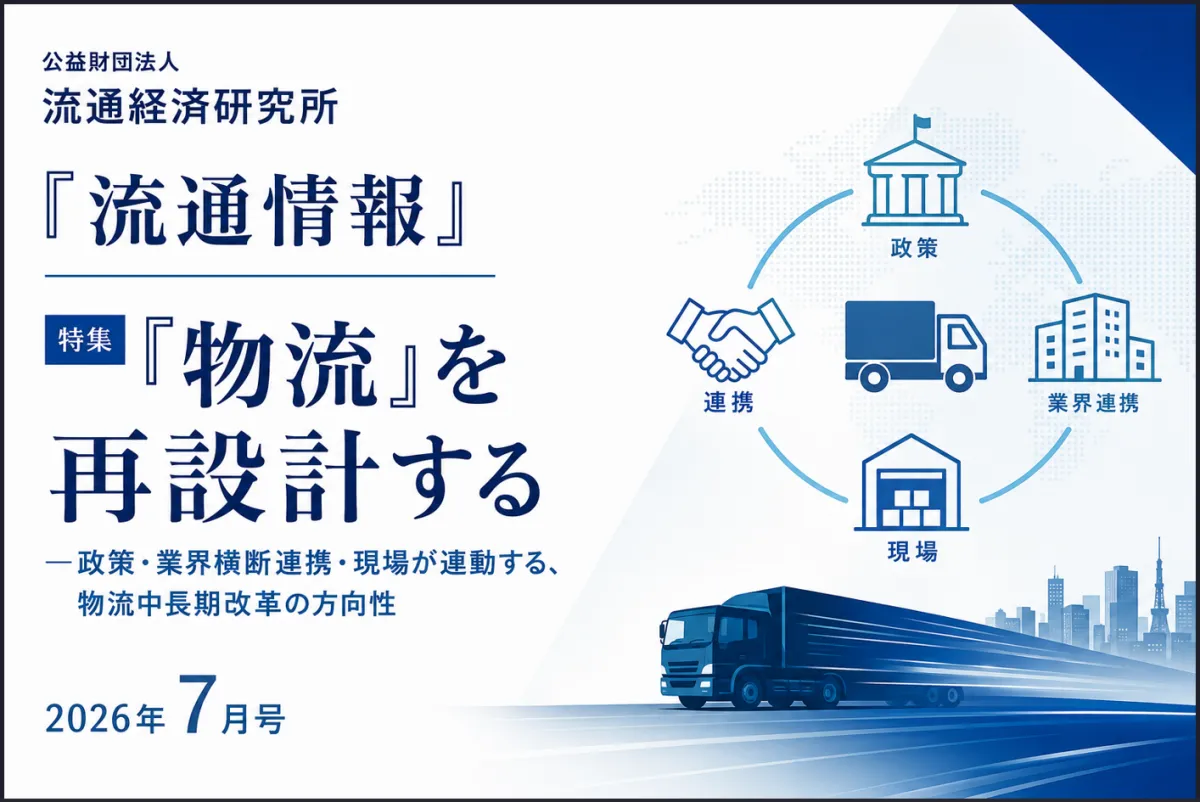
Redesigning Logistics: Long-Term Reforms for Sustainable Supply Chains
Redesigning Logistics: A Path Forward
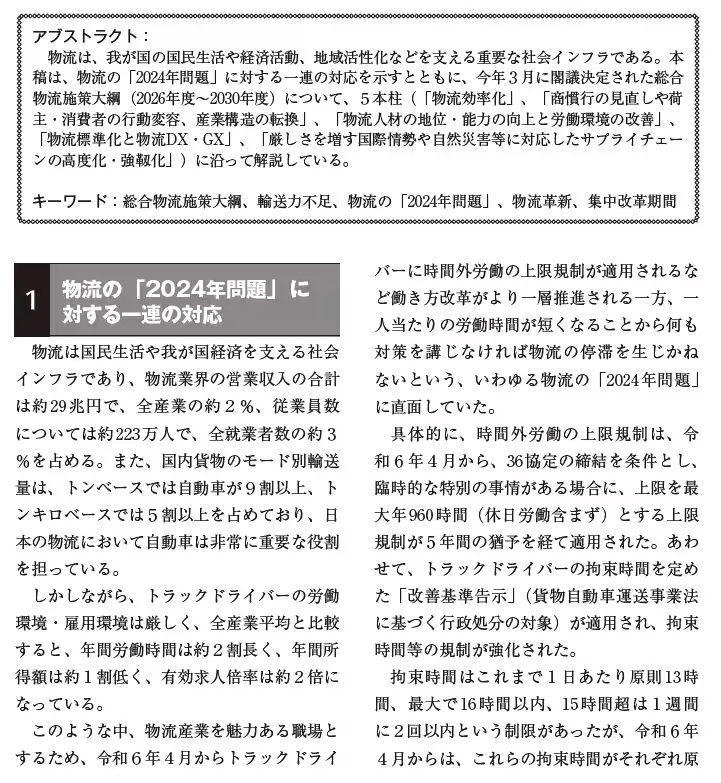
The logistics industry in Japan is undergoing significant transformations as it addresses multiple challenges. The 2024 problem, a reference to looming shortages in logistics personnel, marks not the conclusion of reforms but serves as a pivotal commencement point aimed at long-term improvements. These changes are necessitated by factors such as an aging population, a decrease in the workforce, and the pressing necessity for carbon neutrality.
In response to these multifaceted issues, the Ministry of Land, Infrastructure, Transport and Tourism is initiating the new "Comprehensive Logistics Policy Outline (2026-2030)." This strategy aims to foster the development of a physical internet, standardize logistics processes, and enhance sustainability across supply chains. The focus will not only be on immediate solutions but also on integrating progressive policies, corporate collaborations, digital technologies, and practical logistics operations to pave the way for a sustainable future.
Comprehensive Logistics Policy Outline
The publication of the Distribution Information magazine's July 2026 edition highlights the essential details surrounding the new policy framework that will come into effect from 2026. This comprehensive outline emphasizes transformative reforms designed to align logistics practices with broader economic sustainability goals, thus stimulating enhanced operational efficiency and environmental responsibility.
Vision for Mid-to-Long-Term Reforms
Included in the magazine's special feature, key industry experts provide insights into the anticipated outcomes of these planned reforms. Discussions emphasize the integration of logistics operations and collaboration between various sectors, underscoring the necessity for unified efforts to elevate the supply chain's overall sustainability.
Food Supply Chain Sustainability Project
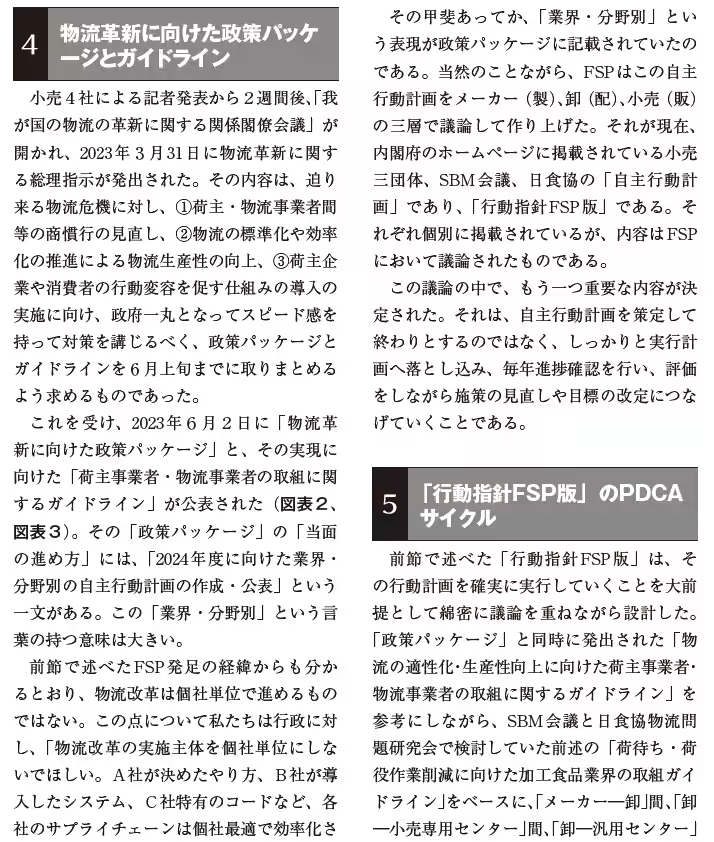
Drawing attention to initiatives like the Food Supply Chain Sustainability Project (FSP), the publication delves into actionable strategies and the future vision that aligns with Japan's logistics reform agenda. The focus remains on not just implementing immediate changes but strategically planning for the coming decade.
Collaboration Across Industries
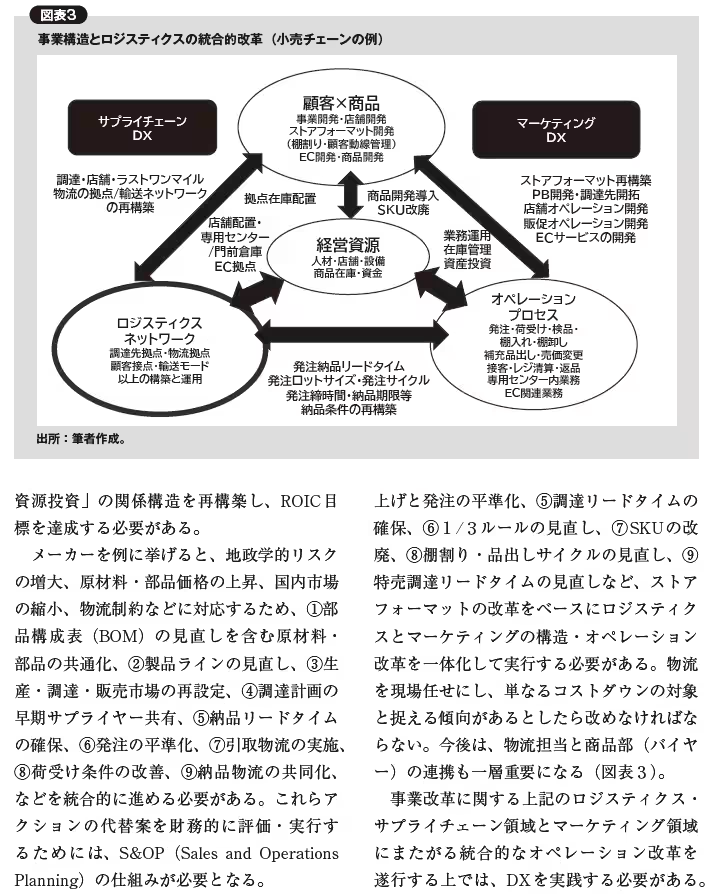
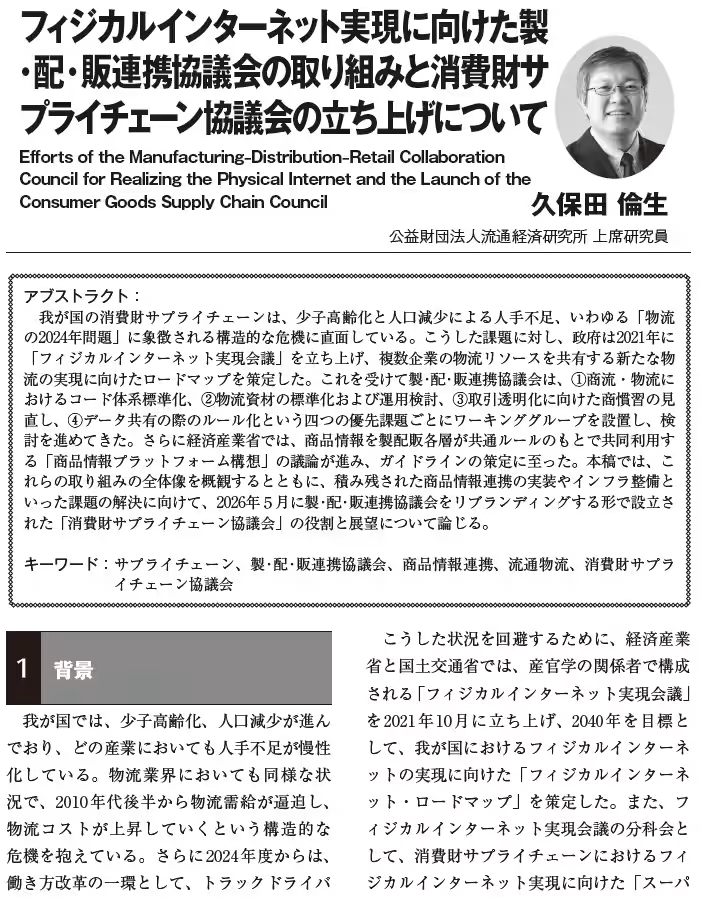
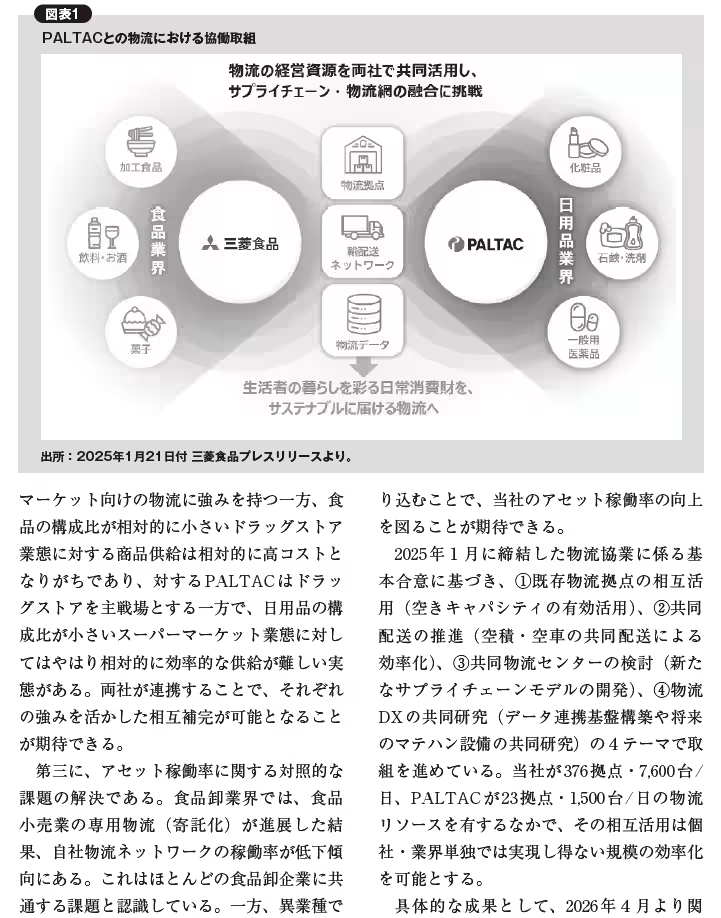
As the magazine points out, collaboration has been paramount in reshaping the logistics landscape. New developments, such as the establishment of the "Consumer Goods Supply Chain Council," serve as platforms for different sectors to join forces, ensuring that progressive practices are shared across industries. Mitsubishi Foods, for instance, showcases its dedication to logistics digital transformation by demonstrating successful case studies of joint logistics and optimization processes.
Practical Improvements in Logistics Operations
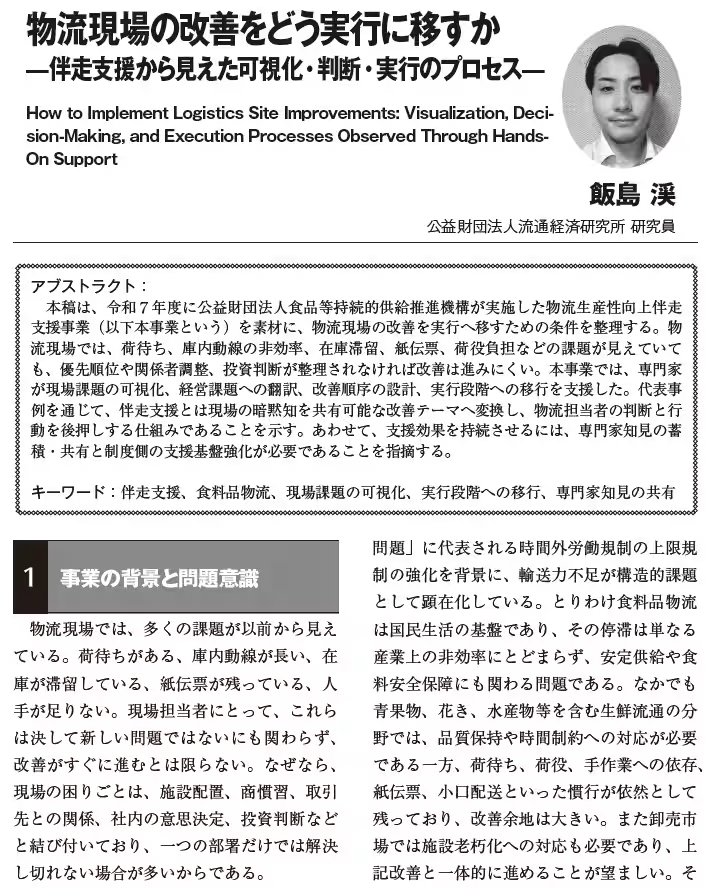
One highlight of the July edition is the emphasis on practical steps for improving on-the-ground logistics performance. By presenting case studies and expert insights, the publication outlines effective strategies for operational enhancements, facilitating the transition from theoretical reforms to practical implementations.
Engaging Stakeholders in Logistics Reform
The special feature aims to engage a wide array of stakeholders involved in logistics reforms, including businesses, government officials, and academics. This collective effort is essential for advancing Japan’s logistics operations toward a sustainable future. The comprehensive analysis provides valuable perspectives for everyone from manufacturers to retail businesses and logistics service providers.
Promoting Wide-Ranging Knowledge Sharing
The Distribution Information publication not only delivers insightful research but also represents a vital resource for anyone interested in the evolution of the logistics industry. With a focus on research-driven analysis on marketing and distribution channels, this bi-monthly journal includes reports from researchers and practitioners, fostering a deeper understanding among readers from various relevant sectors.
Overall, this July 2026 edition serves as an essential guide for navigating the forthcoming changes in logistics. By thoroughly understanding the interconnections among policies, technology, and operations, readers will be well-equipped to support and participate in the ongoing logistical transformation that aims for success in the years ahead.

Topics Business Technology)
【About Using Articles】
You can freely use the title and article content by linking to the page where the article is posted.
※ Images cannot be used.
【About Links】
Links are free to use.