



A New Perspective on Seniors: Nutrition and Dining Habits Revealed
A New Perspective on Seniors: Nutrition and Dining Habits Revealed
Recent insights from CosmoLab, a specialized marketing platform for seniors under Cosmo Health Co., Ltd., provide a fresh understanding of how the older generation engages with food. The report, focusing on individuals aged 50 and above, explores their lifestyle, dietary preferences, financial considerations regarding food expenses, health attitudes, and anticipated services they wish to utilize.
Key Findings
Predominance of Home Cooking
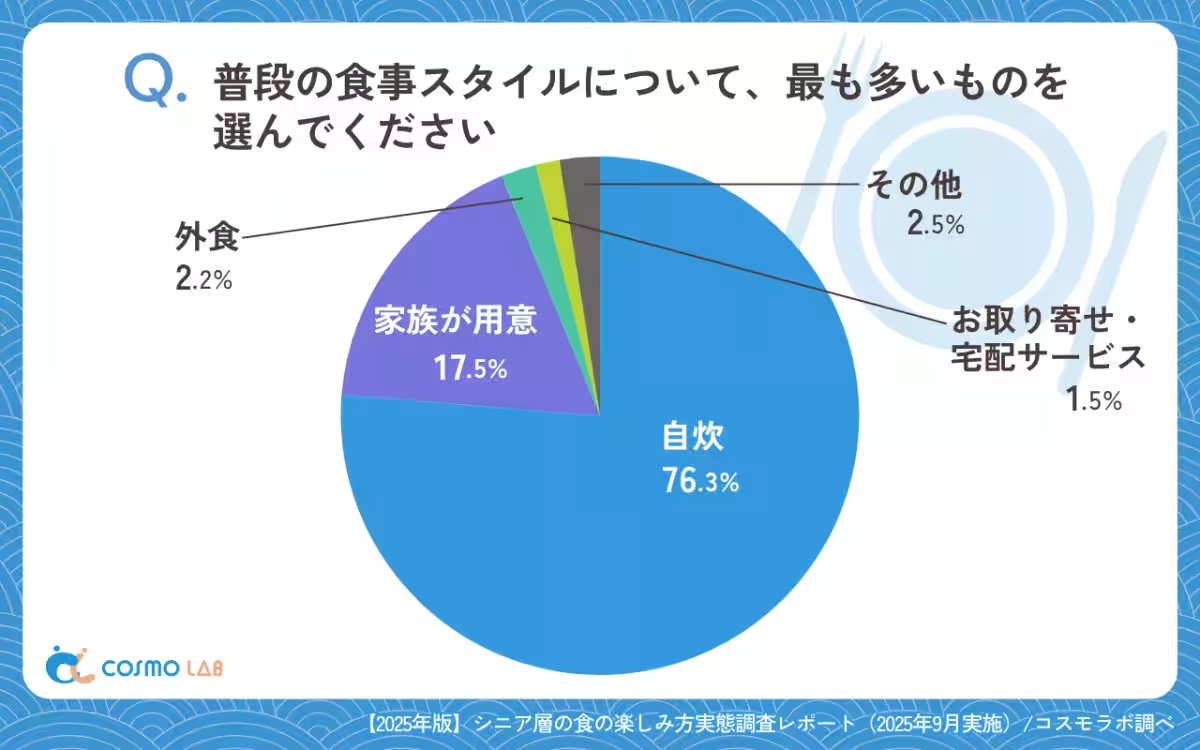
A significant 76.3% of seniors reported that they primarily cook for themselves, indicating a strong trend towards home-cooked meals. This self-sufficiency reflects an impressive commitment to both health management and cost-saving strategies. With just a small portion of respondents opting for pre-prepared meals, it is clear that the tradition of self-cooking firmly anchors the dietary practices of seniors today.
Health and Nutrition Focus
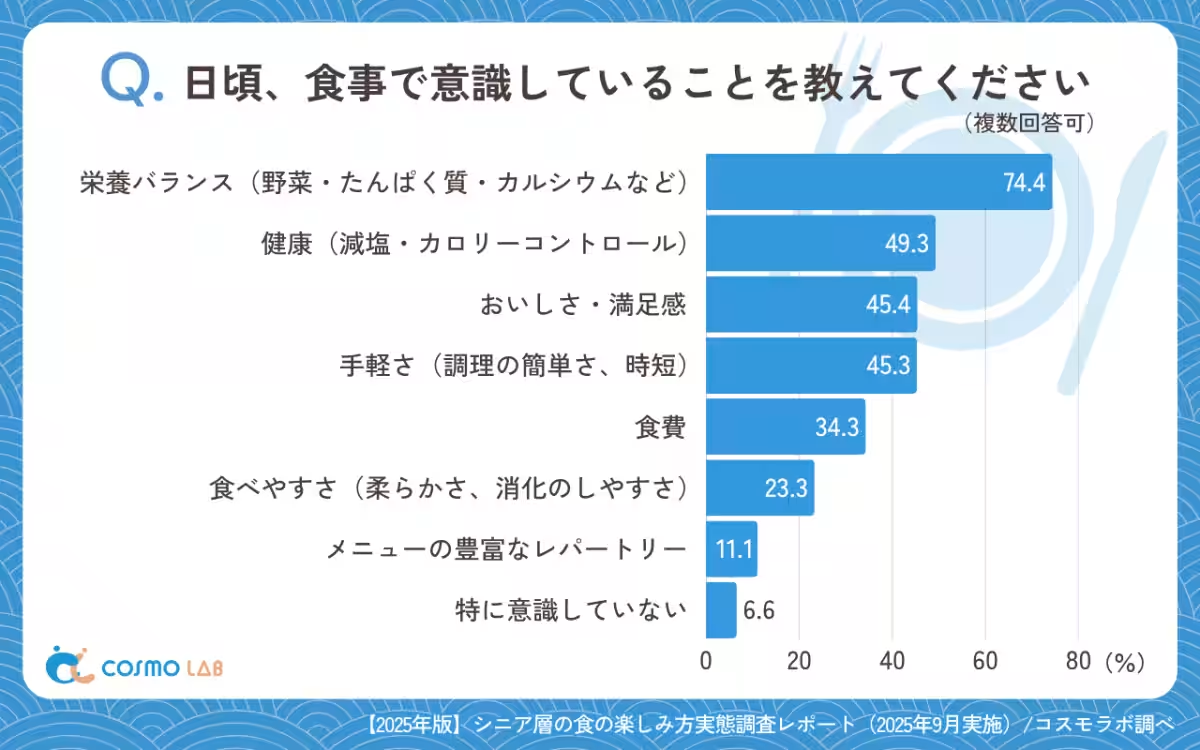
The survey revealed that 74.4% prioritize nutritional balance in their meals, while nearly 50% are aware of and engaged in health measures such as salt reduction and caloric control. Interestingly, while health is a significant concern, taste, satisfaction, and convenience are also critical to their dining experiences. This suggests seniors are not just surviving but enjoying their meals, finding a healthy balance between enjoyment and well-being.
Economic Duality in Food Spending
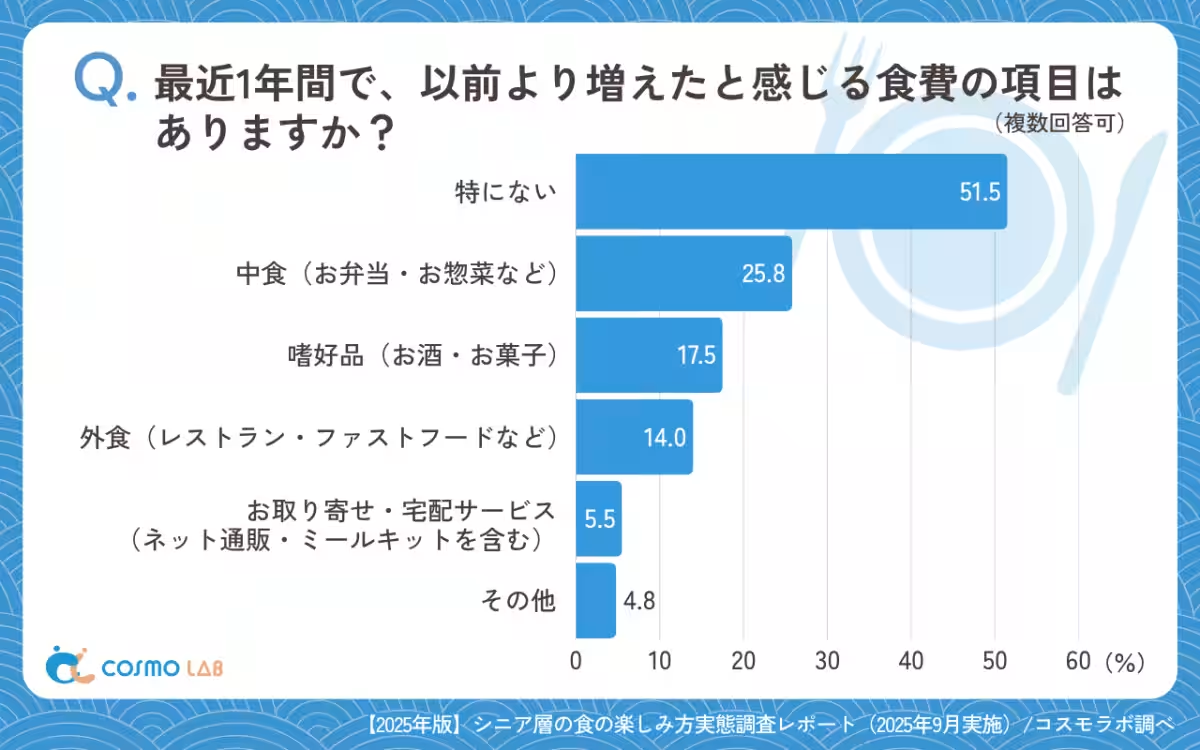
The financial aspect of dining is where divergence is observed. Over half of the respondents (51.5%) did not notice an increase in their food expenses over the past year. However, a distinct group acknowledges rising costs associated with takeout, snacks, dining out, and delivery services. This highlights a split in spending patterns, with a clear divide between budget-conscious individuals and those willing to expand their food expenses, accentuating the duality in economic behaviors among seniors.
Living Arrangements and Meal Practices
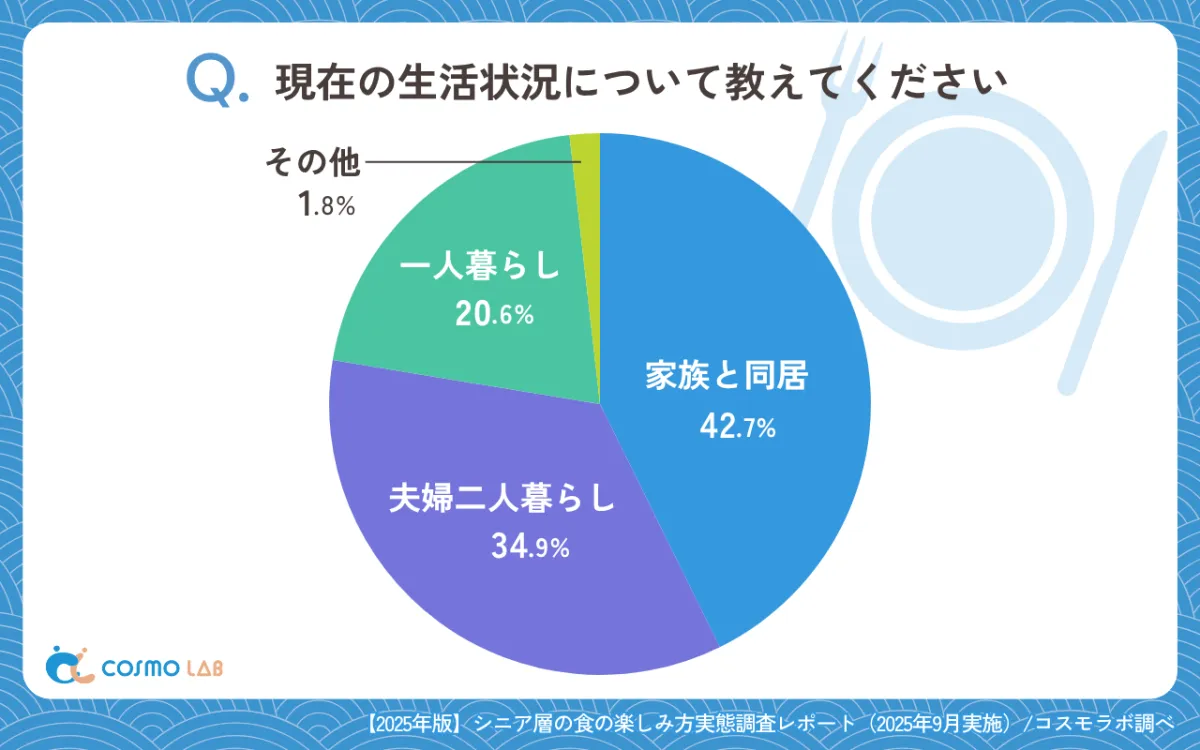
Among the surveyed participants, 42.7% live with family, 34.9% reside as couples, and over 20% live alone. These living conditions significantly influence their dining habits. Families often share meals, while those living alone may gravitate towards quicker, easier meal solutions, affecting the quality of their diets. Understanding these dynamics is essential for developing future dietary assistance programs tailored to various household structures.
Frequency of Home Cooking and Dining Out
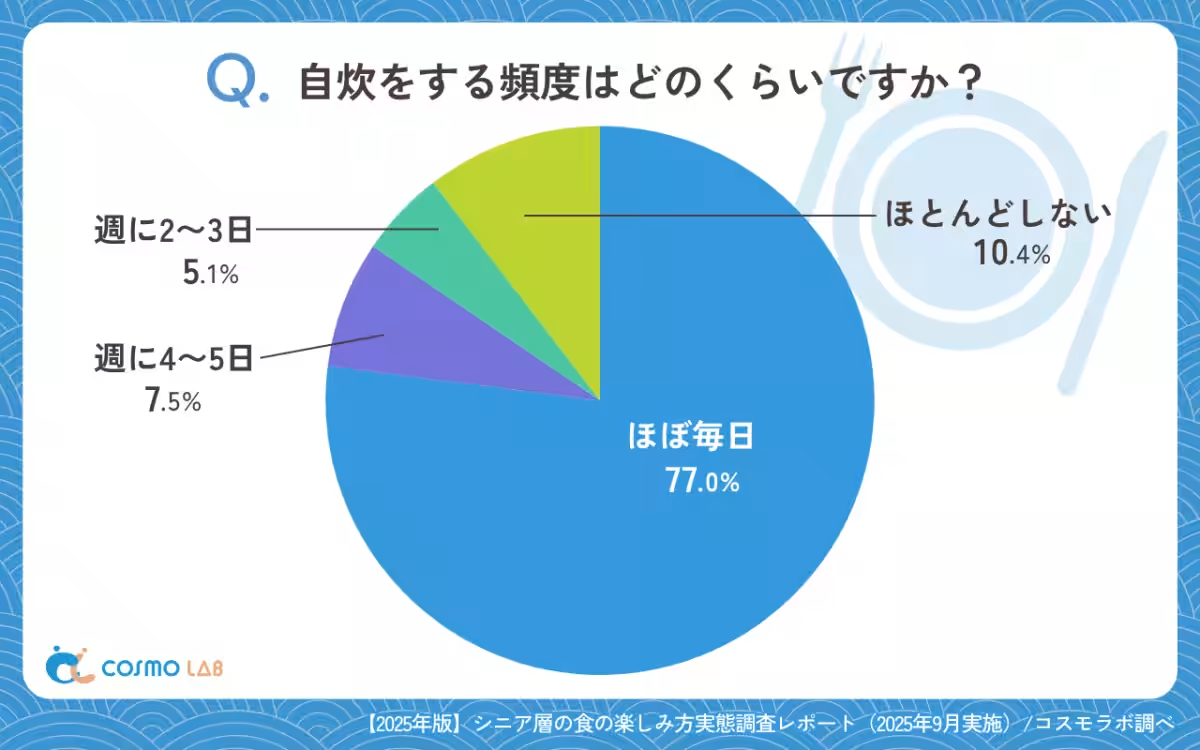
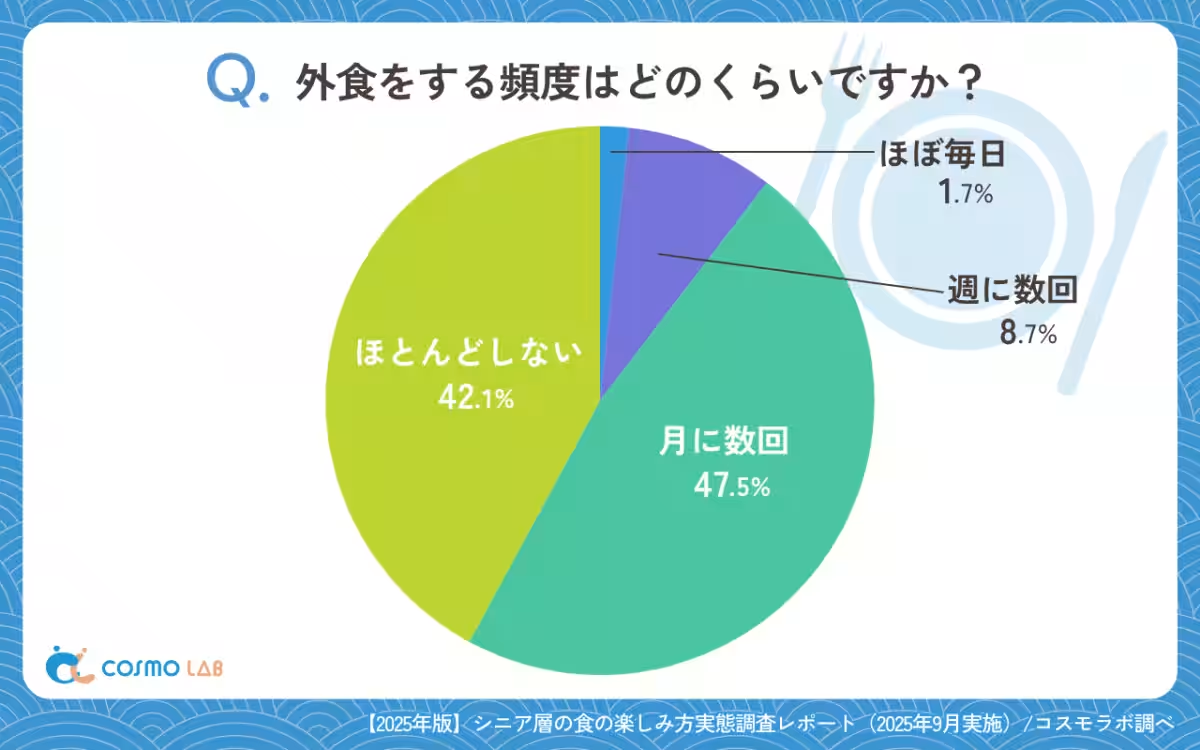
A remarkable 77% of seniors report cooking almost daily. This commitment to preparing their own food underscores their proactive approach to health management. In contrast, dining out is less common, with 47.5% going out to eat only a few times per month, and 42.1% rarely or never dining out. The reasons for these trends likely relate to economic capabilities and individual health priorities.
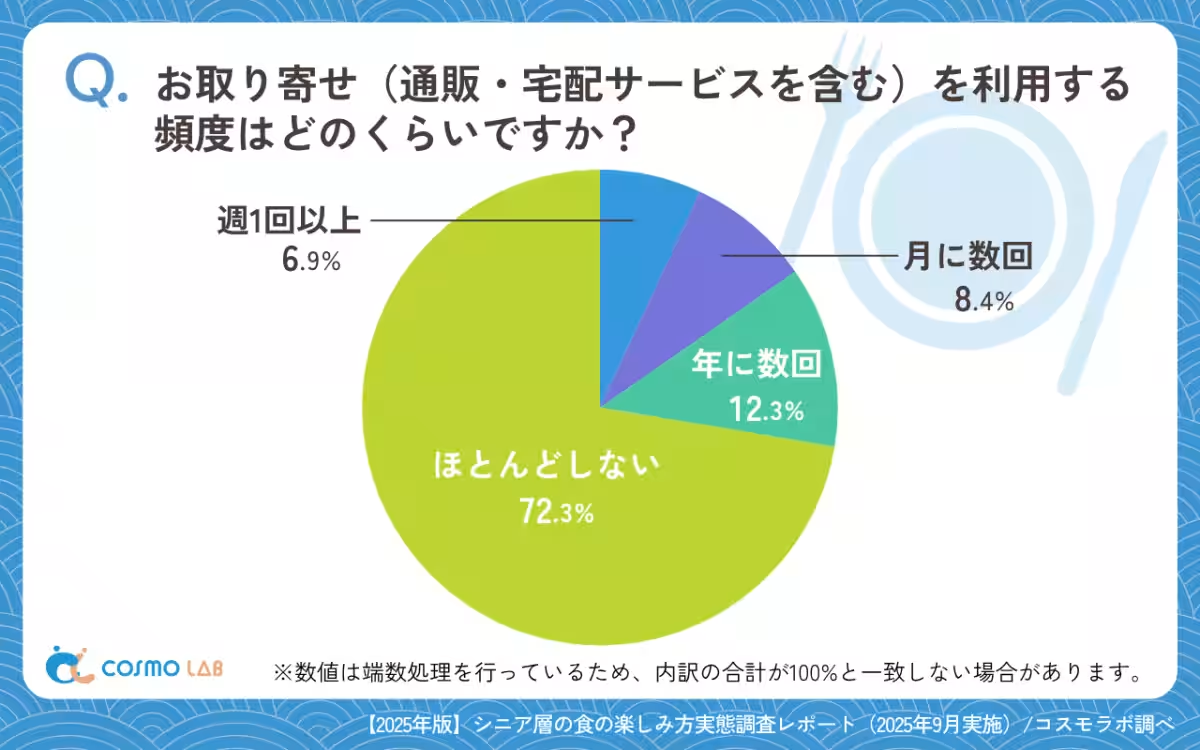
On the other hand, only 27.7% of seniors engage in delivery or takeaway services, indicating a preference for home-cooked meals over external food services.
Conscious Dining Choices
When asked about their dining priorities, 74.4% emphasized nutritional balance, while almost half are concerned with health management. This indicates a heightened awareness of dietary decisions among seniors, who simultaneously prioritize food quality, convenience, and cost in their choices amidst rising prices.
In terms of increased expenditures, while 51.5% reported no notable changes, a segment acknowledged rising costs in takeout and snacks, showcasing a complex relationship between the desire for convenience and economic pressure.
Future Interests in Dietary Services
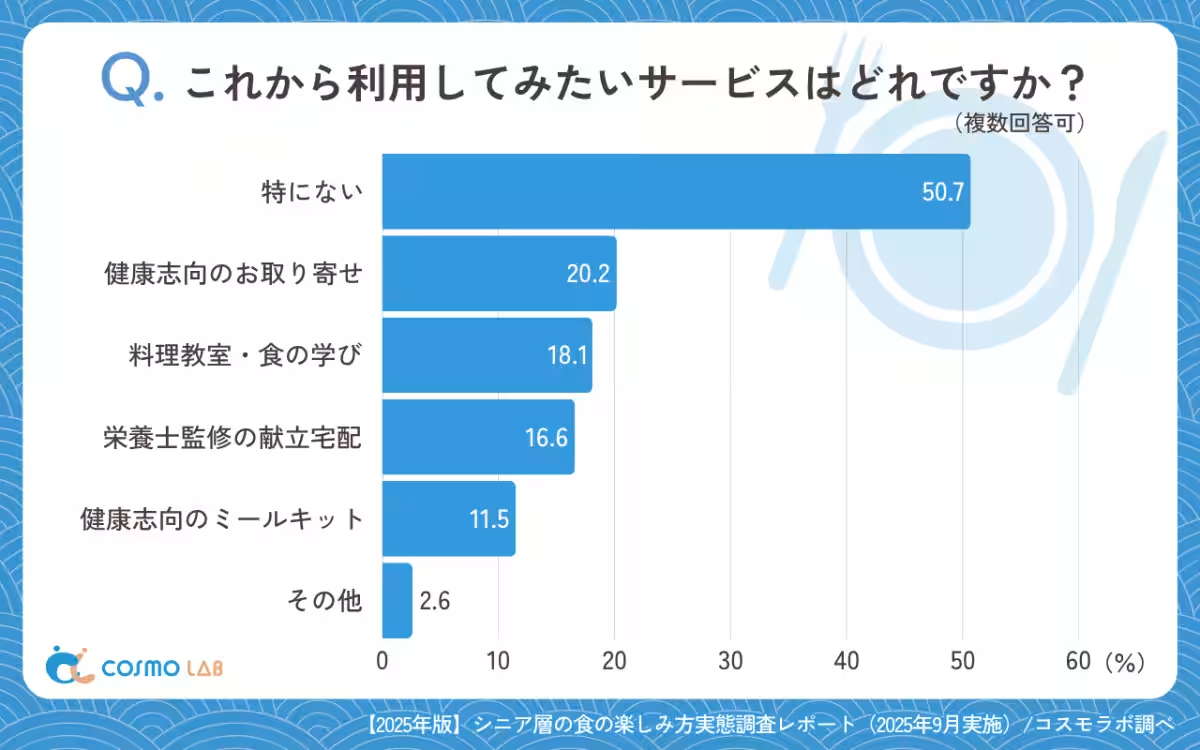
Despite half of the respondents expressing no interest in new dietary services, many conveyed a desire for health-oriented delivery options, cooking classes, and nutritionist-led meal plans. This highlights a growing market for services addressing health while also enhancing culinary skills among seniors.
Conclusion
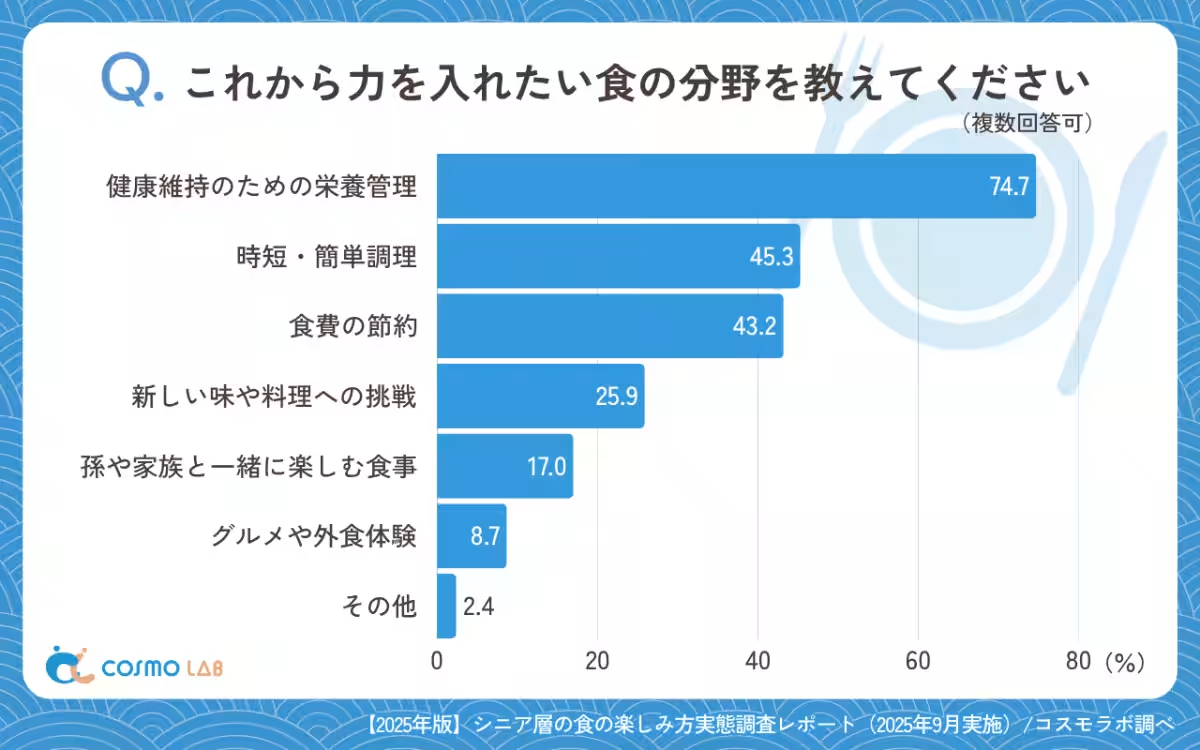
This study indicates that modern seniors are redefining their relationship with food, emphasizing cooking at home, prioritizing health, and navigating the complexities of budgeting for food. The inclination towards healthier eating habits, coupled with a balanced approach to convenience and enjoyment, underscores the need for diverse solutions that cater to this demographic. Future offerings should integrate nutritional management, simplicity in meal preparation, and opportunities for social interaction, as seniors navigate their evolving culinary landscapes.
More Insights from CosmoLab
CosmoLab continues to delve into various themes concerning senior lifestyles, including health, disaster preparedness, and consumer trends. Explore more reports and insights into the contemporary representation of seniors, available through our platform.
Visit our official page for a comprehensive look at our findings.
About CosmoLab
CosmoLab specializes in providing marketing services tailored for seniors. Catering to a community of approximately 200,000 members aged 60 and above, we offer diverse methodologies, including surveys, interviews, and product testing, to support corporate marketing initiatives.
For inquiries or more information, please visit us at our website.

Topics Consumer Products & Retail)
【About Using Articles】
You can freely use the title and article content by linking to the page where the article is posted.
※ Images cannot be used.
【About Links】
Links are free to use.