



Understanding Pet Stress: Insights from TYL's Recent Survey on Pet Health and Happiness
Understanding Pet Stress
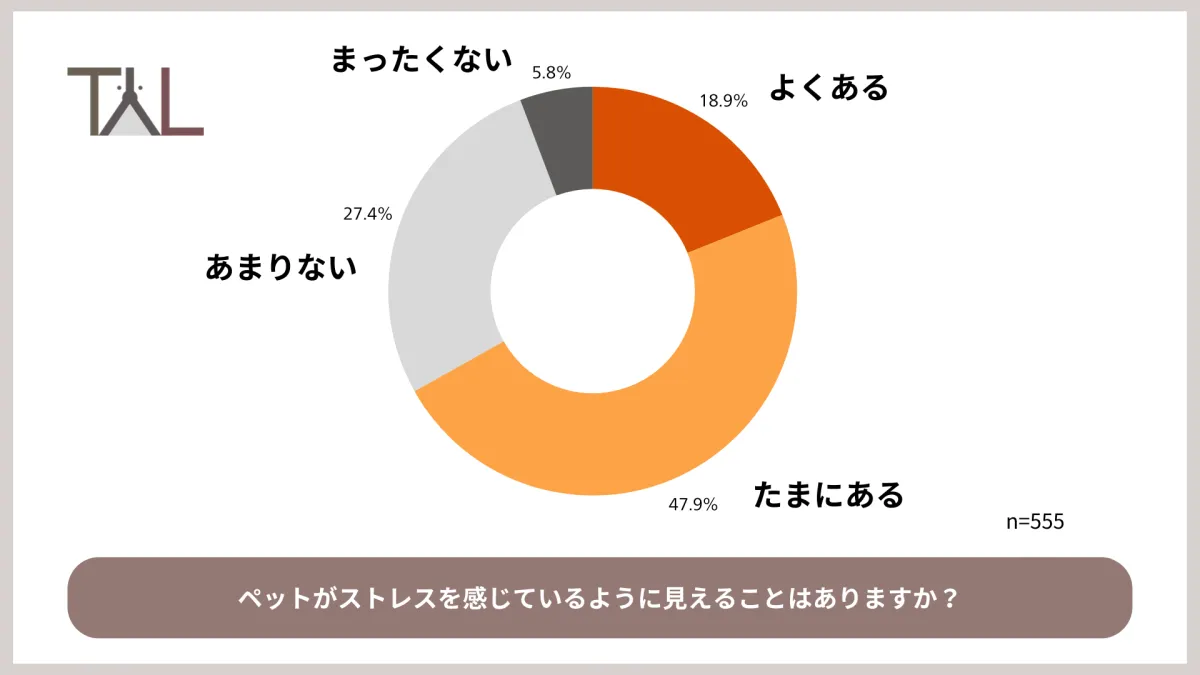
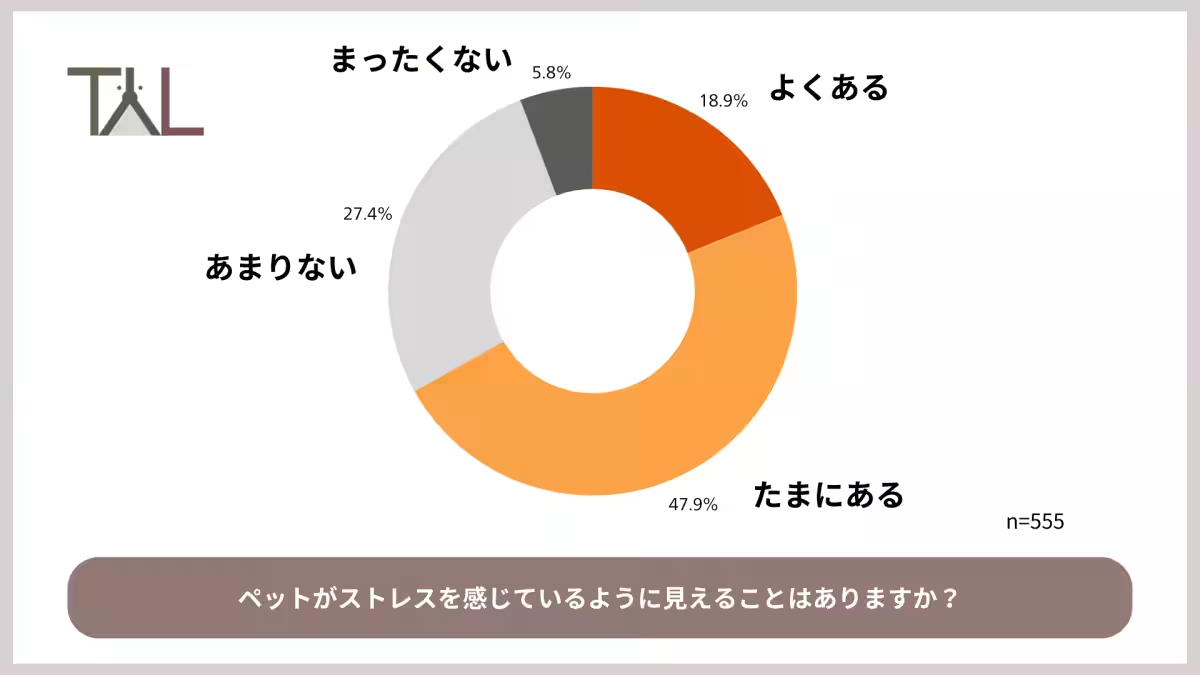
In a recent survey conducted by TYL, a rapidly growing venture focused on promoting the concept of pets as family members, significant findings regarding pet stress were revealed. The survey, aimed at dog and cat owners, concluded that approximately 70% perceive their pets as displaying signs of stress. Despite this awareness, more than half of the respondents expressed a lack of confidence in their ability to address these stress-related issues effectively.
Background of the Survey
TYL, headquartered in Minato-ku, Tokyo, has been innovating in the realm of pet medical technology and is committed to enhancing the well-being of pets and their owners. With five veterinary clinics operating in the Tokyo metropolitan area, TYL aims to create a healthier living environment for pets. The survey was timed to coincide with the behavior changes often seen in pets during the spring, a season marked by various lifestyle changes and relocations.
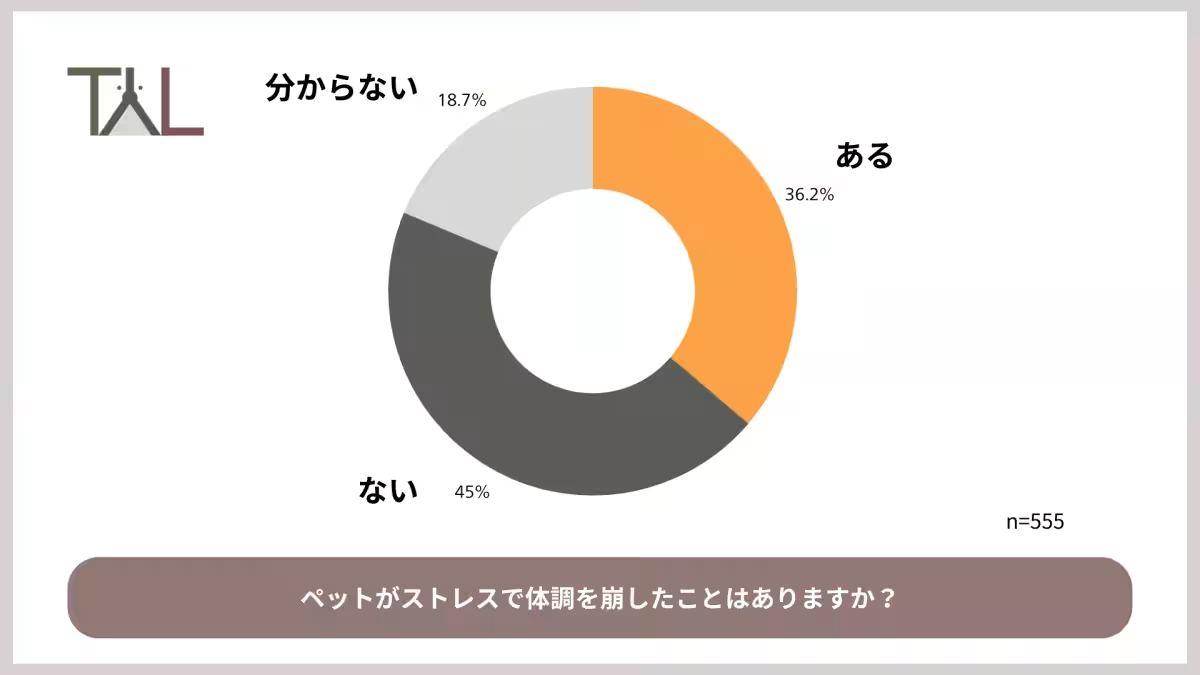
According to the findings, 66.8% of pet owners reported that their pets frequently appear to be stressed, while 36.2% acknowledged that their pets had experienced health issues due to stress. This data highlights the necessity of addressing the unseen health risks stress presents to pets.
Key Findings from the Survey
1. Recognition of Stress Symptoms
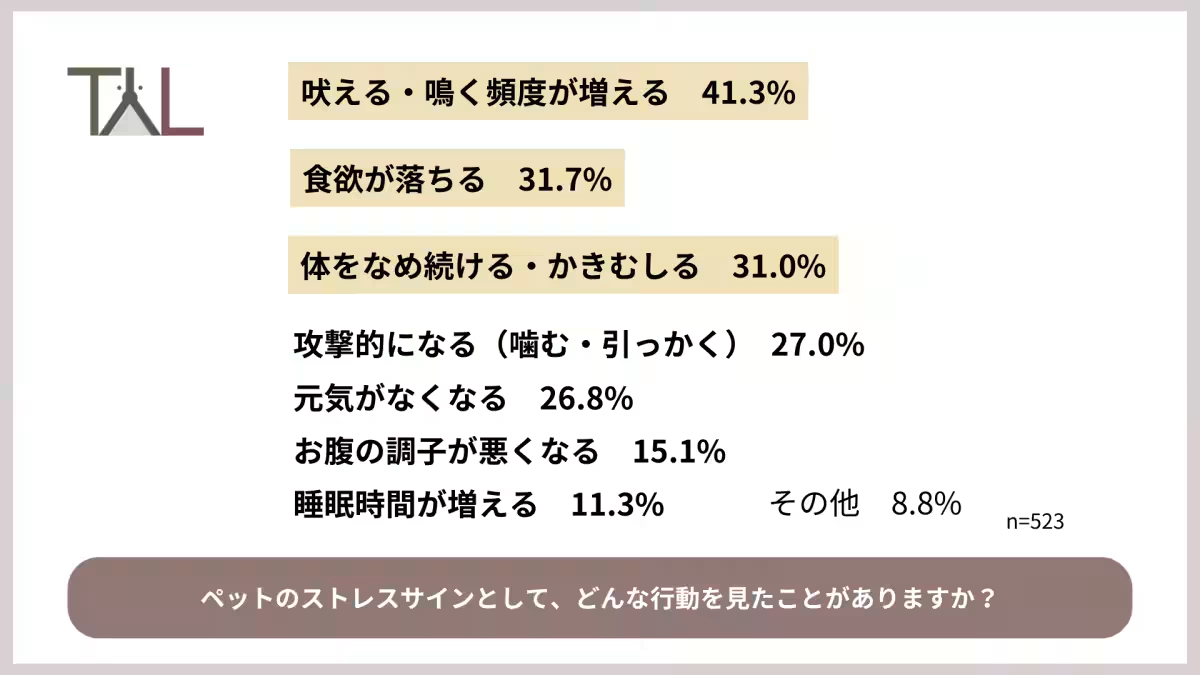
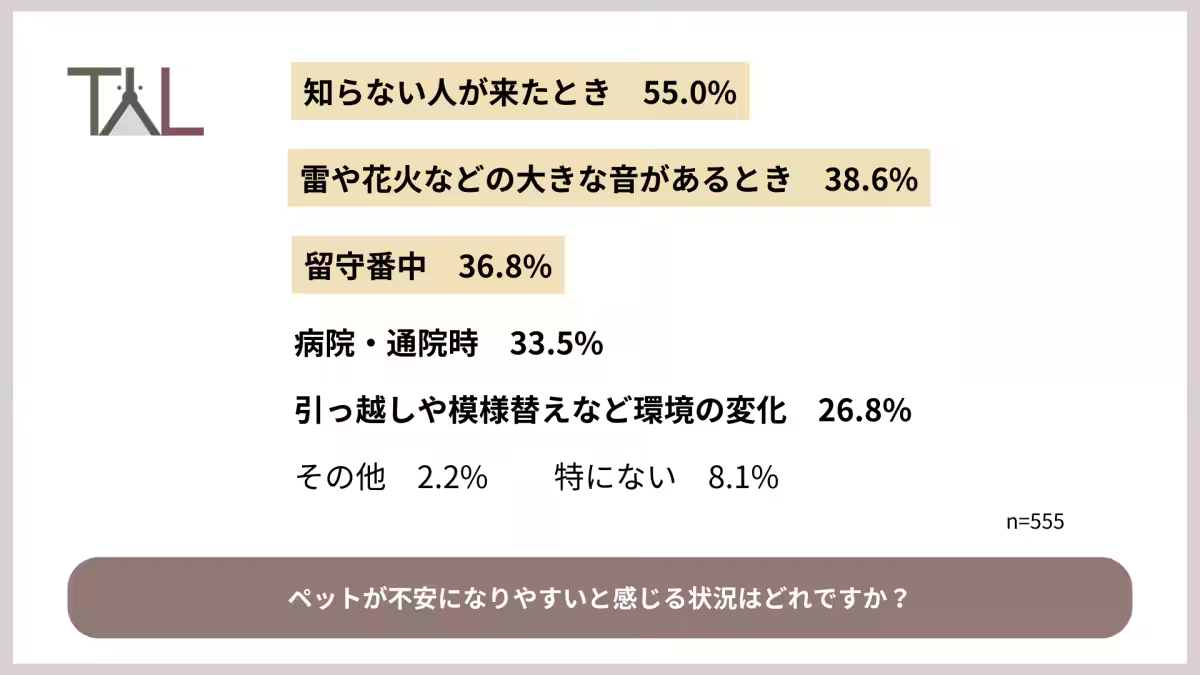
When questioned about the signs of stress in their pets, owners identified common manifestations such as increased barking (41.3%), decreased appetite (31.7%), and excessive grooming (31.0%). Factors contributing to pet anxiety included unfamiliar visitors, loud noises from thunderstorms or fireworks, and being left alone for extended periods.
2. Major Stress Factors
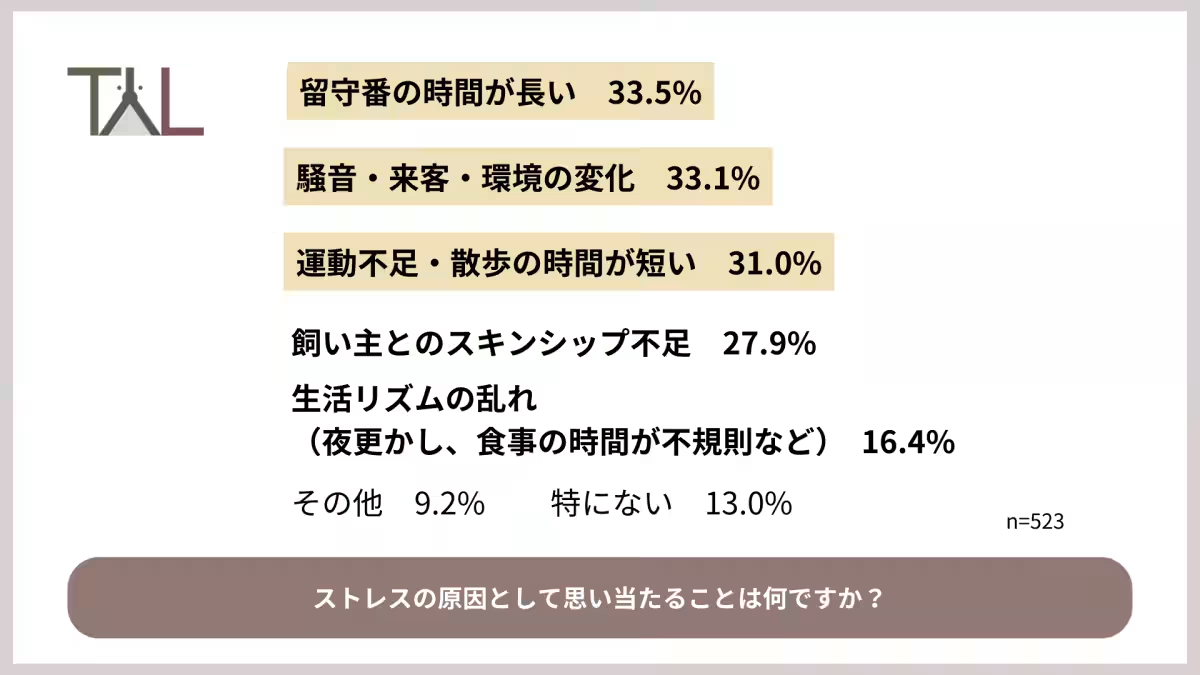
The survey indicated that extended periods of being left alone (33.5%), exposure to noise and environmental changes (33.1%), and insufficient exercise or walks (31.0%) are significant stress contributors for pets. Particularly during spring, the disruption of daily routines and environmental shifts can exacerbate stress levels in pets.
3. Owner's Response Strategies
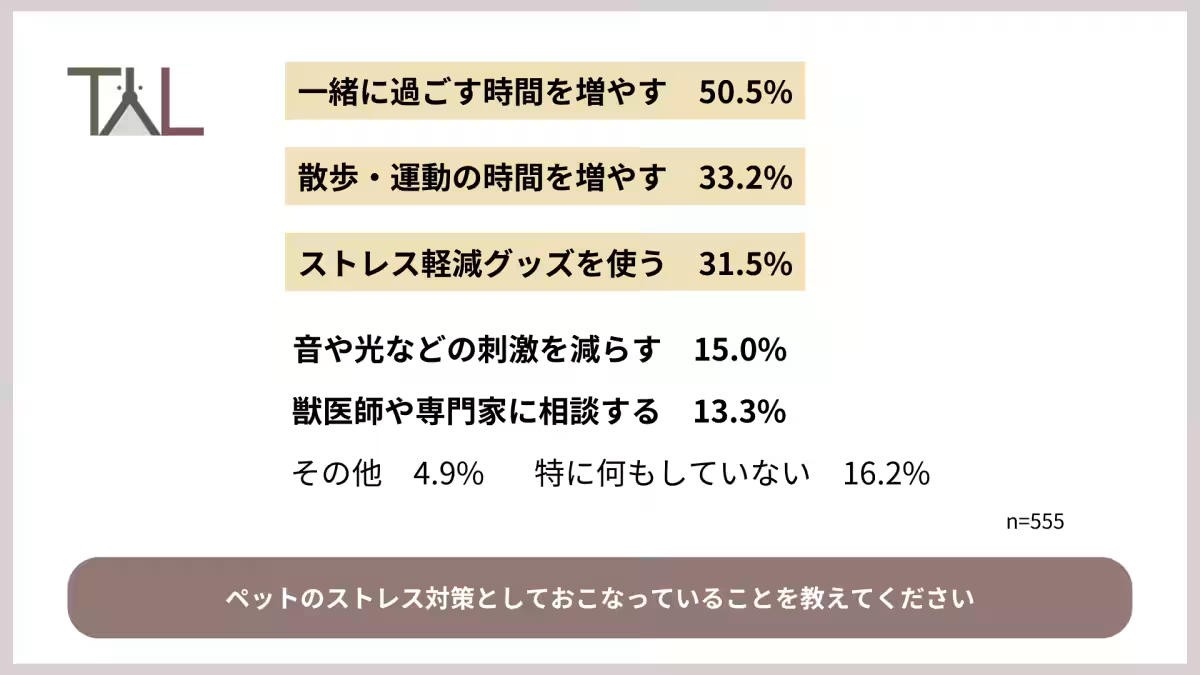
Over 50% of pet owners reported that they attempted to alleviate their pets' stress by increasing their time spent together. However, 16.2% admitted to not taking any specific measures to address stress, revealing a gap in practical knowledge and action among pet owners.
4. Need for More Knowledge
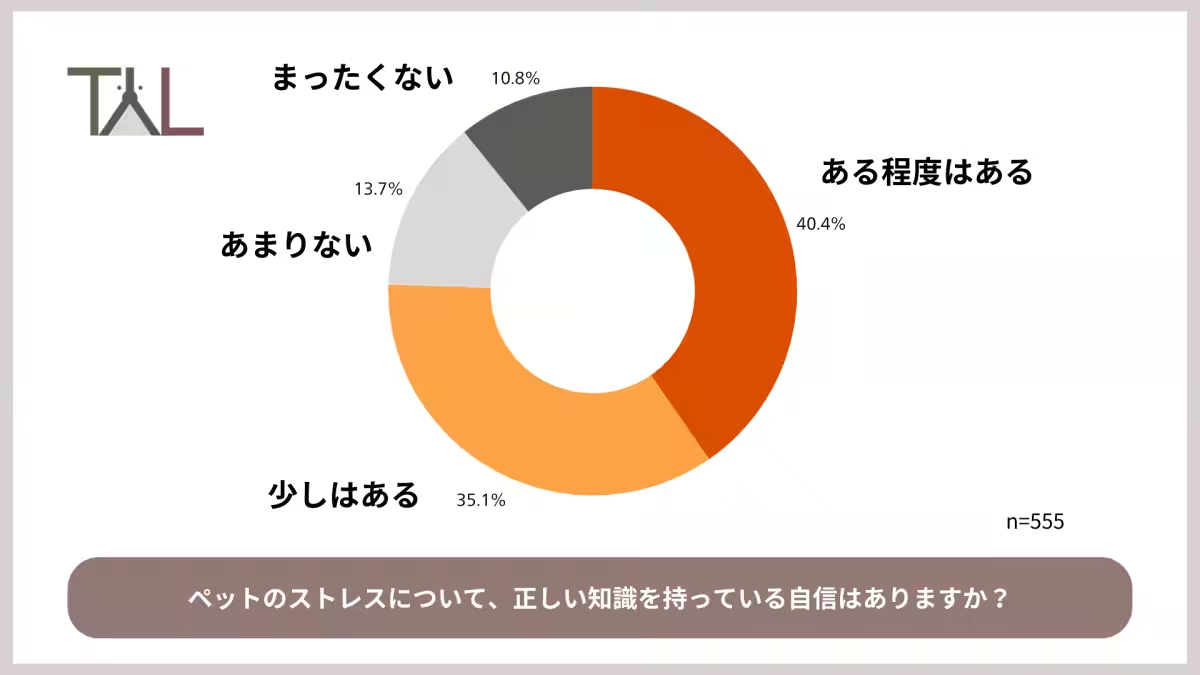
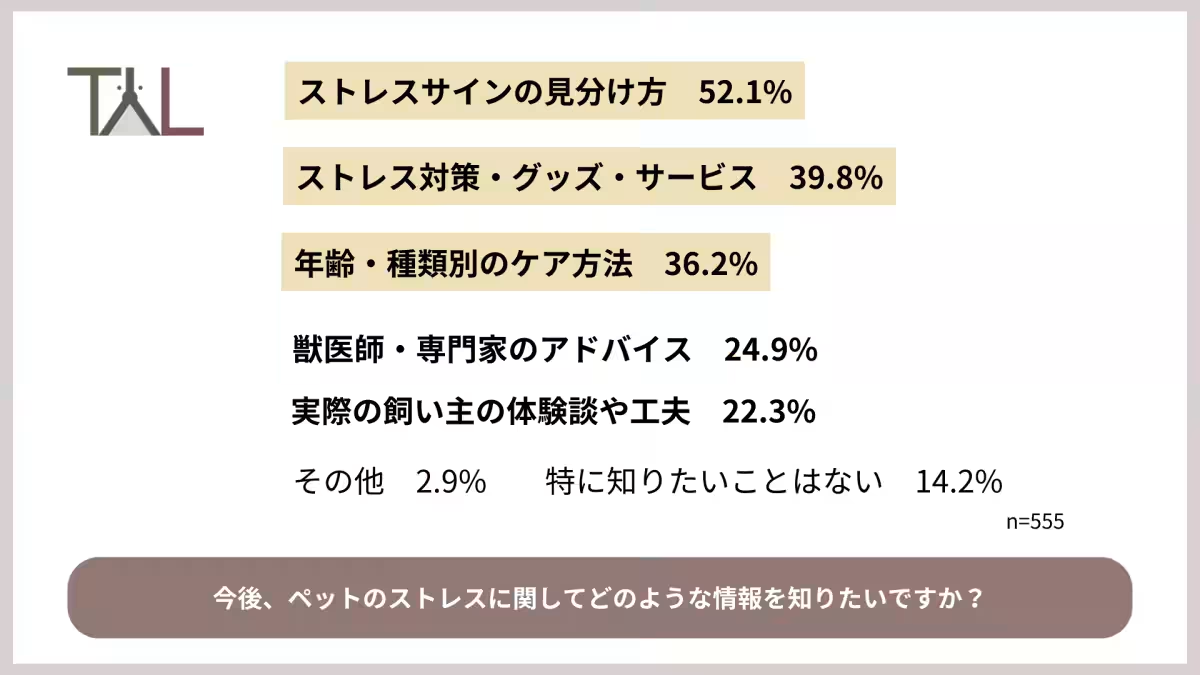
Approximately 60% of participants felt they lacked adequate knowledge about pet stress management. They indicated a desire for more information on recognizing stress signals and employing effective countermeasures. This showcases the urgent need for accessible resources and education.
Expert Advice on Pet Stress Management
To provide further insights into managing pet stress, Dr. Hiroshi Fujino, Chief Veterinary Officer at TYL, shares important information regarding when to seek veterinary assistance and effective home care strategies. He emphasizes distinguishing between normal behavioral adjustments and symptoms that require immediate medical attention, such as prolonged loss of appetite or aggressive behavior.
Tips for Reducing Pet Stress
1. Observe and Act: If your pet is showing signs of stress, monitor their behavior. Simple changes like ensuring a comfortable environment and providing engaging toys can make a difference.
2. Quality Time: Increase your presence at home. Engaging in play or simply being around can significantly enhance your pet’s mood and decrease anxiety levels.
3. Mental and Physical Stimulation: For dogs, introduce puzzle toys or longer walks. For cats, create vertical spaces for climbing or interactive play sessions.
4. Healthy Environment: Make your home a comforting place by utilizing calming products like pheromone diffusers or animal-safe scents to minimize anxiety triggers.
5. When to Seek Help: Be vigilant. If unusual behaviors persist, seek veterinary advice to rule out underlying health issues.
Conclusion
With TYL's mission emphasizing the integral bond between pets and owners, understanding and addressing pet stress is crucial. Educating owners about recognizing stress signs and enabling proactive measures can lead to happier and healthier lives for both pets and their humans. As we venture into the spring season, let’s make a concerted effort to ensure our furry companions thrive in their environments, filled with love and care.
For more pet care tips and insights, visit TYL's corporate site.
Topics Other)
【About Using Articles】
You can freely use the title and article content by linking to the page where the article is posted.
※ Images cannot be used.
【About Links】
Links are free to use.